Fine motor skills (writing) Math Worksheets for Ages 5-6 - Page 2
36 filtered results
-
From - To
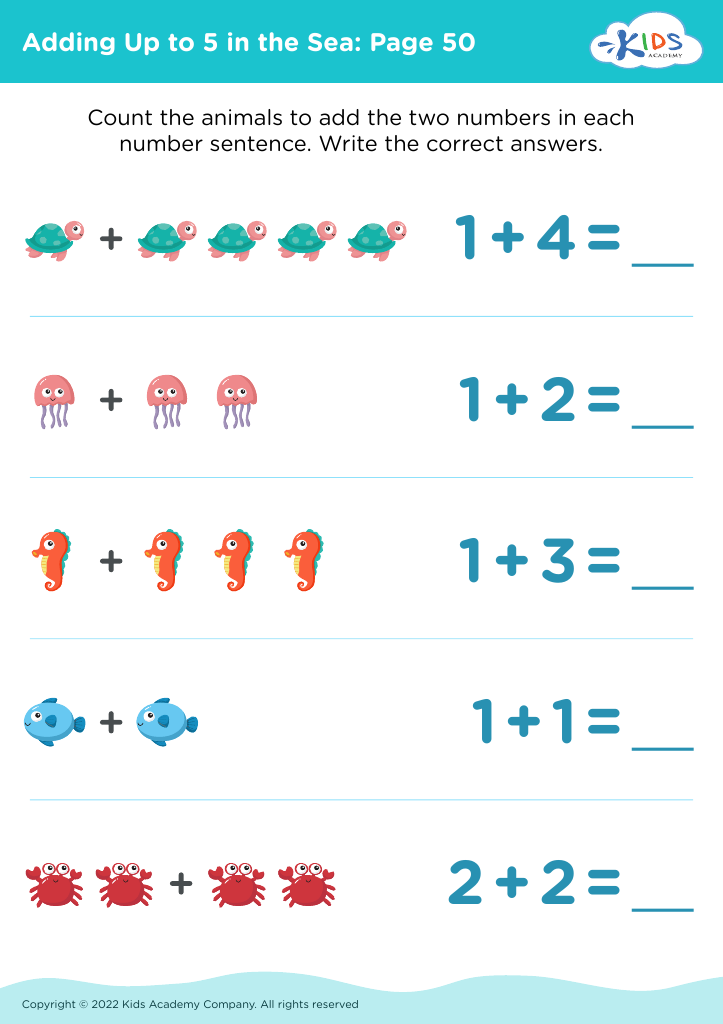
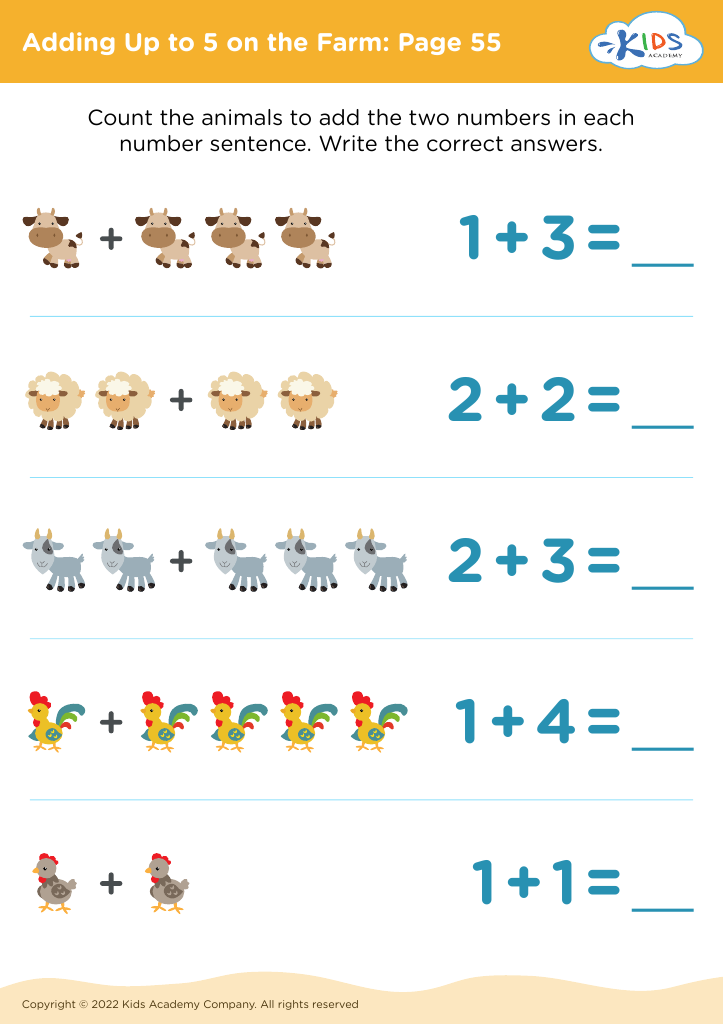
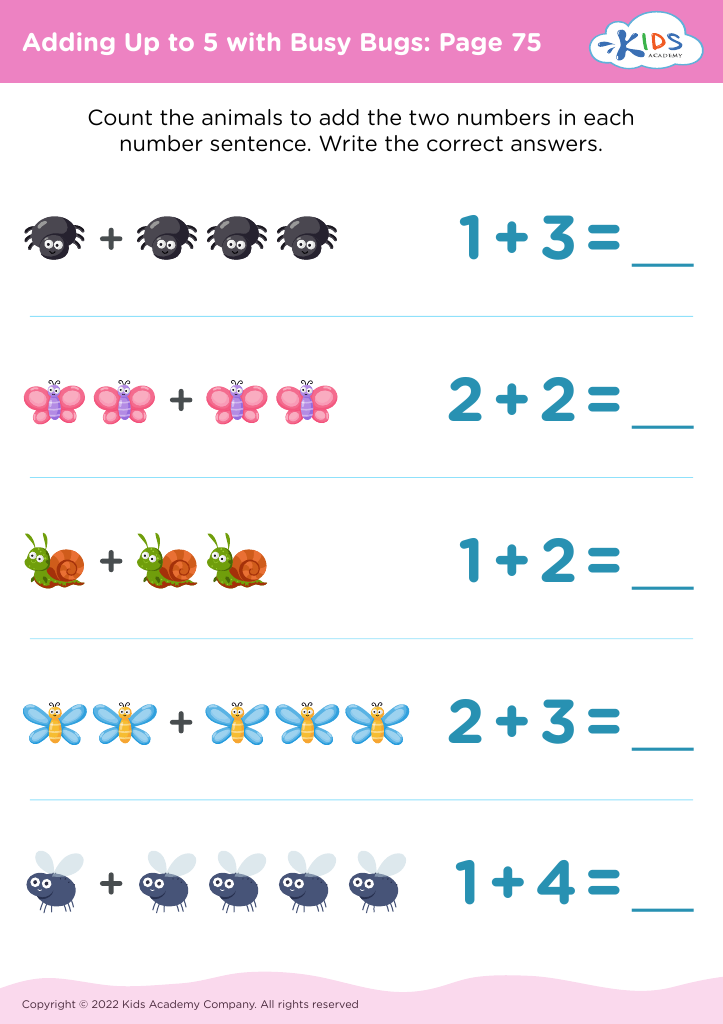
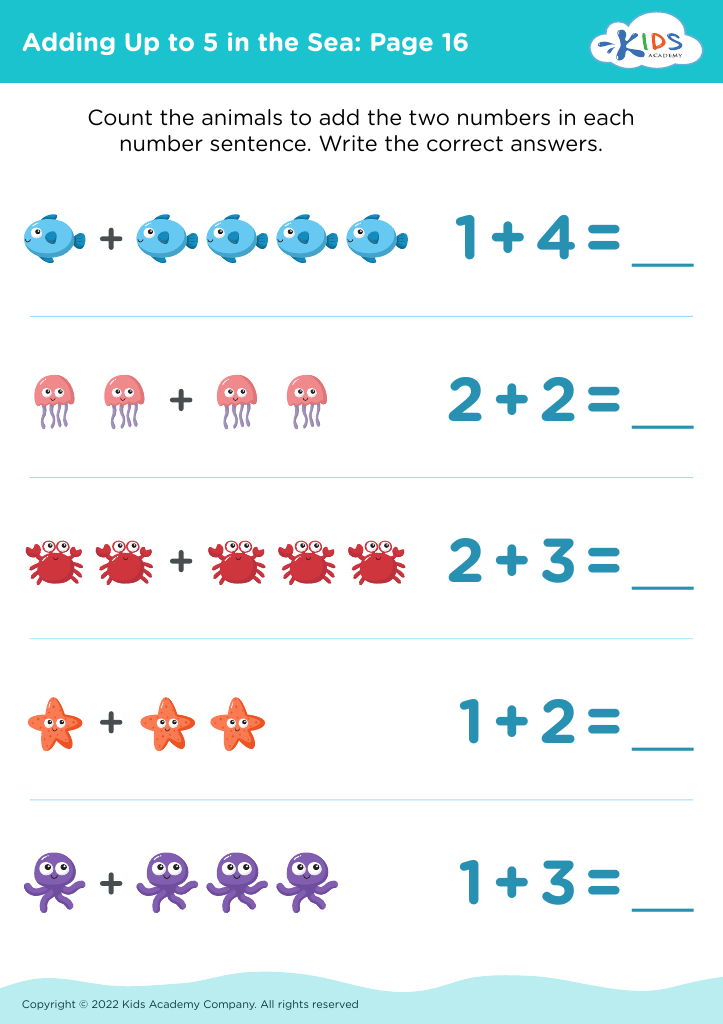
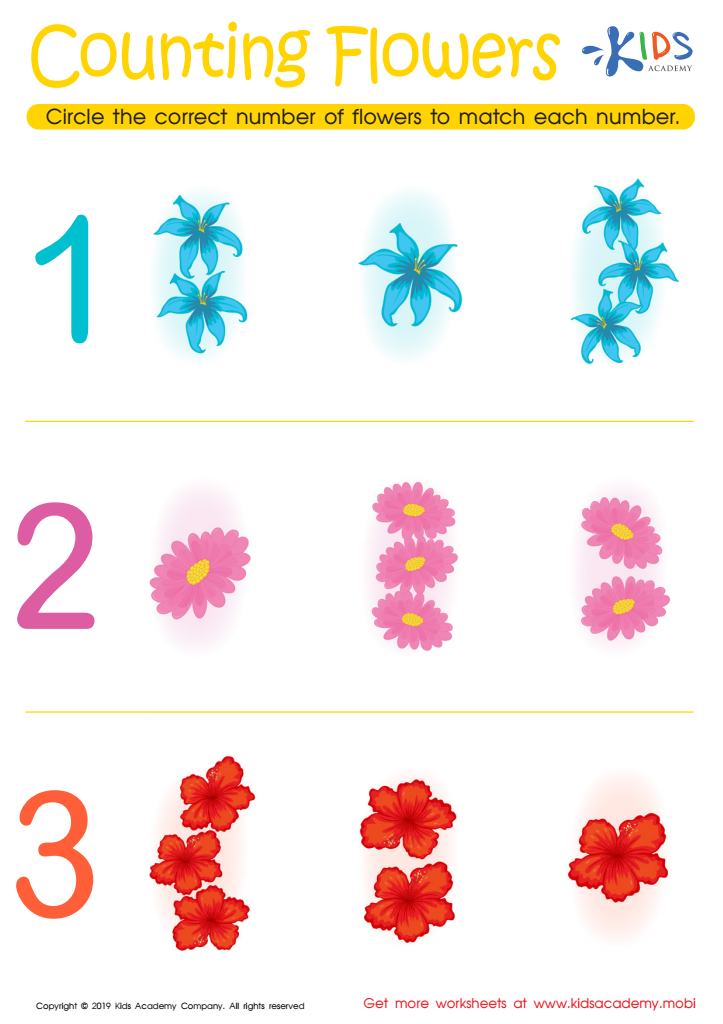
Counting Flowers Worksheet
 Assign to My Students
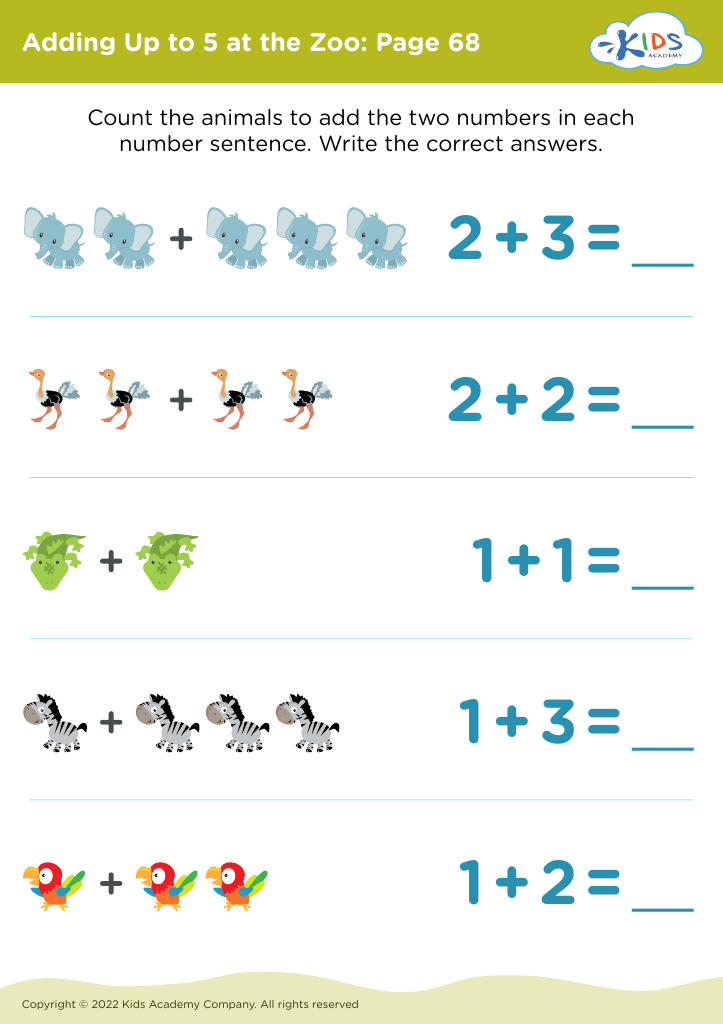
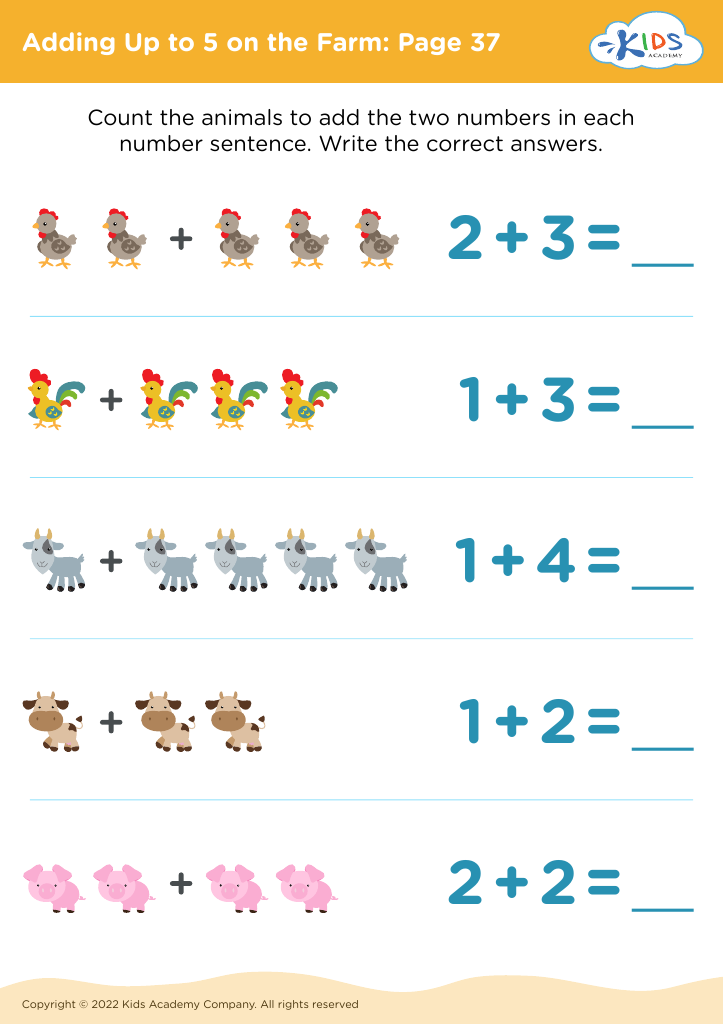
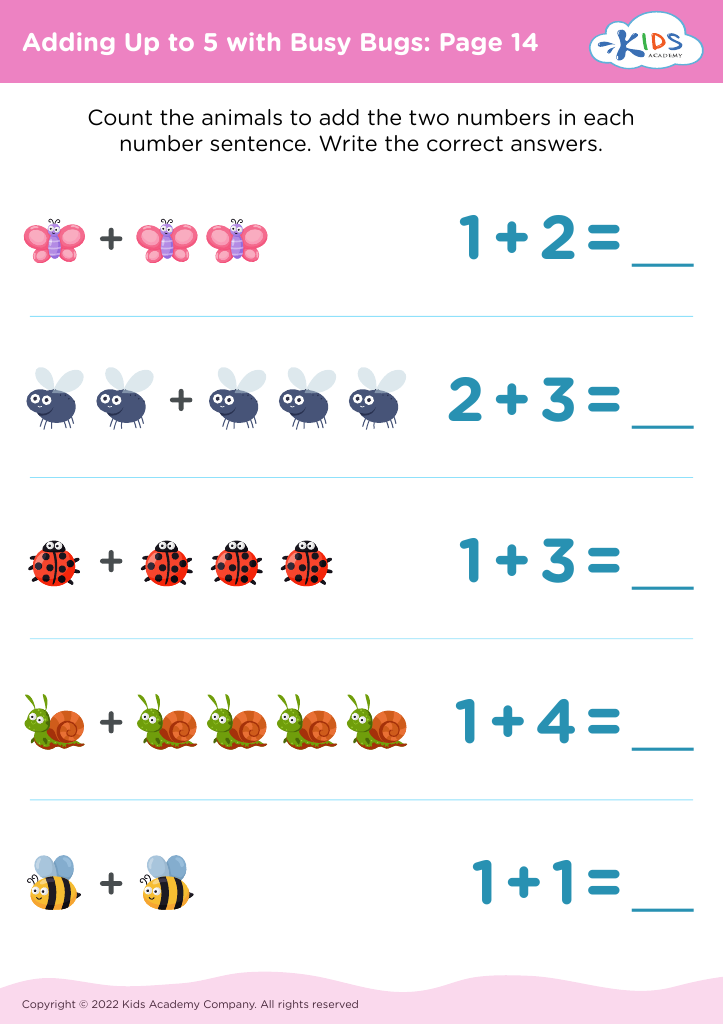
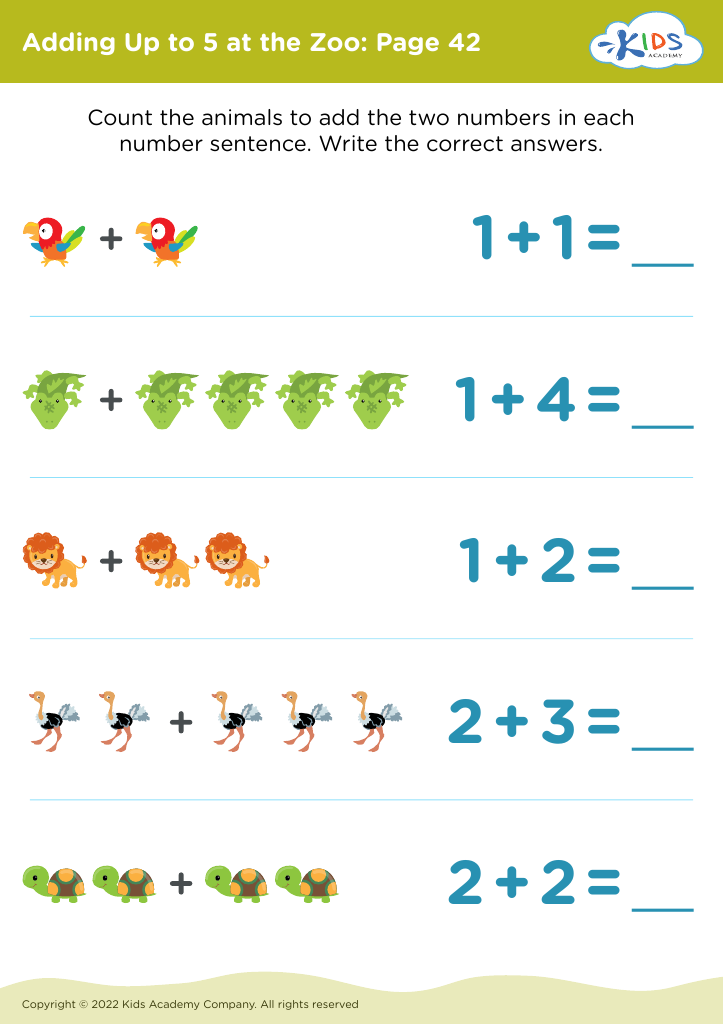
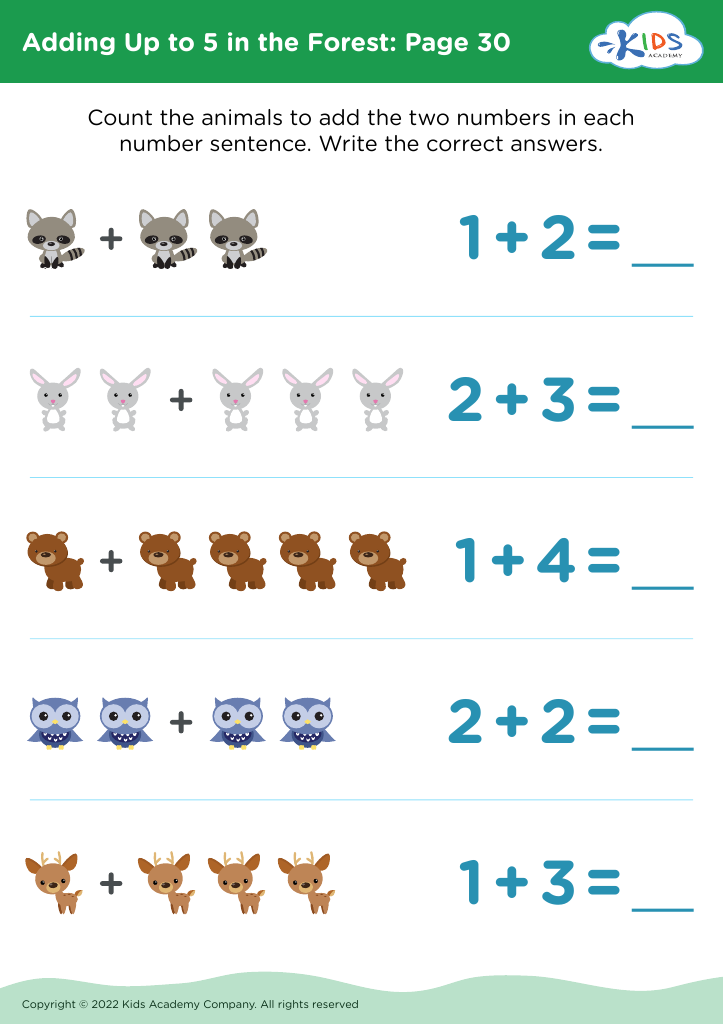
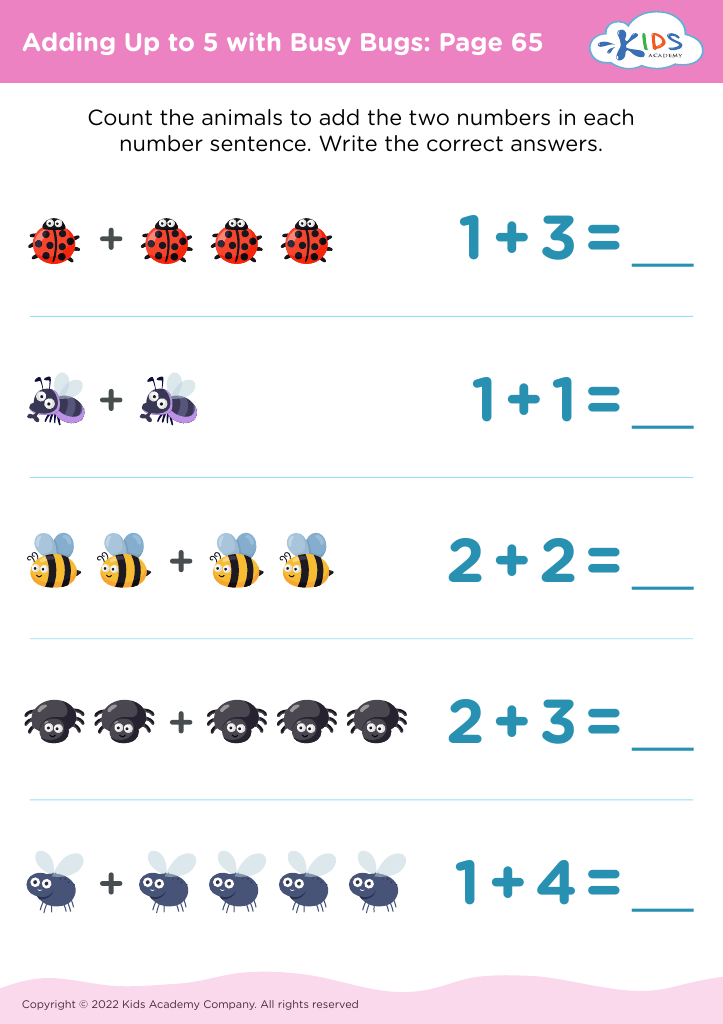
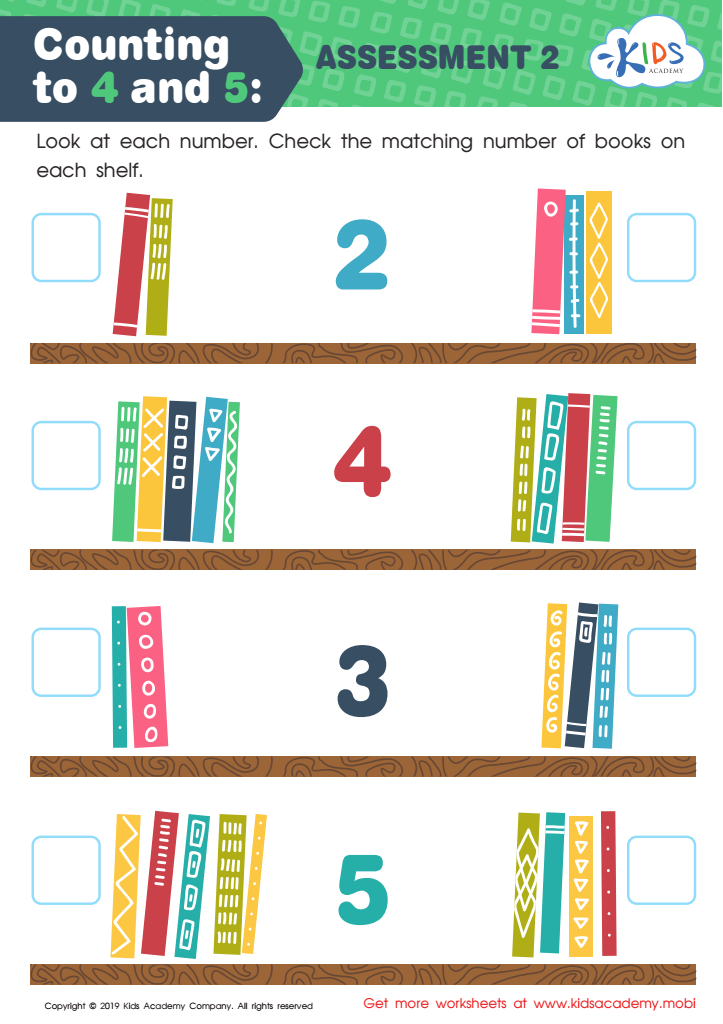
Counting to 4 and 5: Assessment 2 Worksheet








Fine motor skills are crucial for young children, especially for those aged 5-6. These skills, which involve the use of small muscles in the hands and fingers, play a vital role in writing and other essential tasks. Developing fine motor skills is important because they lay the foundation for handwriting, which impacts a child’s ability to express their thoughts and ideas clearly on paper.
When children engage in writing activities, they enhance their coordination, hand strength, and dexterity, all of which are integral to their reading and writing success. Moreover, the fine motor skills developed through writing also benefit math activities. Many math concepts at this age involve manipulating objects, drawing shapes, and creating patterns, all of which require precise hand movements.
Parents and teachers should care about these skills because they are linked to a child’s overall academic performance and confidence. Mastery of fine motor skills leads to increased independence in classroom activities and everyday tasks, reinforcing a child’s self-esteem. Investing time in activities that promote fine motor development—in writing or math—can provide long-term benefits, encouraging a love for learning that transcends mere academics and nurtures creativity and problem-solving abilities.








