Following instructions Math Worksheets for Ages 5-6 - Page 2
27 filtered results
-
From - To
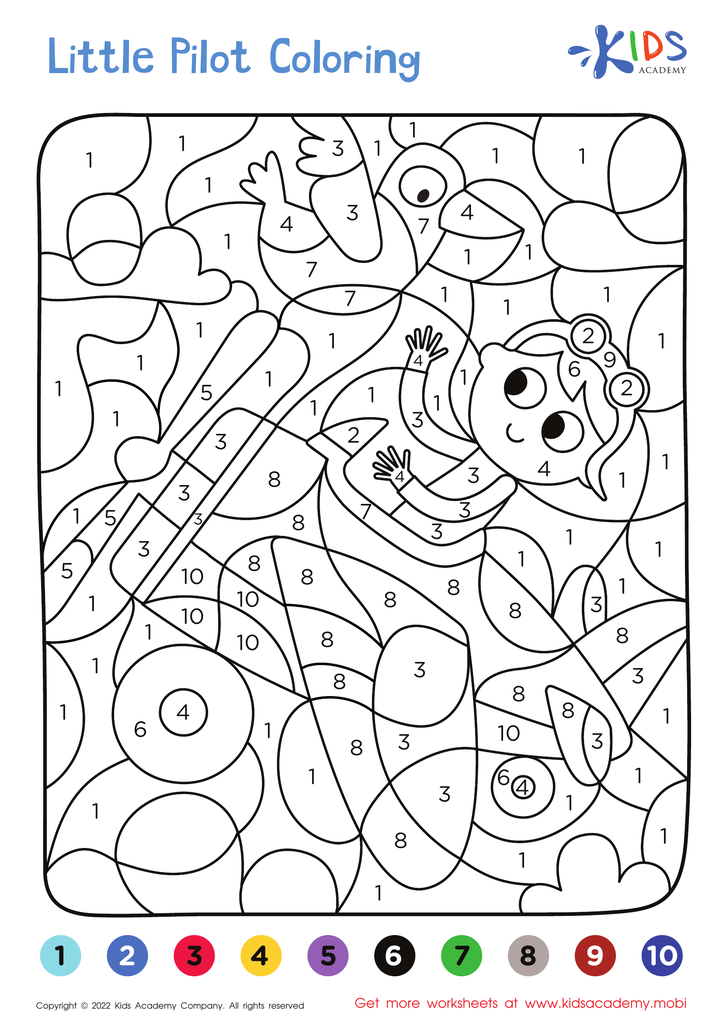
Little Pilot – Coloring by Numbers
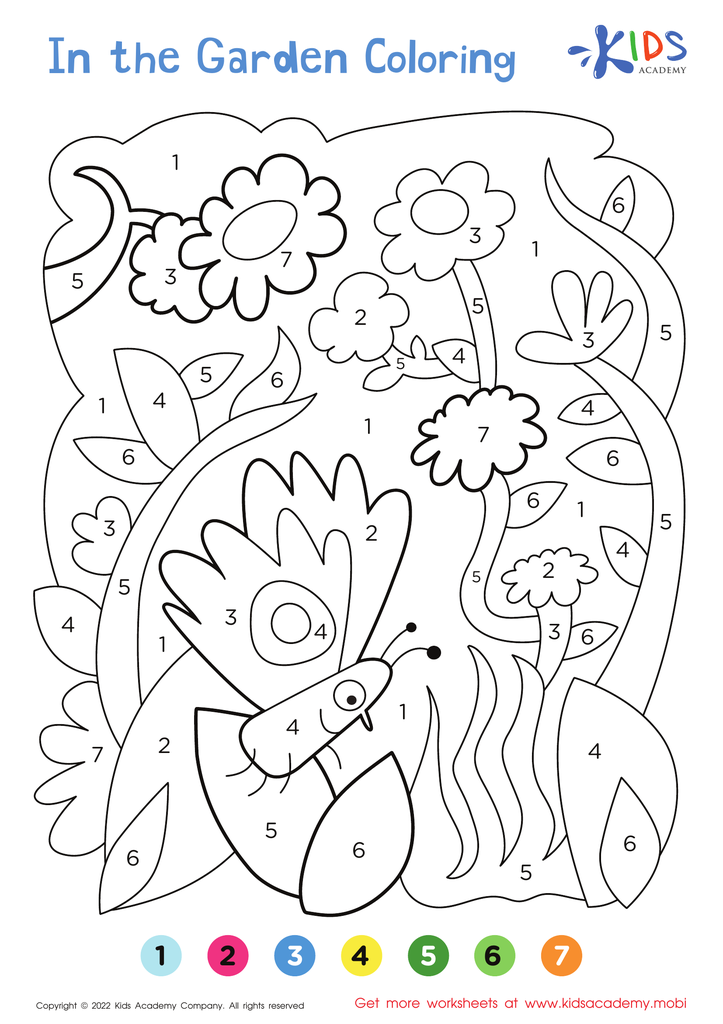
In the Garden – Coloring by Numbers
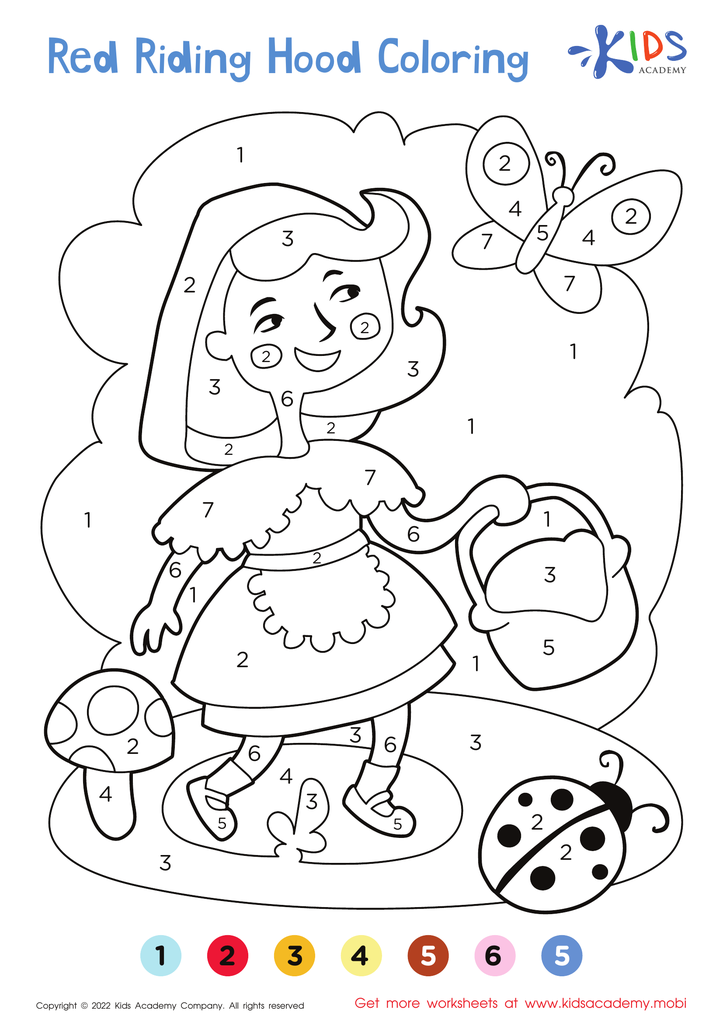
Little Red Riding Hood – Coloring by Numbers








Following instructions in math is essential for young learners aged 5-6 as it forms the foundation for their future academic success and daily life skills. At this developmental stage, children are learning to comprehend and execute basic tasks, which is critical for their cognitive growth. Mastering the ability to follow step-by-step instructions aids in understanding math concepts like counting, sorting, and basic geometry, which are fundamental to more complex problem-solving later on.
Teachers and parents play a crucial role in guiding children through these early math experiences. When instructions are followed carefully, it fosters a sense of order and discipline, helping children understand the importance of sequencing and logical thinking. This not only boosts their math skills but also improves their listening abilities, enhances concentration, and encourages independence.
Furthermore, the ability to follow instructions is a transferable skill that benefits other areas of learning and daily routines. For example, whether adhering to rules in a game or completing a chore, being able to follow projected steps with precision builds confidence and encourages a positive attitude towards challenges. Hence, supporting children in practicing and perfecting this skill early on sets a precedence for academic rigor and operational effectiveness in both their schooling and everyday activities.








