Number identification Math Worksheets for Ages 5-6
8 filtered results
-
From - To
Our Number Identification Math Worksheets for Ages 5-6 are designed to help young learners recognize and understand numbers through engaging activities. These worksheets focus on developing critical learning skills like counting, sequencing, and number writing. Each worksheet is crafted by educational experts to make learning fun and effective, incorporating colorful illustrations and interactive exercises. Ideal for kindergarten and first-grade students, these resources support classroom lessons and at-home practice. Let your child build a strong foundation in math with our expertly designed worksheets that make number identification a joyful and rewarding experience. Perfect for parents and teachers alike!
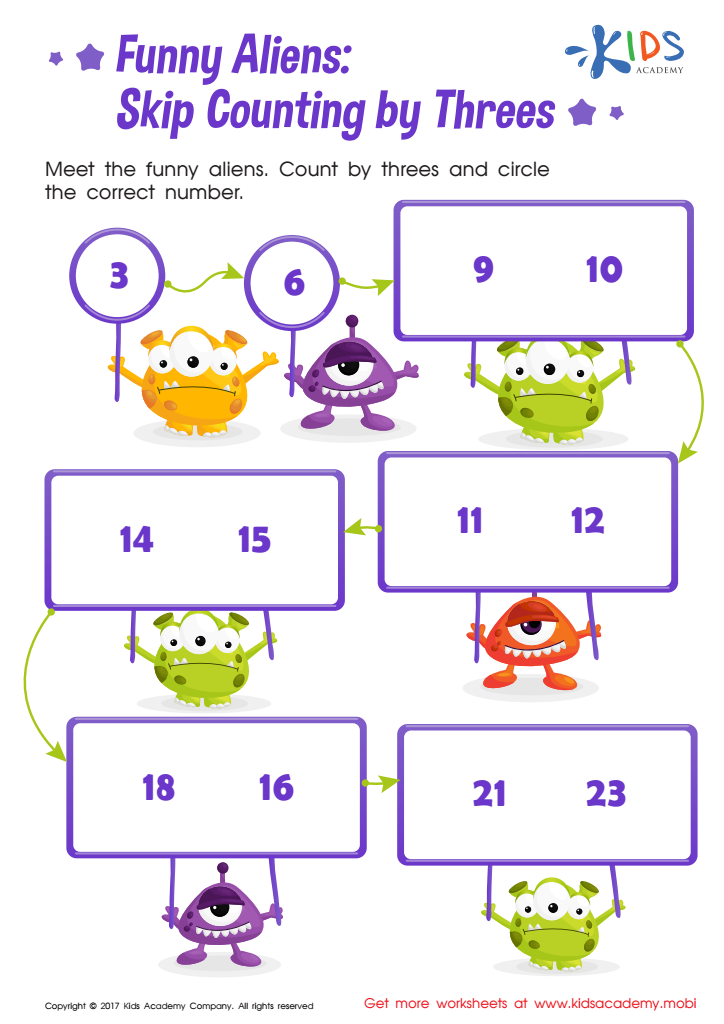
Skip Counting by 3s: Funny Aliens Printable
 Assign to My Students
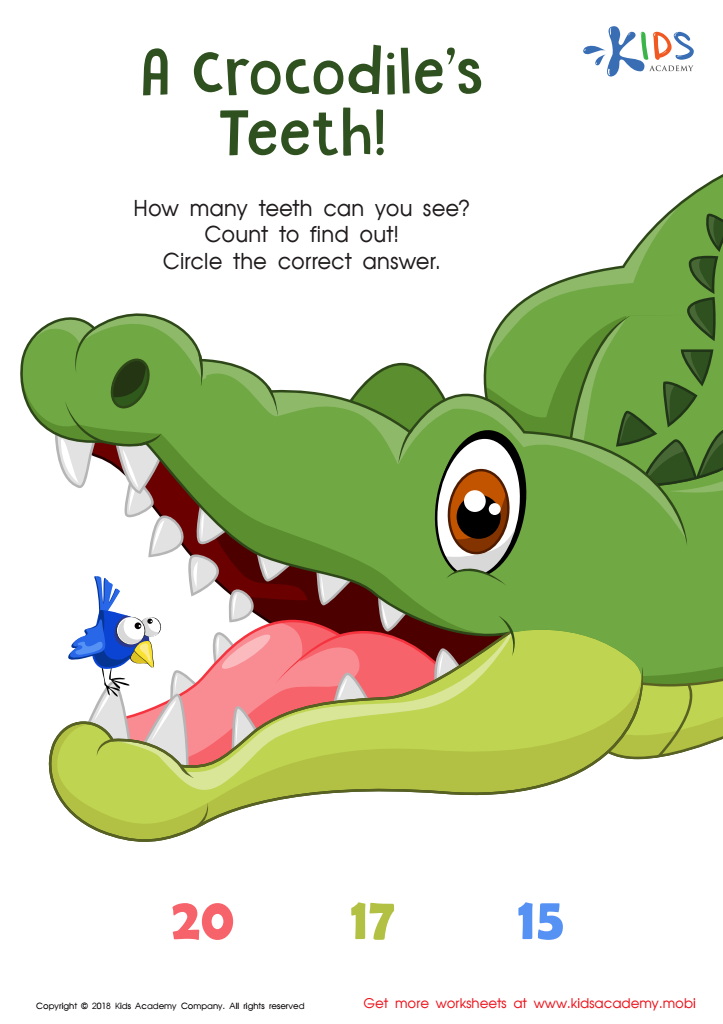
A Crocodile's Teeth Worksheet
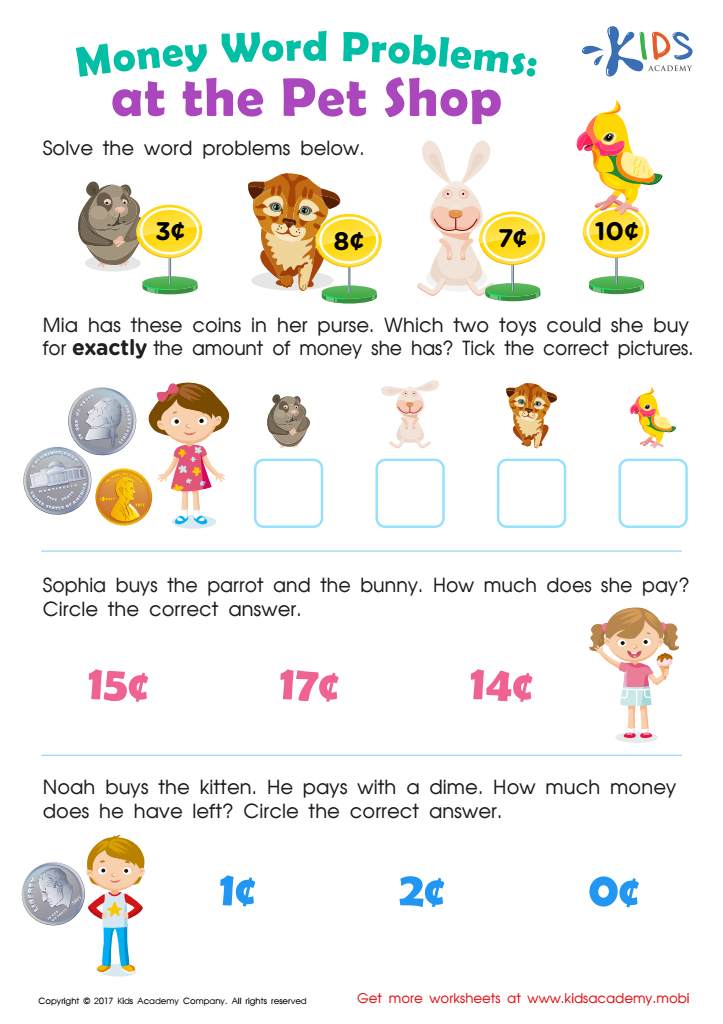
Pet Shop Worksheet
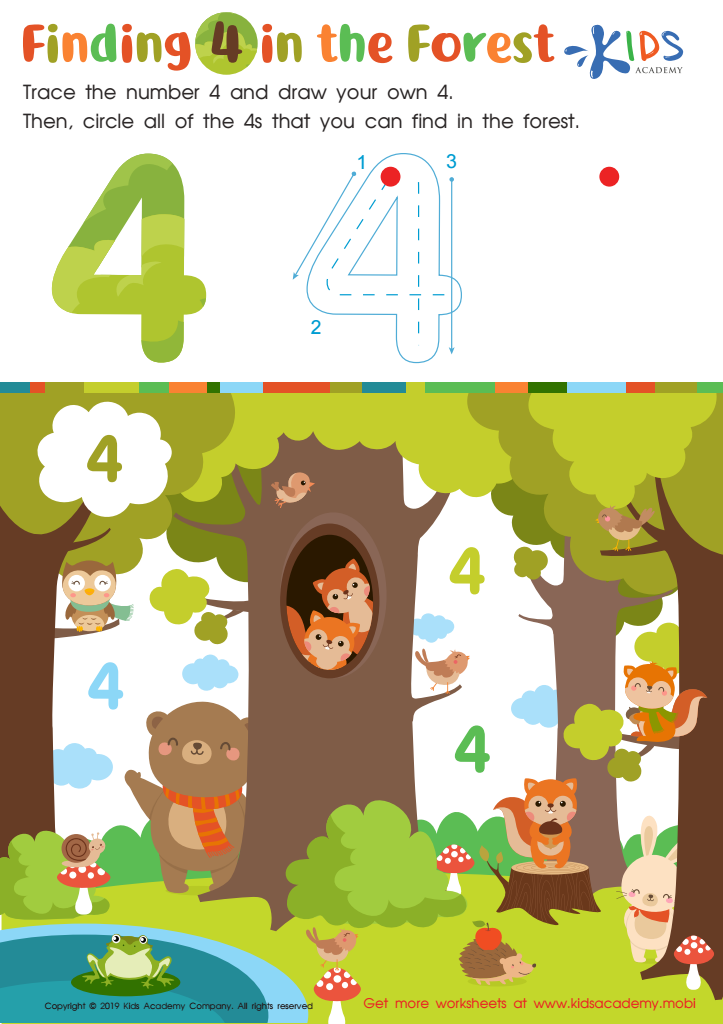
Finding 4 in the Forest Worksheet
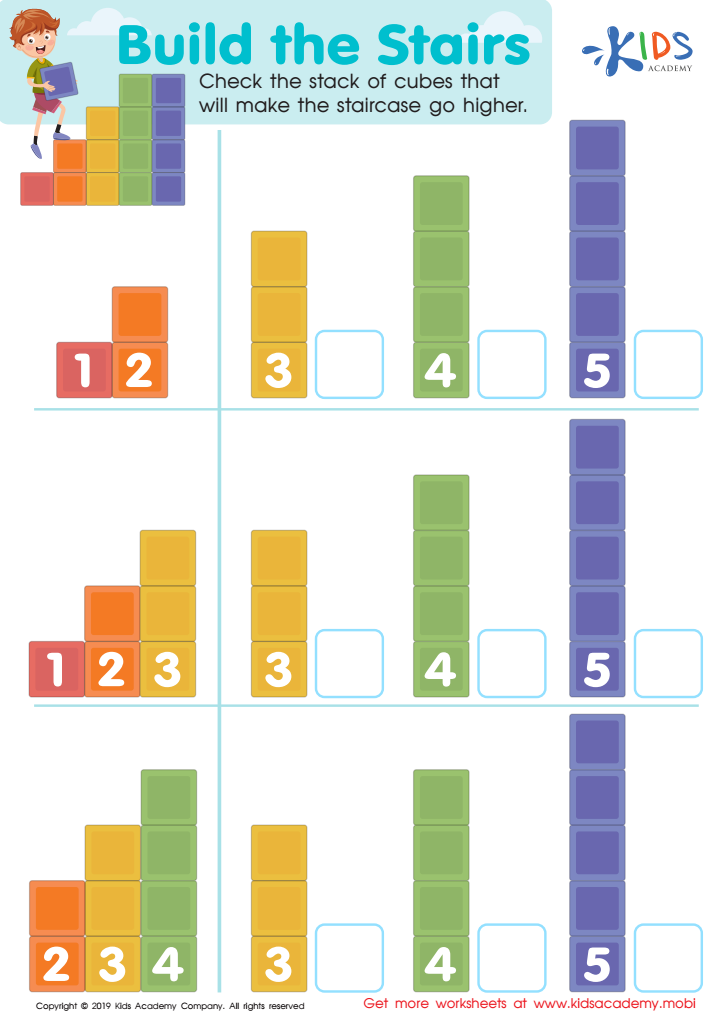
Build the Stairs Worksheet
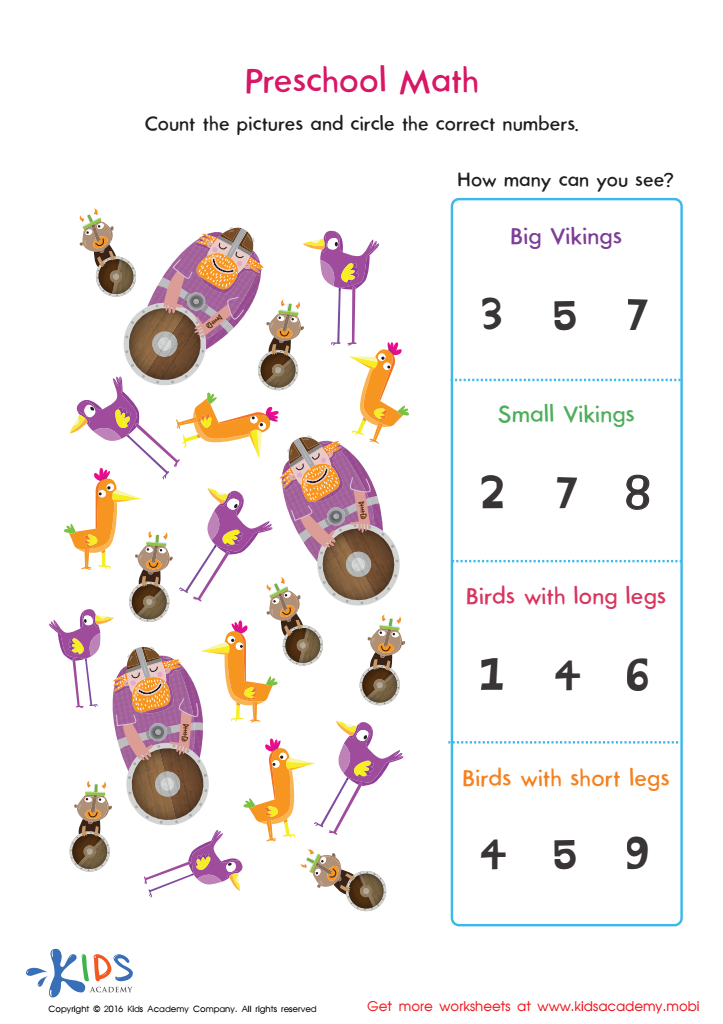
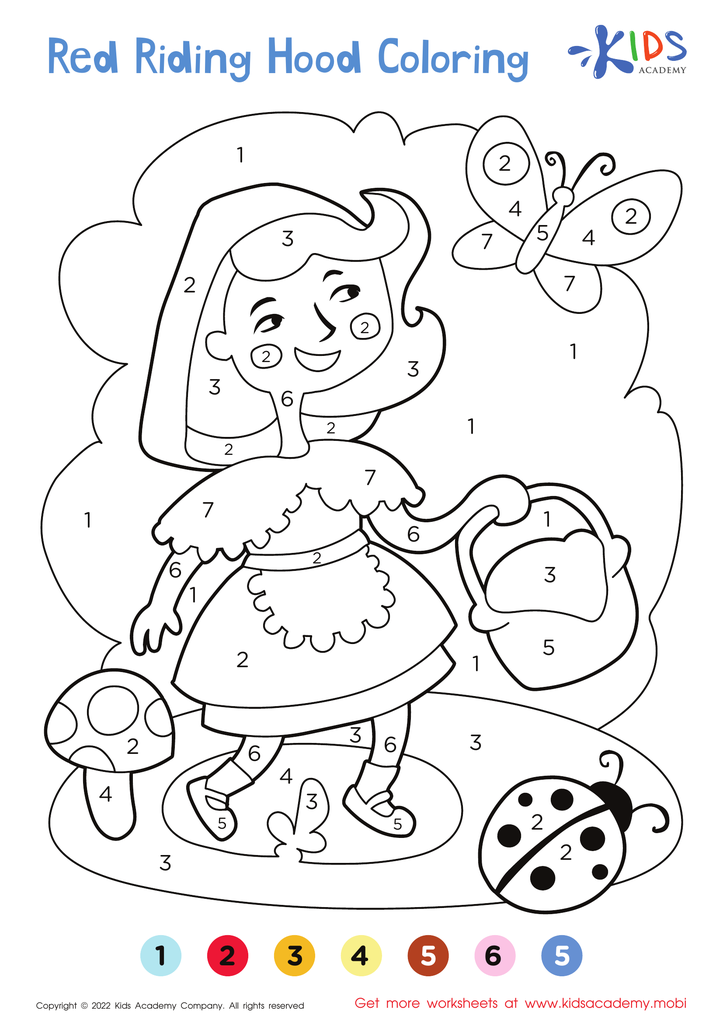
Little Red Riding Hood – Coloring by Numbers






Number identification is a foundational skill that parents and teachers should emphasize when educating children aged 5-6. This early math ability is crucial for a child's future academic success in a range of subjects, not just mathematics. When children can recognize and identify numbers, they gain confidence in handling more complex mathematical concepts later, such as addition, subtraction, and beyond.
At this developmental stage, children are in the prime period for cognitive growth when it comes to understanding basic numeracy. They are learning not only to see numbers as symbols but to associate them with quantities and real-world objects. This understanding aids everyday tasks such as counting apples, recognizing time, or determining their place in a line.
Beyond academics, early number identification also enhances critical thinking and problem-solving skills. When children can identify numbers, they can engage in simple tasks independently, gaining a sense of achievement and self-efficacy. Parents and teachers can use games, songs, and hands-on activities to make learning numbers fun and interactive, ensuring that kids stay engaged.
Moreover, fostering number identification skills at an early age sets the stage for a positive relationship with learning as a whole. It encourages curiosity and a willingness to approach other subjects with the same eagerness. In essence, it's an investment in a child's educational journey, promoting lifelong learning and intellectual development.








