Problem-solving abilities Math Worksheets for Ages 5-6 - Page 2
38 filtered results
-
From - To
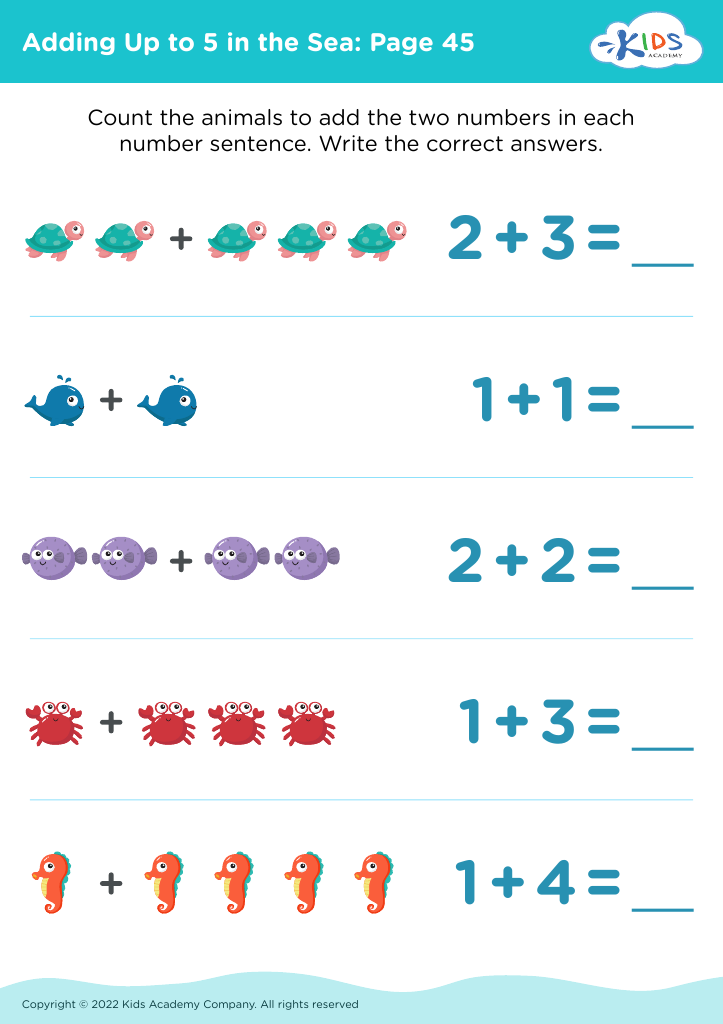
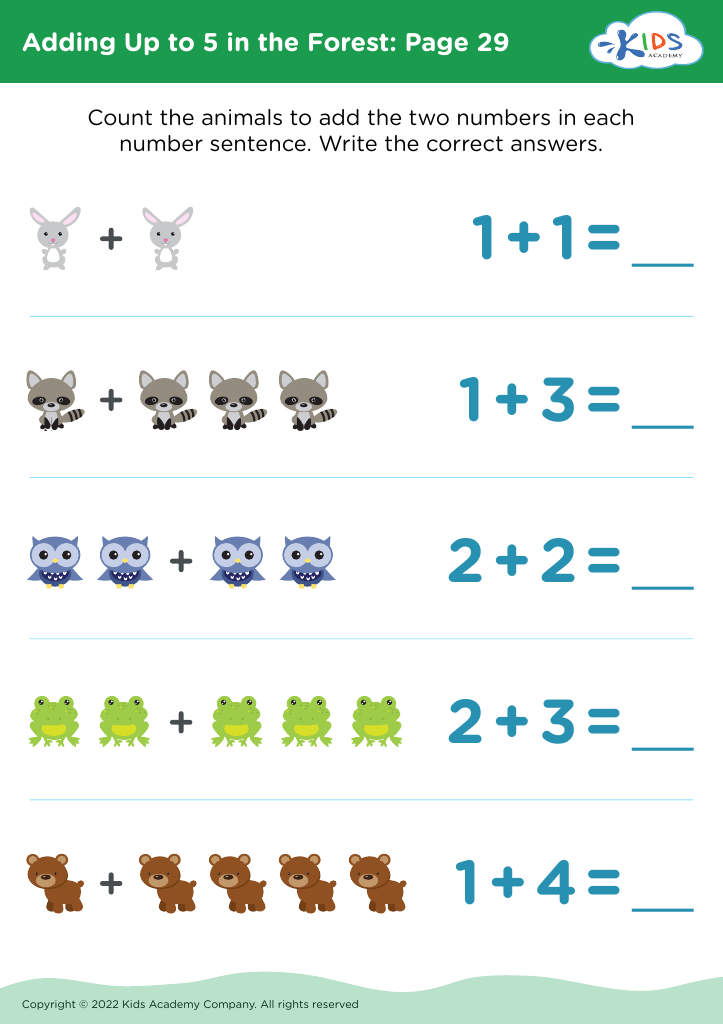
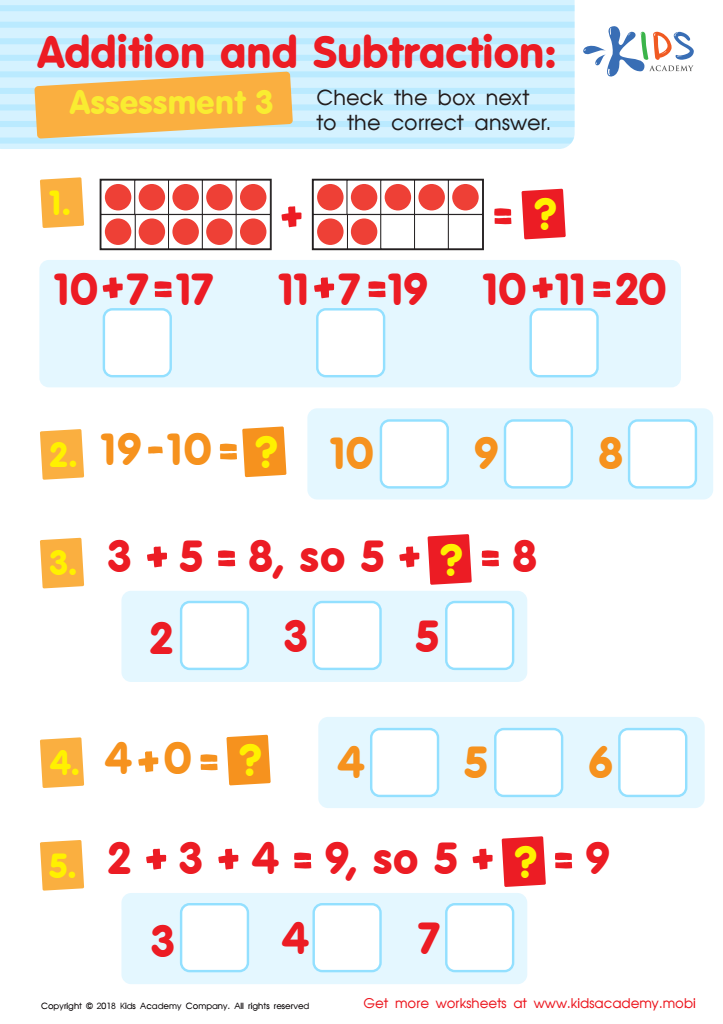
Addition and Subtraction Assessment 3 Worksheet
 Assign to My Students

Sweet Shop – Counting Coins Worksheet
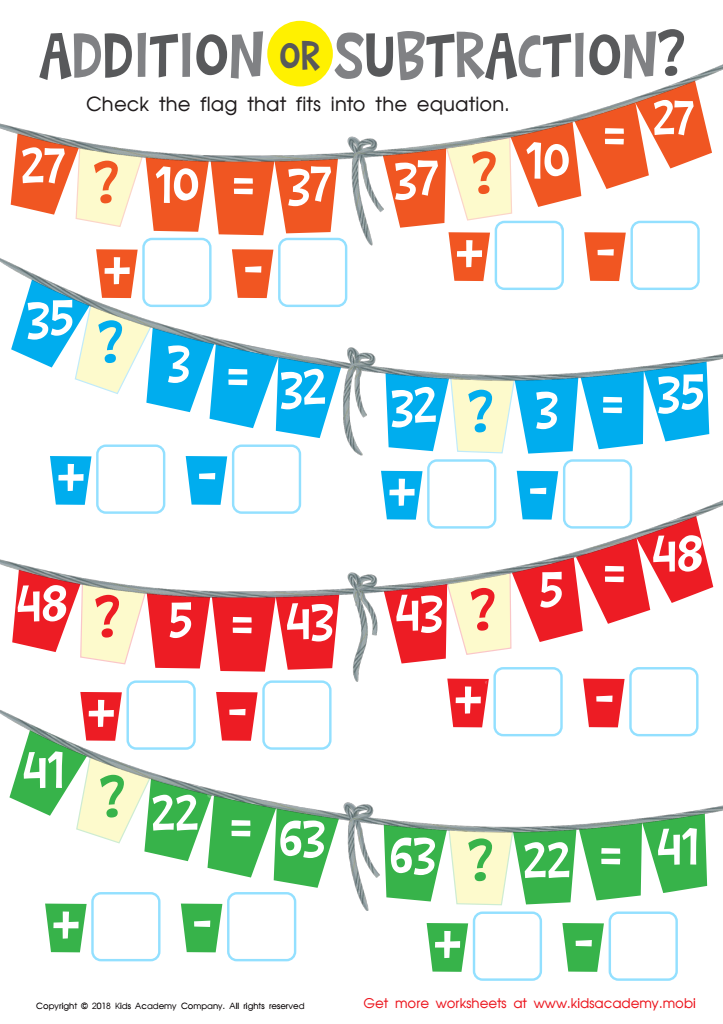
Addition or Subtraction? Worksheet
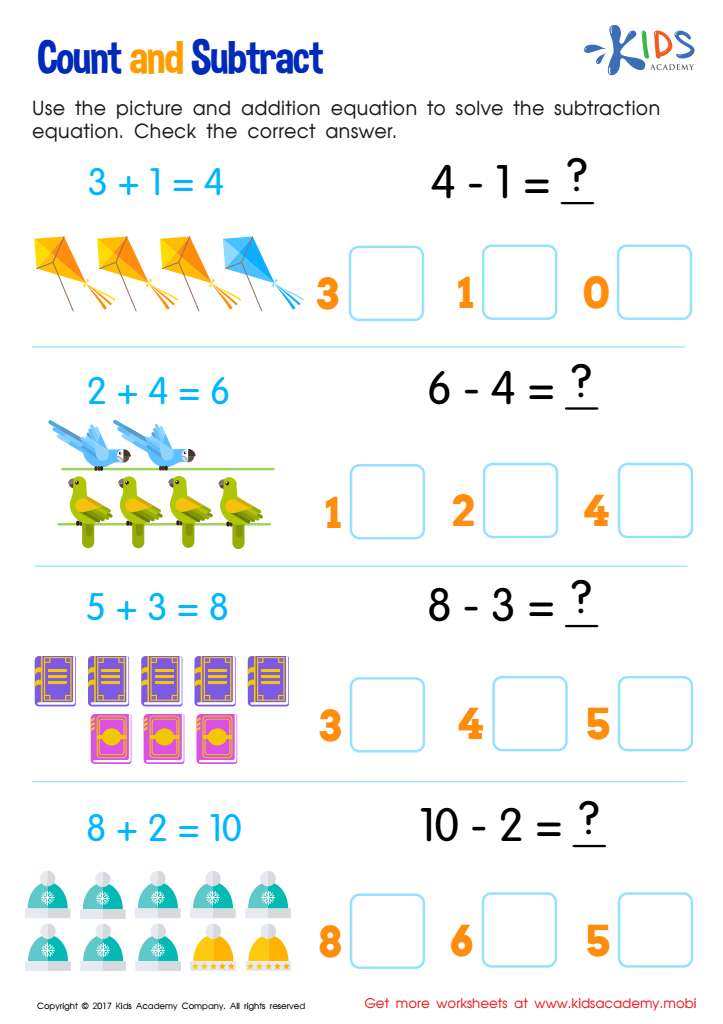
Count and Subtract Worksheet
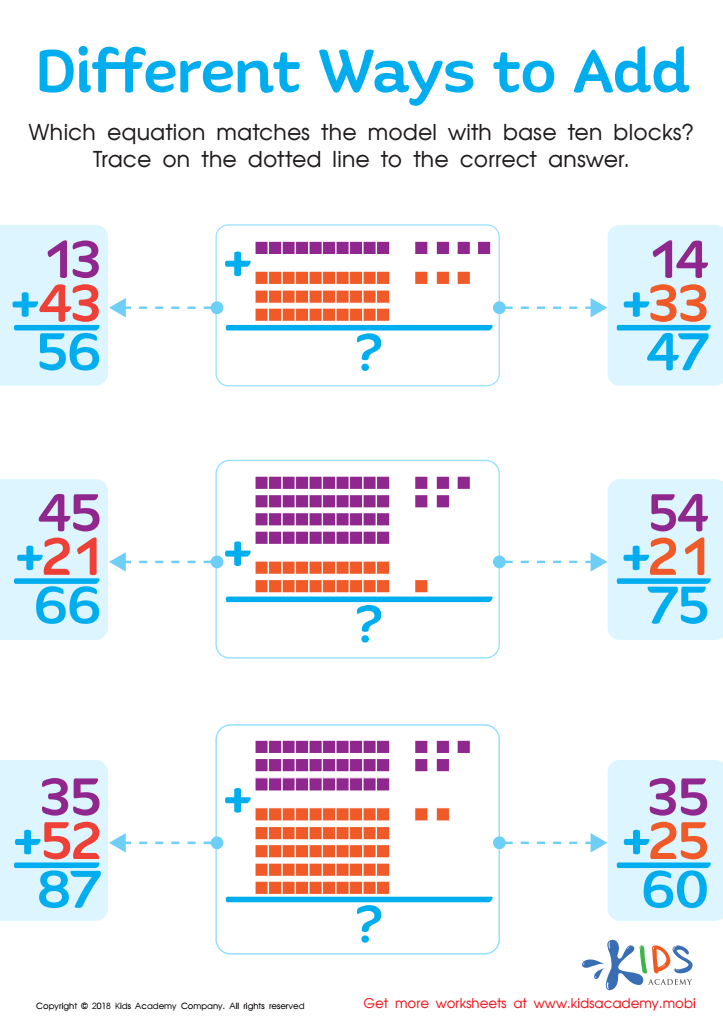
Different Ways to Add Worksheet
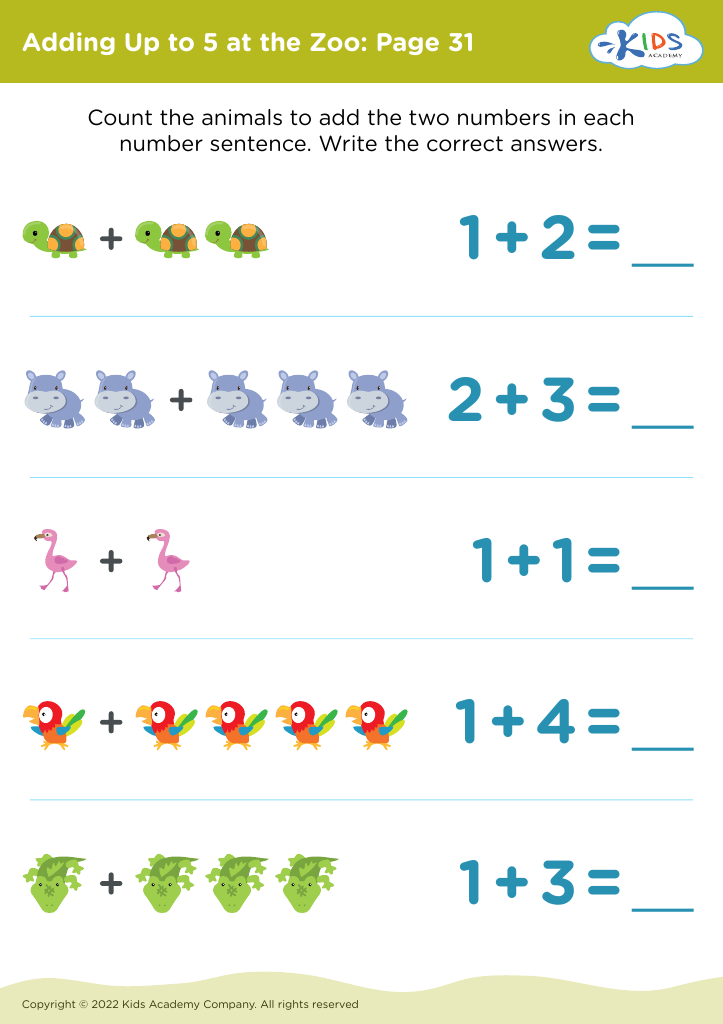

Sudoku Worksheet
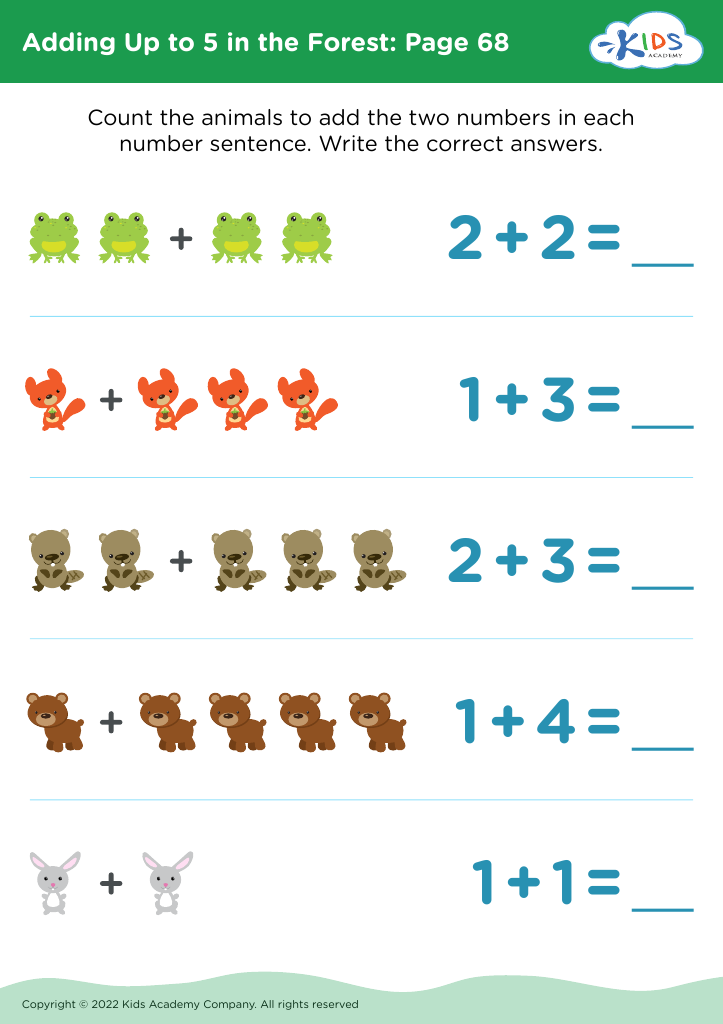
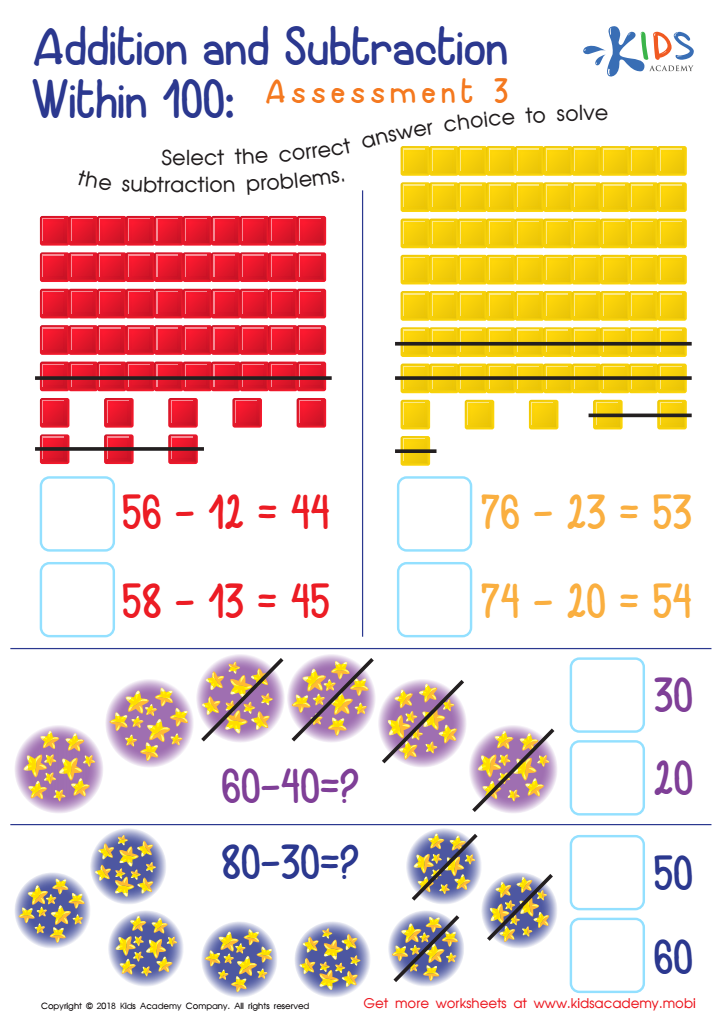
Addition and Subtraction Within 1: Assessment 3 Worksheet
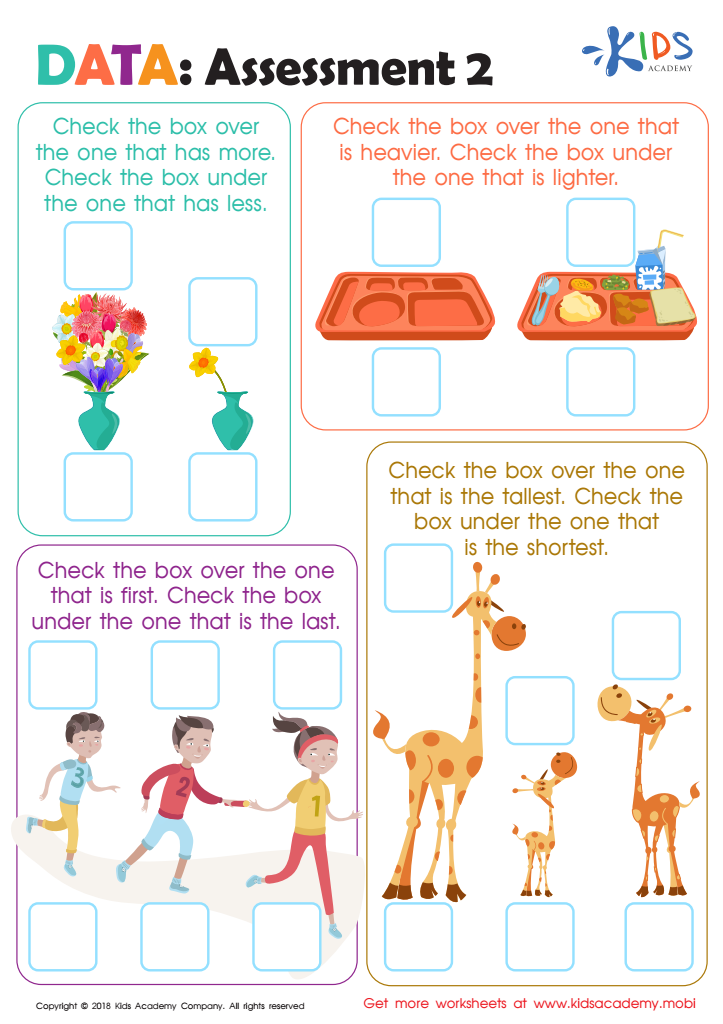
Data: Assessment 2 Worksheet
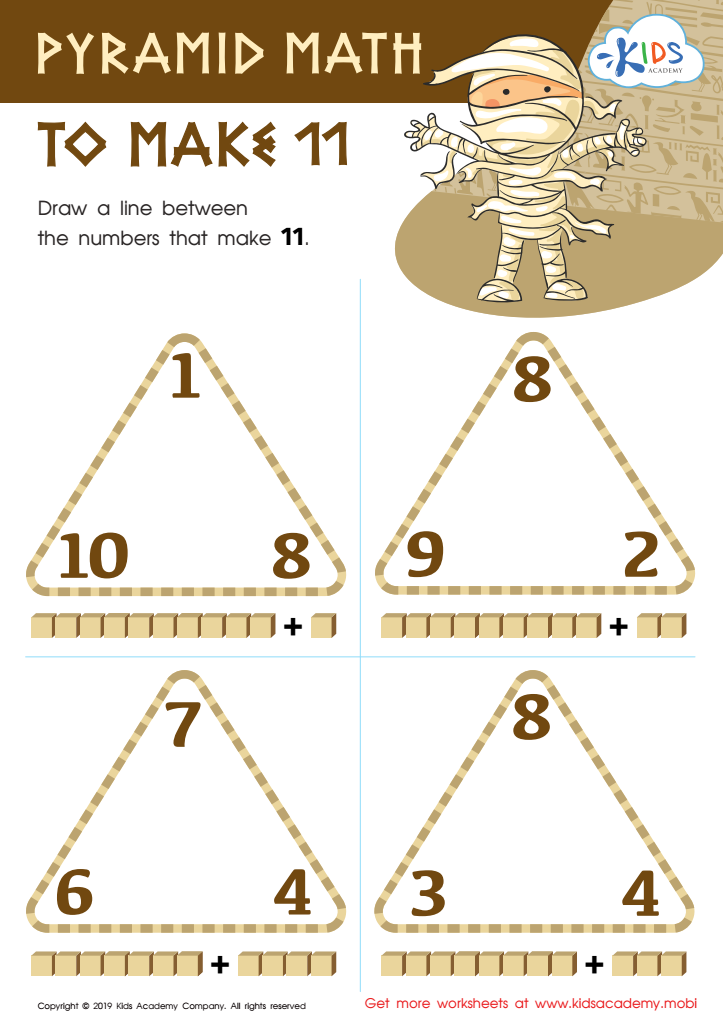
Pyramid Math to Make 11 Worksheet
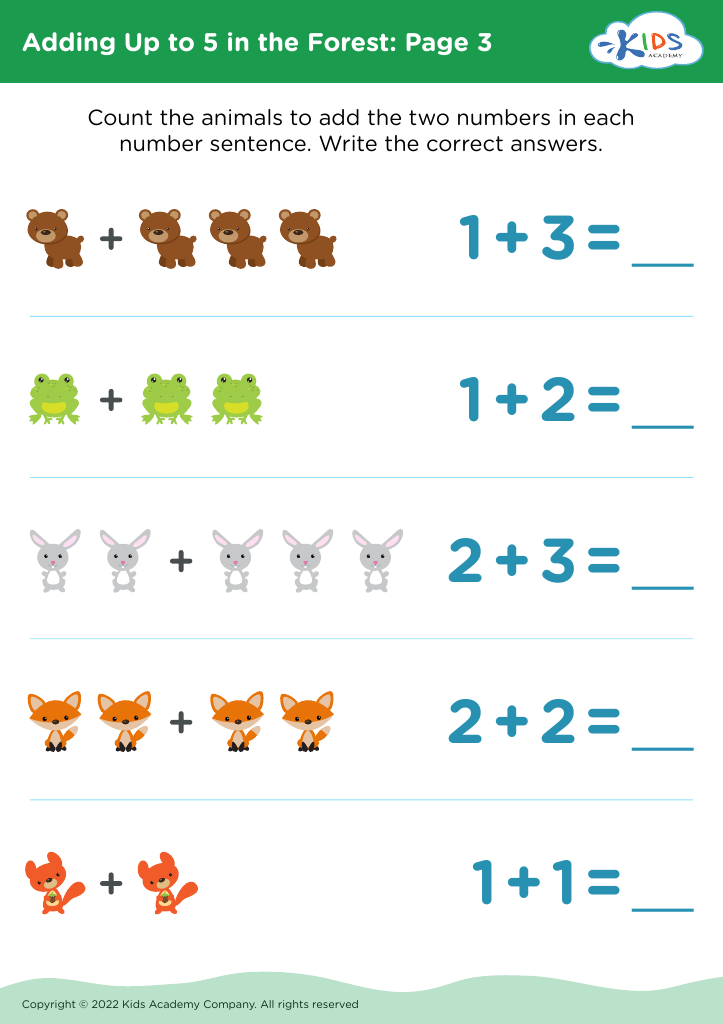








Problem-solving abilities in math are foundational for children aged 5-6, offering numerous benefits that impact their overall development and future learning. At this tender age, developing problem-solving skills in math fosters critical thinking, logical reasoning, and the ability to make connections between different concepts. These skills are not just limited to academics but have far-reaching implications on how children approach everyday challenges and decision-making.
From an educational standpoint, being proficient in problem-solving sets a solid groundwork for more complex math concepts they will encounter in higher grades. It encourages a sense of curiosity and exploration, driving them to inquire, experiment, and understand the ‘why’ and ‘how’ of math problems instead of just the ‘what.’ This cultivates a growth mindset where mistakes are viewed as learning opportunities, helping children become resilient and persistent learners.
For parents and teachers, fostering these skills ensures children gain confidence in their abilities, contributing to better engagement and enjoyment in learning. As children see success in problem-solving, their self-esteem and enthusiasm for learning new concepts grow, creating a positive feedback loop. Thus, prioritizing problem-solving abilities in early math education is crucial, serving as a cornerstone for future academic achievements and everyday life skills.








