Visual perception Math Worksheets for Ages 5-6
52 filtered results
-
From - To
Discover fun and educational Visual Perception Math Worksheets tailored for children aged 5-6 at Kids Academy. Our engaging activities boost critical early math skills by enhancing visual perception and cognitive abilities. Designed by experts, these worksheets feature colorful, interactive exercises that challenge young minds through pattern recognition, sorting, matching, and spatial awareness tasks. Perfect for classrooms or at-home practice, our materials aim to make learning enjoyable while building a solid foundation in math. Help your child develop essential skills and foster a love for learning math with our Visual Perception Worksheets today!
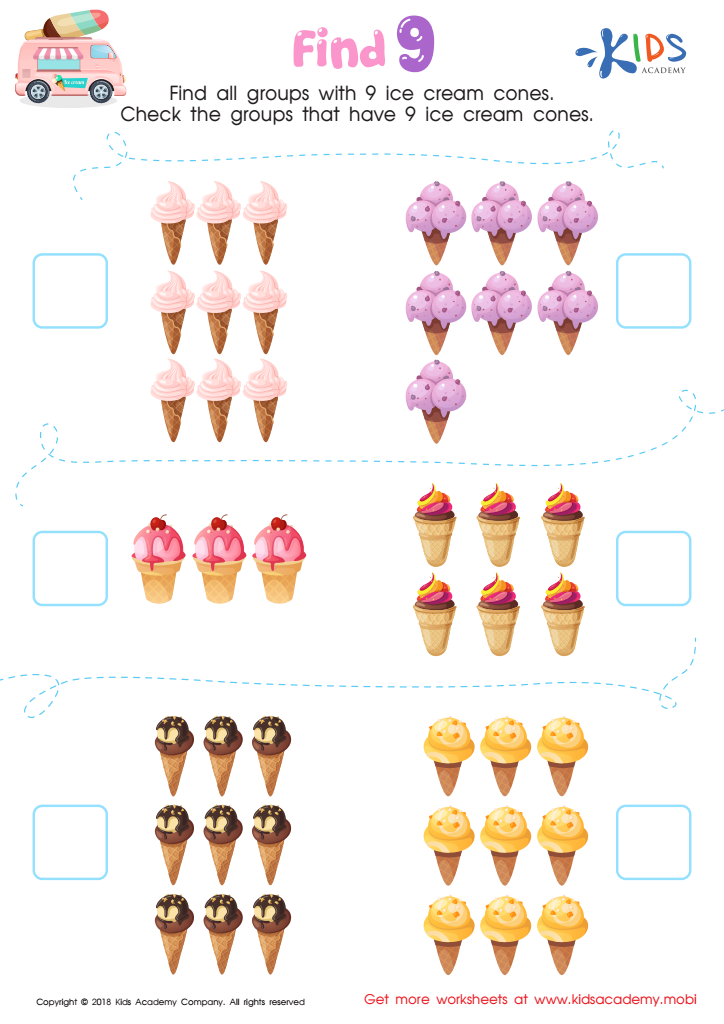
Find 9 Worksheet
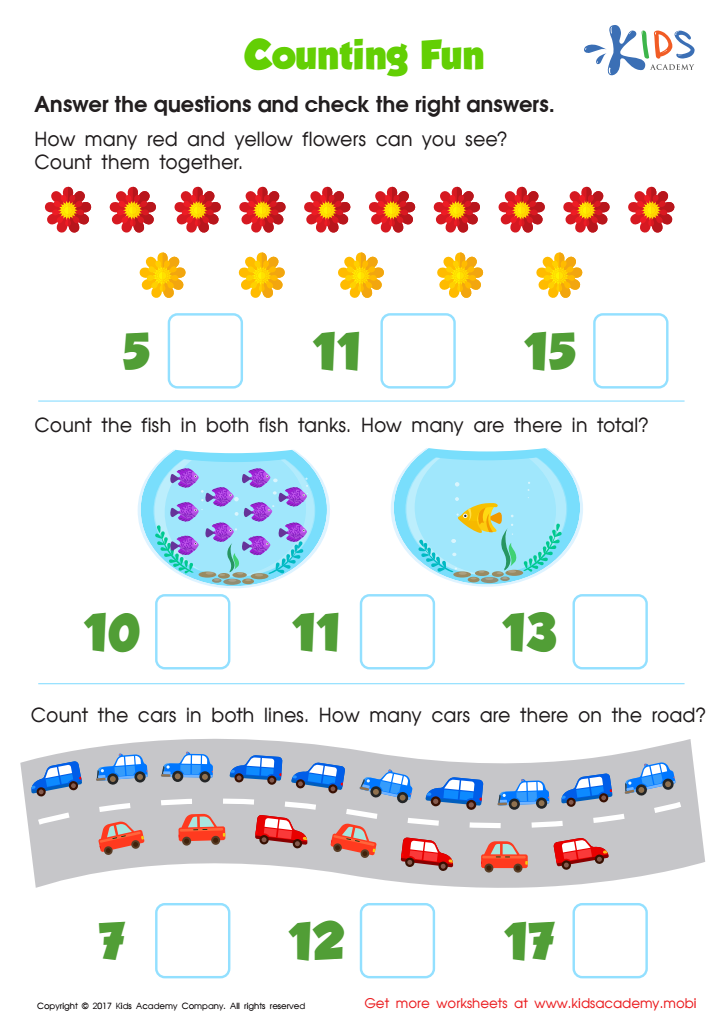
Counting Fun Worksheet
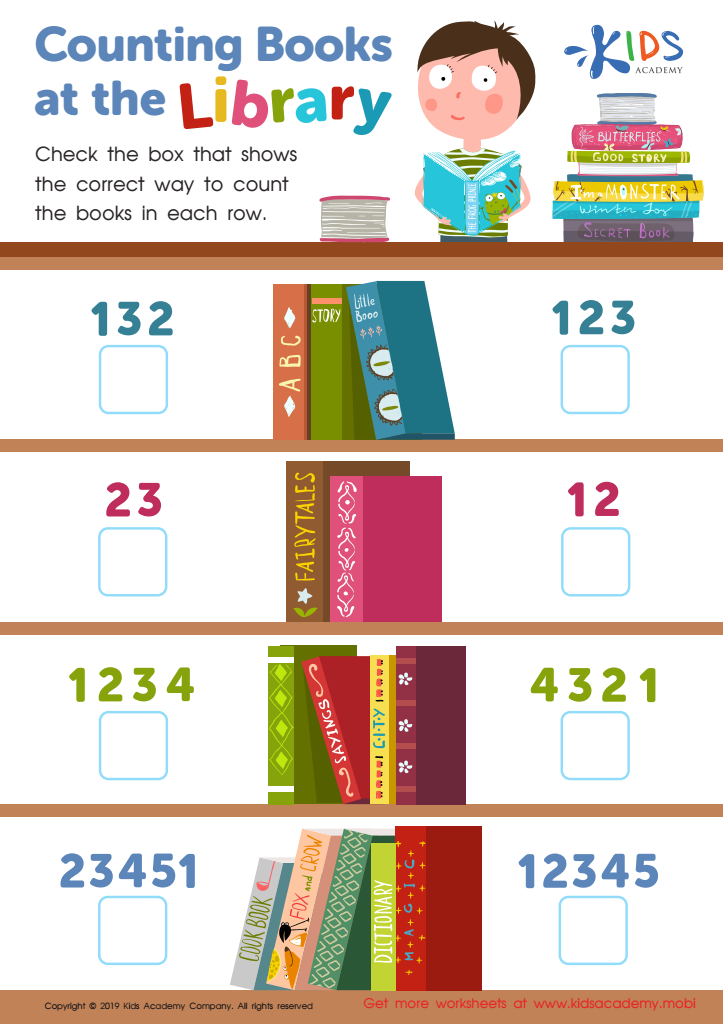
Counting Books at the Library Worksheet
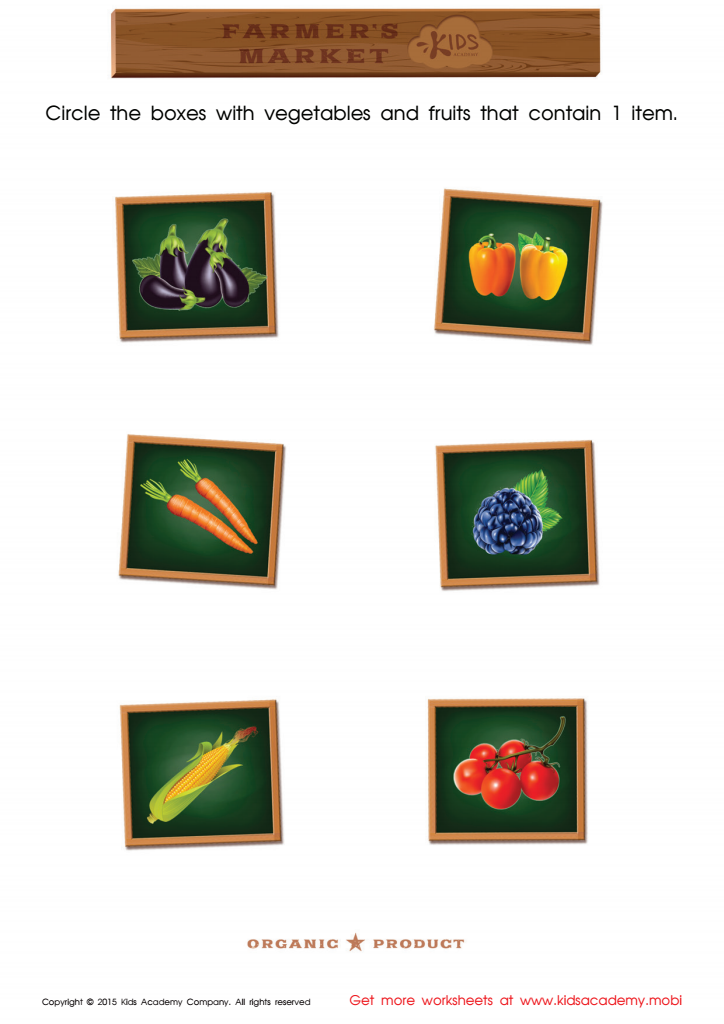
Count and Match Boxes with Vegetables
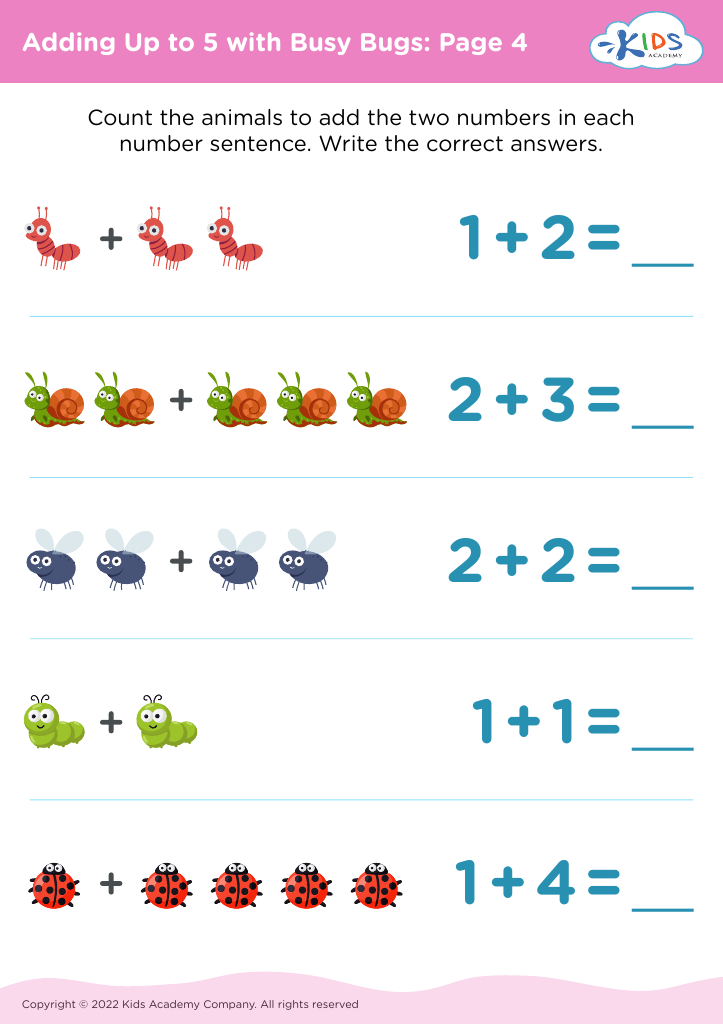
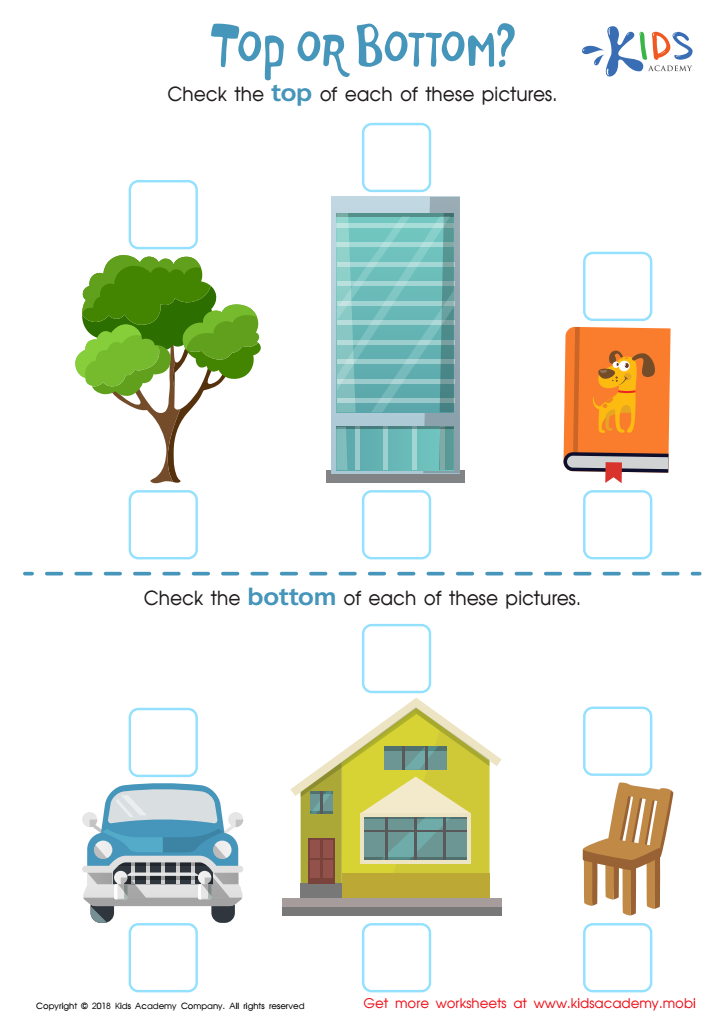
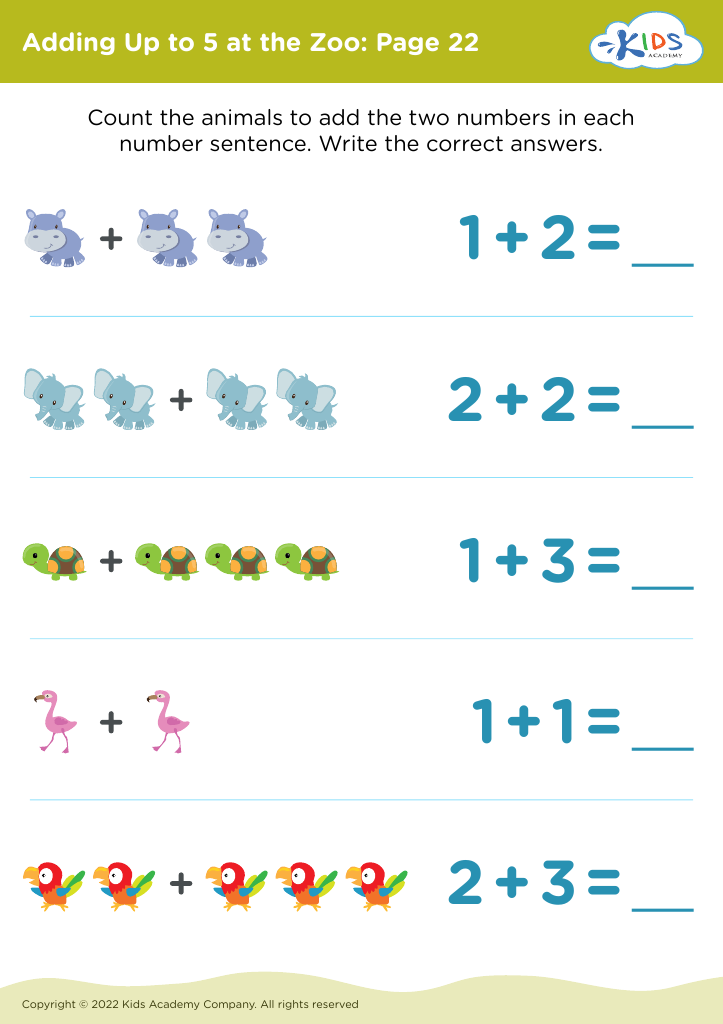
Top or Bottom Worksheet
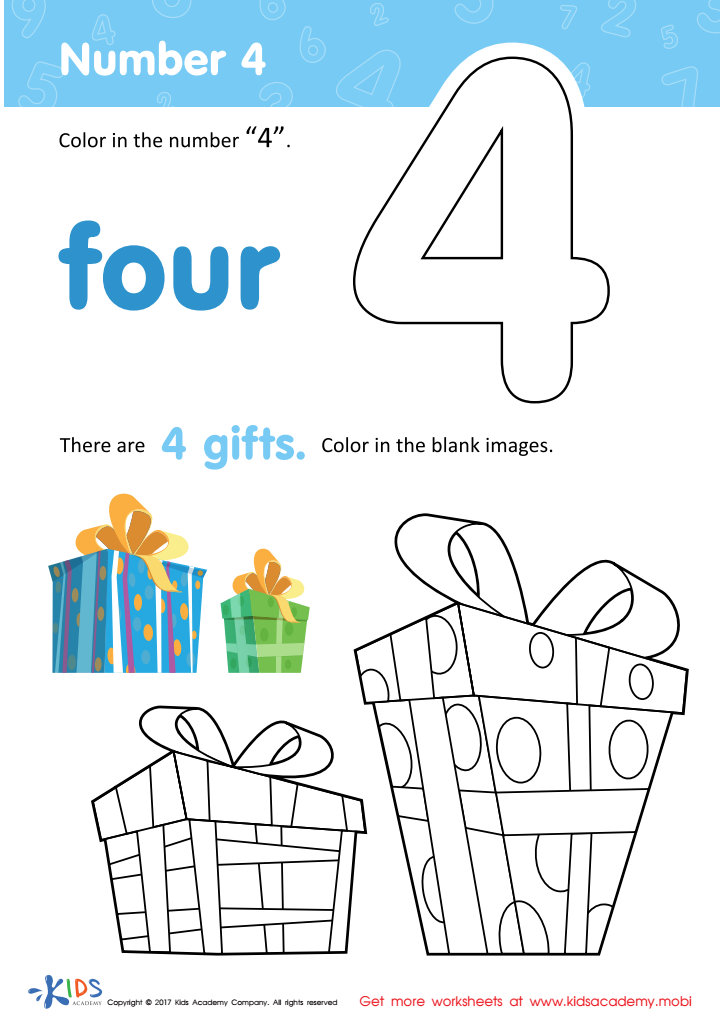
Number 4 Printable
 Assign to My Students
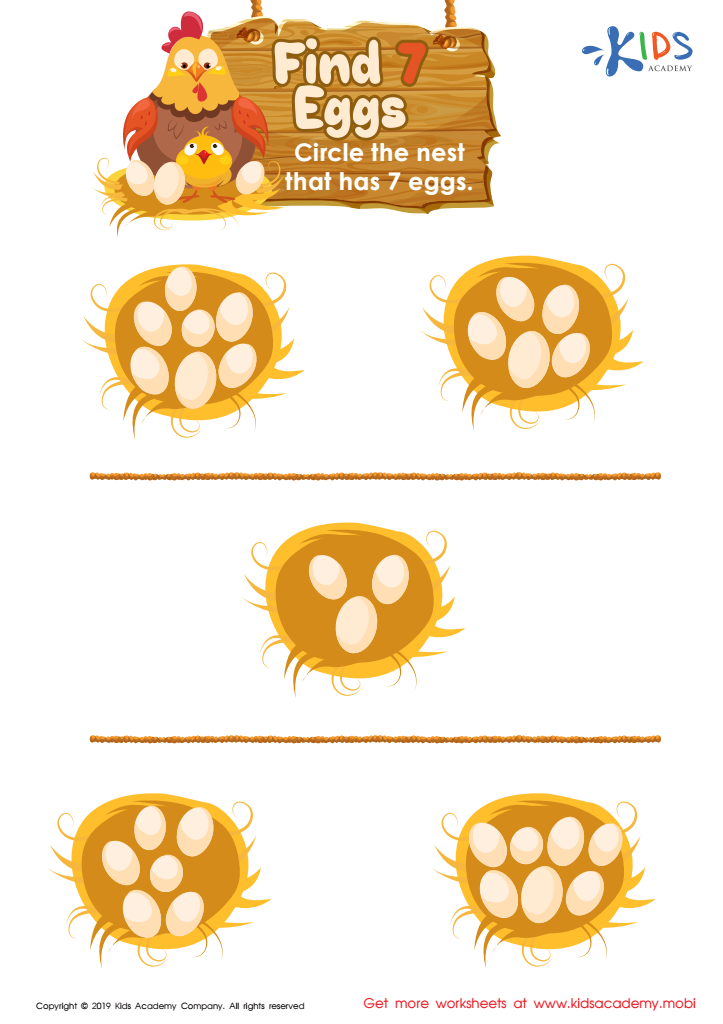
Find 7 Eggs Worksheet
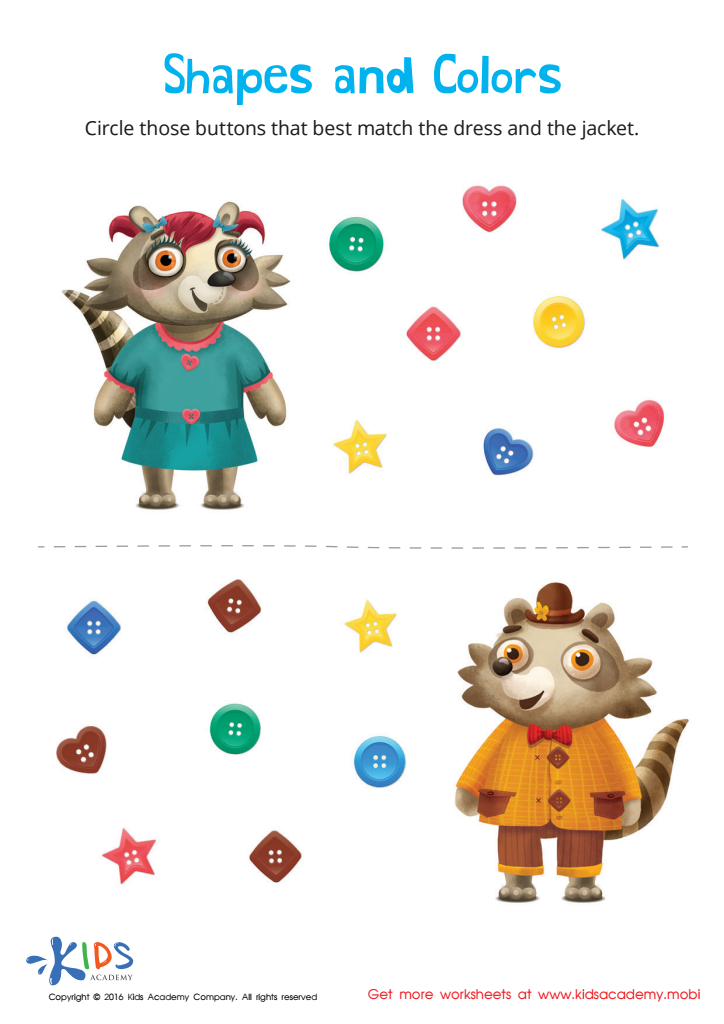
Matching: Shapes and Colors Worksheet
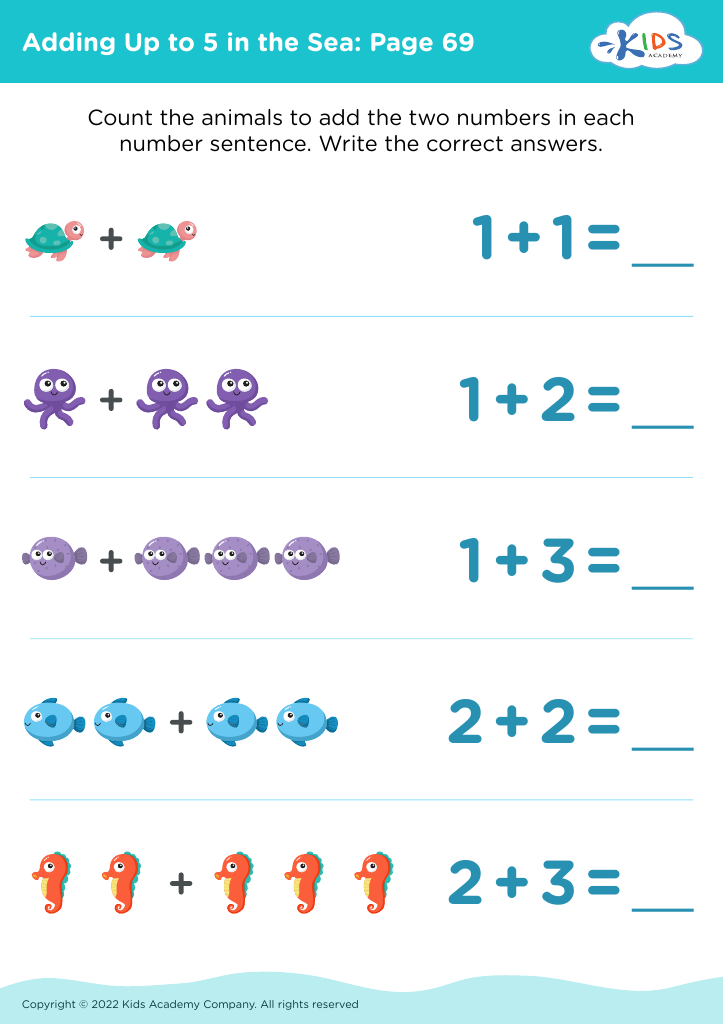
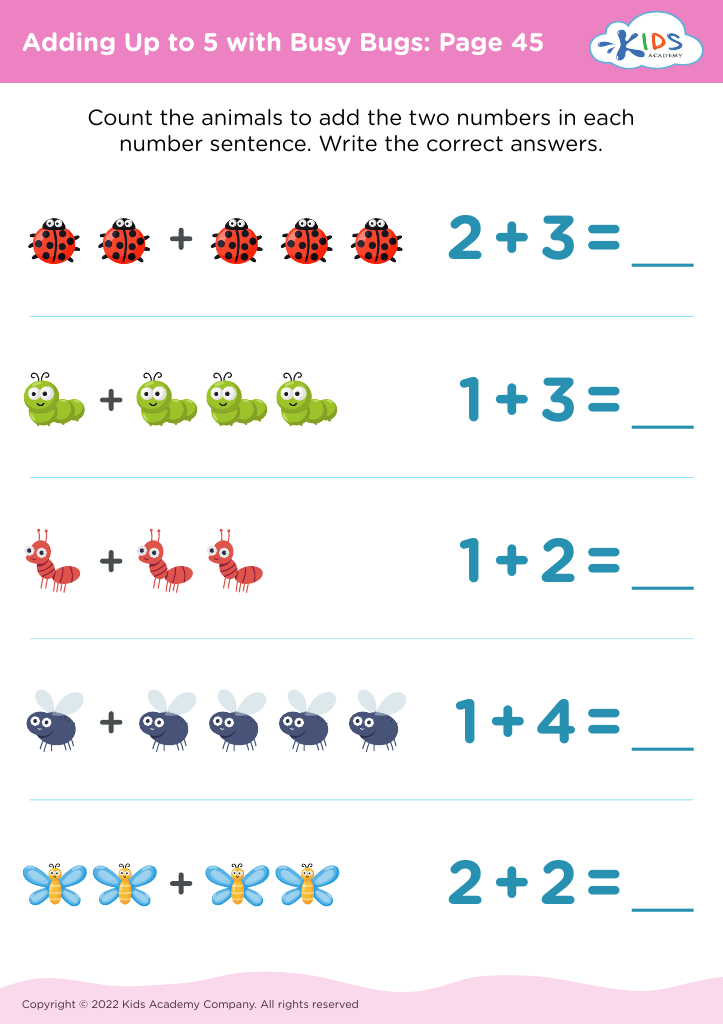
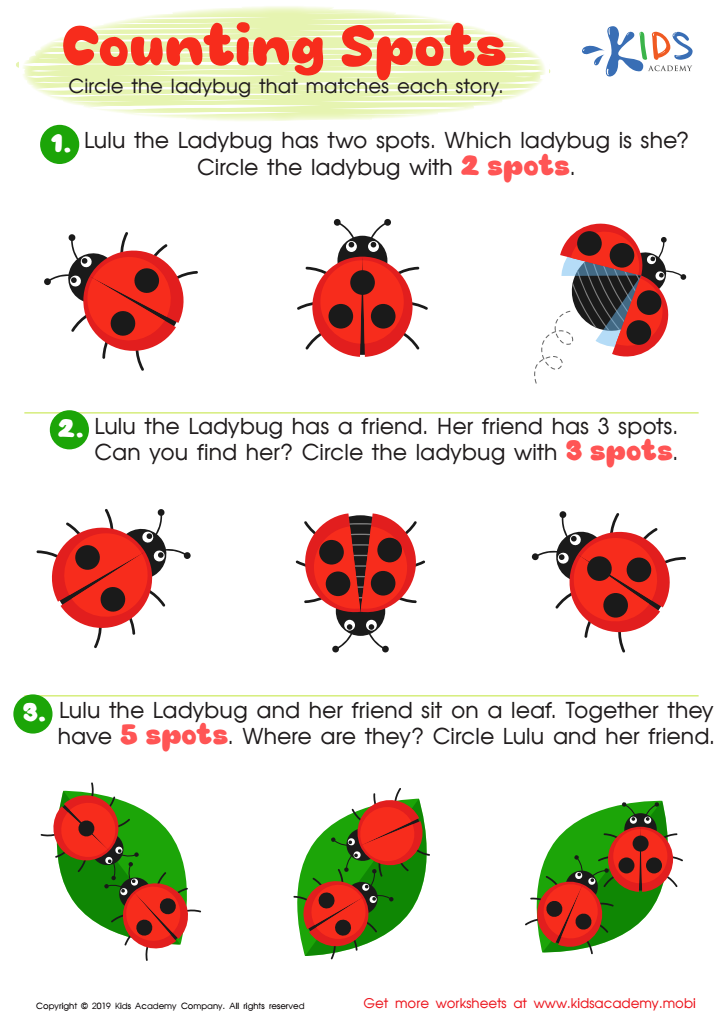
Counting Spots Worksheet
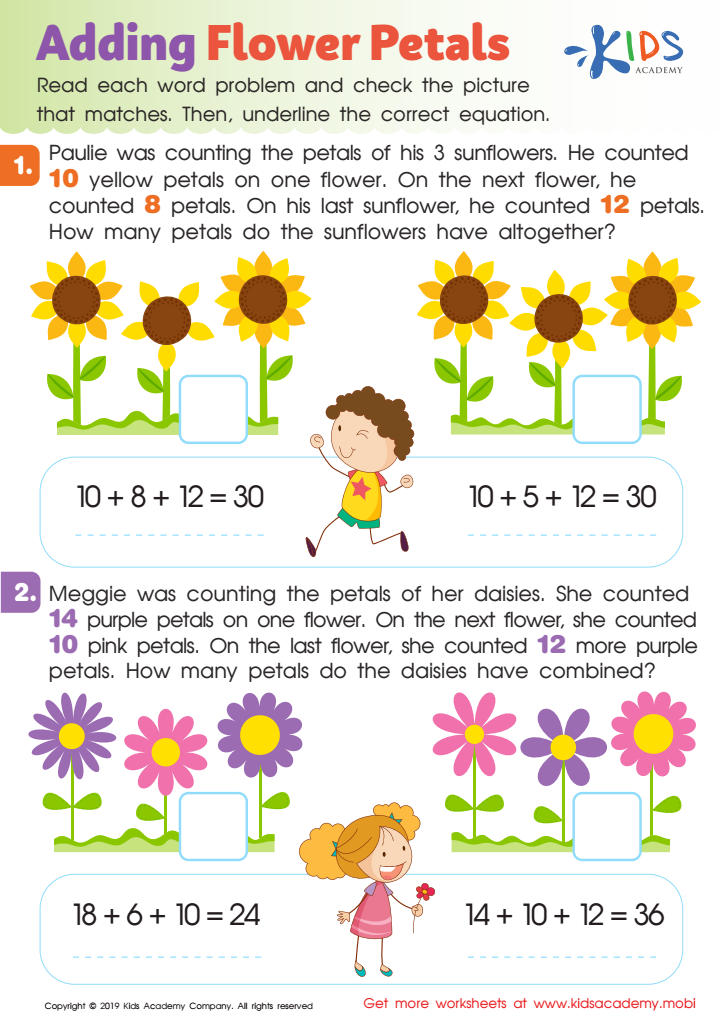
Adding Flower Petals Worksheet
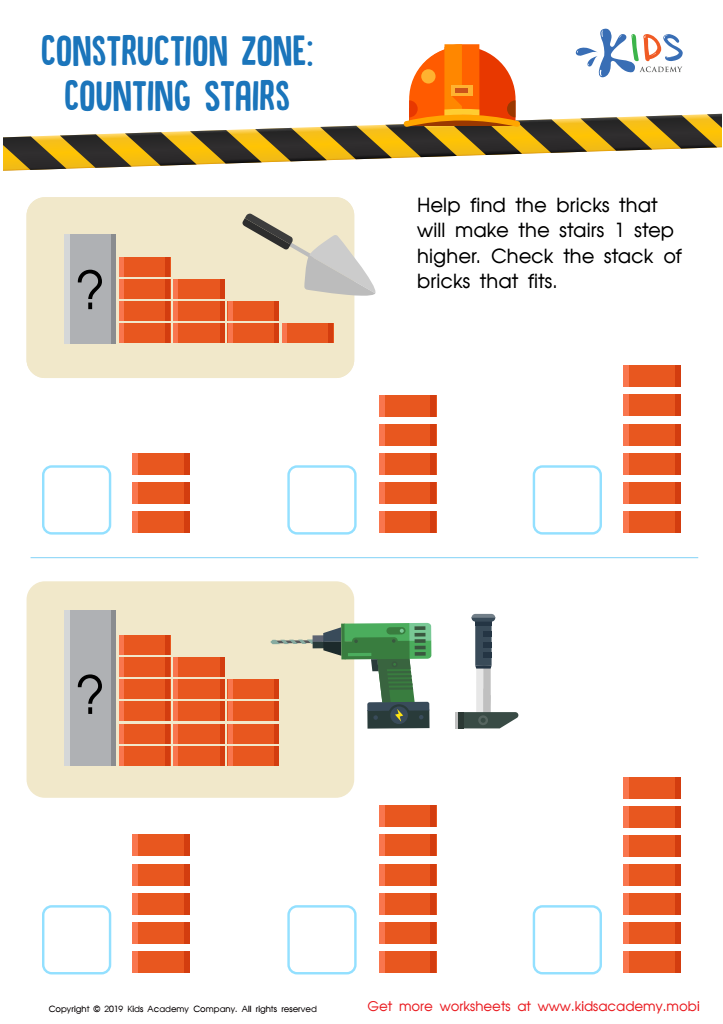
Construction Zone: Counting Stairs Worksheet
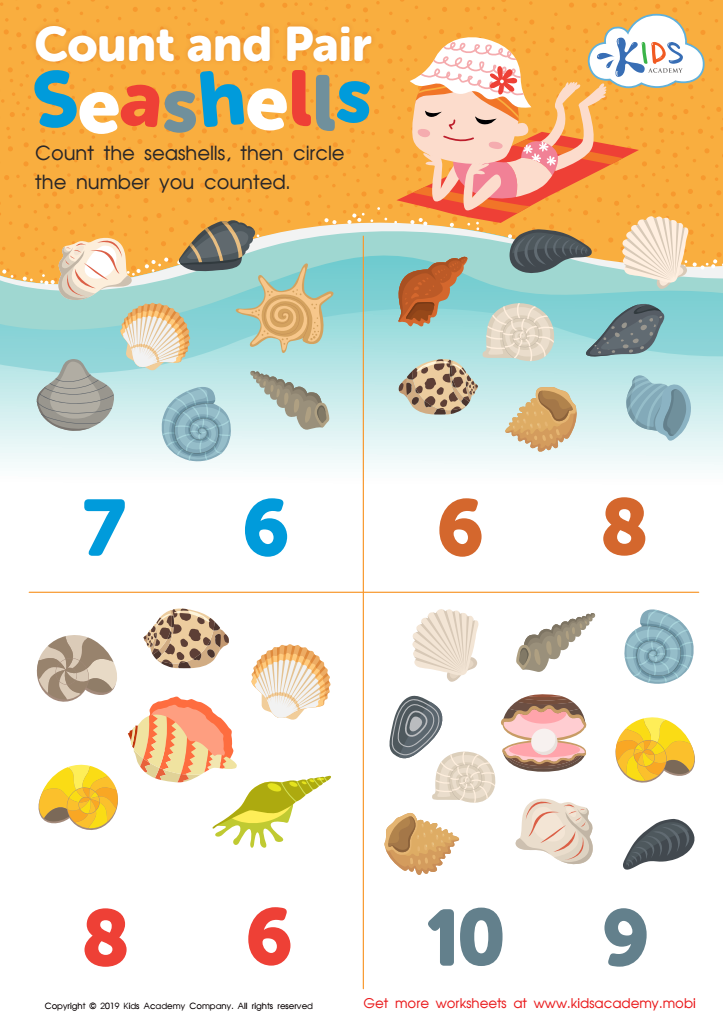
Count and Pair Seashells Worksheet
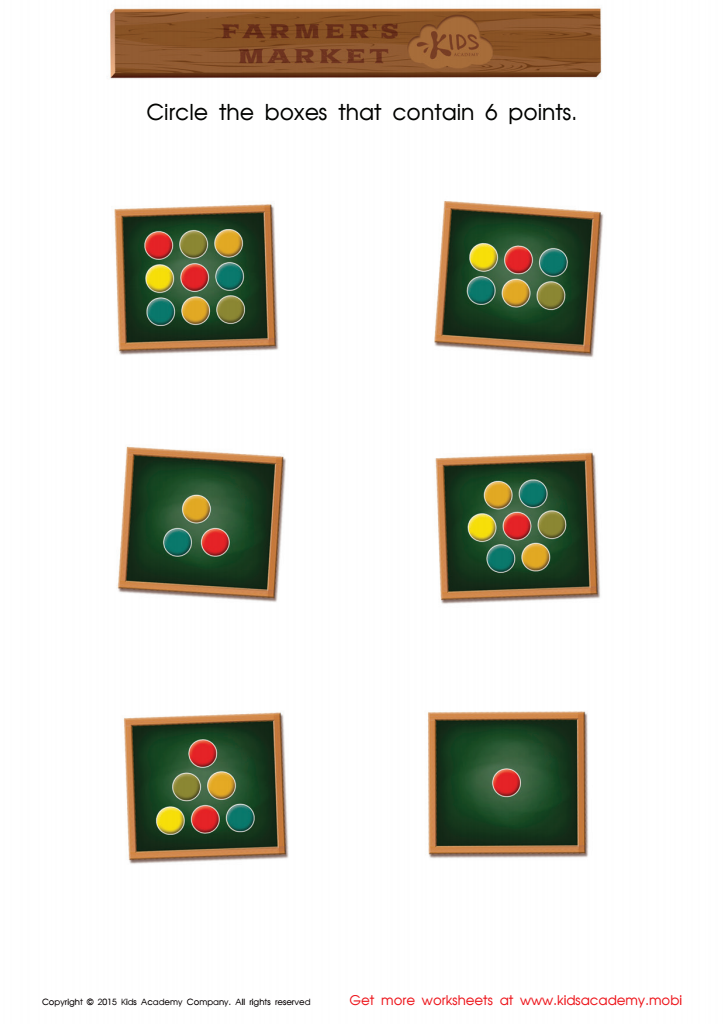
Count and Match Points 6 Math Worksheet
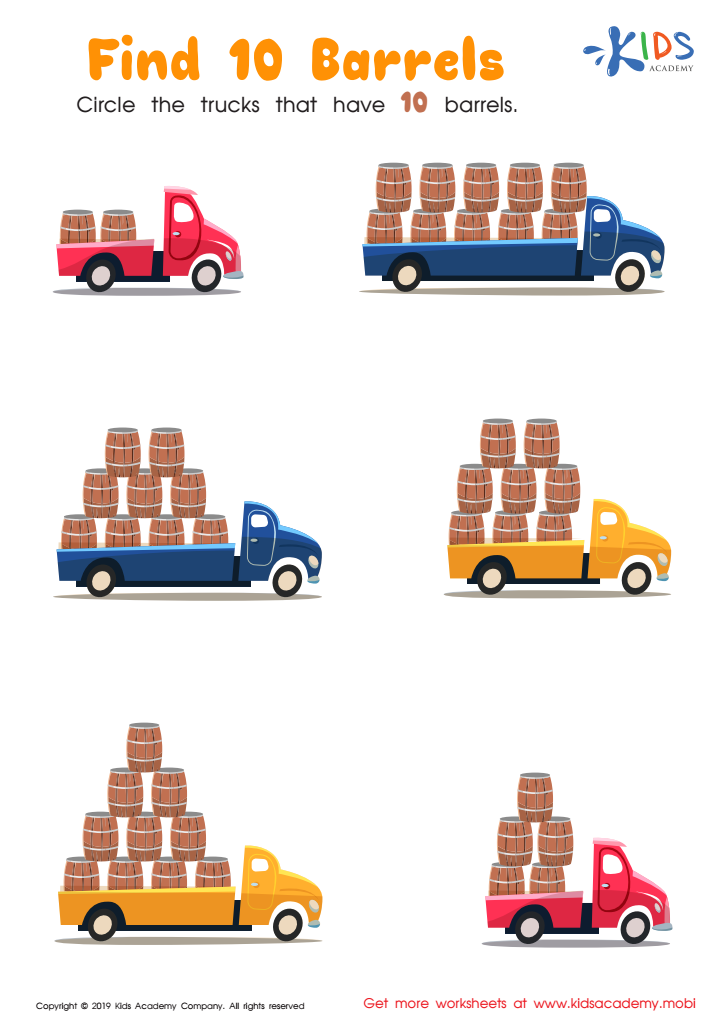
Find 10 Barrels Worksheet
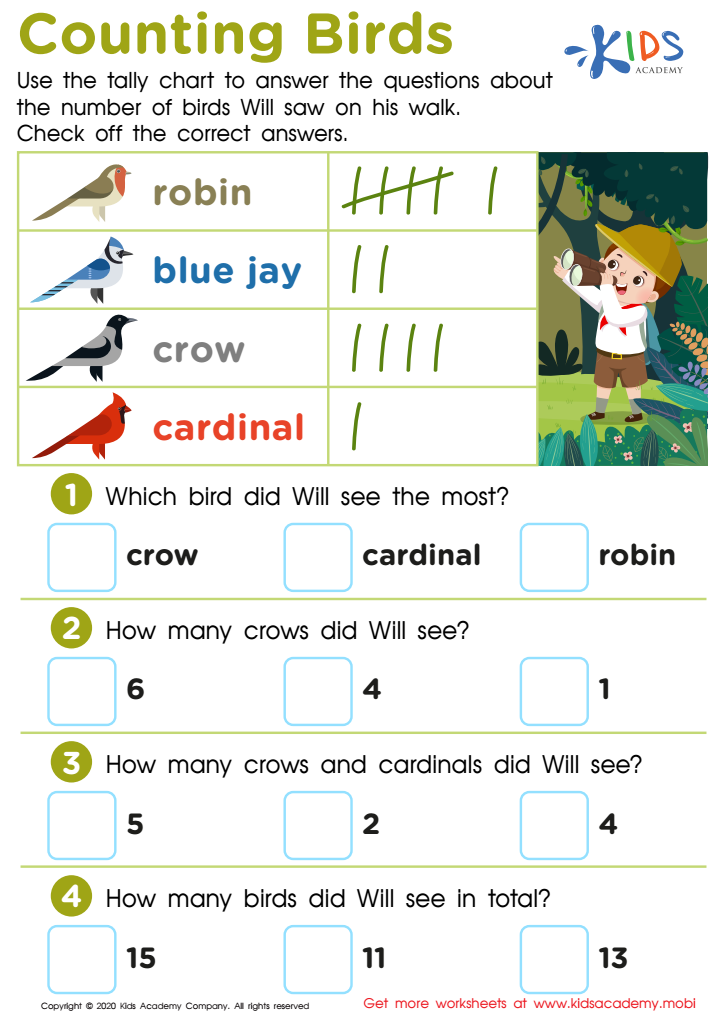
Counting Birds Worksheet
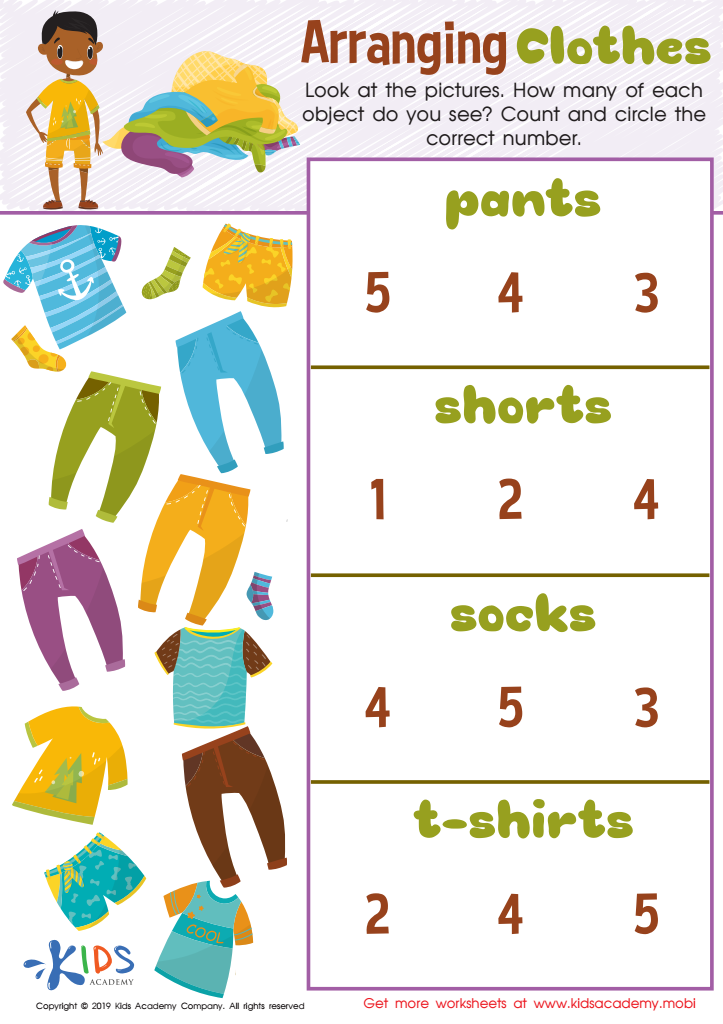
Arranging Clothes Worksheet
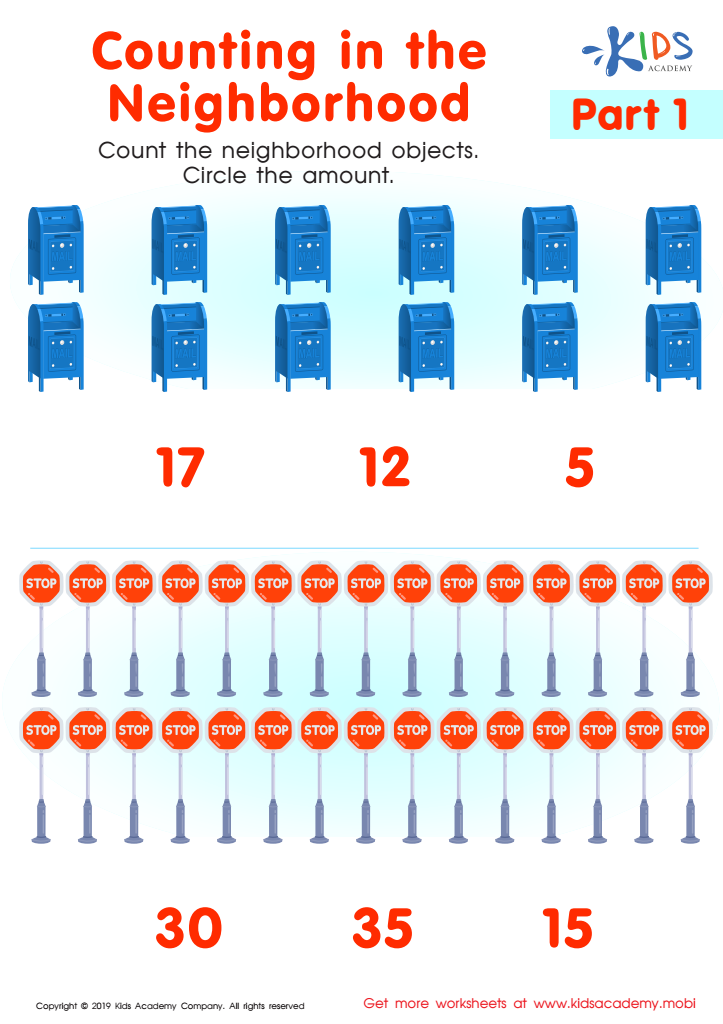
Counting in the Neighborhood Part1 Worksheet
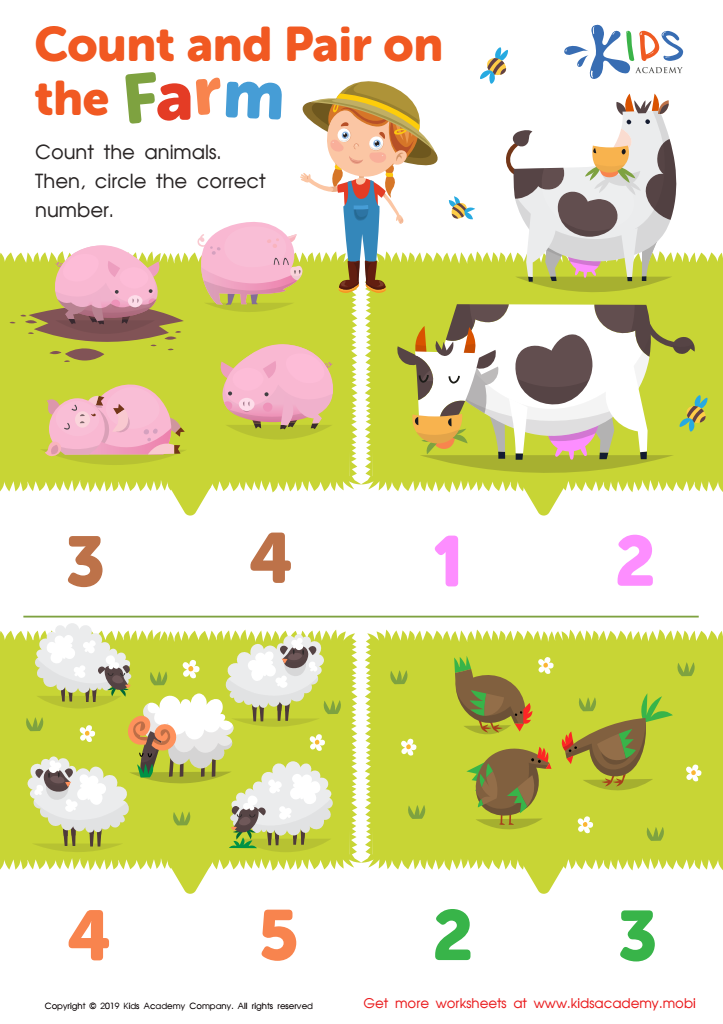
Count and Pair on the Farm Worksheet






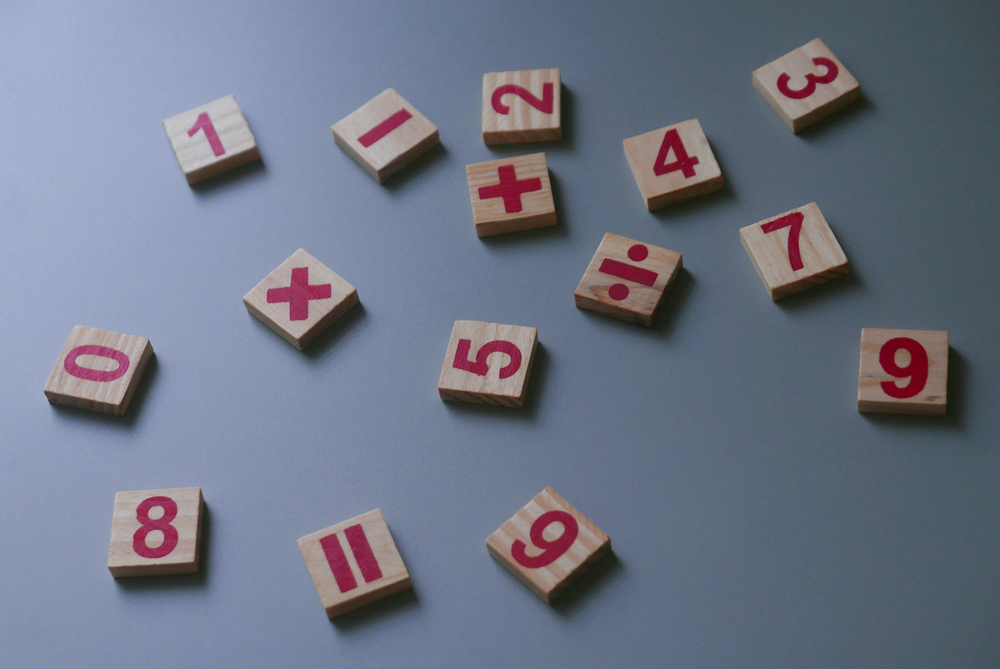

Visual perception in math is foundational for young children because it equips them with the essential skills to interpret, analyze, and understand the visual information they encounter in the world around them. For ages 5-6, these skills are crucial for the overall development of early math abilities, laying the groundwork for future success in more complex mathematical concepts.
First, visual perception aids in the recognition and differentiation of shapes, sizes, patterns, and spatial relationships. This recognition is essential for geometry, pattern recognition, and spatial reasoning—vital components of early math education. For example, understanding how shapes fit together forms the basis for problem-solving and logical thinking, which are integral to mathematics.
Second, improvements in visual perception also enhance a child's ability to understand the concept of numbers and symbols, which are visually represented. This allows young learners to grasp the meaning of written numerals and arithmetic operations, improving their ability to perform basic math tasks such as counting, adding, and subtracting.
Lastly, nurturing visual perception skills can also promote better hand-eye coordination and fine motor skills, which are necessary for writing numbers and symbols correctly.
In sum, focusing on visual perception in math for young children prepares them for more advanced math, by strengthening their cognitive abilities, problem-solving skills, and conceptual understanding. This holistic development fosters a positive attitude towards math, achieving academic success well into their future.








