Color Identification Numbers 0–10 Worksheets for Ages 5-6
7 filtered results
-
From - To
Enhance your child’s learning with our "Color Identification Numbers 0–10 Worksheets" tailored for ages 5-6! These engaging worksheets combine color recognition with number identification, helping young minds develop essential math skills while having fun. Children will explore numbers from 0 to 10 through colorful illustrations and interactive activities, making learning enjoyable and effective. Our carefully designed resources are perfect for home or classroom use, promoting visual learning and creativity. Set your child on the path to success in early childhood education with these vibrant worksheets, ensuring they master both colors and numbers in an entertaining way! Download and start today!
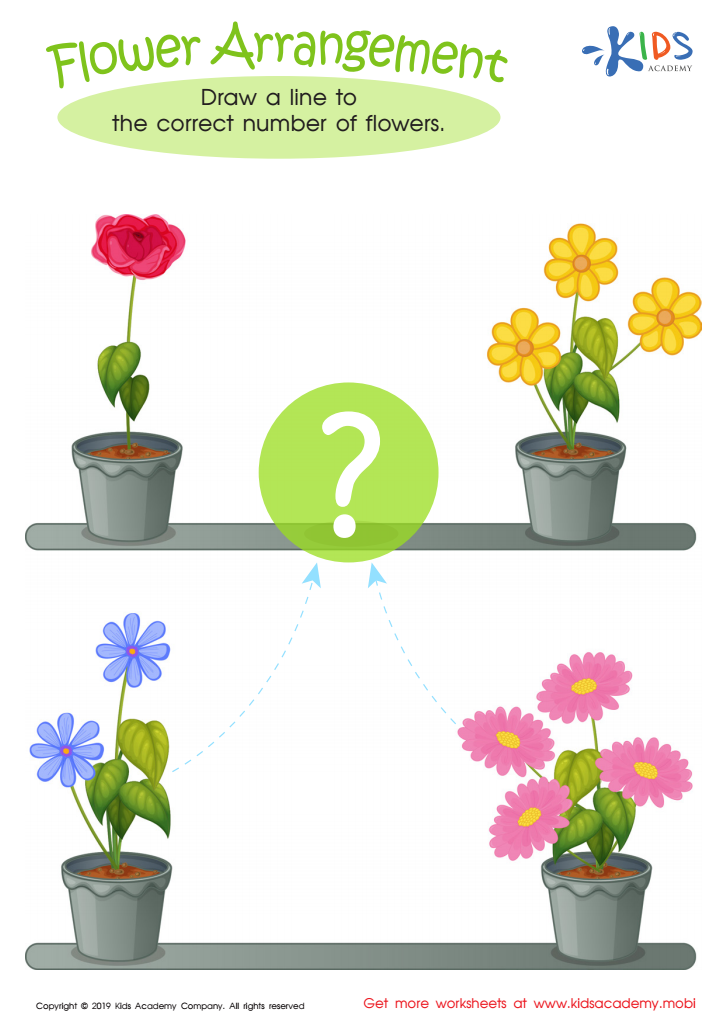
Flower Arrangement Worksheet
 Assign to My Students
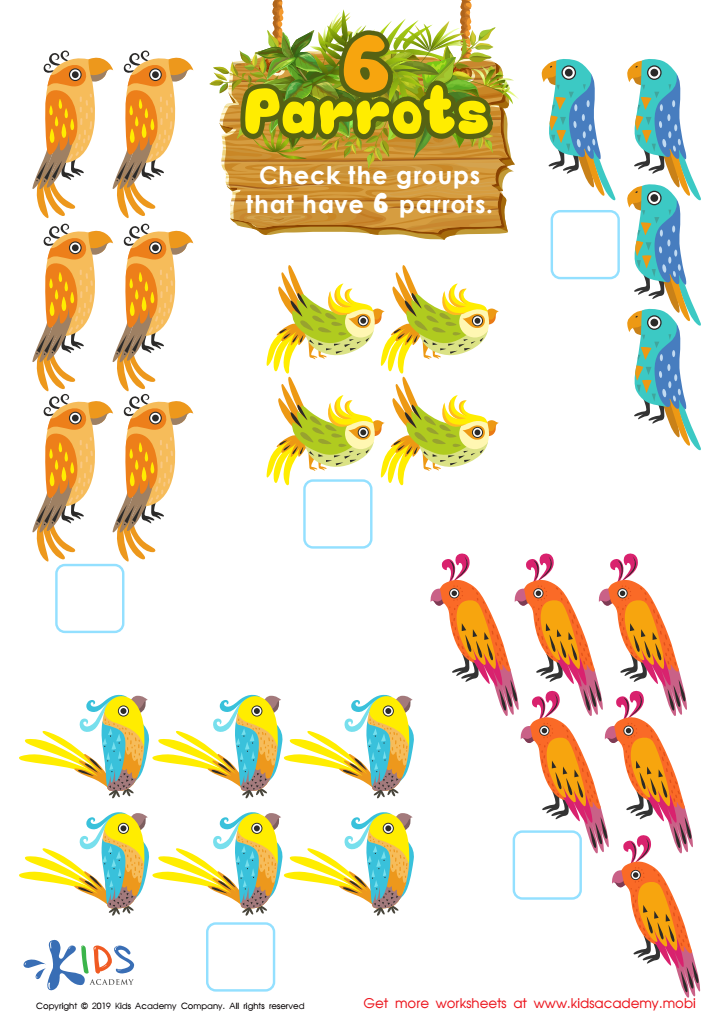
6 Parrots Worksheet
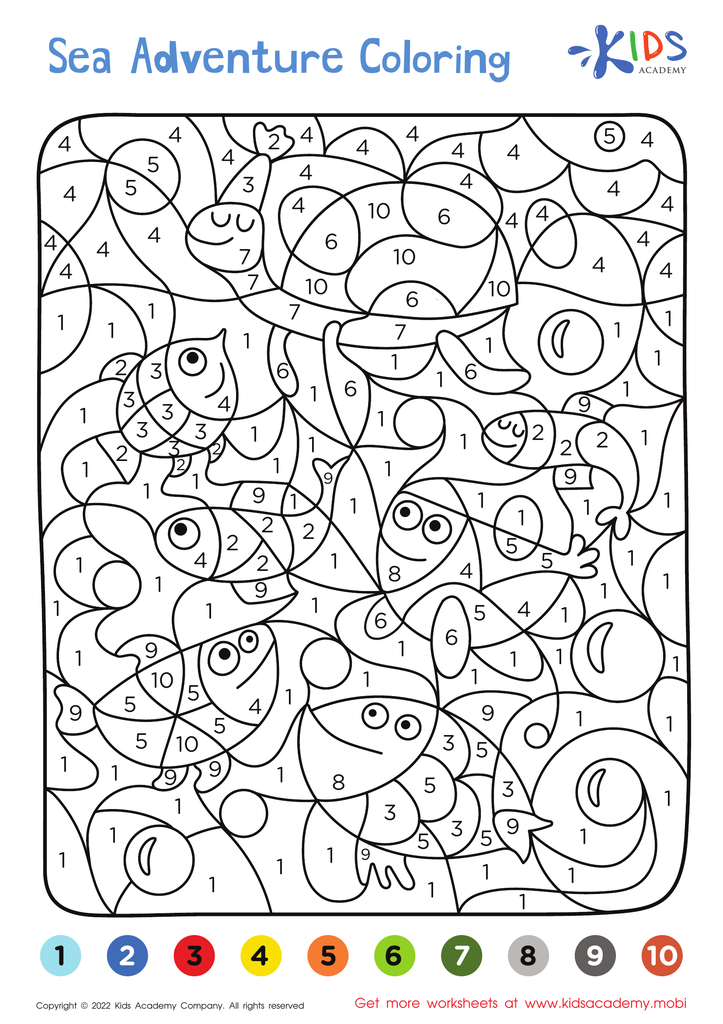
Sea Adventure – Coloring by Numbers
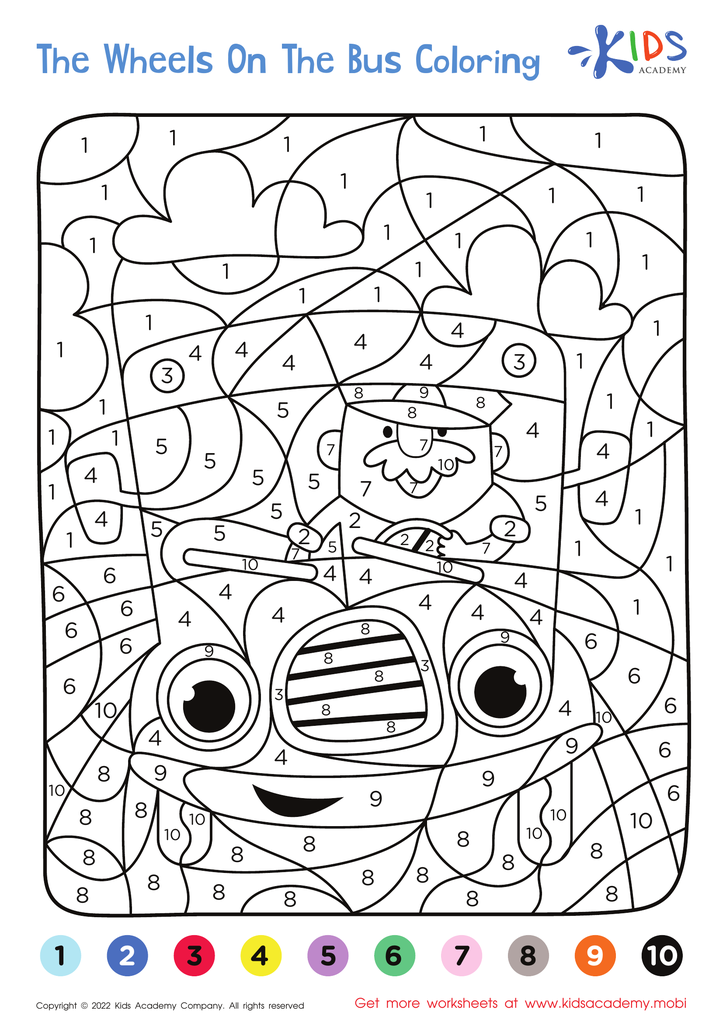
Wheels on the Bus – Coloring by Numbers
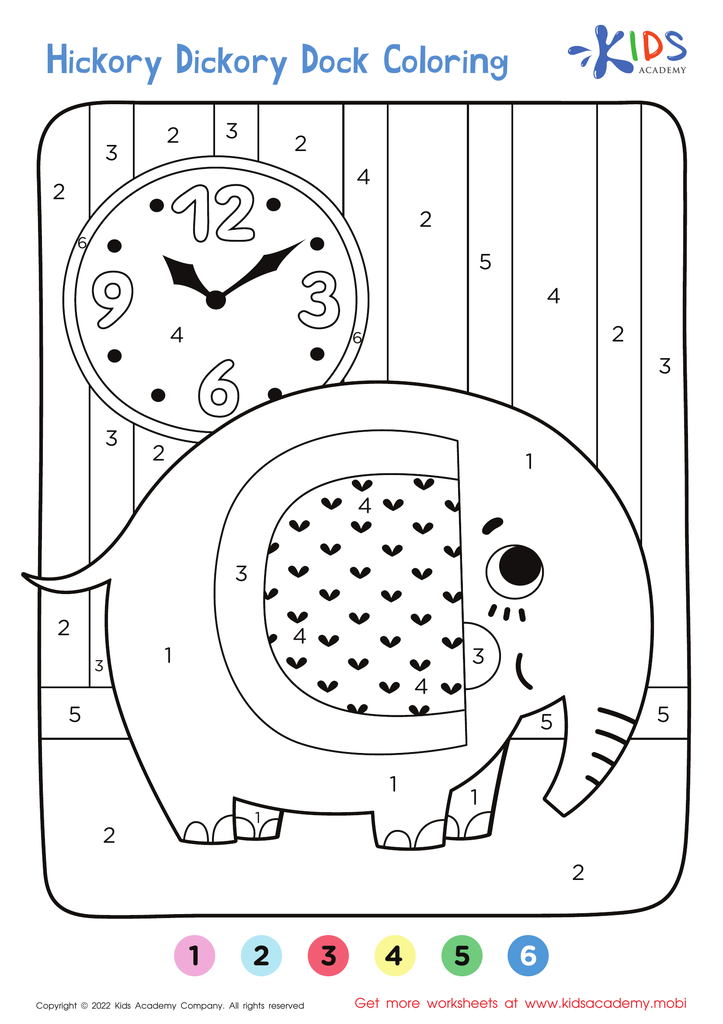
Hickory Dickory Dock – Coloring by Numbers
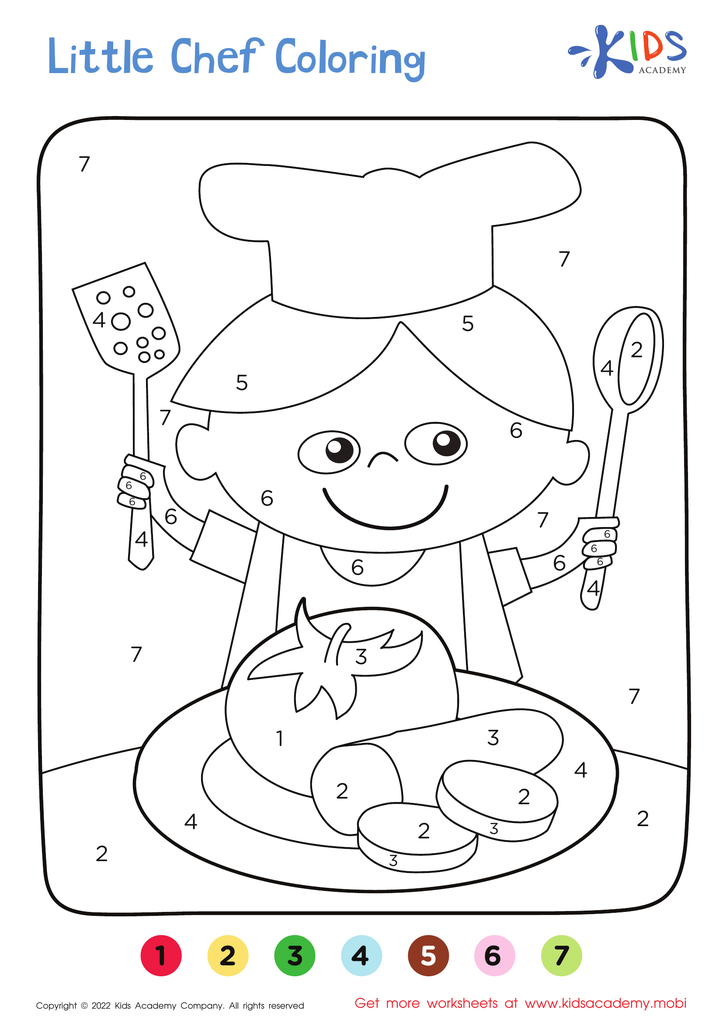
Little Chef – Coloring by Numbers
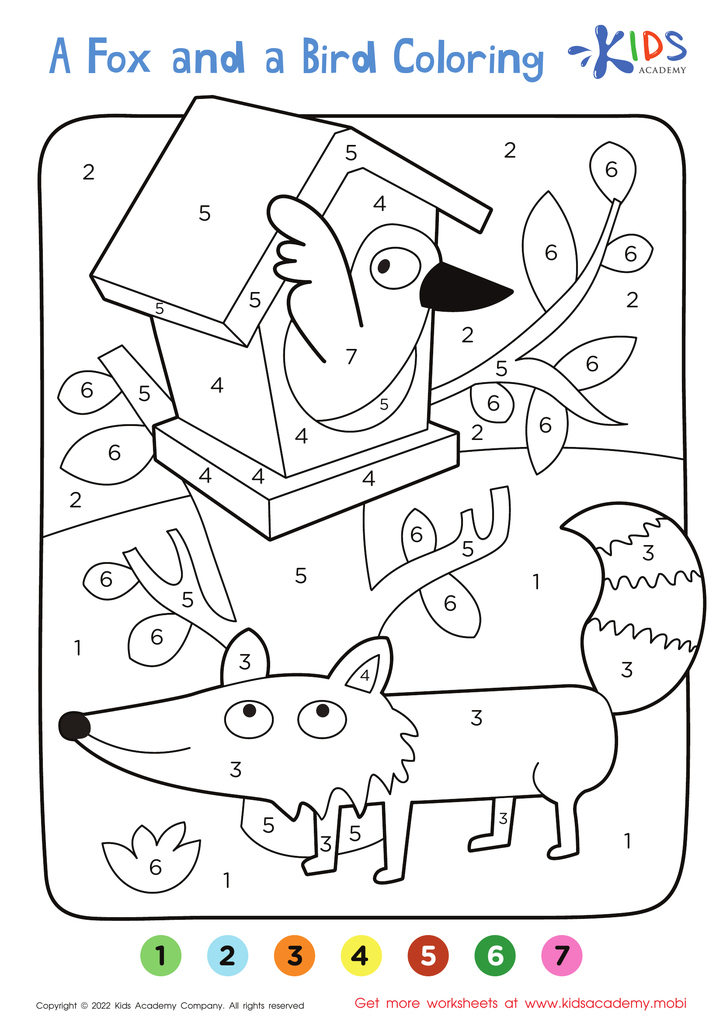
A Fox and a Bird – Coloring by Numbers








Color identification is a fundamental skill that supports early childhood development and learning. For children ages 5-6, recognizing and naming colors is not just a fun activity; it's a vital part of their cognitive, social, and emotional growth. When parents and teachers focus on Color Identification Numbers 0–10, they are engaging children in critical thinking and language development.
Learning colors helps children categorize and differentiate objects, enhancing their observational skills. It also promotes vocabulary expansion as they learn to articulate and describe their surroundings. Furthermore, identifying colors fosters empathy and social interaction; for example, when children share or discuss their favorite colors, they connect with peers and practice communication skills.
Moreover, integrating colors into activities like art or games stimulates creativity, allowing children to express themselves in unique ways. This connection between colors and other learning areas, such as math—counting colored objects or patterns—reinforces concepts that lay the groundwork for future learning.
In summary, understanding Color Identification Numbers 0–10 serves as a stepping stone for various developmental domains, and investing time in this area can significantly enhance a child's overall learning experience. Parents and teachers play vital roles in this foundational aspect of early education.