Fraction simplification Building Vocabulary Worksheets for Ages 5-6
7 filtered results
-
From - To
Enhance your child's understanding of fractions with our engaging Fraction Simplification Building Vocabulary Worksheets designed specifically for ages 5-6. These printable worksheets provide a fun and interactive way for young learners to grasp essential concepts of fractions while building their vocabulary. Each worksheet encourages children to practice simplifying fractions through colorful visuals and relatable examples. As they navigate through the activities, kids develop critical thinking skills and gain confidence in math. Perfect for home or classroom use, our worksheets are tailored to make learning about fractions enjoyable and effective. Start your child's journey to mathematical mastery today!
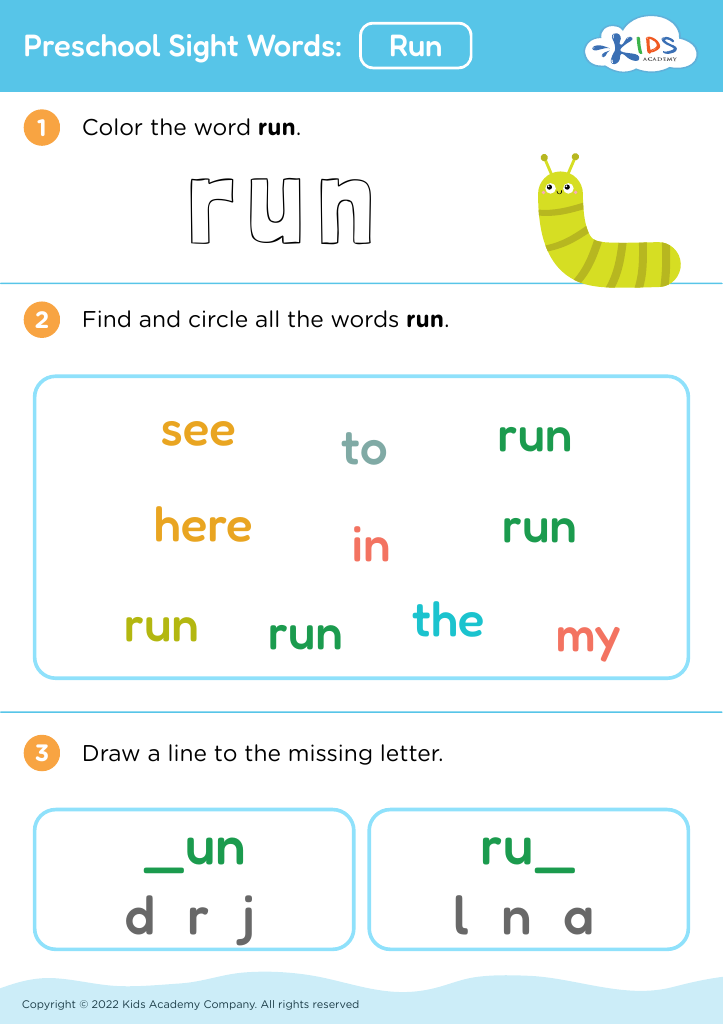











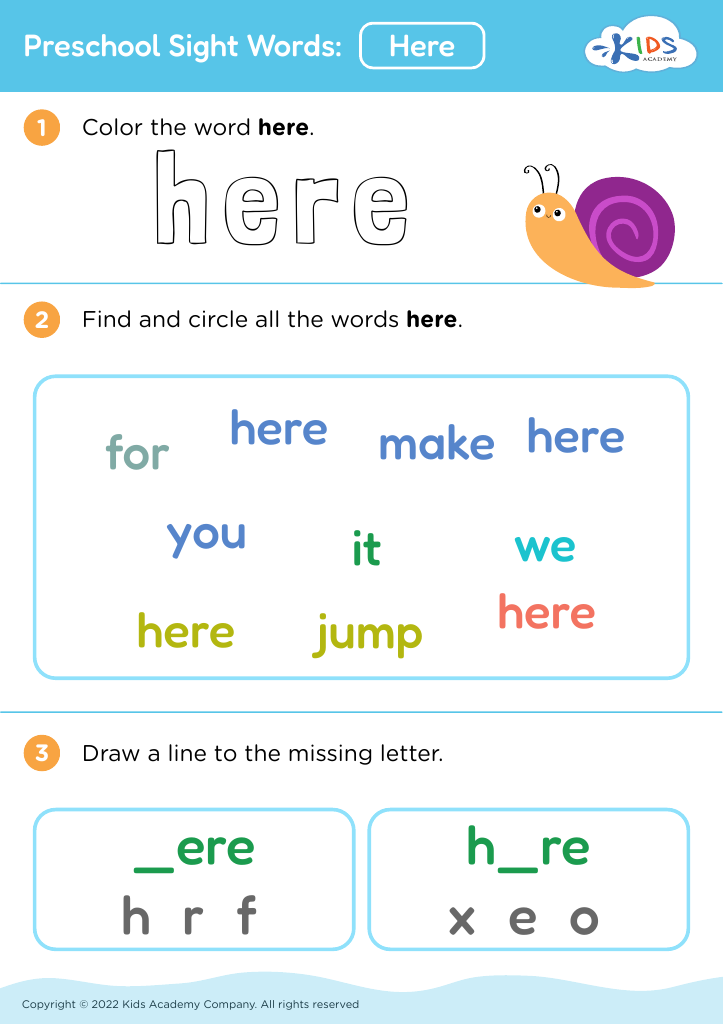
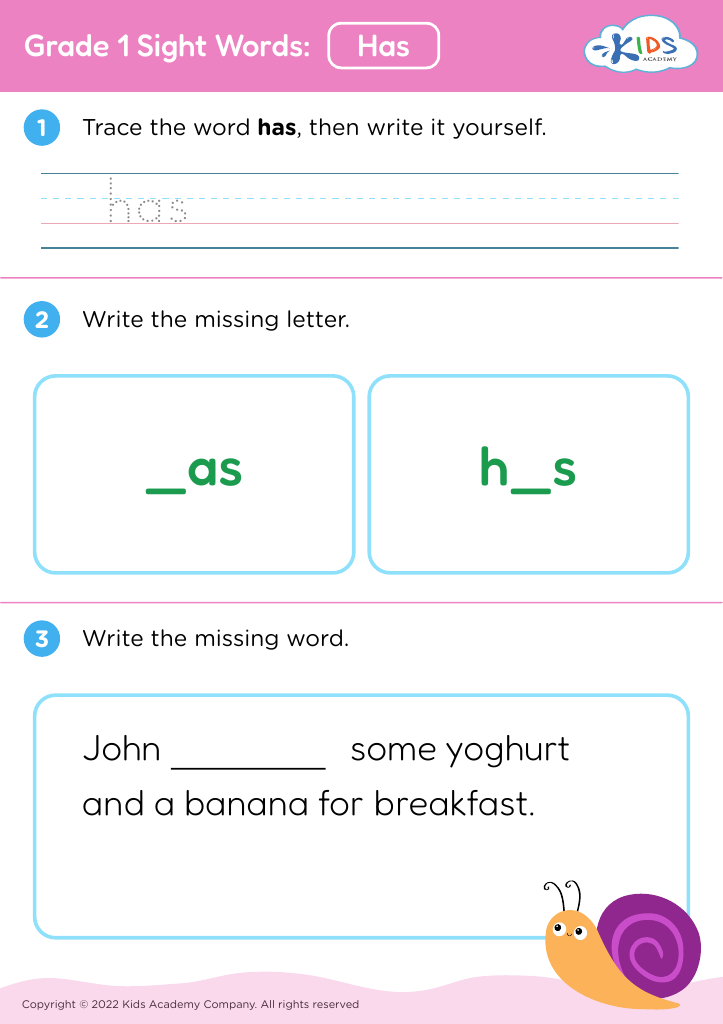
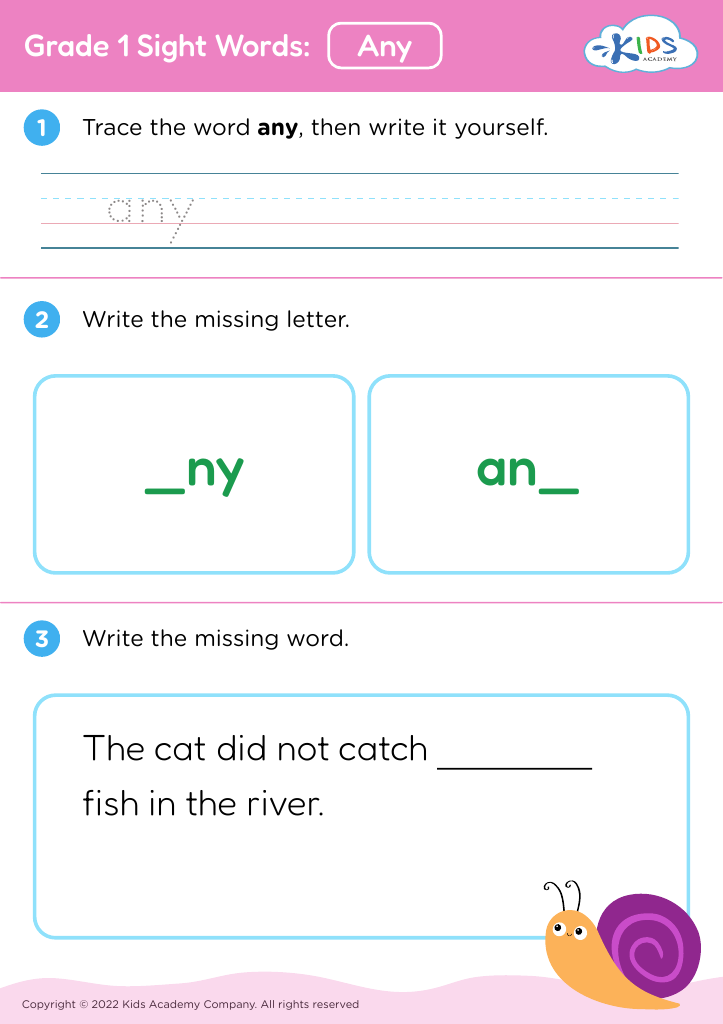
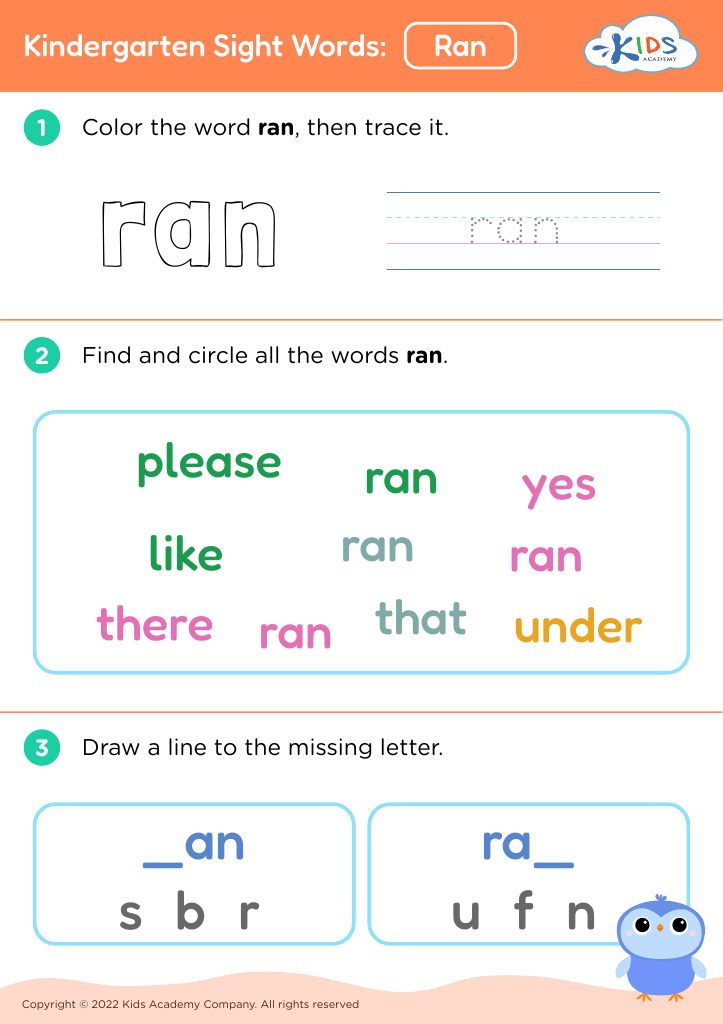
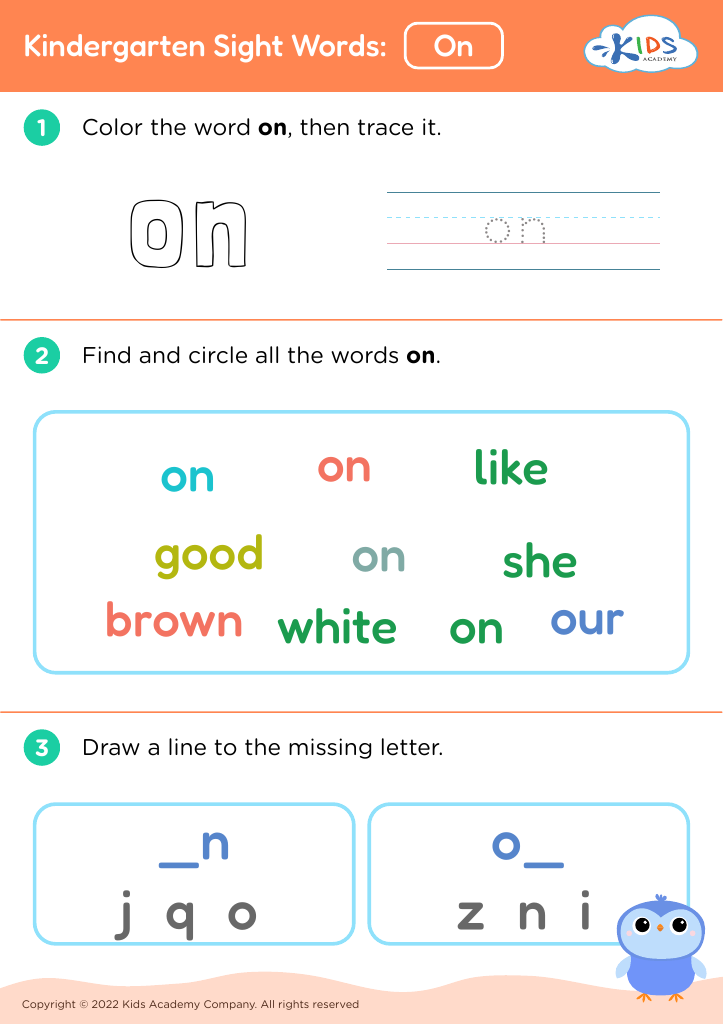
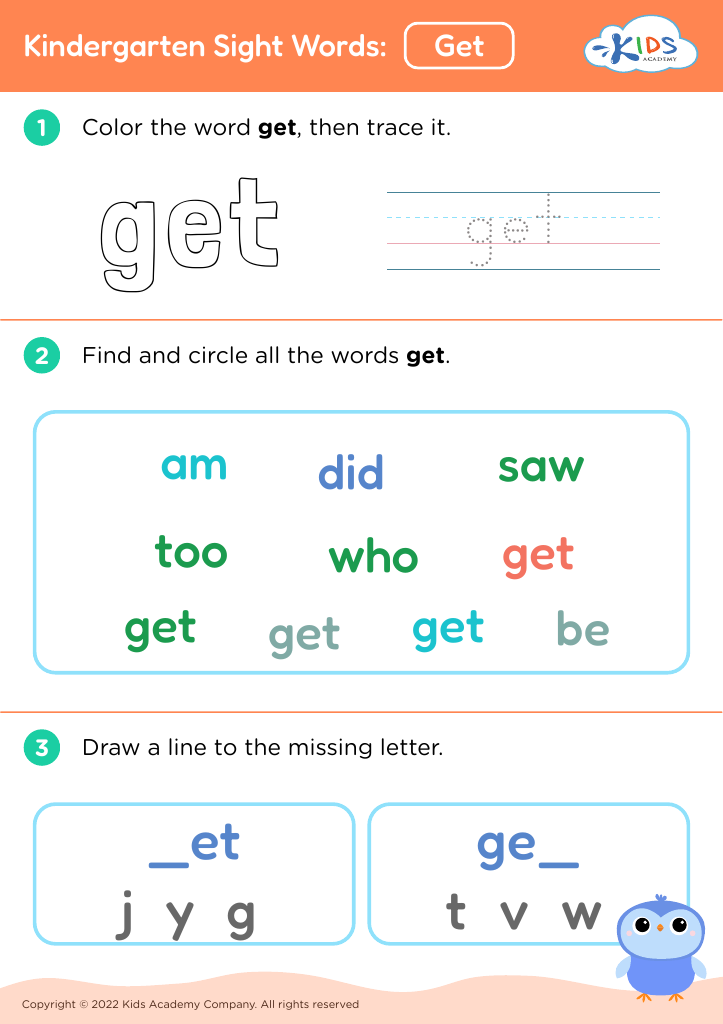





.jpg)


Teaching young children the concept of fraction simplification and building vocabulary around fractions is essential for their mathematical development. At ages 5-6, children are at a pivotal stage in learning foundational math concepts. Understanding fractions not only helps them grasp basic math ideas but also enhances their problem-solving skills.
When parents and teachers focus on fraction simplification, they introduce concepts of part-to-whole relationships, which are crucial for everyday activities like cooking and sharing. Using simple terms and hands-on activities, they can clarify that simplifying fractions means finding out how many parts fit into a whole, making math more relatable.
Moreover, building vocabulary around fractions—like numerator, denominator, and equal parts—empowers children to articulate their understanding. When they engage with these terms, it strengthens their comprehension and boosts confidence in discussing math, fostering a positive attitude towards learning.
By integrating vocabulary building and simplification strategies into early education, parents and teachers lay the groundwork for more complex math skills in the future. Ultimately, this approach fosters not only mathematical proficiency but also critical thinking, encouraging lifelong learners equipped for success.








