Multiplication practice Building Vocabulary Worksheets for Ages 5-6
4 filtered results
-
From - To
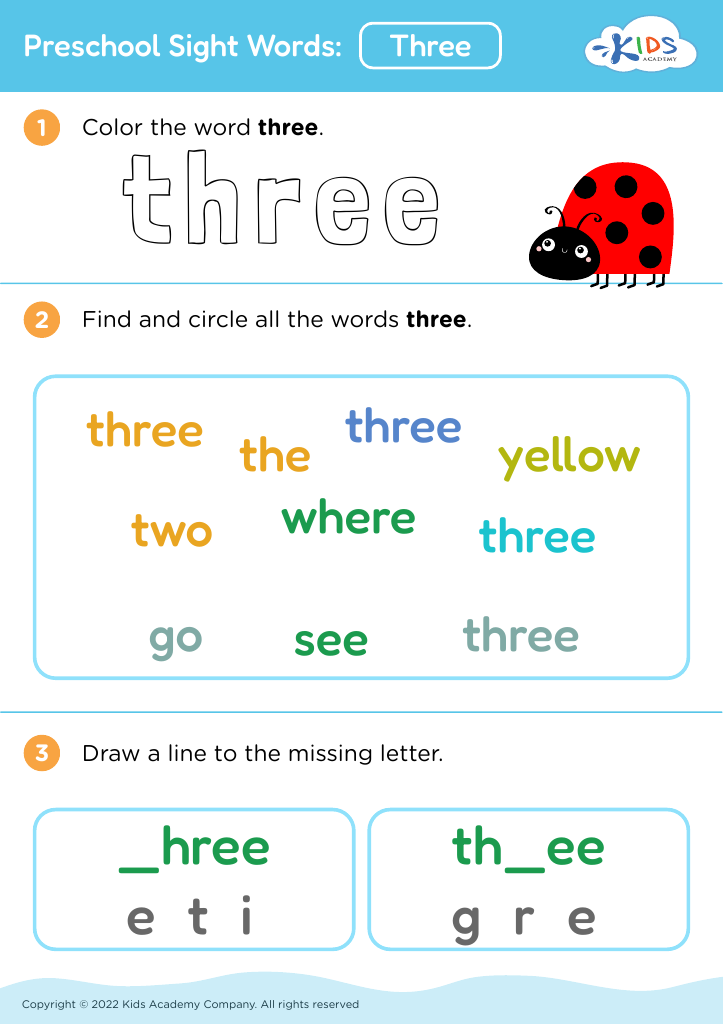
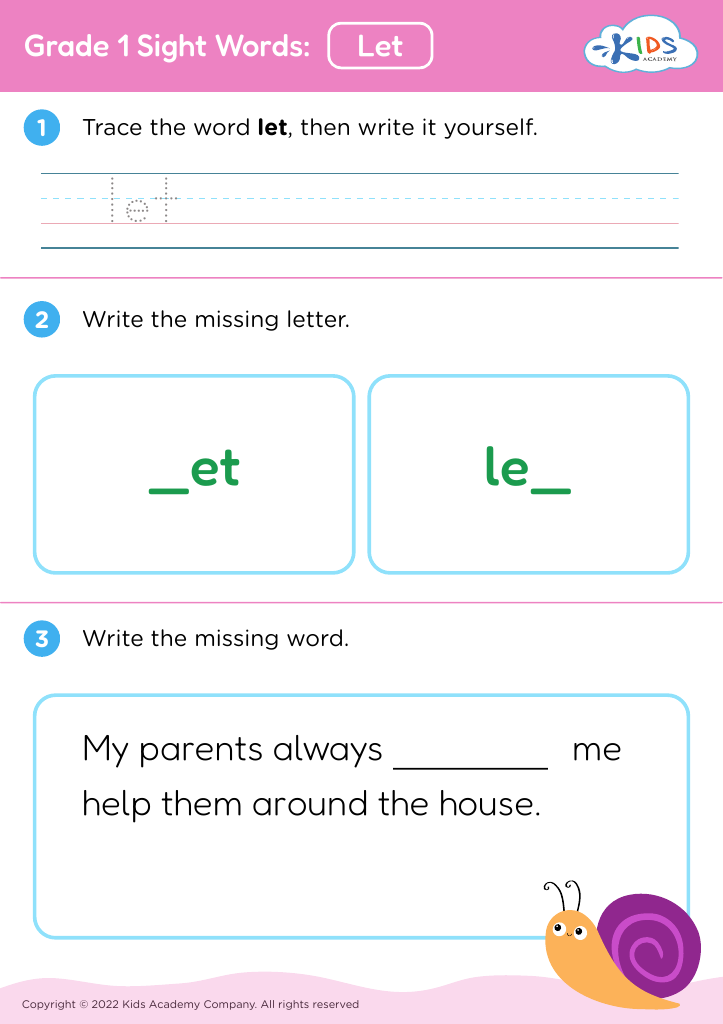
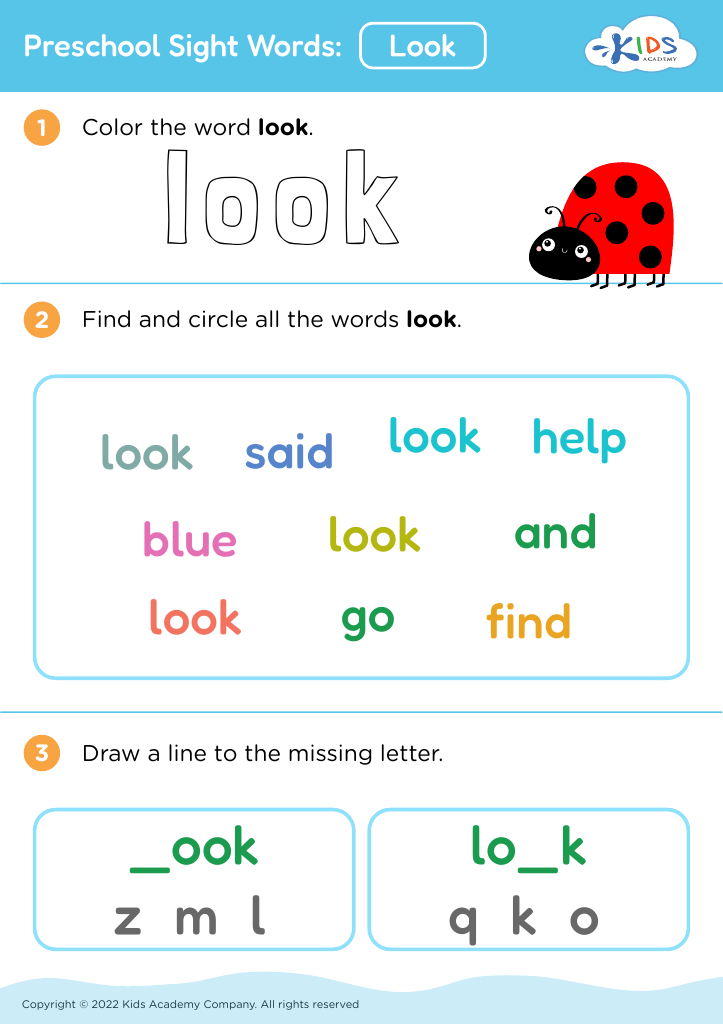
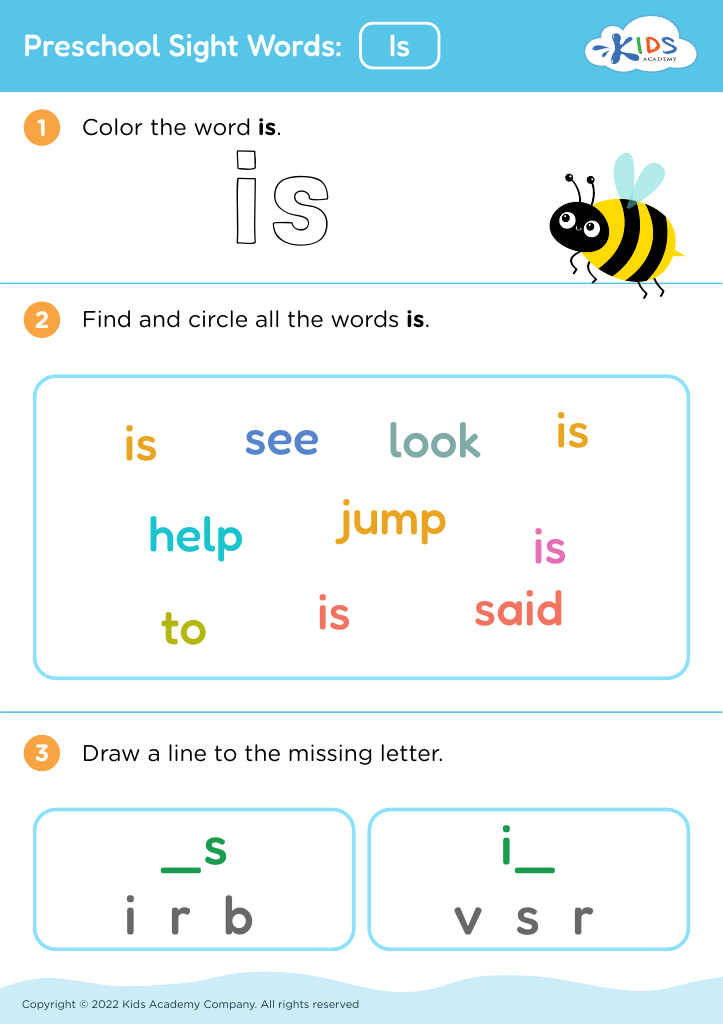
Enhance your child's learning experience with our "Multiplication Practice Building Vocabulary Worksheets" designed specifically for ages 5-6. These engaging worksheets combine foundational math skills and vocabulary development, making learning multiplication both fun and effective. Children will explore numbers through interactive exercises that facilitate comprehension and retention, while expanding their language skills. Our thoughtfully crafted activities encourage creativity and critical thinking, helping young learners build confidence in their mathematical abilities. Perfect for at-home learning or classroom use, these worksheets are an excellent resource for parents and educators striving to foster a strong educational foundation. Start your child's multiplication journey today!
















.jpg)

.jpg)
Multiplication practice in early education, particularly for children ages 5-6, is not solely about mathematical skills; it serves as a fundamental building block for broader academic success. At this age, children are developing critical cognitive abilities, and introducing multiplication concepts can enhance their number sense and problem-solving skills. Engaging with multiplication fosters not just a functional understanding of mathematics but also builds perseverance in tackling challenging materials, which is vital as they progress in their education.
Moreover, the integration of multiplication practice with vocabulary building is equally important. Learning mathematical vocabulary, such as "product," "factors," and "equal," enhances children’s language skills and supports their ability to articulate mathematical reasoning and processes. This dual focus encourages children to engage socially and cognitively in learning environments.
Parents and teachers should therefore recognize multiplication practice as an opportunity to create a solid foundation for sequential learning in math, as well as a means to cultivate essential communication skills. By nurturing both mathematical fluency and vocabulary development early on, educators can empower children to approach more complex concepts with confidence in their abilities and understanding as they continue through their educational journey.








