Recognizing shapes Building Vocabulary Worksheets for Ages 5-6
7 filtered results
-
From - To
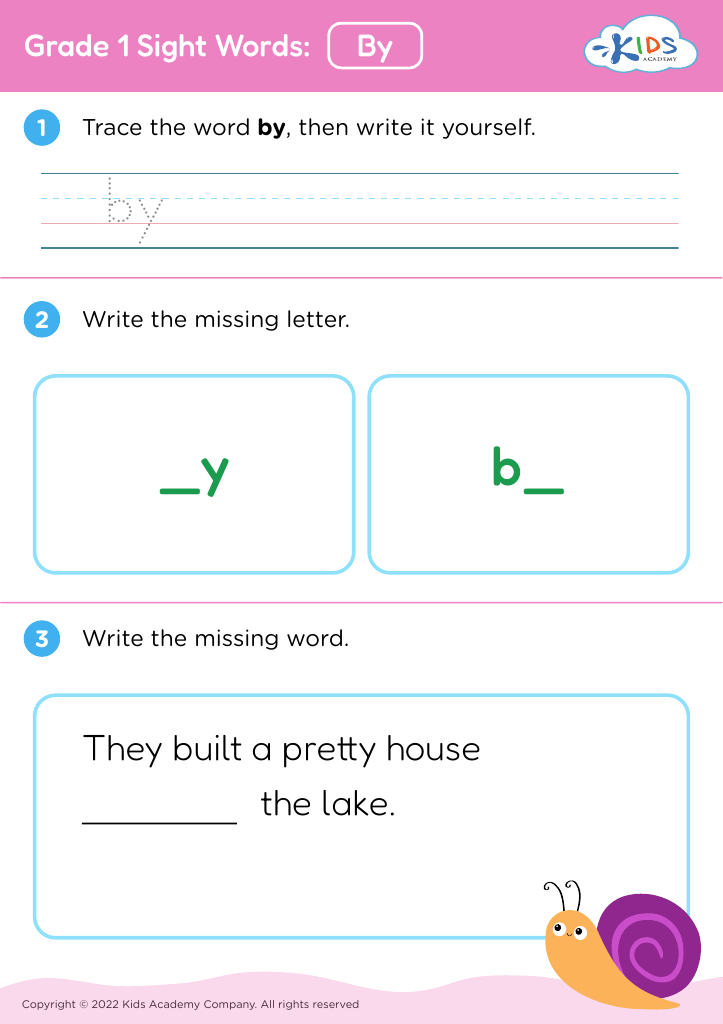
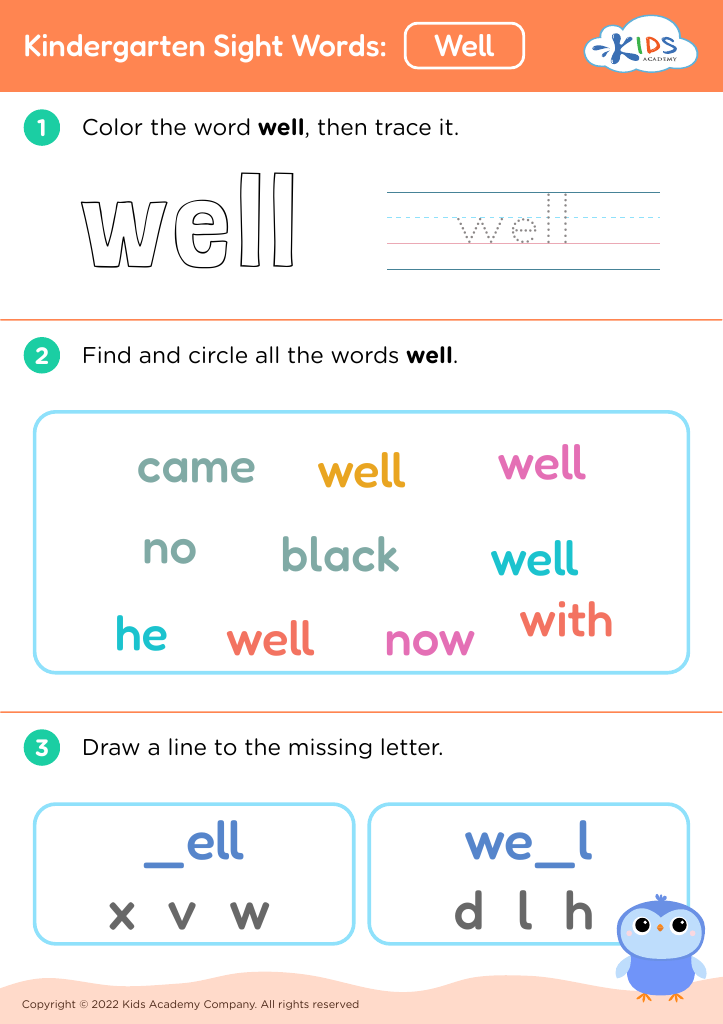
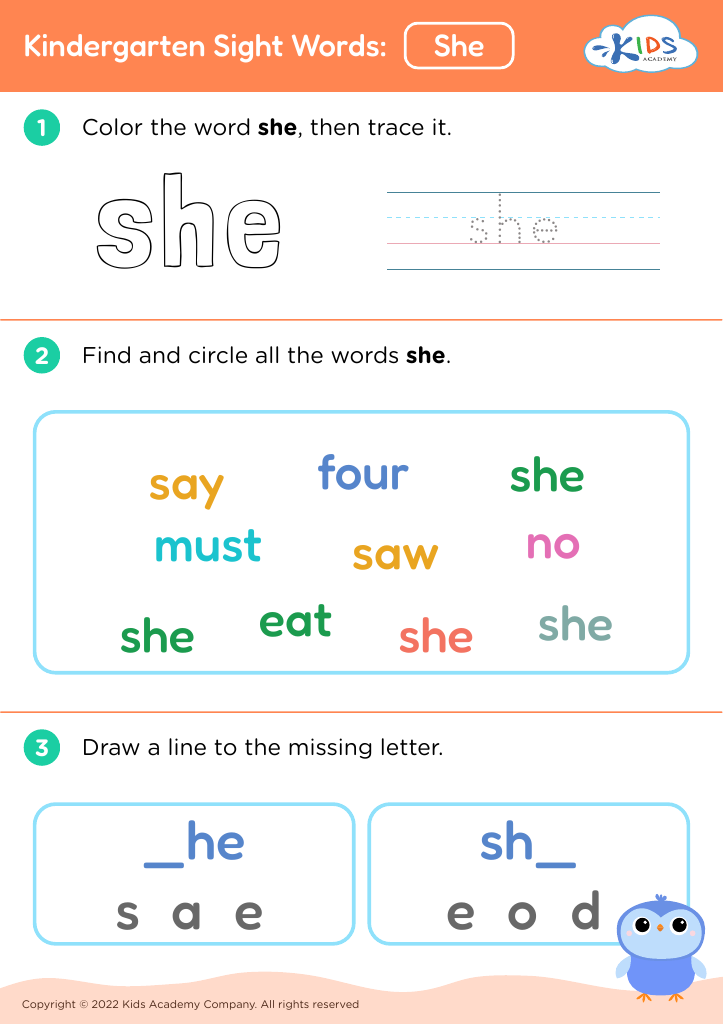
Discover the perfect blend of fun and learning with our "Recognizing Shapes Building Vocabulary Worksheets for Ages 5-6." Designed to enhance early reading and vocabulary skills, these interactive worksheets help young learners identify various shapes while enriching their language abilities. Through a variety of engaging activities, children will learn to recognize, name, and describe shapes, bolstering their cognitive development. Our expertly crafted worksheets are tailored to support early learners in gaining essential skills, making learning an enjoyable journey. Help your child thrive with our vibrant, educational resources that bring shapes and vocabulary to life!
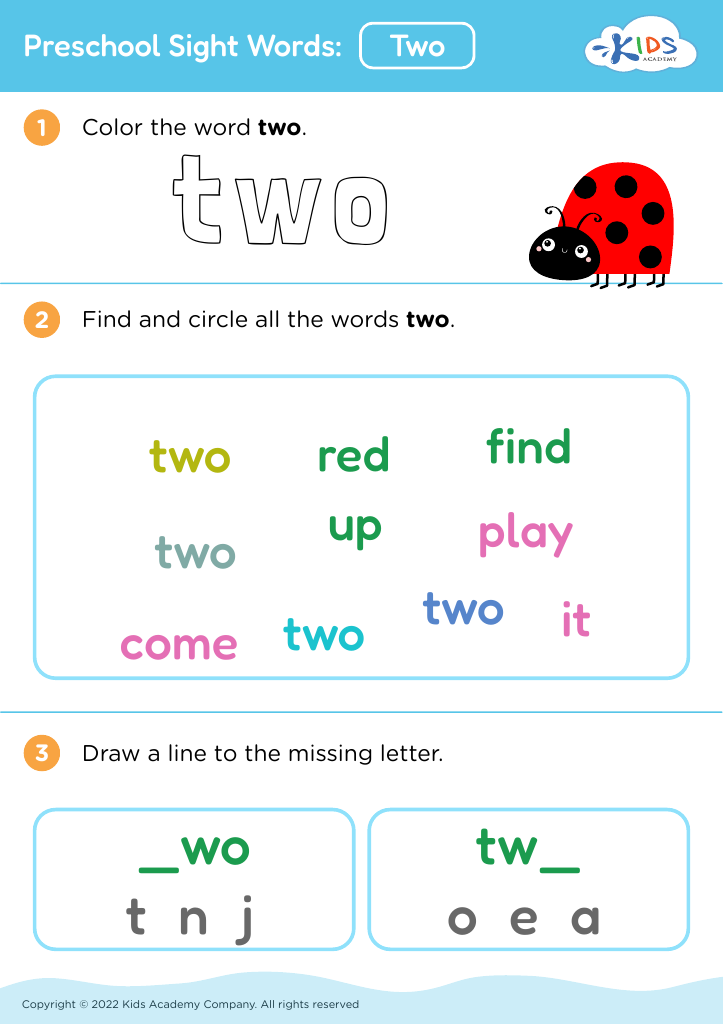











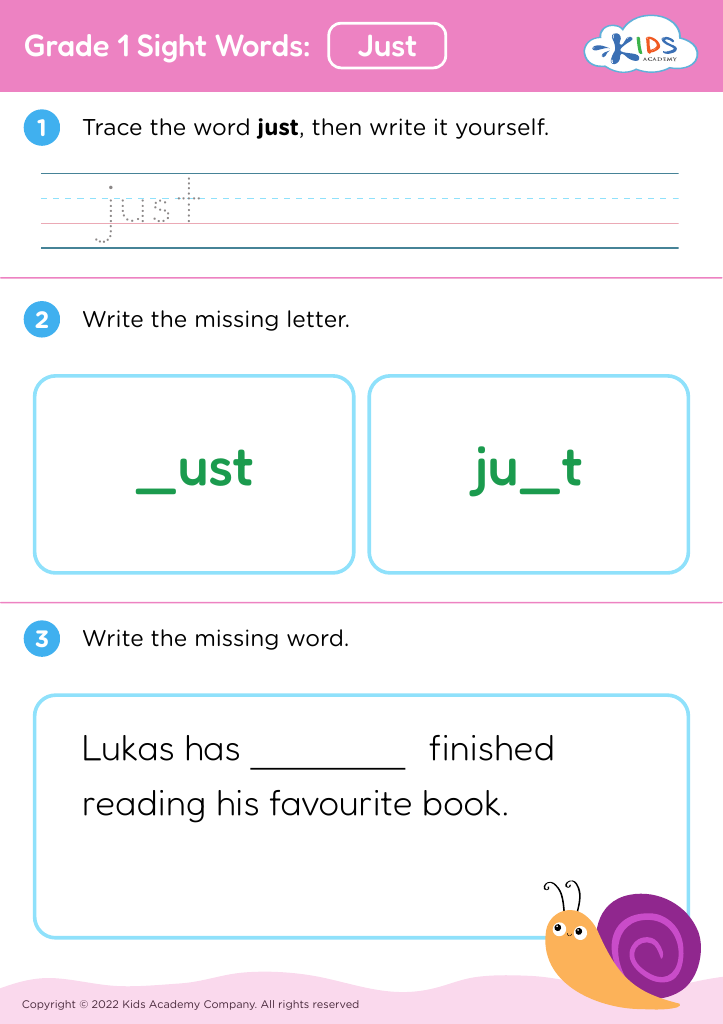
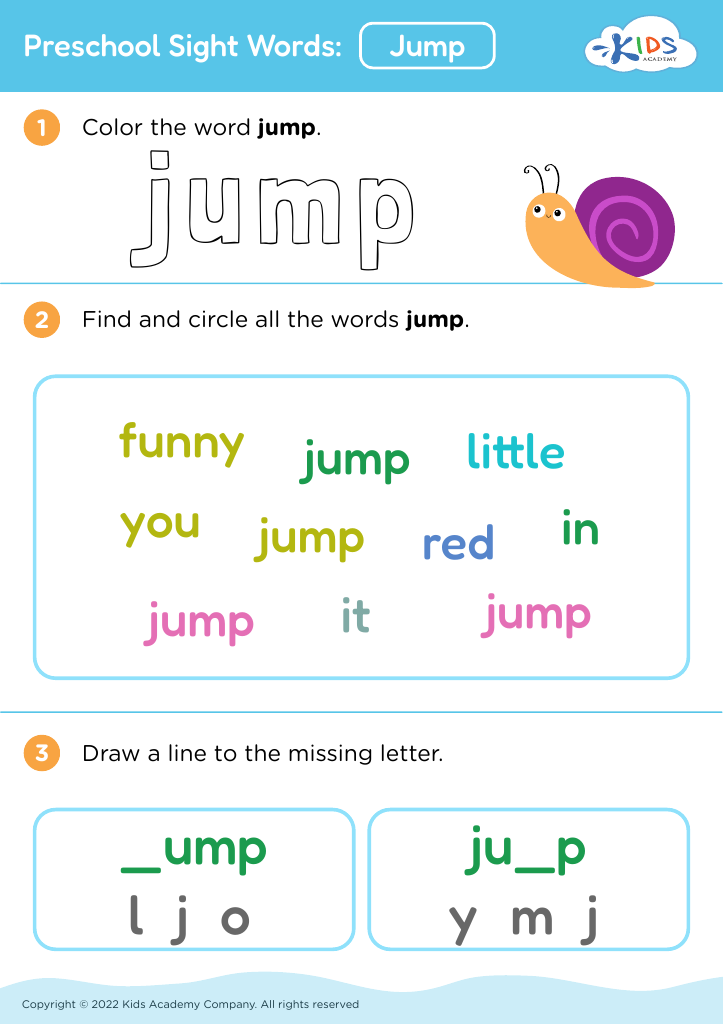
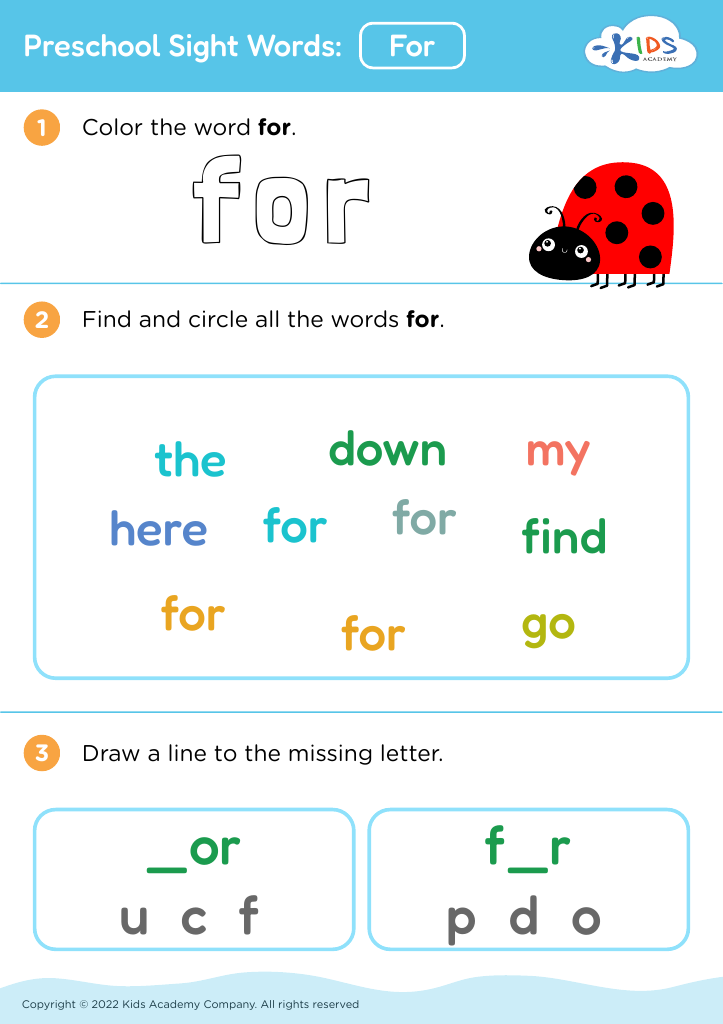








Recognizing shapes and building vocabulary are foundational skills crucial for cognitive and academic development in children aged 5-6. Learning to identify shapes sharpens visual-spatial awareness, a core competency for understanding more complex mathematical concepts used in geometry, patterns, and eventually beyond. Shapes are also integral in honing children's ability to classify, sort, and describe the world around them, which sustains critical thinking and problem-solving skills.
Building vocabulary at this stage is just as vital. Language development underpins literacy, facilitating better communication, comprehension, and expression. A rich vocabulary helps children articulate thoughts more clearly and prompts a deeper engagement with learning materials. It forms the bedrock for future academic success, aiding in understanding instructions, connecting with peers, and igniting curiosity.
Integrating shape recognition with vocabulary enhancement makes lessons dynamic and interactive. For example, discussing the features of a "triangle" or "rectangle" involves new terms and descriptive language ("edges," "corners," etc.), promoting linguistic growth alongside visual recognition. When parents and teachers underscore these skills early on, they provide children with the tools they need to navigate classroom activities confidently, enriching their overall learning trajectory.
Boosting these areas cultivates a balanced developmental landscape, merging the logical with the linguistic, setting up young learners for diversified and enriched educational experiences.








