Understanding bar graphs Building Vocabulary Worksheets for Ages 5-6
3 filtered results
-
From - To
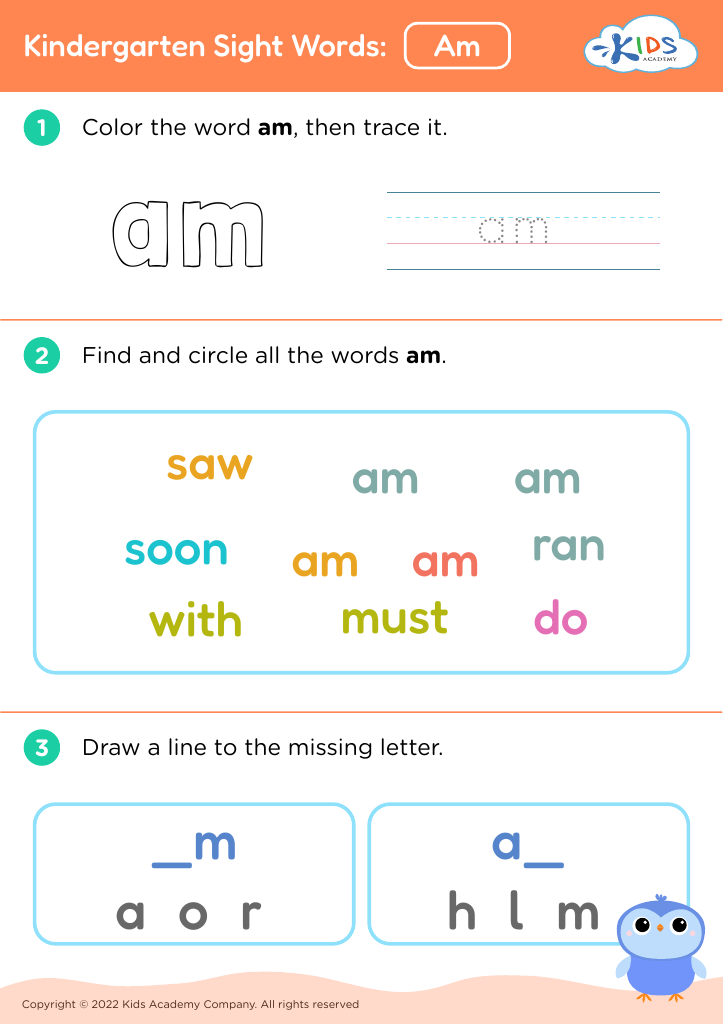
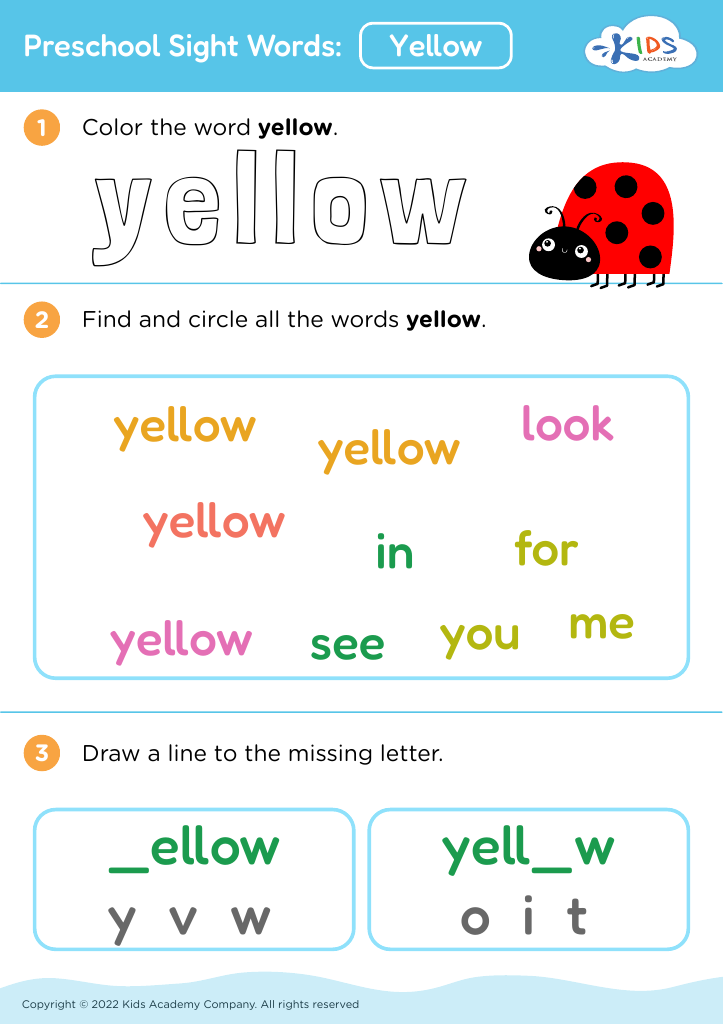
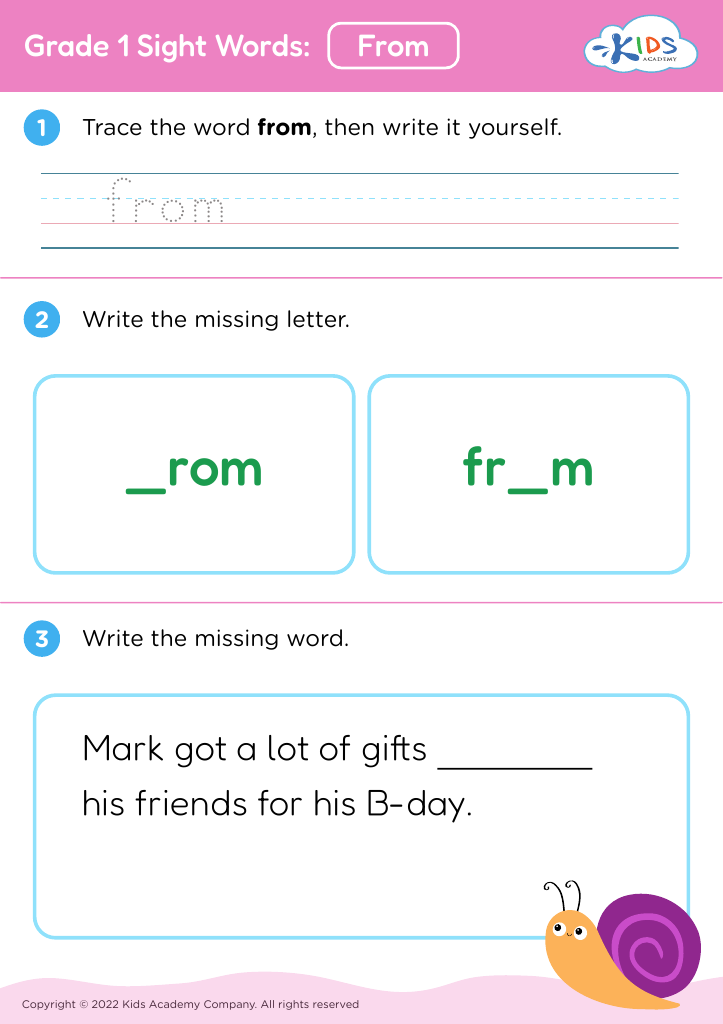
Enhance your child's vocabulary and comprehension skills with our "Understanding Bar Graphs" worksheets designed for ages 5-6. These engaging, age-appropriate resources introduce young learners to the concept of bar graphs, helping them grasp important data visualization skills. Through colorful illustrations and interactive activities, children will explore how to read, interpret, and create bar graphs while expanding their language and analytical skills. Perfect for early grade teachers and parents alike, these worksheets make learning fun and accessible, setting the foundation for future mathematical and literacy success. Download today and watch your child's confidence grow as they master this essential skill!













.jpg)





Understanding bar graphs is an essential skill for young children, particularly for ages 5-6, as it lays the foundation for critical thinking and data interpretation. For parents and teachers, fostering this understanding enriches a child's learning experience and supports their cognitive development. Bar graphs visually represent data, allowing children to see differences and relationships easily. By engaging with bar graphs, children not only learn how to interpret visual information but also practice important skills such as counting, comparing, and recognizing patterns.
Moreover, building vocabulary related to bar graphs—like "taller," "shorter," "more," and "less"—enables young learners to articulate their observations and analyses clearly. This linguistic development aids in their comprehension and communication skills.
For teachers and parents, cultivating these skills promotes a love for math and science, helping children feel more comfortable with numbers and measurement. When children understand how to read and interpret bar graphs, they become more confident in their quantitative reasoning and problem-solving abilities, which are crucial for future academic success. Overall, prioritizing this aspect of learning helps ensure well-rounded development that extends beyond basic math skills.








