Reading Skills Reading Fiction Worksheets for Ages 5-6
5 filtered results
-
From - To
Boost your child's reading skills with our engaging Reading Fiction Worksheets designed for ages 5-6! These interactive resources aim to cultivate a love for storytelling while developing essential comprehension and vocabulary skills. Through fun activities and vibrant illustrations, young learners will explore popular children’s stories, enhancing their ability to recognize words, infer meaning, and retell narratives. Each worksheet is crafted to keep kids engaged and motivated, making reading an exciting adventure. Perfect for home and classroom use, our worksheets offer a variety of exercises to cater to different learning styles, ensuring a well-rounded approach to early literacy. Start your child's reading journey today!
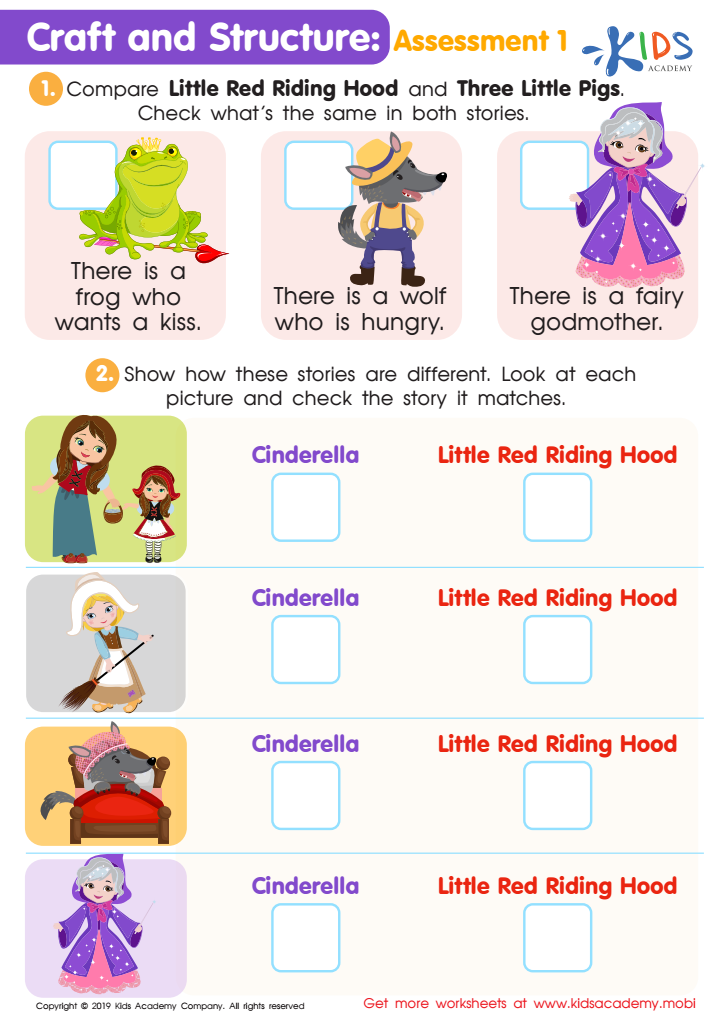
Craft and Structure: Assessment 1 Worksheet
 Assign to My Students
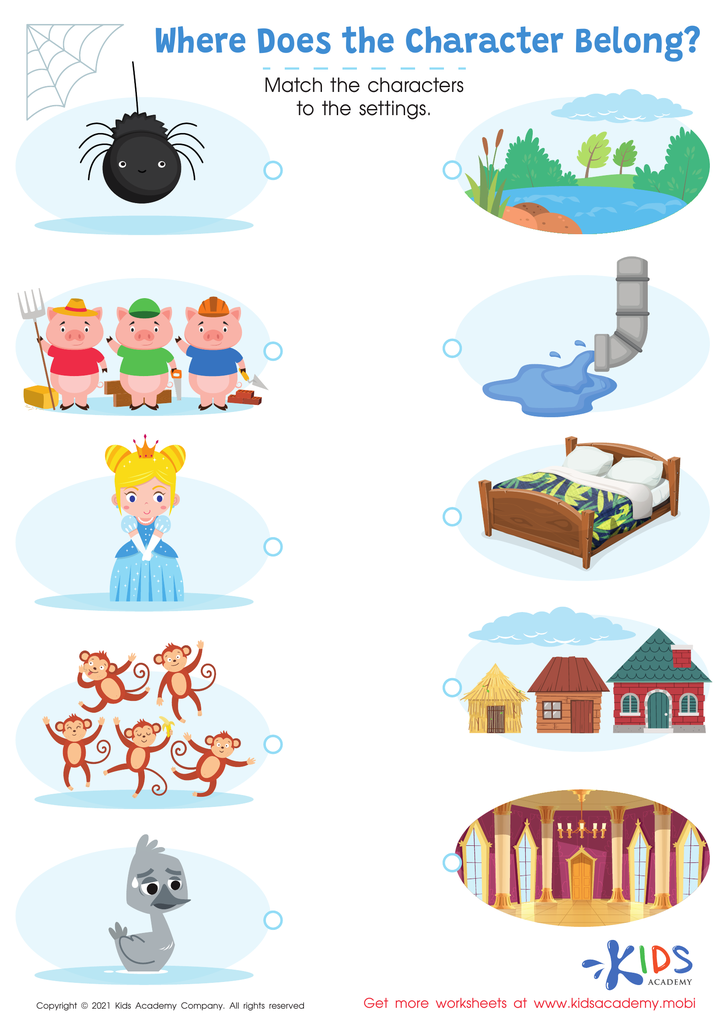
Where Does the Character Belong? Worksheet
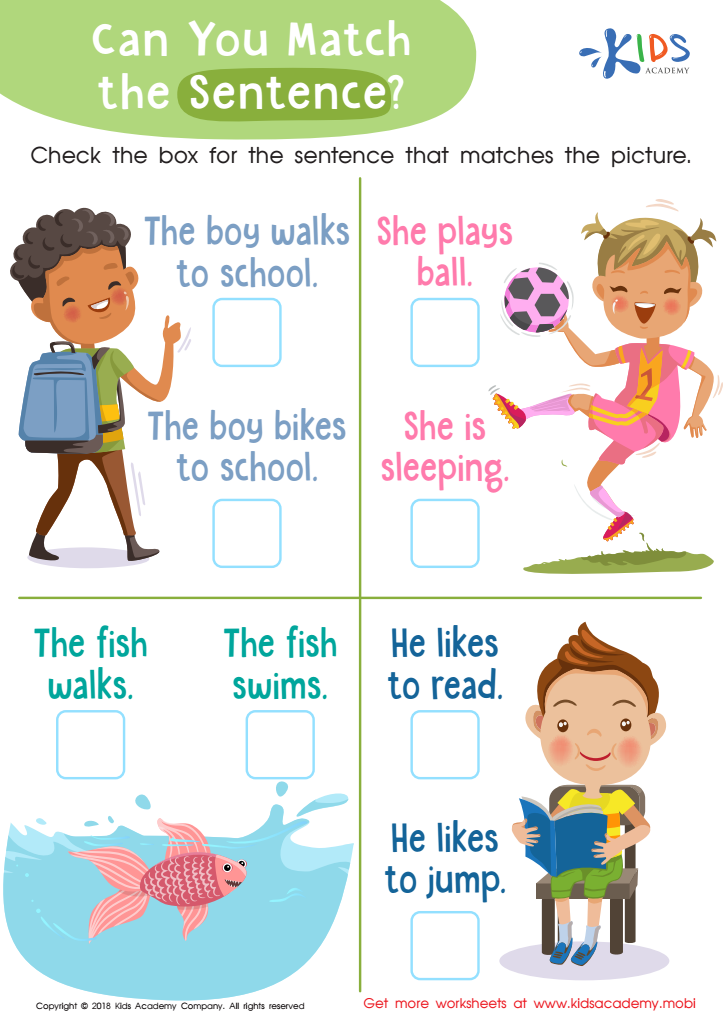
Can You Match the Sentence? Worksheet
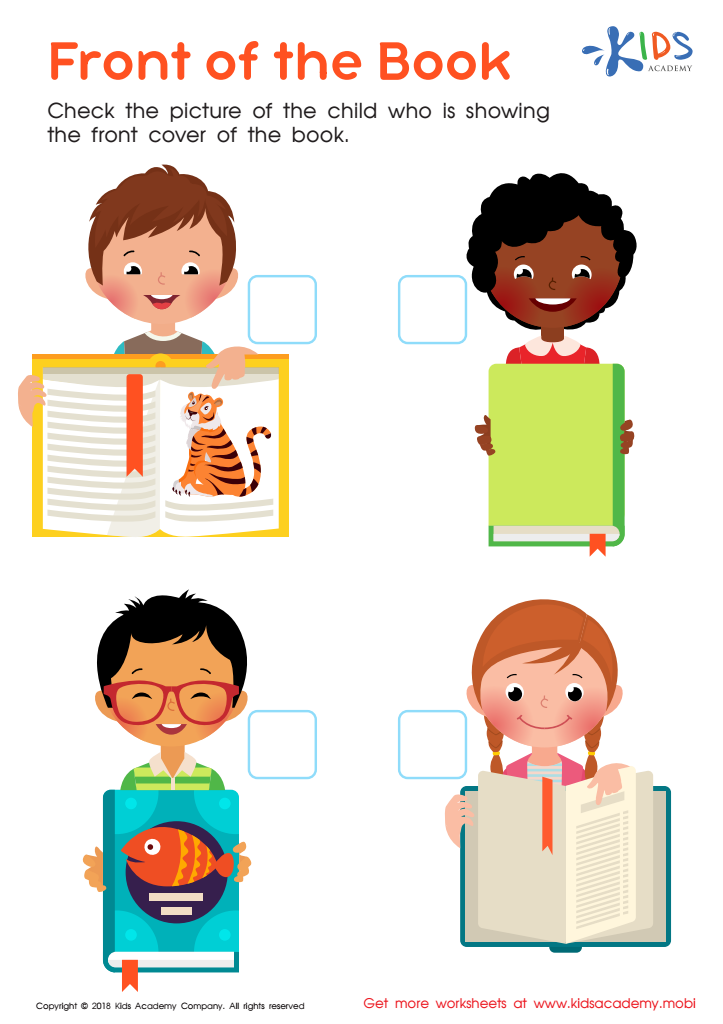
Front of the Book Worksheet
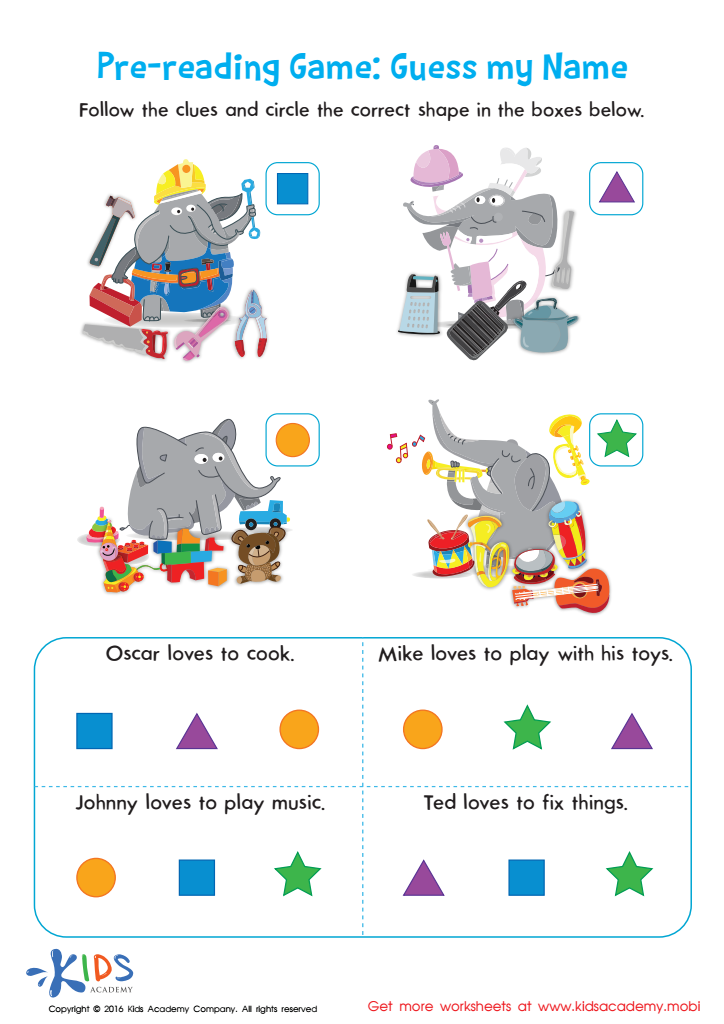
Pre Reading Worksheet Guess My Name






.jpg)

Reading skills, particularly in fiction, are essential for children aged 5-6 as they lay the foundation for lifelong literacy and learning. At this age, children are not only beginning to decode words but are also developing their comprehension skills—key components of effective reading. Reading fictional stories stimulates imagination and creativity, allowing children to explore different worlds, cultures, and experiences beyond their own.
Furthermore, engaging with fiction enhances emotional intelligence. Children learn to empathize with characters, understand their emotions, and recognize diverse perspectives, which promotes social skills and inclusivity. These narratives often convey moral lessons, encouraging ethical reasoning and critical thinking.
Parents and teachers should also be aware that skilled reading contributes to overall academic success. Children who read frequently and with understanding tend to perform better across subjects, as strong reading skills are vital for absorbing information in science, history, and more.
Ultimately, fostering a love for reading at this young age cultivates curiosity and a desire for knowledge, setting the stage for a child’s lifelong engagement with literature and learning. By prioritizing reading skills in fiction, adults can significantly influence a child’s cognitive and emotional growth, supporting a well-rounded education.








