Sequencing Skills Reading Fiction Worksheets for Ages 5-6
5 filtered results
-
From - To
Enhance your child's storytelling abilities with our Sequencing Skills Reading Fiction Worksheets designed for ages 5-6! These engaging worksheets help young learners organize events in the correct order, boosting their comprehension and critical thinking skills. Each activity features delightful stories that capture children's imaginations, making learning both fun and effective. As kids practice sequencing, they develop essential skills for reading fluency and narrative understanding. Ideal for teachers and parents alike, these worksheets are a fantastic resource for reinforcing literacy at home or in the classroom. Explore our collection now and help your little ones become confident readers!
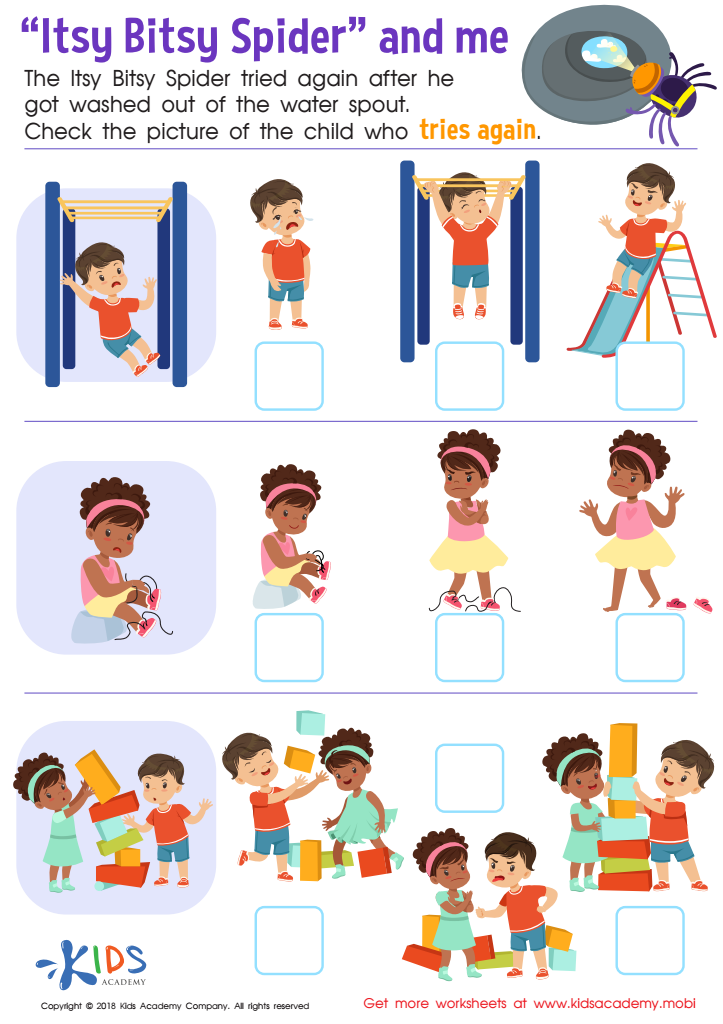
Itsy Bitsy Spider and Me Worksheet
 Assign to My Students
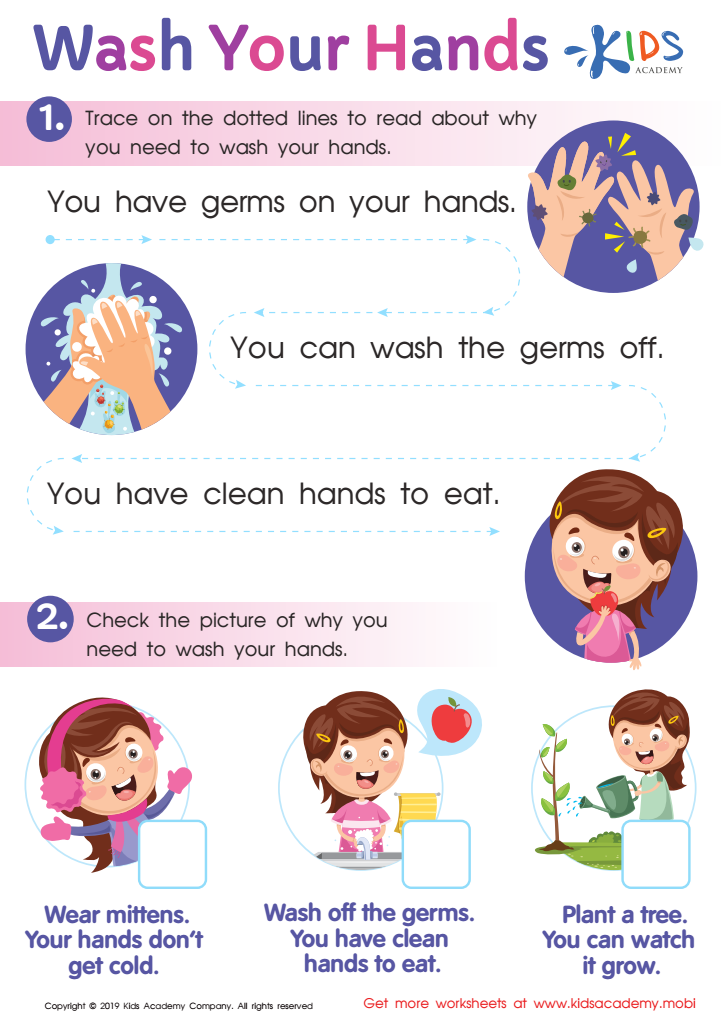
Wash Your Hands Worksheet
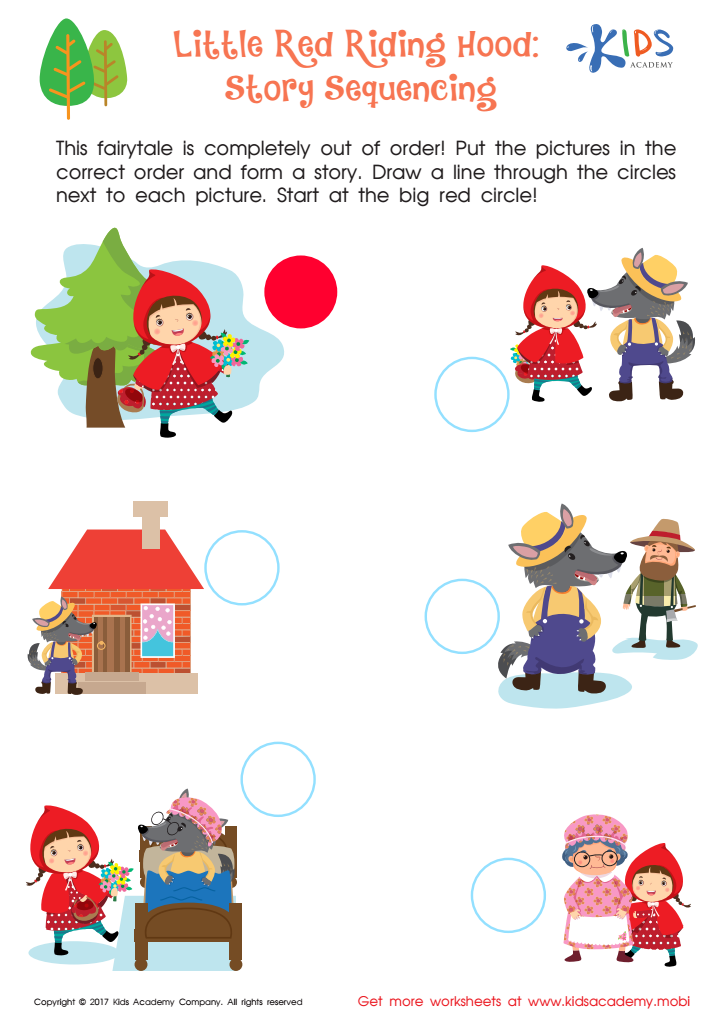
Story Sequencing Printable
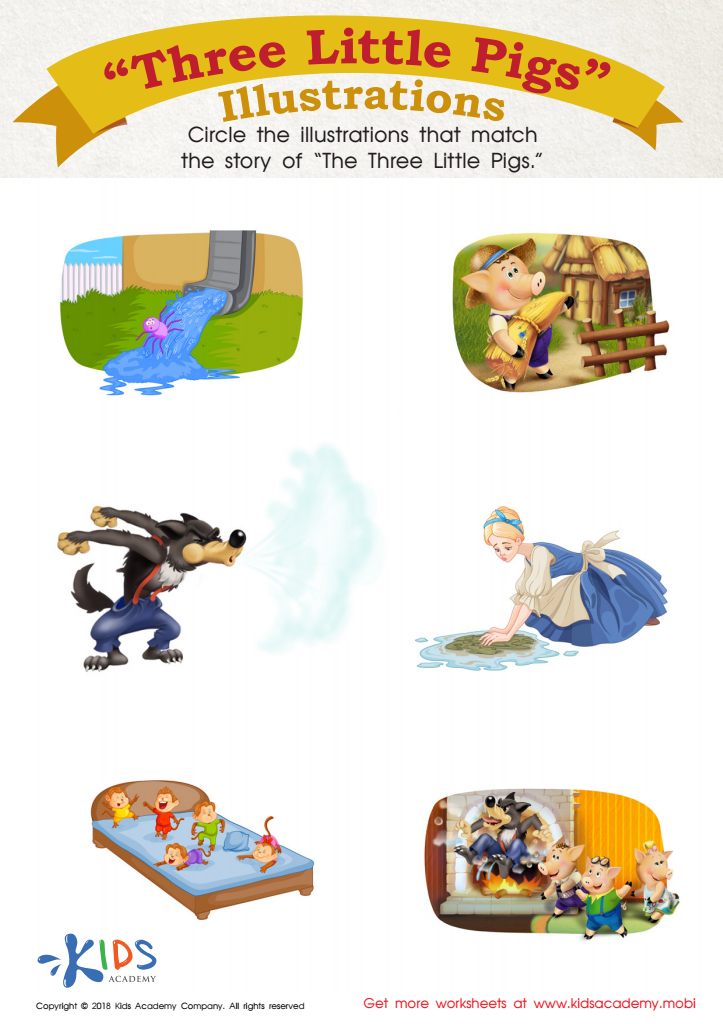
Three Little Pigs: Illustrations Worksheet
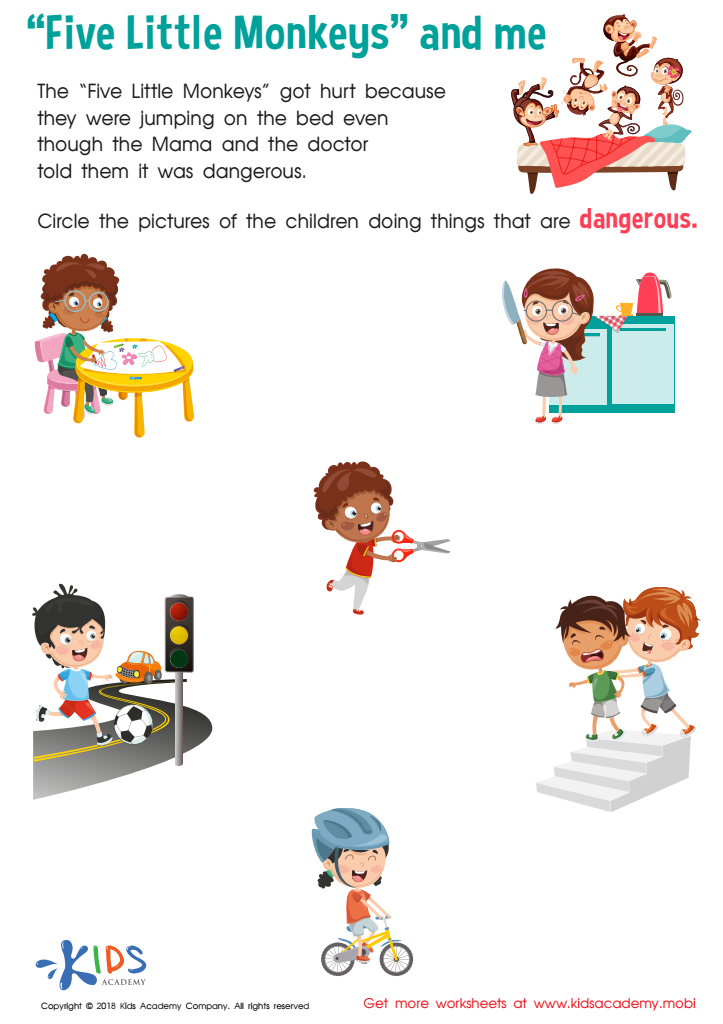
Five Little Monkeys and Me Worksheet







Sequencing skills, or the ability to understand the order of events in a story, are crucial for young readers, especially those aged 5-6. Developing this skill aids comprehension and is foundational for reading fluency, which sets the stage for future academic success. When children can sequence events, they grasp the narrative flow, understand character motivations, and make connections between events, ultimately enhancing their critical thinking abilities.
Parents and teachers should prioritize sequencing skills when reading fiction with young children for several reasons. First, it encourages active listening and engagement. As children retell stories, they practice organizing thoughts and expressing them logically. Second, strong sequencing skills contribute to a richer understanding of texts, enabling readers to infer meanings and predict what might happen next—skills that are essential for more complex reading later on.
Furthermore, sequencing activities make learning interactive and enjoyable, fostering a positive attitude towards reading. This can instill a lifelong love for books. By supporting the development of sequencing skills early on, parents and teachers empower children to navigate narratives more effectively and lay a strong foundation for literacy development, ultimately preparing them for various challenges in their academic journeys.








