Shape Recognition Reading Fiction Worksheets for Ages 5-6
3 filtered results
-
From - To
Discover our engaging Shape Recognition Reading Fiction Worksheets designed for children ages 5-6. These expertly crafted resources combine the excitement of storytelling with the fundamental skill of shape recognition, enhancing both reading and cognitive abilities. Each worksheet is filled with colorful, imaginative stories that captivate young minds while introducing them to circles, squares, triangles, and more. Perfect for at-home learning or classroom activities, these worksheets help kids build a strong foundation in geometry and literacy. Foster a love for reading and shape identification with activities tailored for young learners' developmental needs. Get started on a fun educational adventure today!
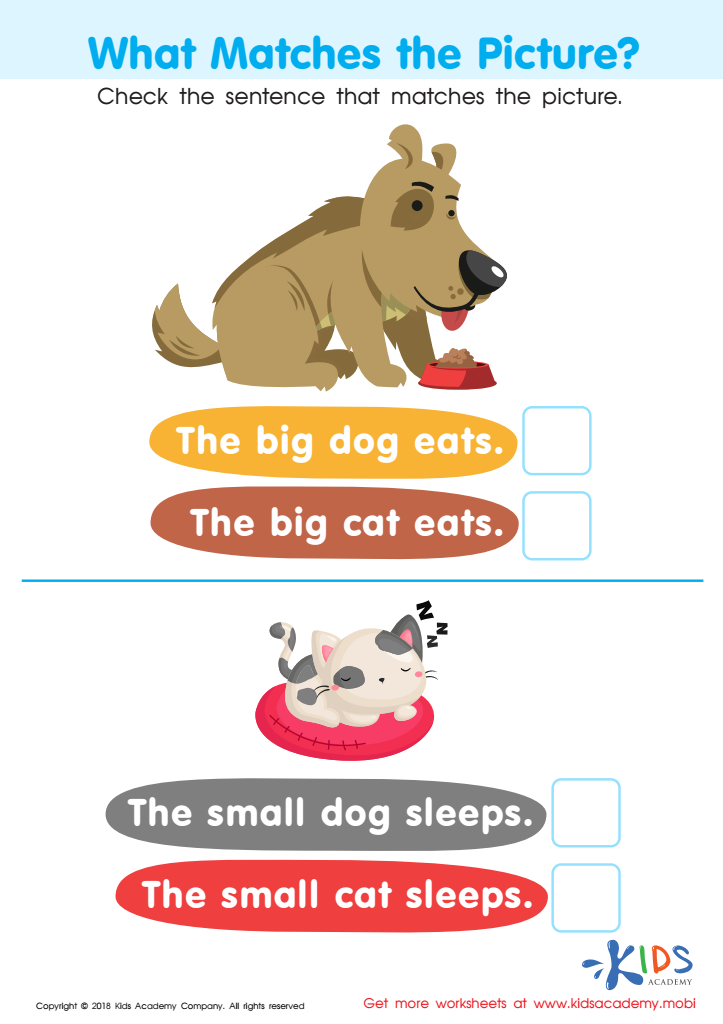
What Matches the Picture? Worksheet
 Assign to My Students

Take a Look - Part 1 Worksheet
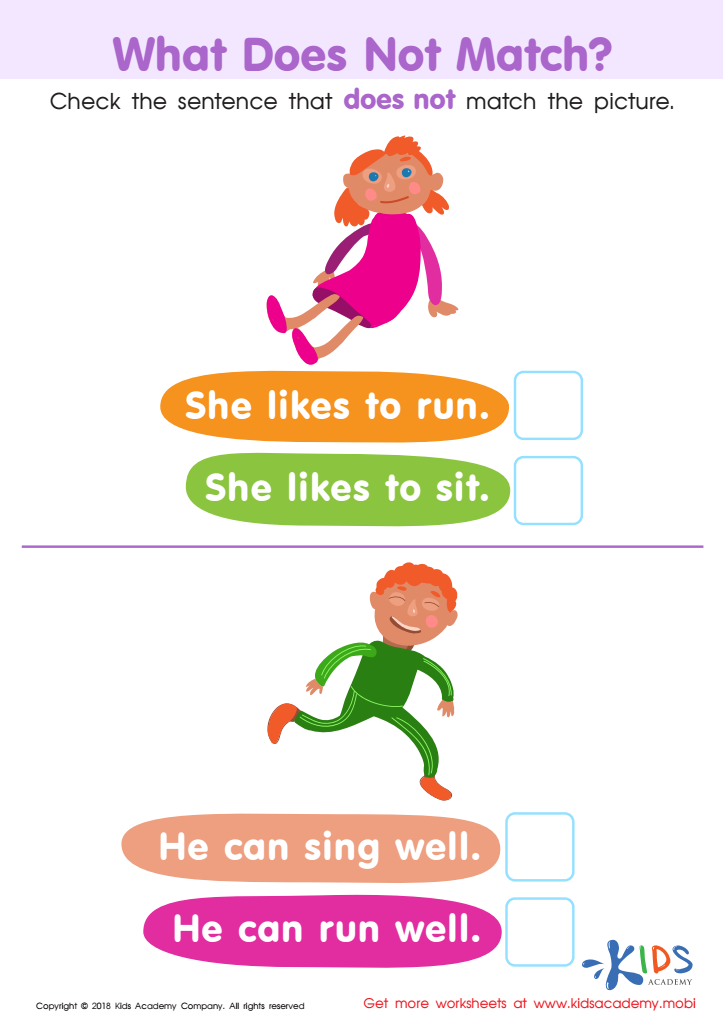
What Does Not Match? Worksheet







Shape recognition and reading fiction are critical skills in the developmental journey of children ages 5-6. For parents and teachers, fostering these abilities is crucial for several reasons.
First, shape recognition is foundational to early math and literacy skills. When children learn to identify and differentiate shapes, they build their spatial awareness and visual perception capabilities. These skills are directly connected to understanding numbers, patterns, letters, and words, which are essential for academic success.
Second, reading fiction introduces young learners to new vocabulary, sentence structures, and concepts. Fiction helps develop imagination, empathy, and critical thinking. Through storytelling, children can explore different scenarios, emotions, and cultures, which aids in developing social understanding and emotional intelligence.
When parents and teachers integrate shape recognition activities with reading fiction, they create a holistic learning environment. Interactive activities like drawing scenes from a story or identifying shapes within illustrations in books make learning engaging and relevant. These integrated practices enhance children's ability to relate new knowledge to their existing understanding, promoting cognitive growth.
In summary, caring about these foundational skills ensures that children develop a robust framework for future learning, laying the groundwork for both academic proficiency and emotional well-being. By valuing shape recognition and the reading of fiction, adults can support children in becoming well-rounded, curious, and competent learners.








