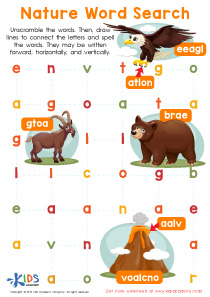
Counting skills Sight Words Worksheets for Ages 5-6
17 filtered results
Difficulty Level
Grade
Age
-
From - To
Subject
Activity
Standards
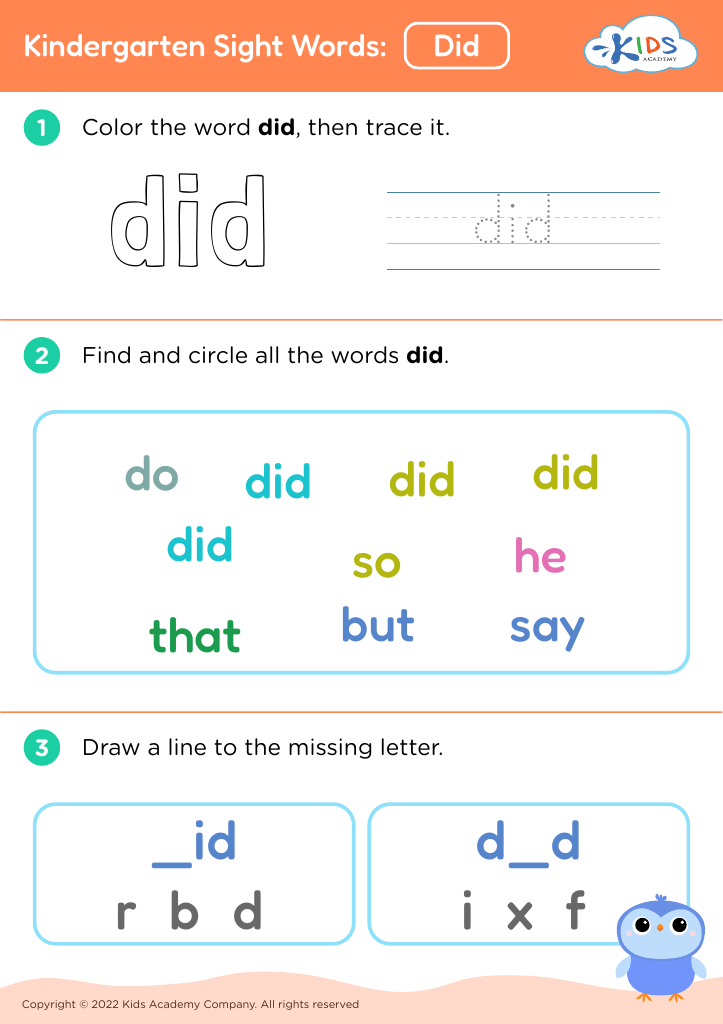
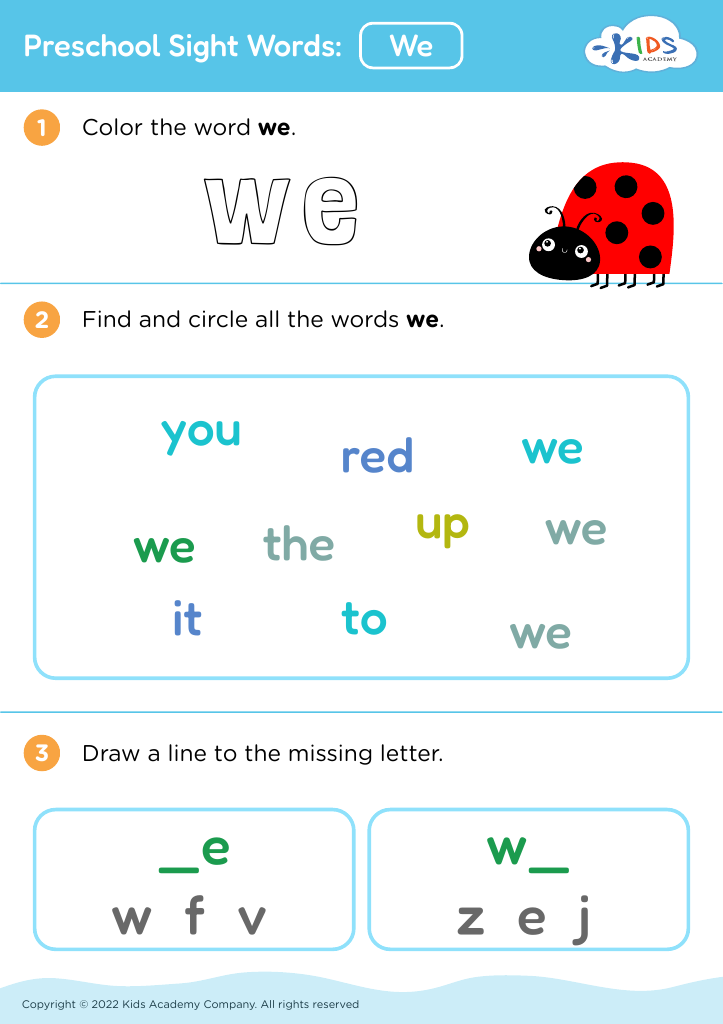
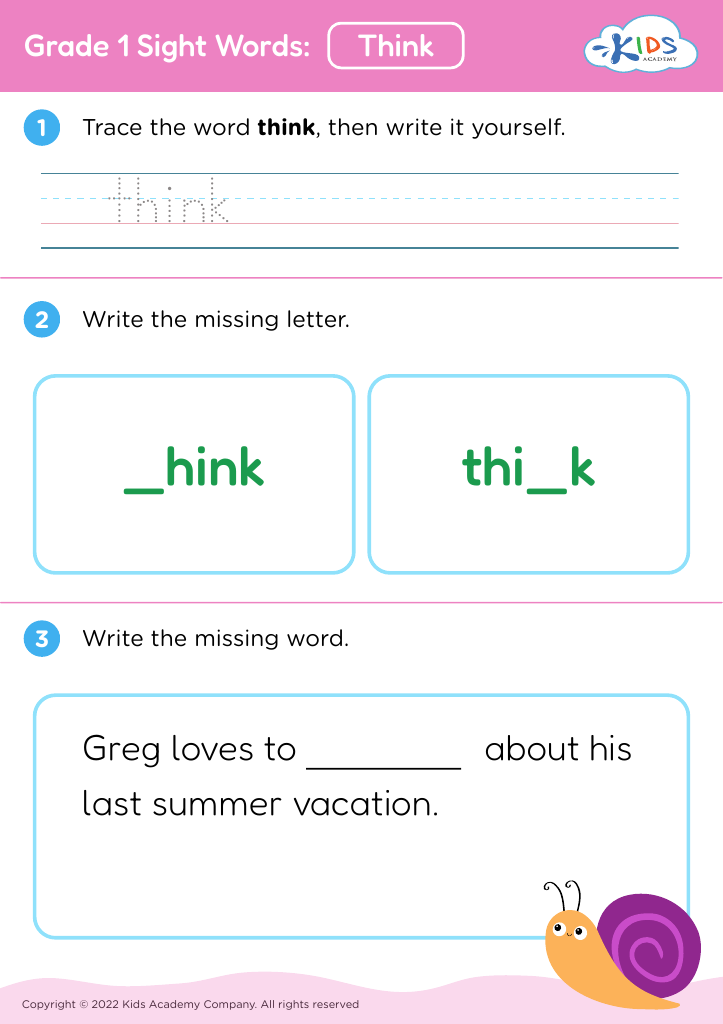
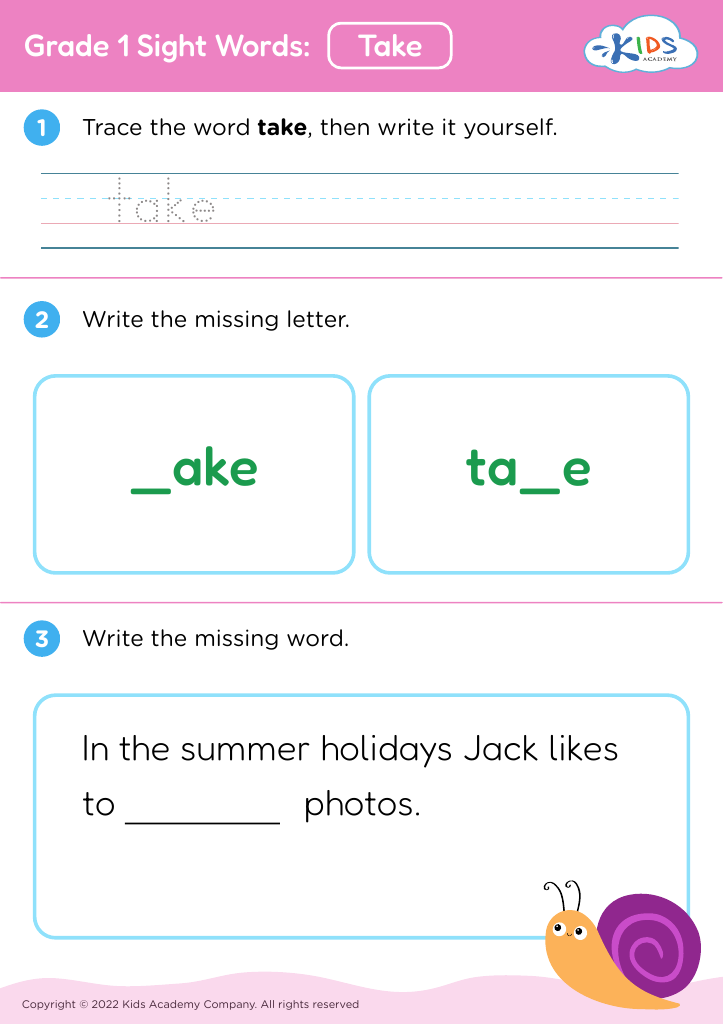
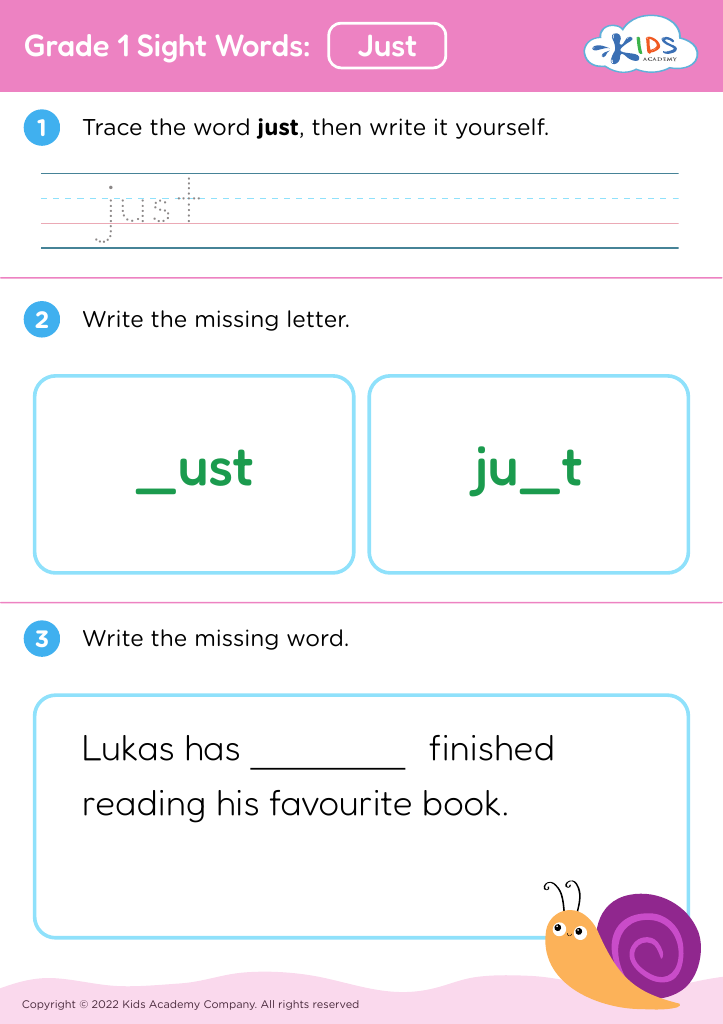
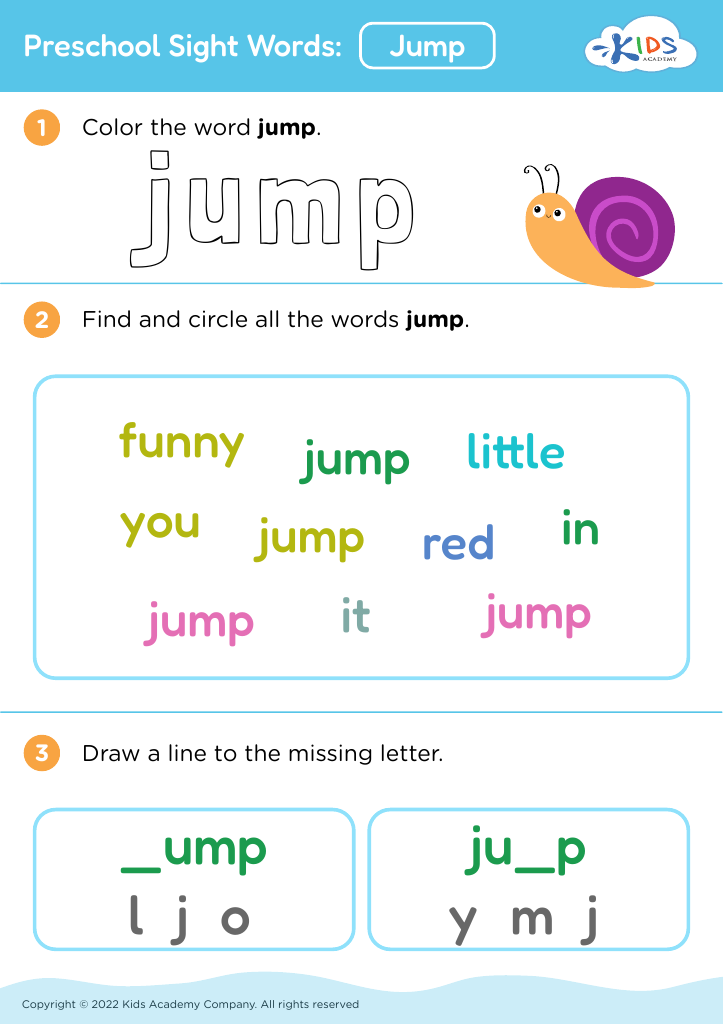
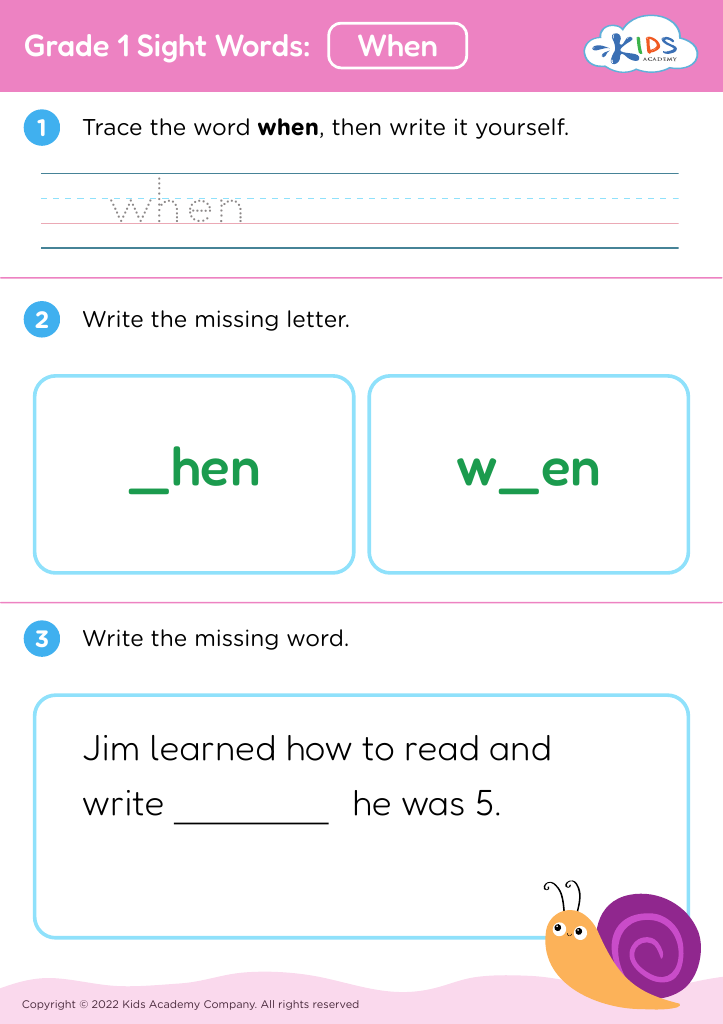
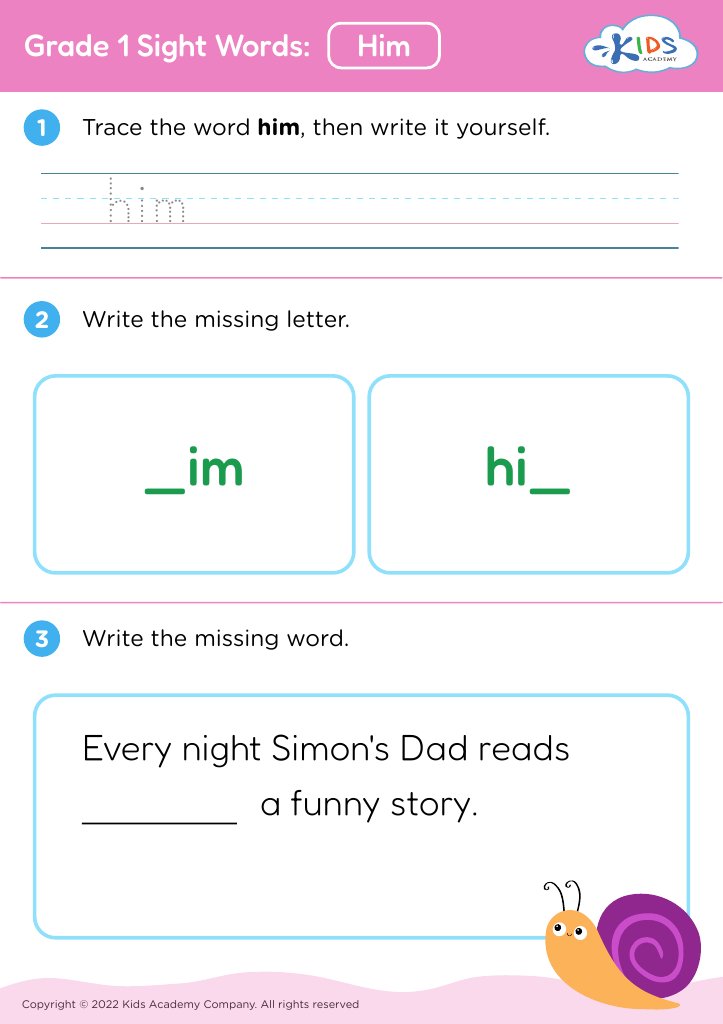
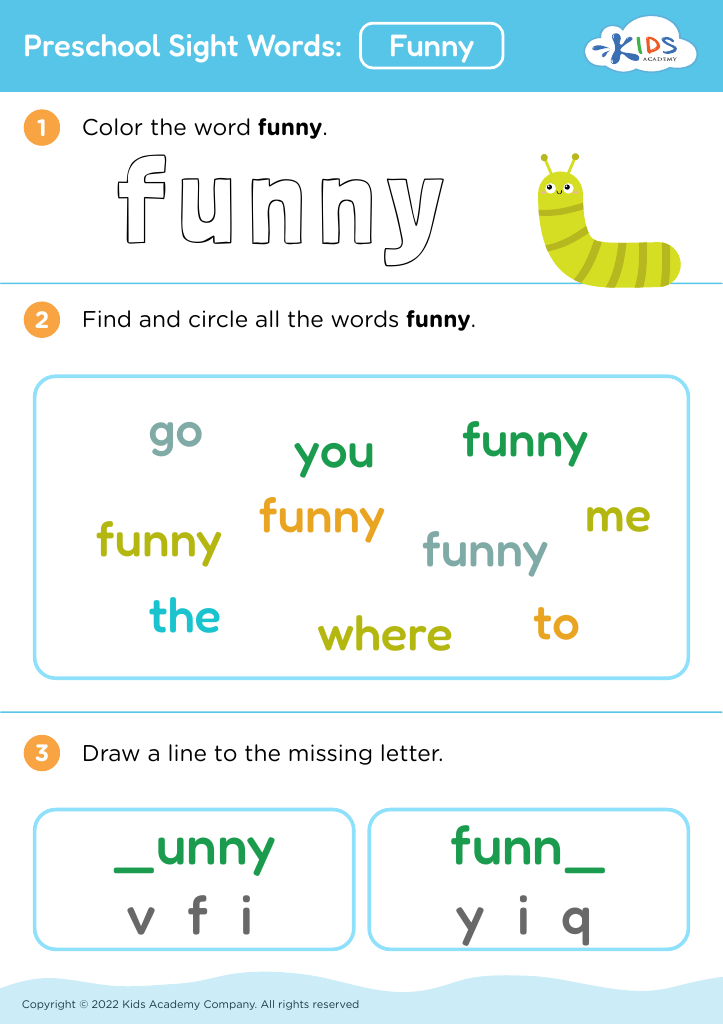
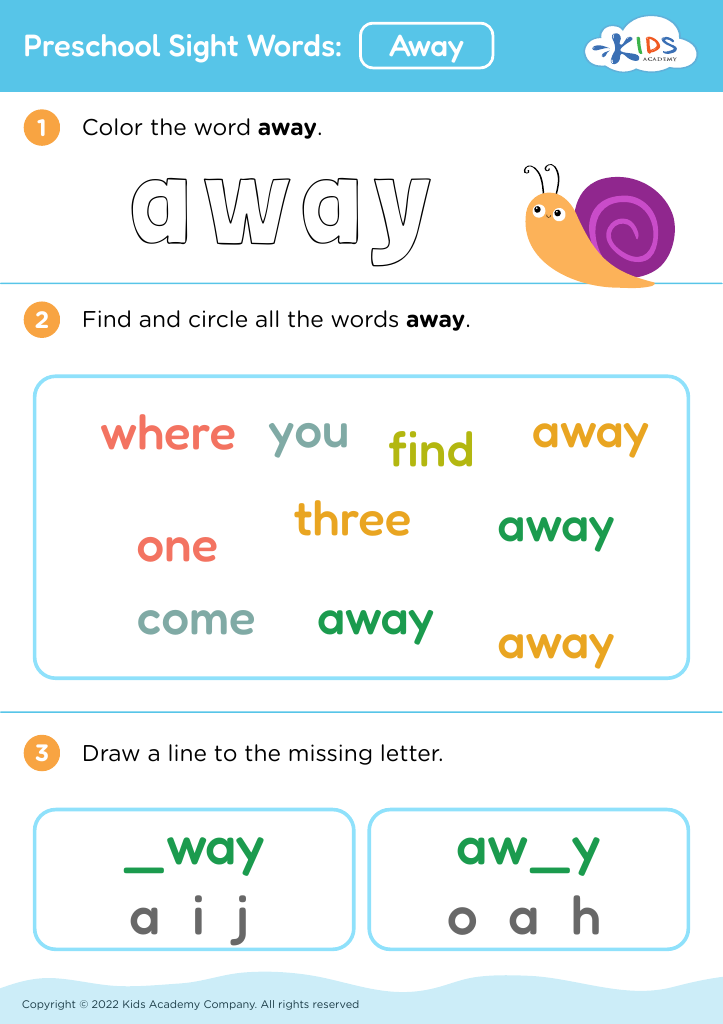
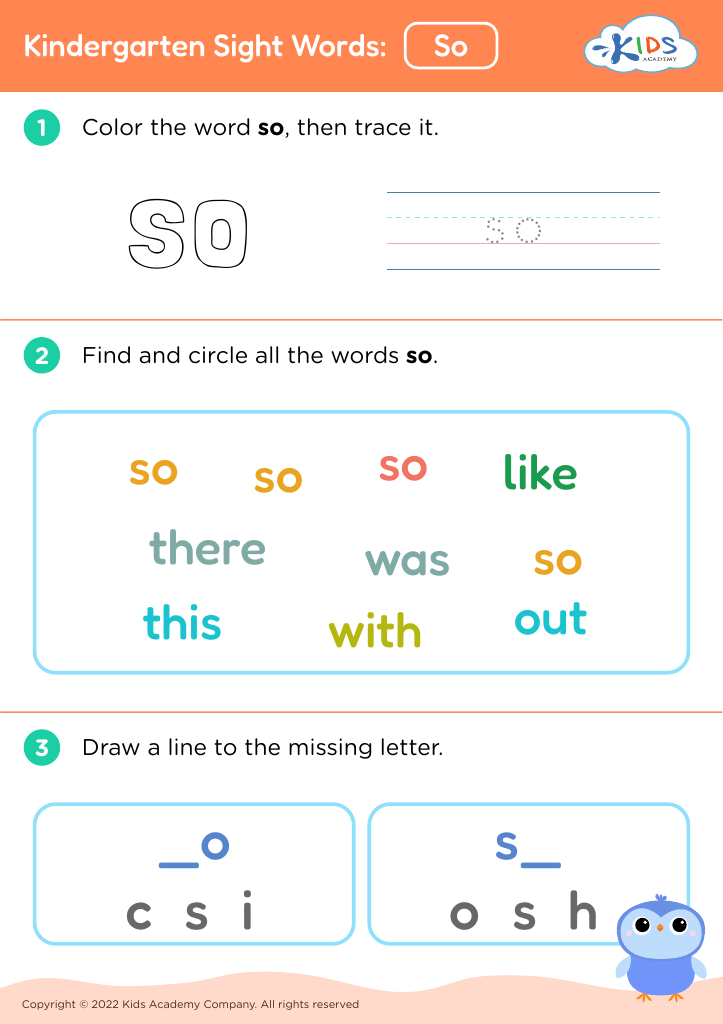
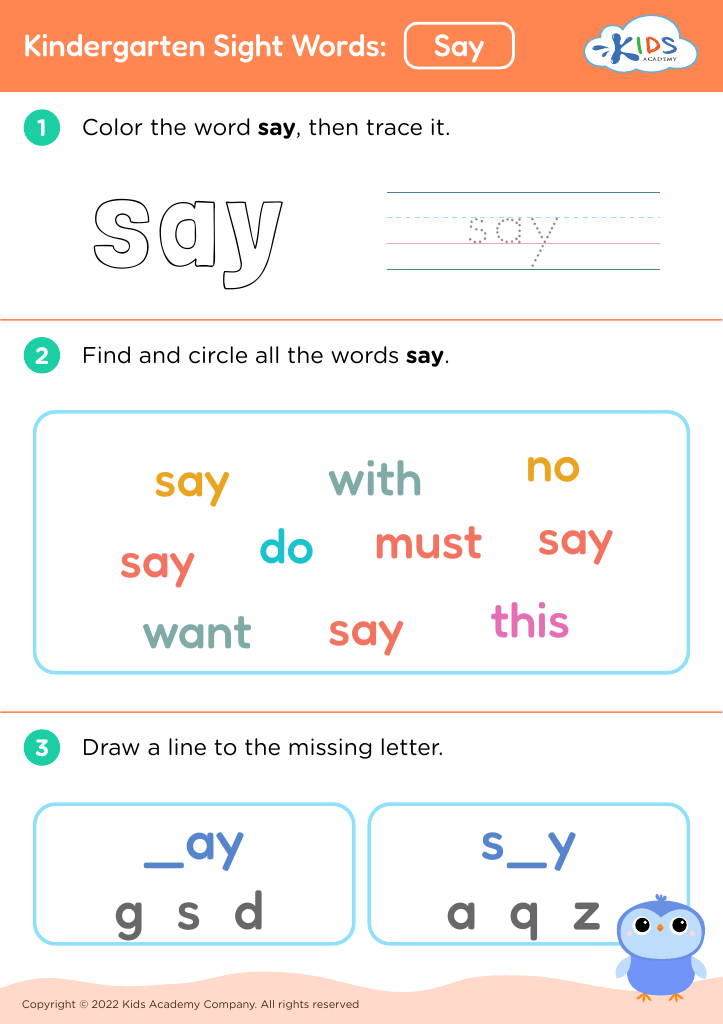
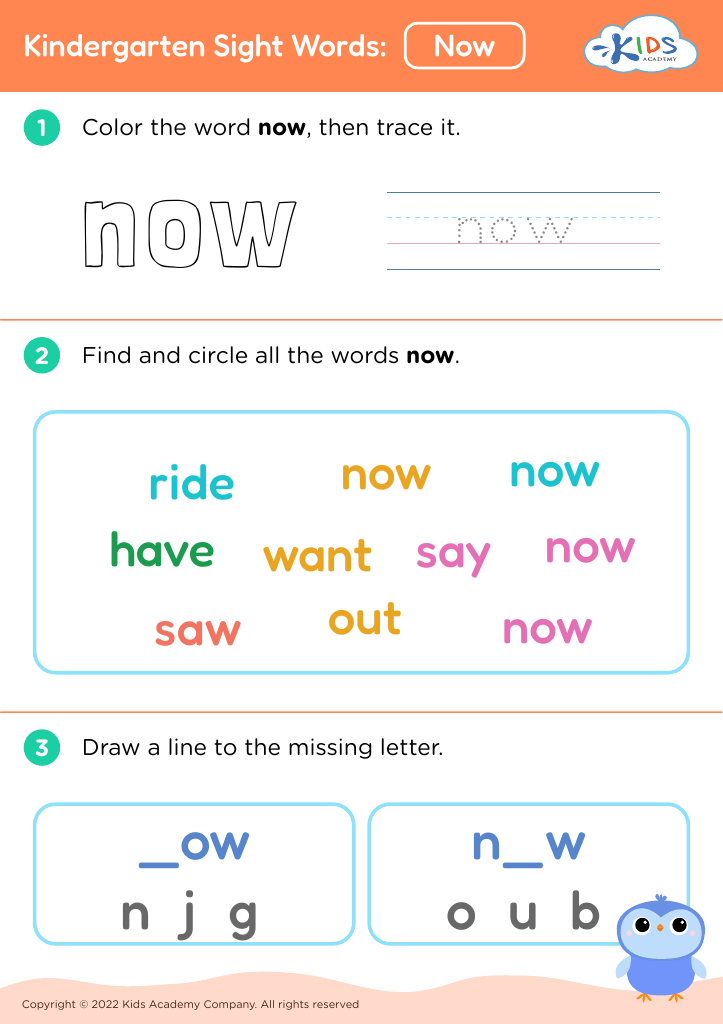
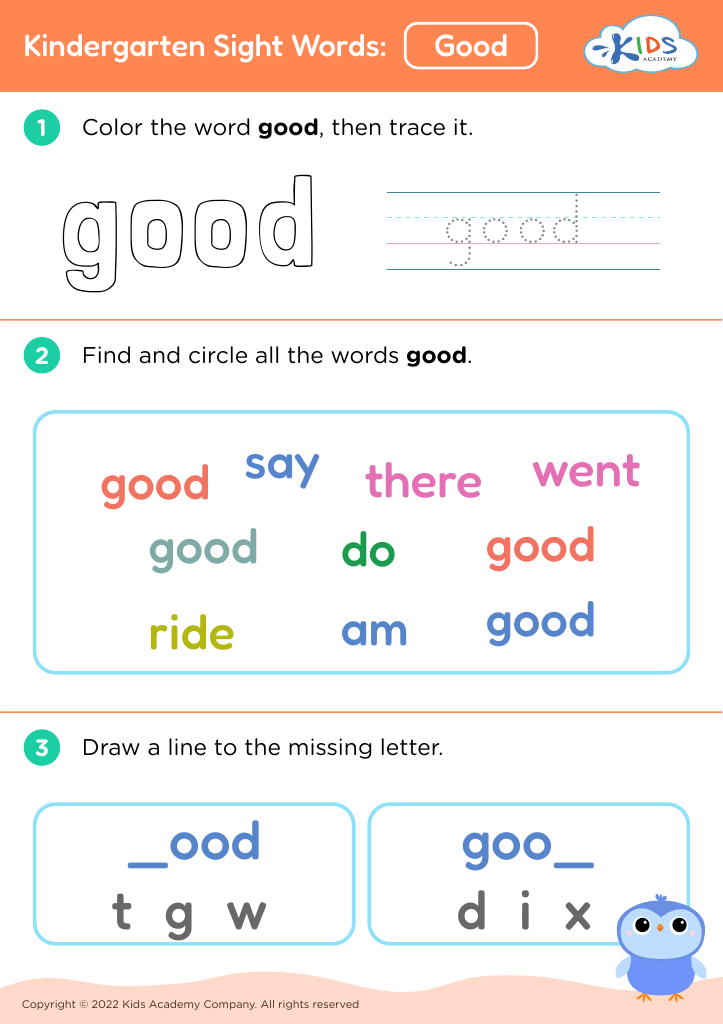
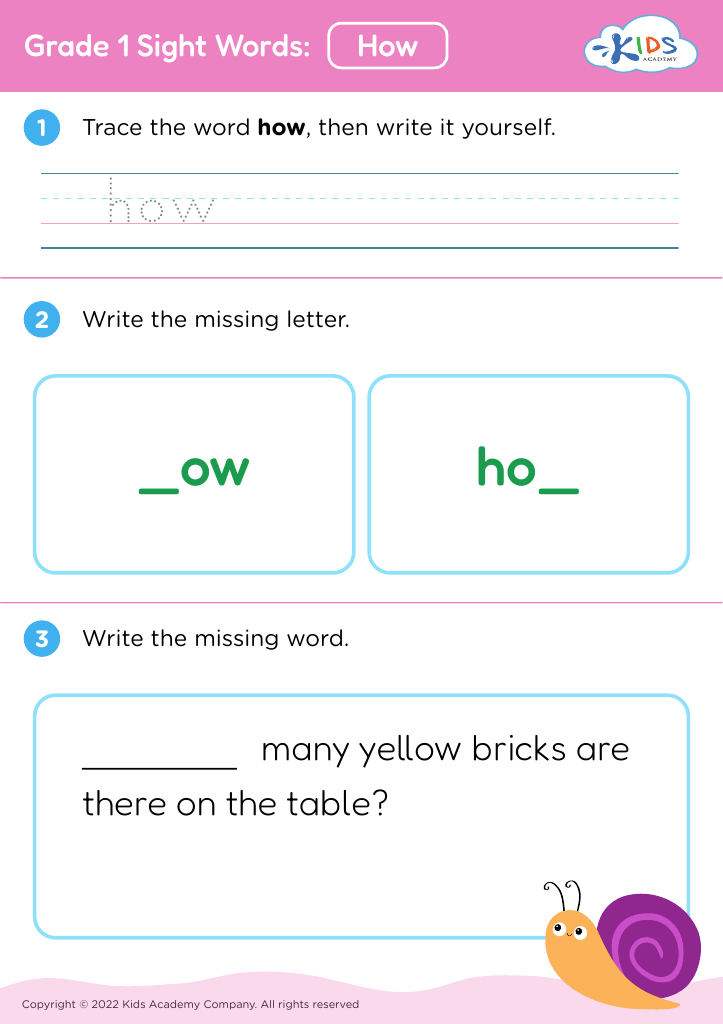
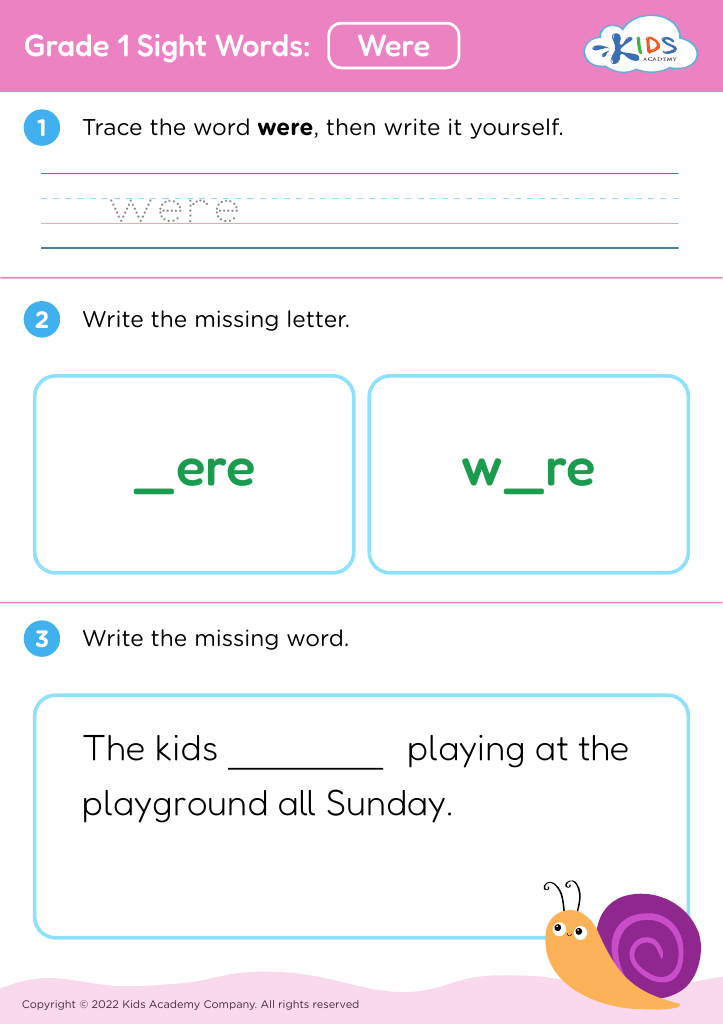
Enhance your child's learning journey with our "Counting Skills Sight Words Worksheets for Ages 5-6." Designed to support early literacy and numeracy, these engaging worksheets seamlessly integrate counting practice with sight word recognition. Kids will enjoy fun activities that boost their confidence and build essential skills for reading and math. Each worksheet features colorful illustrations and interactive exercises that make learning enjoyable and effective. Perfect for home or classroom use, our resources cater to young learners' developmental needs while aligning with educational standards. Help your child become a confident reader and thinker today with our thoughtfully crafted worksheets!
Favorites
With answer key
Interactive
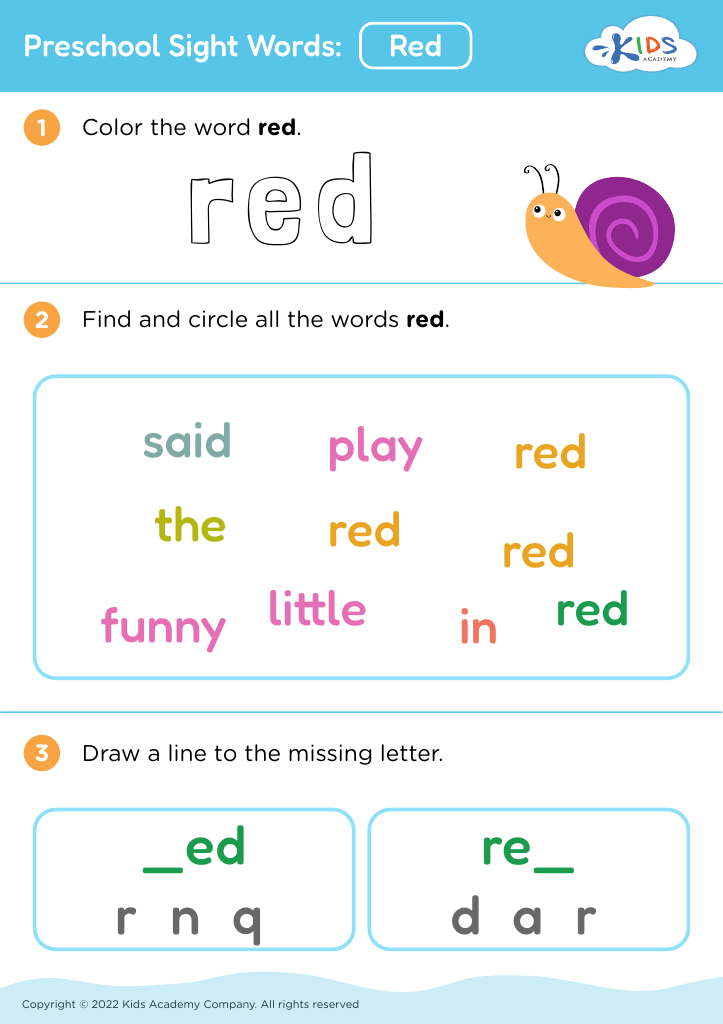






Join Kids Academy for Free
Who is primarily going to use this learning content?






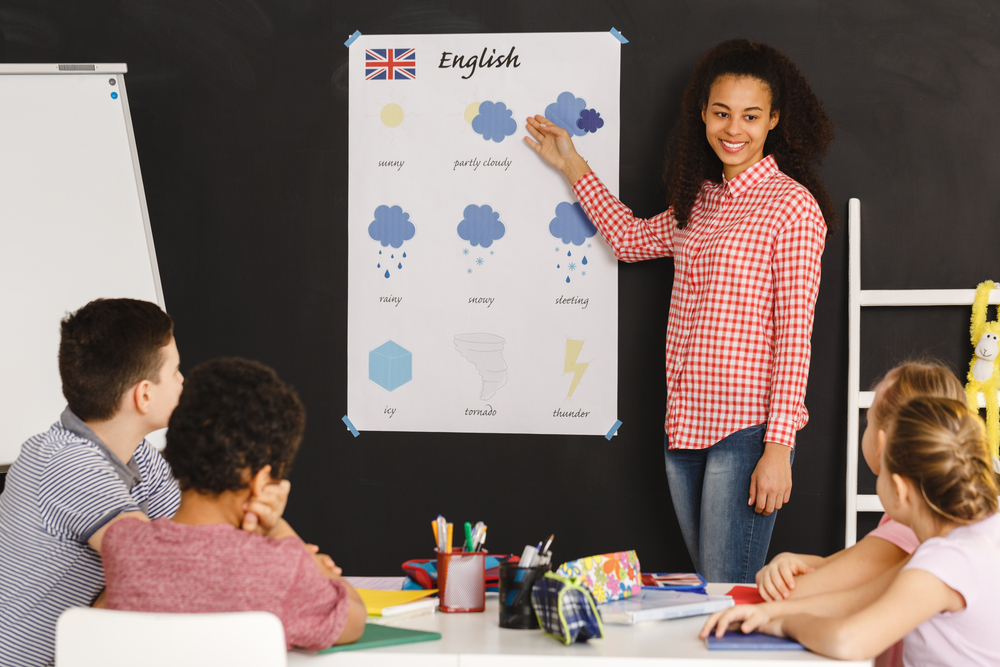

Counting skills and sight words are foundational for early learners aged 5-6, significantly impacting their future academic success. First, counting skills enhance cognitive development, providing children with essential number sense, problem-solving abilities, and analytical thinking. Mastering counting allows children to grasp concepts such as addition and subtraction, laying the groundwork for mathematics as they progress in school.
Similarly, sight words play a crucial role in reading proficiency. These common words appear frequently in texts, and recognizing them automatically enables young readers to read fluently without pausing to sound out each word. This fluency not only boosts comprehension but also fosters a love for reading, encouraging a lifelong habit of learning.
For parents and teachers, nurturing counting skills and sight word recognition offers a dual benefit: building confidence in students and creating a strong foundational skills set that allows them to excel in later grades. By investing time in these areas, adults can support children in developing essential communication and numeracy skills, empowering them to engage more fully with their education and navigate daily life with competence. As we prioritize these early learning milestones, we set the stage for improved academic outcomes and lifelong success.