Develop critical thinking Sight Words Worksheets for Ages 5-6
3 filtered results
Difficulty Level
Grade
Age
-
From - To
Subject
Activity
Standards
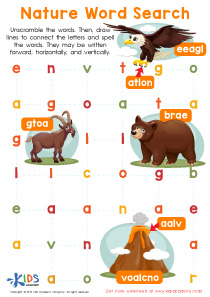
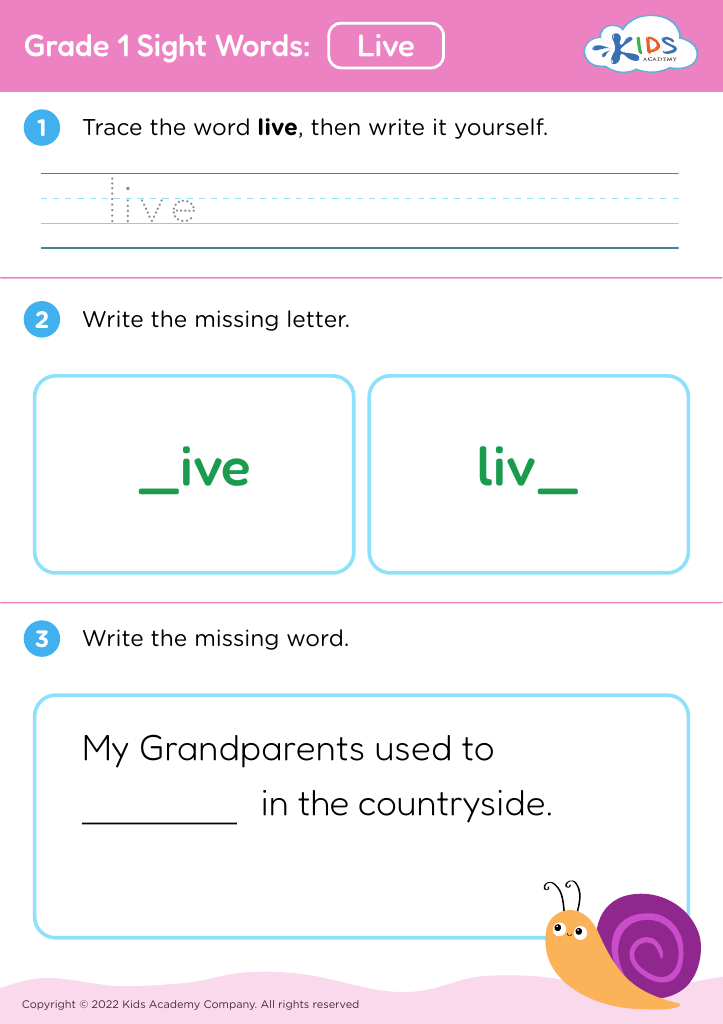
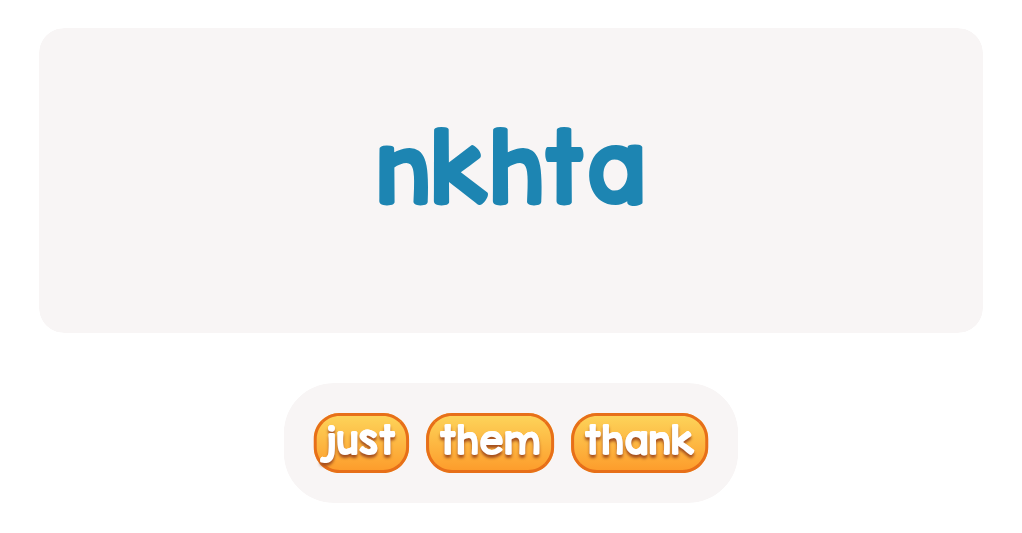
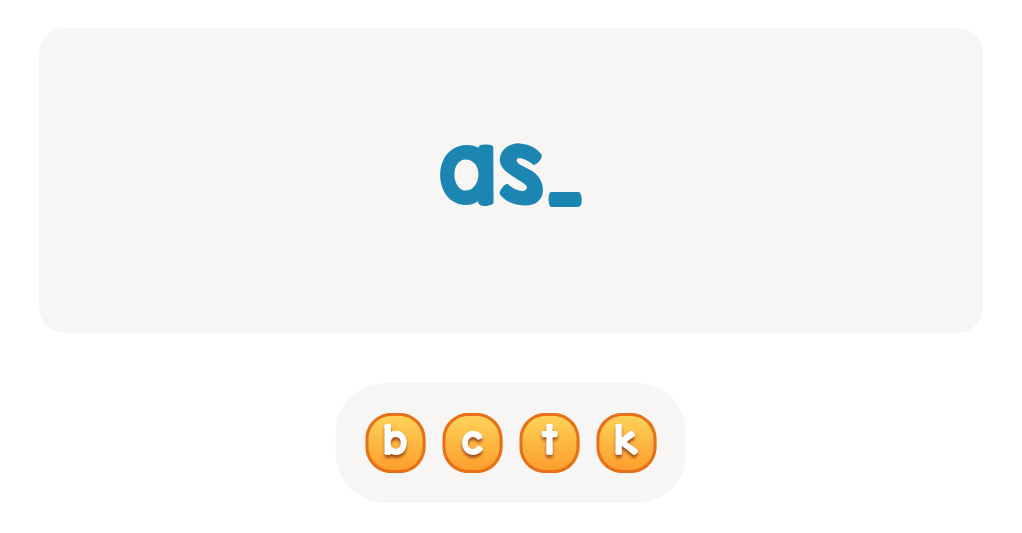
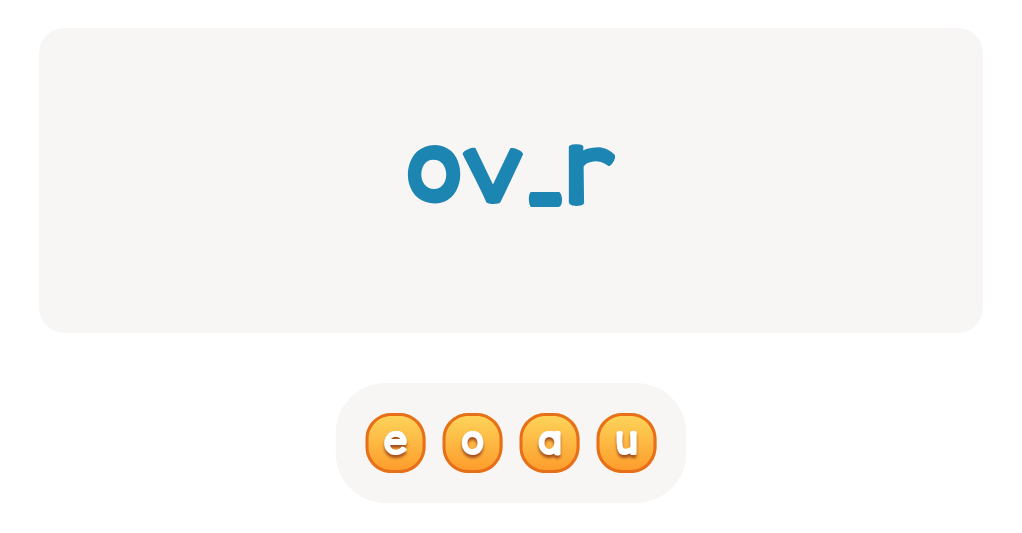
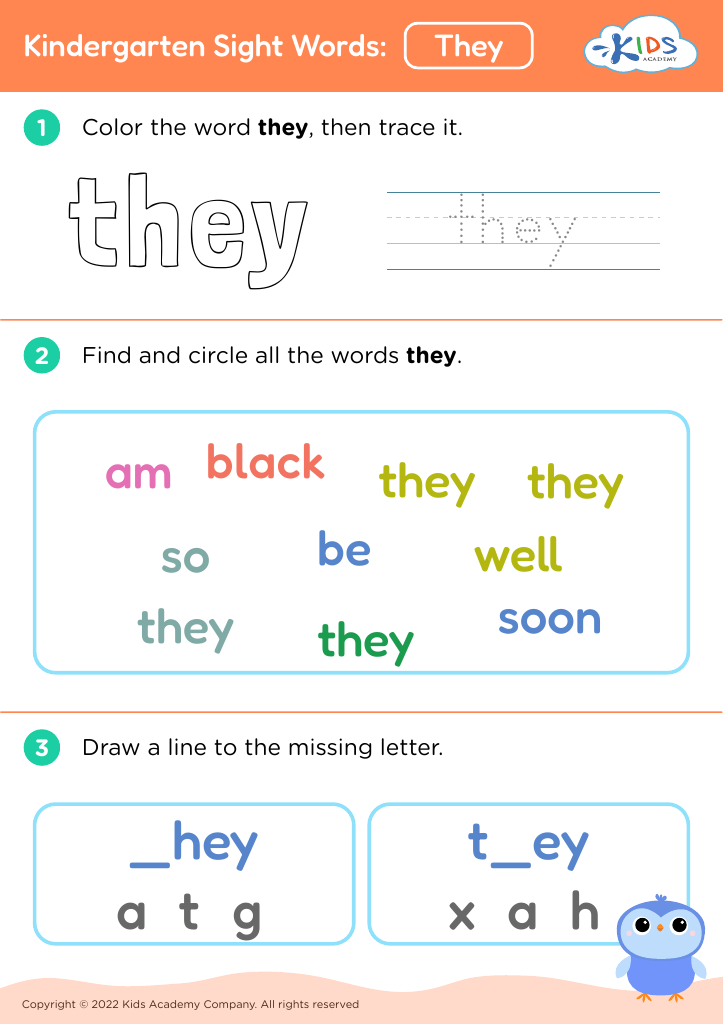
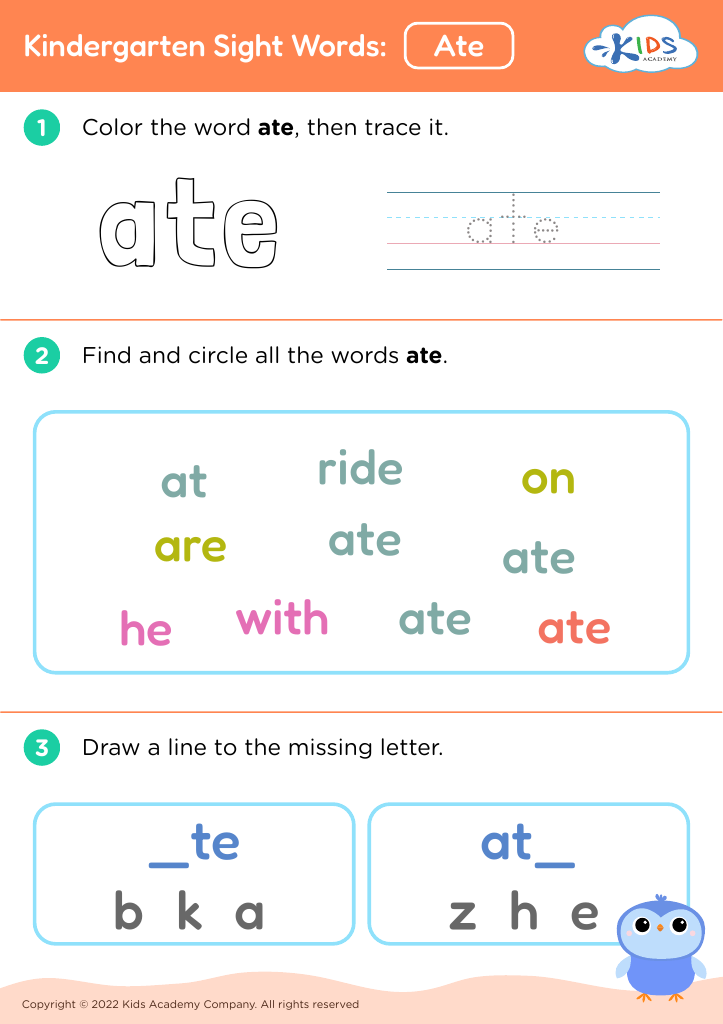
Enhance your child's reading and cognitive skills with our engaging "Develop Critical Thinking Sight Words Worksheets" designed for ages 5-6. These worksheets are crafted to not only familiarize young learners with essential sight words but also to stimulate critical thinking through fun activities. Your child will connect words with images, solve puzzles, and engage in thoughtful discussions, making reading a dynamic experience. Our worksheets promote vocabulary retention and comprehension while fostering creativity and problem-solving skills. Perfect for parents and educators, these resources will help your child build a strong foundation in literacy. Start their journey to becoming confident readers today!
Favorites
With answer key
Interactive




Join Kids Academy for Free
Who is primarily going to use this learning content?





.jpg)


Developing critical thinking skills in young children, particularly through the interactive use of sight words, is vital for their overall cognitive growth and literacy. At ages 5-6, children begin to form the foundations for reading and comprehension, making understanding sight words crucial. Sight words, or high-frequency words that children can recognize instantly, play a significant role in fluency, which frees up cognitive resources for deeper thought processes.
By integrating sight words with critical thinking exercises, educators and parents can enhance children’s ability to analyze, evaluate, and create. For example, when children encounter a familiar sight word, they can be encouraged to make predictions, draw inferences, or ask questions about the text they read. This not only strengthens their reading skills but also stimulates their imagination and helps develop their reasoning abilities.
Moreover, critical thinking through sight words lays the groundwork for problem-solving skills that students will need as they progress in their education. In essence, focusing on edifying sight words through critical thinking equips children with essential academic competencies, fosters a love for reading, and prepares them for a successful learning journey in the years to come. Thus, investing in these skills yields long-term benefits for young learners.