Understanding bar graphs Sight Words Worksheets for Ages 5-6
3 filtered results
-
From - To
Nurture your child's data interpretation skills with our "Understanding Bar Graphs Sight Words Worksheets" designed for kids aged 5-6. These engaging and educational worksheets help young learners grasp basic concepts of bar graphs and sight words. Through fun activities and colorful visuals, children can quickly learn to analyze simple data, boosting both their reading and analytical skills. Perfect for early learners, our worksheets turn complex ideas into playful learning experiences, setting the foundation for future success in academics. Explore the joy of learning with our expertly designed, age-appropriate materials tailored to foster curiosity and comprehension.
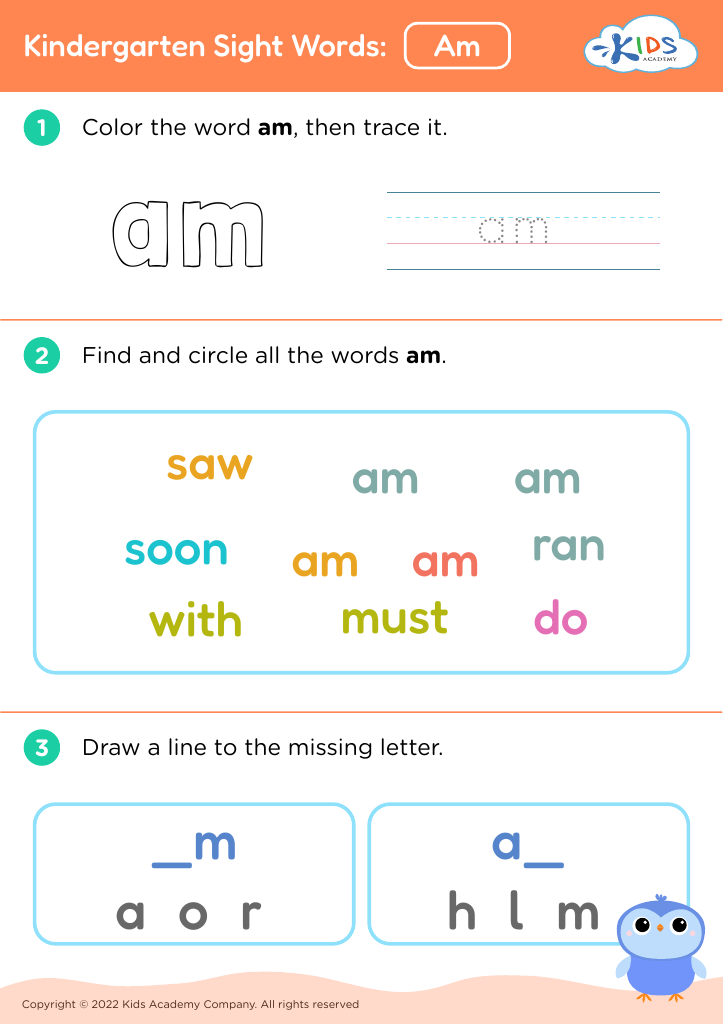

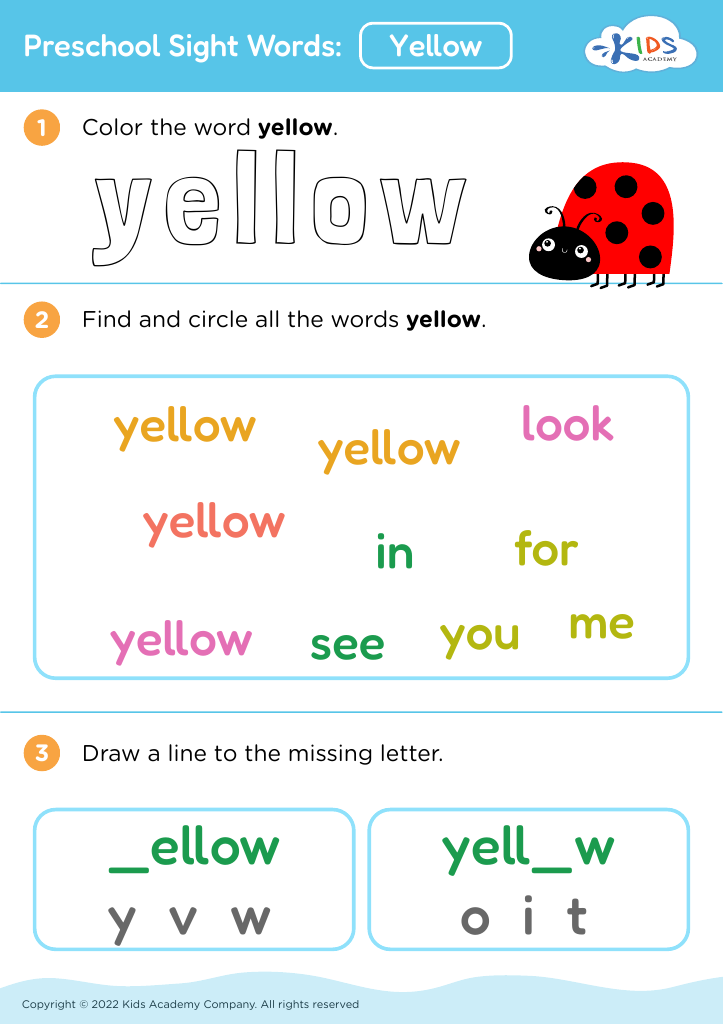
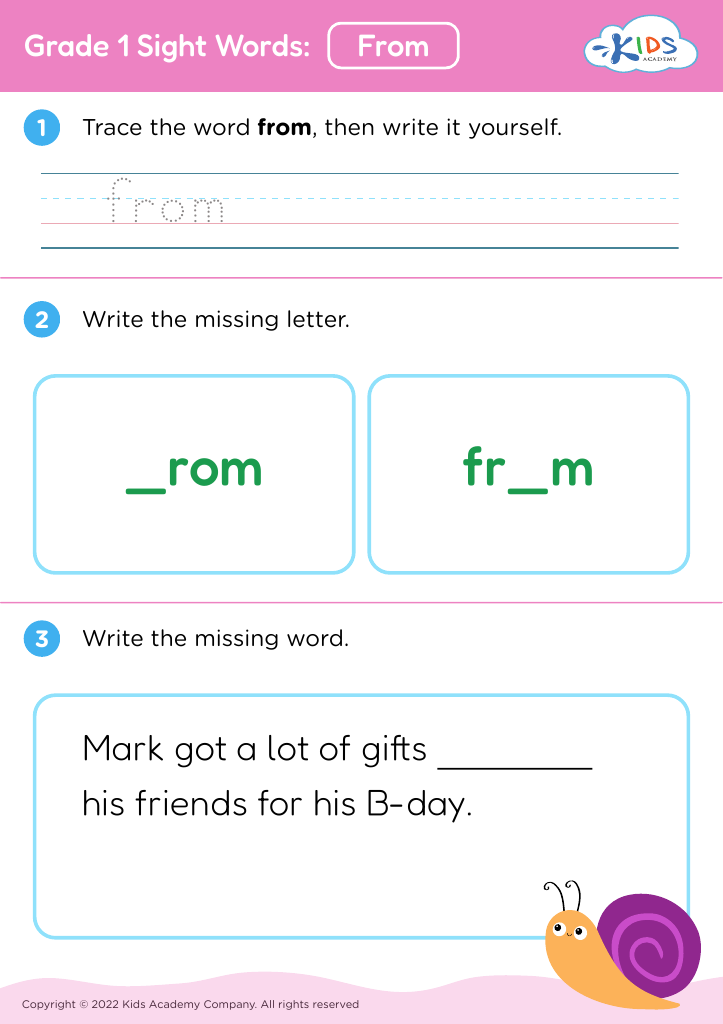


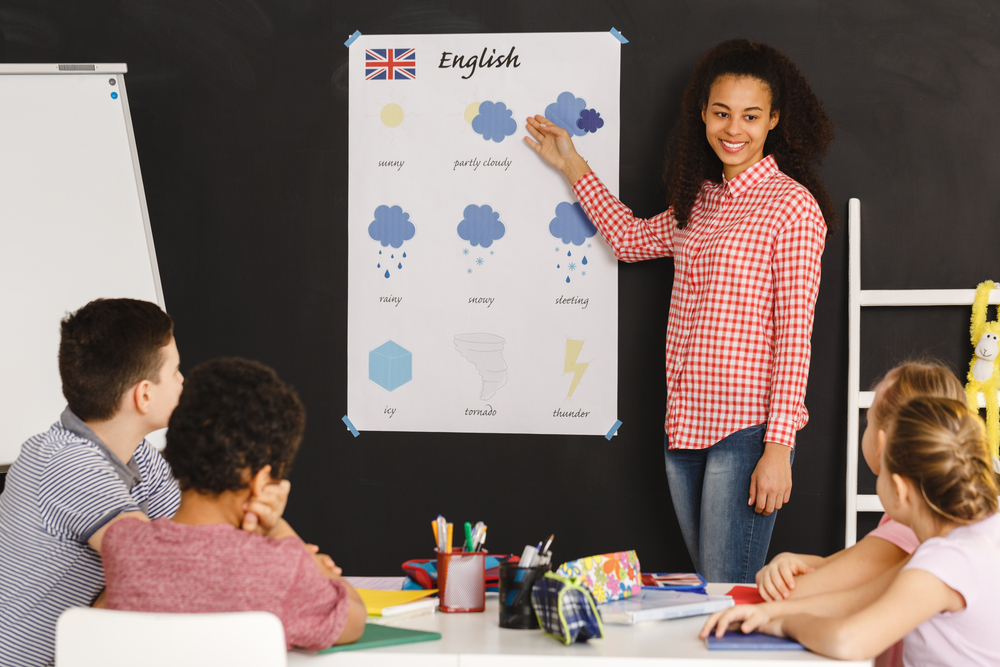





Understanding bar graphs and sight words is fundamental for children aged 5-6 as they lay the groundwork for critical cognitive and literacy skills. Sight words, which are commonly used words that young learners must recognize on sight, are pivotal in helping children develop reading fluency. By learning sight words, children can read more smoothly without needing to sound out every word, fostering confidence and the ability to tackle more complex texts.
Parallelly, understanding bar graphs introduces children to basic data interpretation and mathematical thinking. Bar graphs help young learners visually organize information, making abstract concepts more concrete. This visual representation is crucial as it helps children grasp comparisons, differences, and patterns, facilitating a better understanding of numerical data.
Together, these skills synergize to enhance overall academic proficiency. Recognizing sight words can speed up reading processes, impacting comprehension positively. In contrast, bar graph literacy encourages logical thinking and analytical abilities. Parents and teachers should prioritize these fundamentals to equip children with the tools they need for success in reading and math, setting a strong foundation for future learning. Fostering these skills early on ensures that young learners are well-prepared for the increasing complexities of their educational journey.