Logical thinking Grammar Worksheets for Ages 5-6
3 filtered results
-
From - To
Boost your child's grammar and logical thinking skills with our specially designed worksheets for ages 5-6. These engaging activities blend fun and learning to help young minds develop fundamental language abilities. Each worksheet builds on basic grammar concepts while enhancing problem-solving and critical thinking, crucial for early development. Crafted by education experts, our resources ensure your child gains confidence in writing and comprehension through clear, step-by-step exercises. Perfect for at-home practice or supplementing school lessons, our Logical Thinking Grammar Worksheets set the foundation for lifelong learning in a supportive and exciting way. Ideal for dynamic young learners!
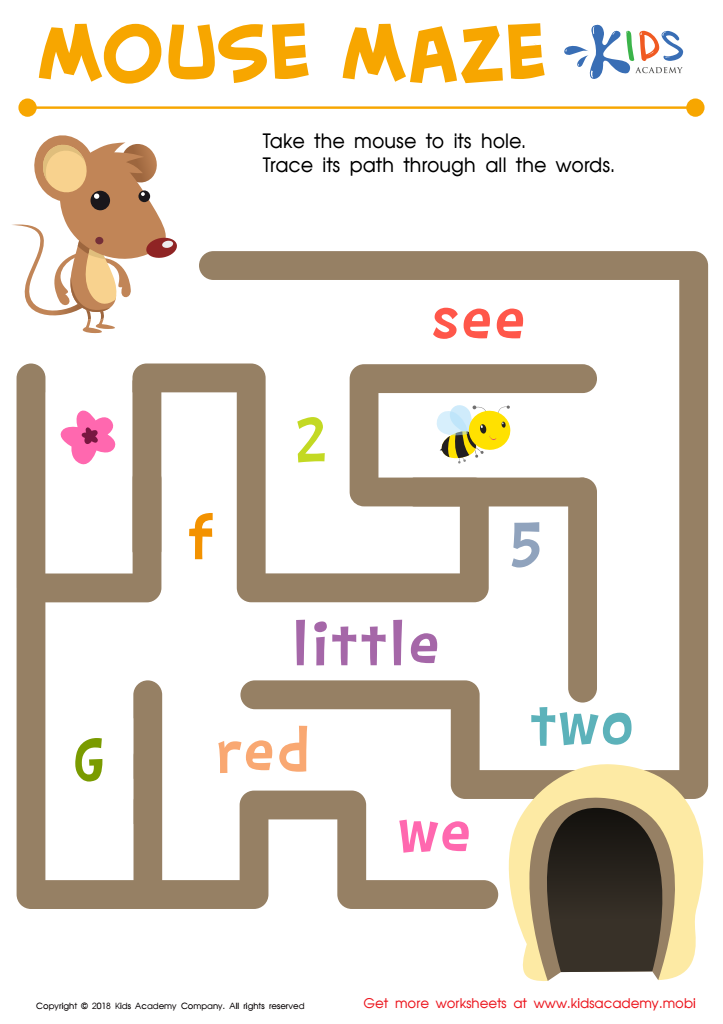
Find Words Mouse Maze Worksheet
 Assign to My Students

Spider Verbs Worksheet
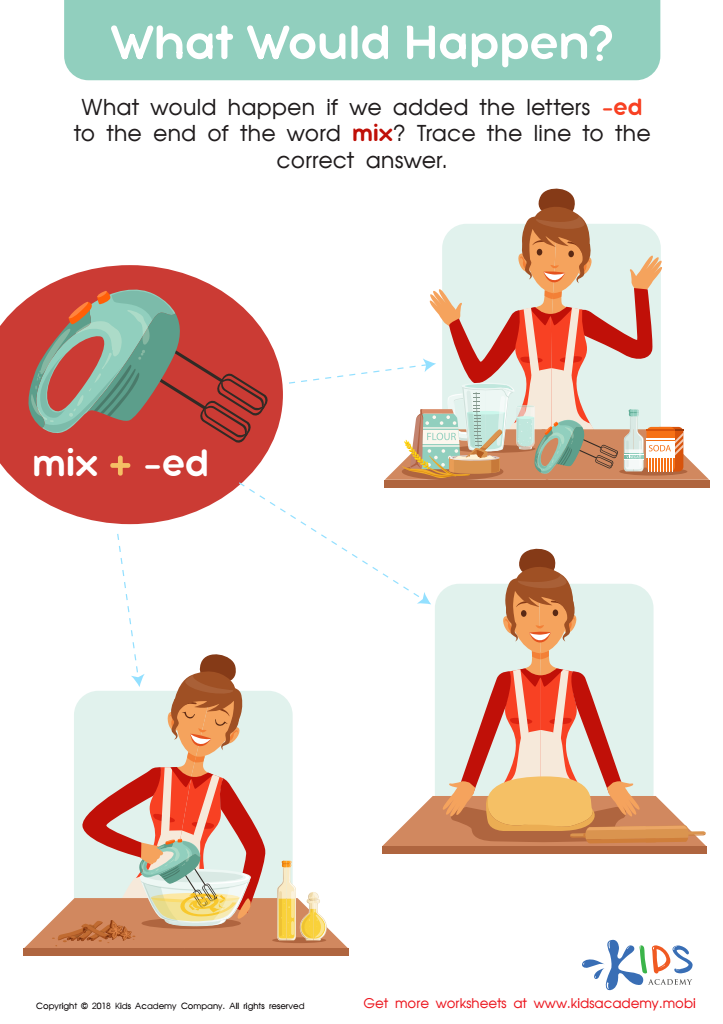
What Would Happen? Worksheet








Logical thinking and grammar are critical elements of early childhood development that parents and teachers should prioritize for children aged 5-6. During this formative stage, children's cognitive abilities are burgeoning, and fostering logical thinking helps them to process information, analyze situations, and make reasoned decisions. Through activities that encourage logical thinking, such as puzzles and sequencing games, children learn how to identify patterns, understand cause and effect, and develop problem-solving skills.
Concurrently, a solid grasp of grammar sets the foundation for effective communication. By understanding the basic rules and structures of language, children improve their ability to express thoughts and ideas clearly. This early exposure is essential for later academic success, as strong language skills are linked to better performance across subjects. Proper grammar usage aids in developing reading comprehension, writing proficiency, and even mathematical skills, where instructions must be followed precisely.
Together, logical thinking and grammar form the bedrock of intellectual growth. They enable children to articulate their thoughts coherently and navigate everyday challenges efficiently. Investing in these skills at an early age equips children with valuable tools that will benefit their academic journeys and interpersonal interactions, laying the groundwork for lifelong learning and success.








