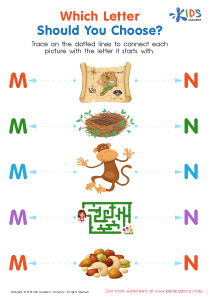
Alphabet sequencing Lowercase/Small Letters Worksheets for Ages 5-9
3 filtered results
-
From - To
Enhance your child’s literacy with our Alphabet Sequencing Lowercase/Small Letters Worksheets for ages 5-9! Perfect for kindergarten through third grade, these engaging worksheets help young learners master the order of the alphabet using fun, interactive exercises. Each sheet features colorful illustrations and a variety of activities designed to strengthen letter recognition, sequencing skills, and fine motor development. With a focus on lowercase letters, our materials make learning the alphabet enjoyable and effective. Ideal for both classroom and at-home use, these worksheets support early reading success and build a strong foundation for future academic achievement.
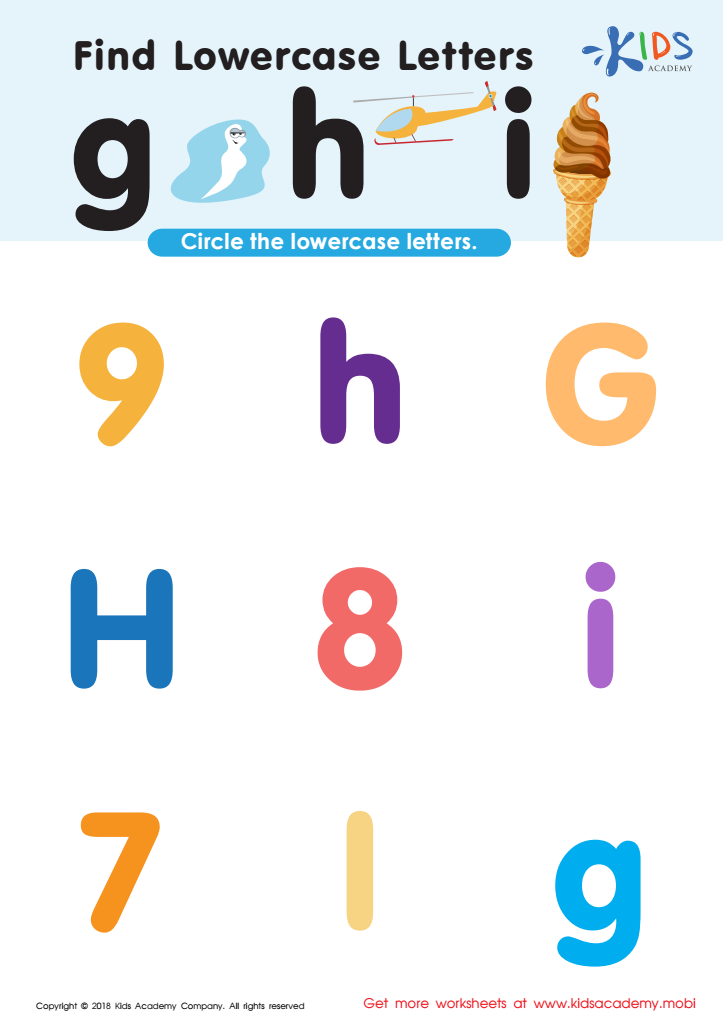
Find Lowercase Letters g h i Worksheet
 Assign to My Students
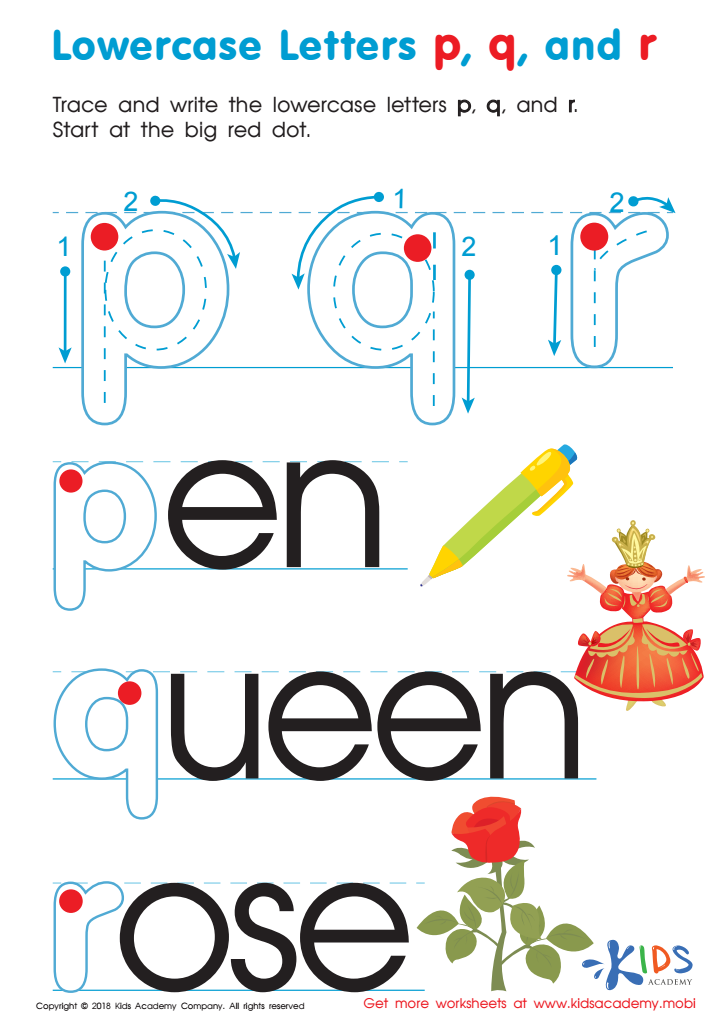
Lowercase Letters p q r Worksheet
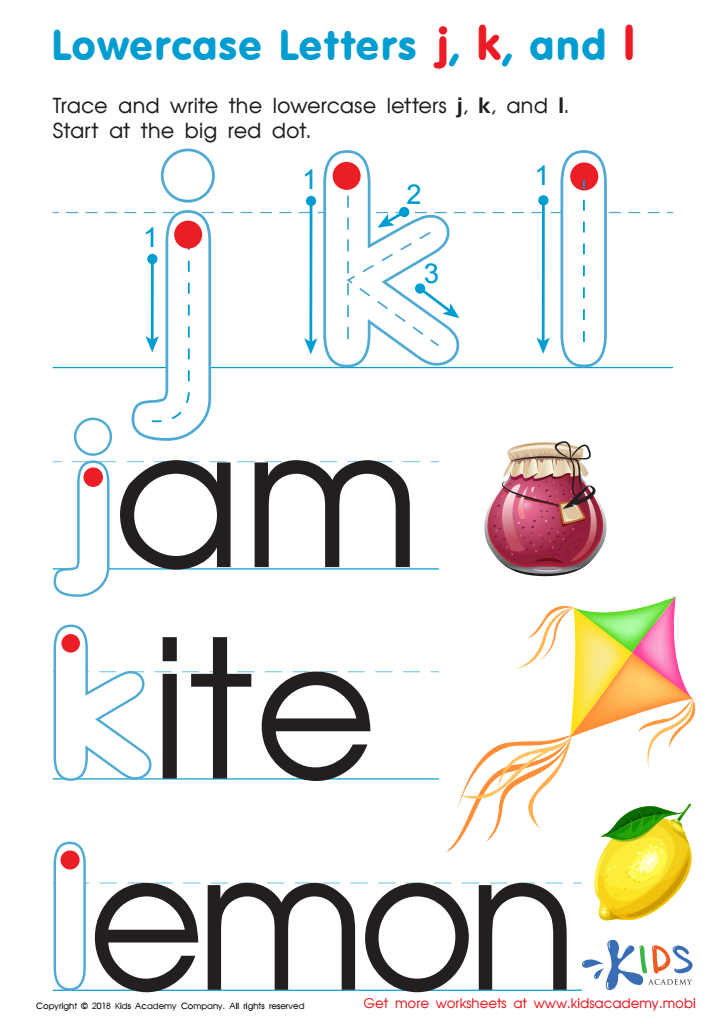
Lowercase Letters j k l Worksheet


Parents and teachers should care about alphabet sequencing of lowercase letters for children ages 5-9 because it lays the foundation for essential literacy skills. Mastery of the alphabet not only helps children recognize and identify letters but also fosters their ability to put these letters in the correct order, which is critical for reading and writing. Alphabet sequencing engages children’s memory and helps them understand the relationship between letters and sounds, a key component of phonemic awareness.
Recognizing and sequencing lowercase letters enhance cognitive development and improve attention to detail. It aids in the acquisition of higher-order literacy skills such as decoding new words, spelling, and eventually developing fluent reading and writing abilities. When children frequently practice sequencing, they begin to notice patterns in words and texts, which boosts their confidence and interest in reading. This early mastery reduces frustrations and learning challenges later on.
In addition, knowing the proper sequence enables children to use dictionaries and other reference materials effectively. For educators and parents, fostering these skills early helps identify any learning difficulties promptly, allowing for timely intervention. Thus, alphabet sequencing is a stepping stone in a child’s educational journey, promoting lifelong learning and academic success.