Fine Motor Skills Tracing Lines and Curves Worksheets for Ages 5-9
5 filtered results
-
From - To
Boost your child's fine motor skills with our engaging Fine Motor Skills Tracing Lines and Curves Worksheets, designed for ages 5-9. These printable worksheets help enhance hand-eye coordination and precision by guiding young learners through tracing exercises of various lines and curves. Perfect for developing foundational writing skills, these activities also foster concentration and focus. Each worksheet is thoughtfully crafted to provide both fun and educational value, ensuring kids stay motivated while honing their fine motor abilities. Download today to support your child's development and give them the confidence to excel in their early educational journey!
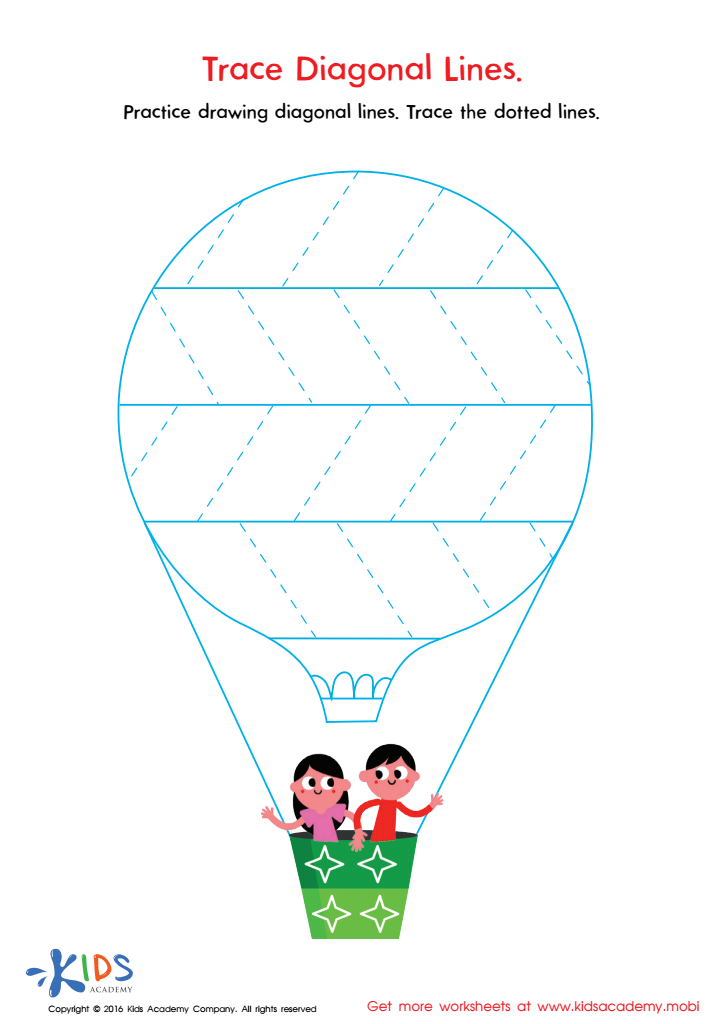
Trace Diagonal Lines Worksheet
 Assign to My Students
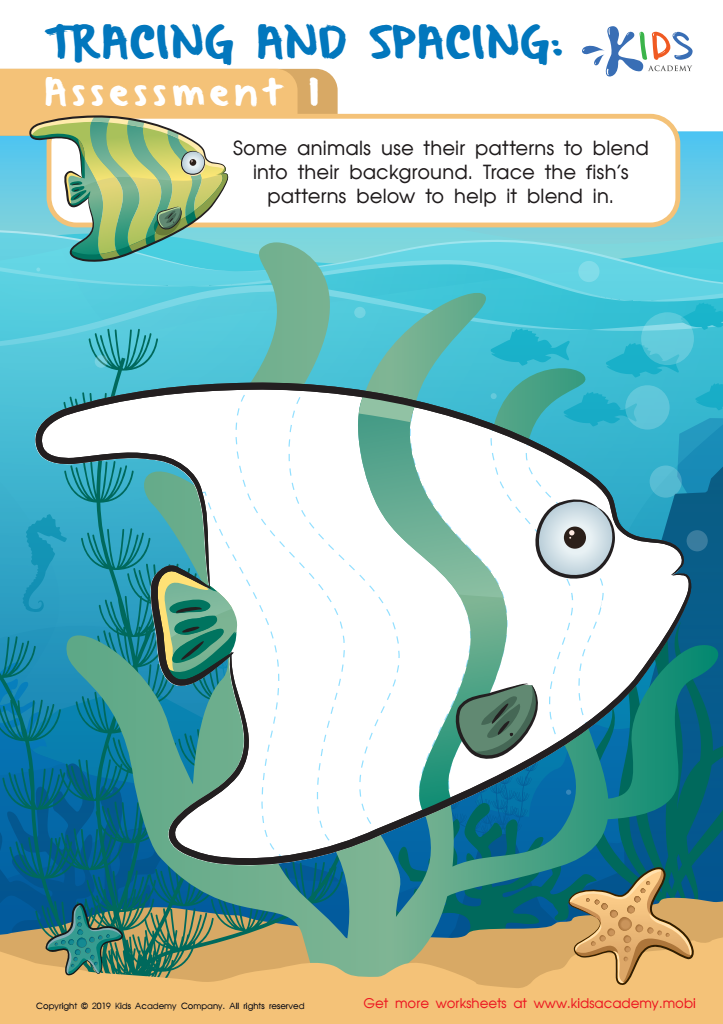
Tracing and Spacing: Assessment 1 Worksheet
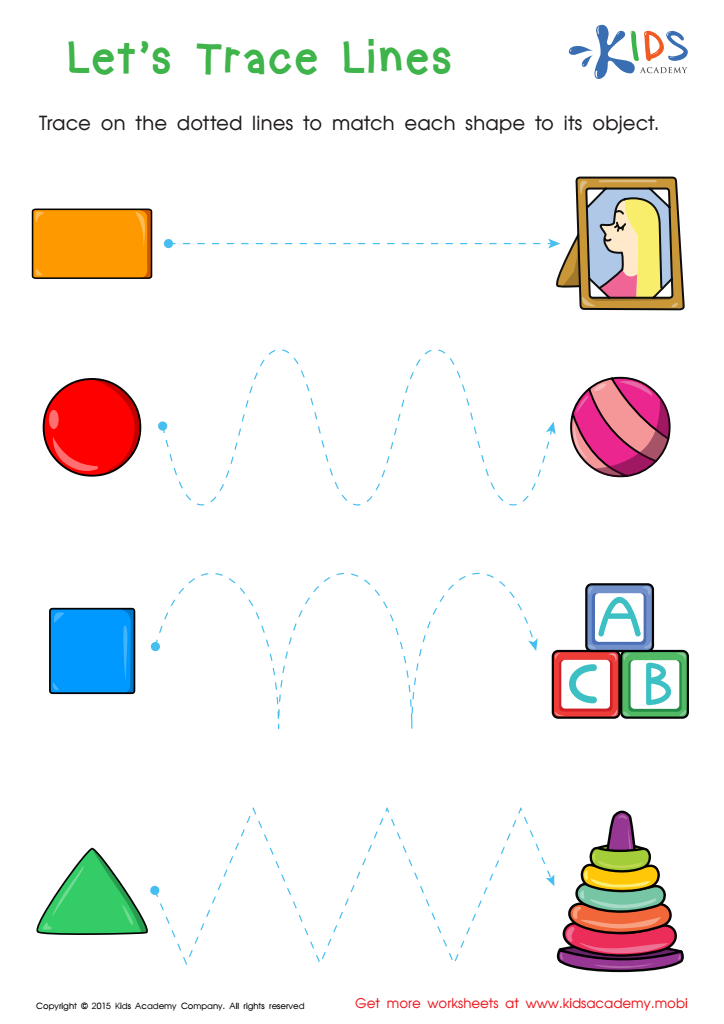
First Words: Let's Trace Lines Worksheet
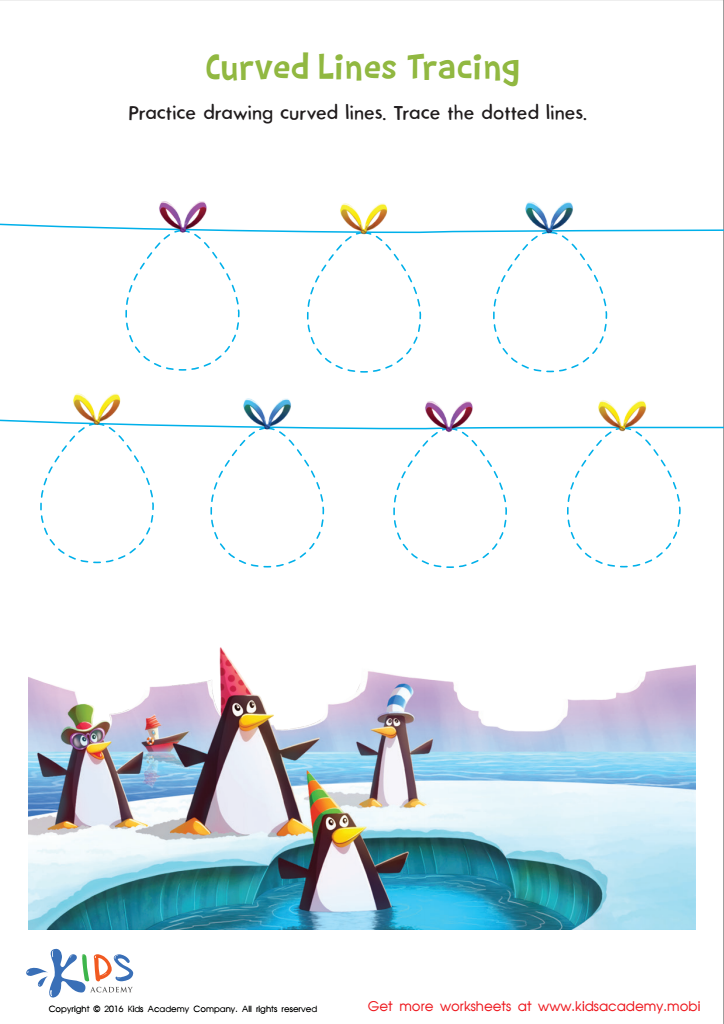
Curved Lines Tracing Worksheet

Tracing Lines Worksheet




Parents and teachers should prioritize fine motor skills, particularly tracing lines and curves, for children aged 5-9 because these foundational skills significantly impact a child's academic and daily life. Fine motor skills involve the coordination of small muscles in the hands and fingers, which are essential for tasks such as writing, cutting with scissors, buttoning clothes, and tying shoelaces. By practicing tracing lines and curves, children can improve their hand-eye coordination, hand strength, and precision.
Traced patterns serve as preparatory exercises that help children learn how to control a pencil, forming the basis for legible handwriting—a crucial skill that affects academic performance across all subjects. Furthermore, these fine motor activities enhance cognitive development by reinforcing concepts of shapes, prepositions, and sequences, which are vital in both mathematics and literacy.
When children develop strong fine motor skills early on, they gain confidence and independence, reducing frustration often associated with these everyday tasks. The sooner a child masters this skill set, the better they can focus on more complex learning activities rather than struggling with basic tool manipulation. Thus, ensuring regular practice of fine motor skills through fun and engaging activities positions children for greater overall success and a positive learning experience.








