Attention to Detail Worksheets for Ages 5-9 - Page 2
29 filtered results
-
From - To
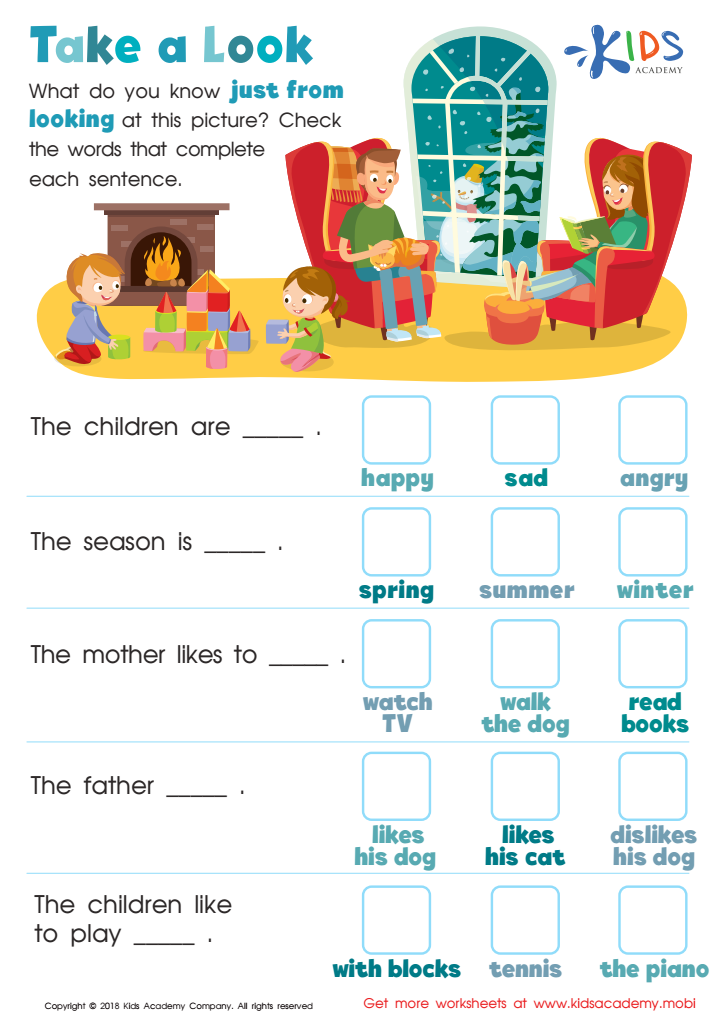
Take a Look - Part 1 Worksheet
 Assign to My Students
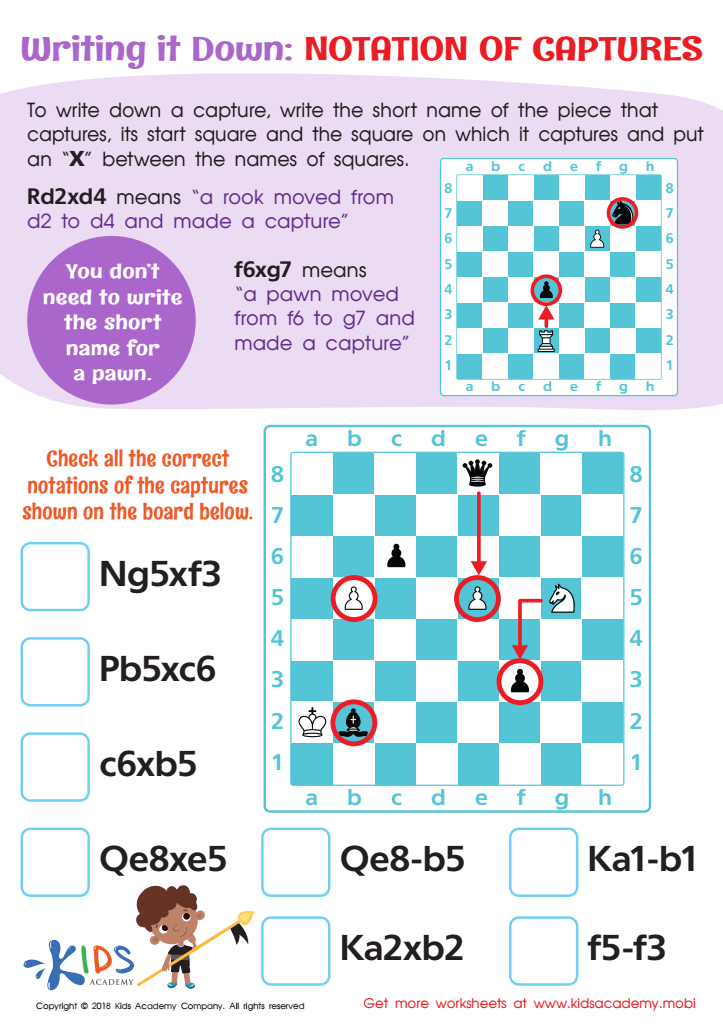
Notation of Captures Writing it Down Worksheet
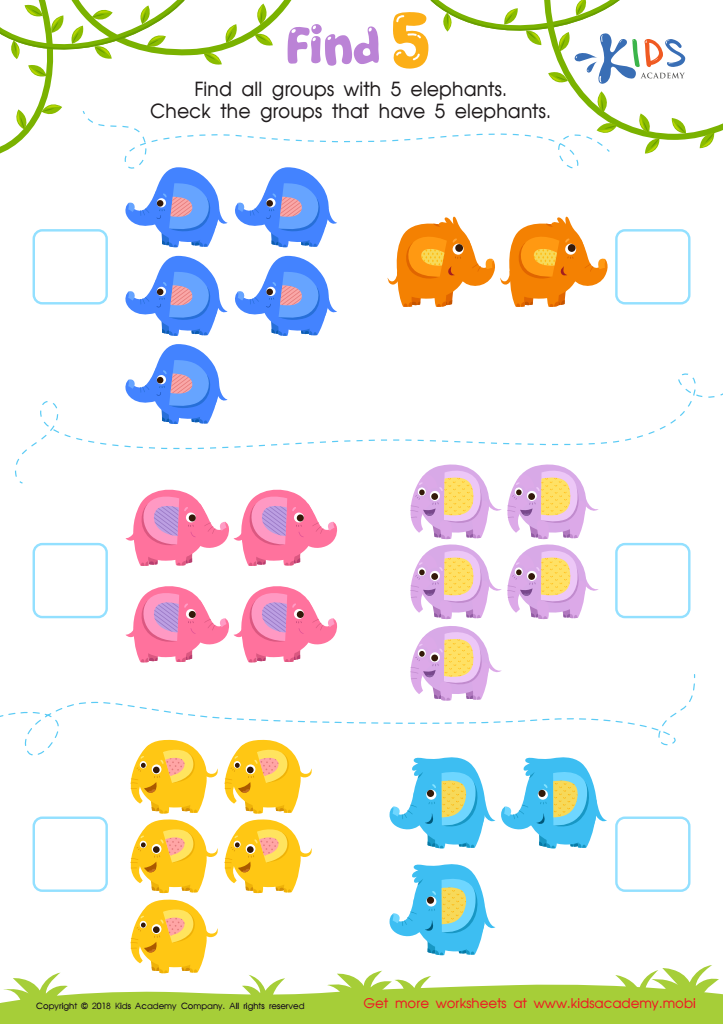
Find 5 Worksheet
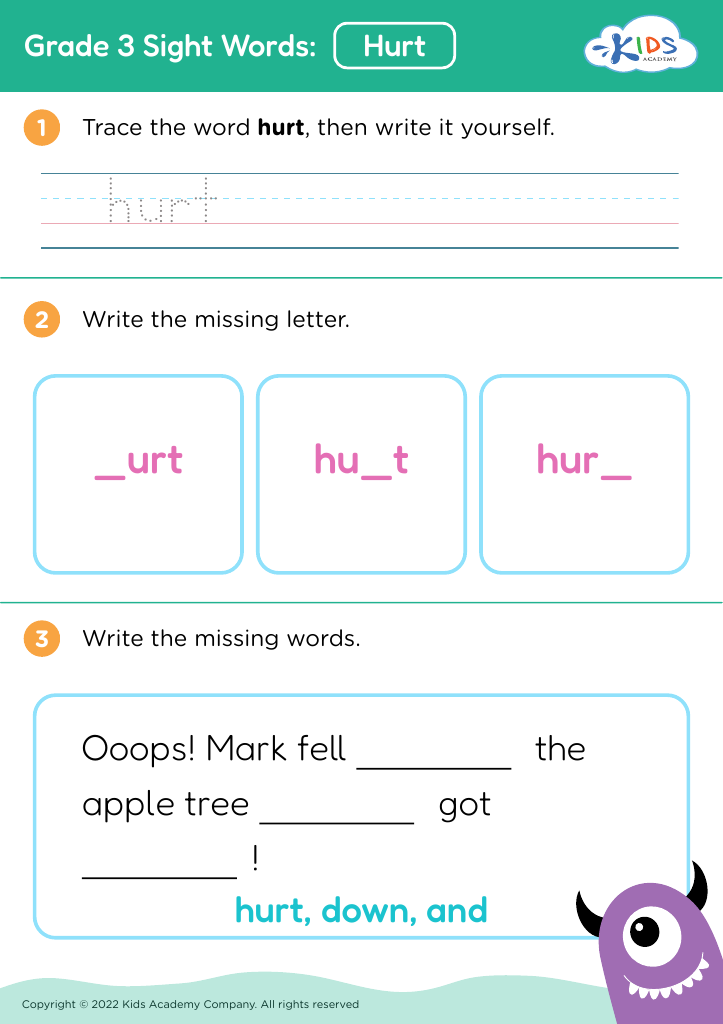








Attention to detail is a crucial skill for children aged 5-9, serving as a foundation for their future learning and development. For parents and teachers, fostering this skill is essential, as it enhances a child's ability to focus, comprehend, and express ideas accurately. In this age group, children are honing their cognitive abilities and learning the basics of literacy and numeracy. By focusing on details, they improve their observation skills, which helps them grasp concepts more thoroughly and avoid errors in their work.
Additionally, attention to detail fosters self-confidence. When children notice and correct their mistakes, they develop resilience and a sense of accomplishment. This skill translates into various areas of life, from following instructions in games to completing school assignments properly, all contributing to better academic performance and social interactions.
Parents and teachers can promote attention to detail through engaging activities, such as puzzles, story-telling, and arts and crafts. Encouraging children to be mindful of subtle differences and specific instructions nurtures critical thinking and problem-solving skills. Ultimately, teaching children to pay attention to detail sets them on a path to succeed academically and responsibly as they grow, preparing them for more complex challenges in their educational journey.








