
Basic math abilities Worksheets for Ages 5-9
3 filtered results
Difficulty Level
Grade
Age
-
From - To
Subject
Activity
Standards
Boost your child's math skills with our engaging and educational Basic Math Abilities Worksheets for ages 5-9. These carefully crafted worksheets from Kids Academy—cover fundamental concepts such as addition, subtraction, counting, and simple geometry. Each worksheet is designed to support your child's learning style, making math fun and exciting. Our bright, colorful designs and age-appropriate activities ensure children remain motivated and eager to learn. Help your young learners build a strong math foundation, perfect for fostering confidence and academic success. Discover the joy of learning math together today! Explore more at Kids Academy.
Favorites
With answer key
Interactive
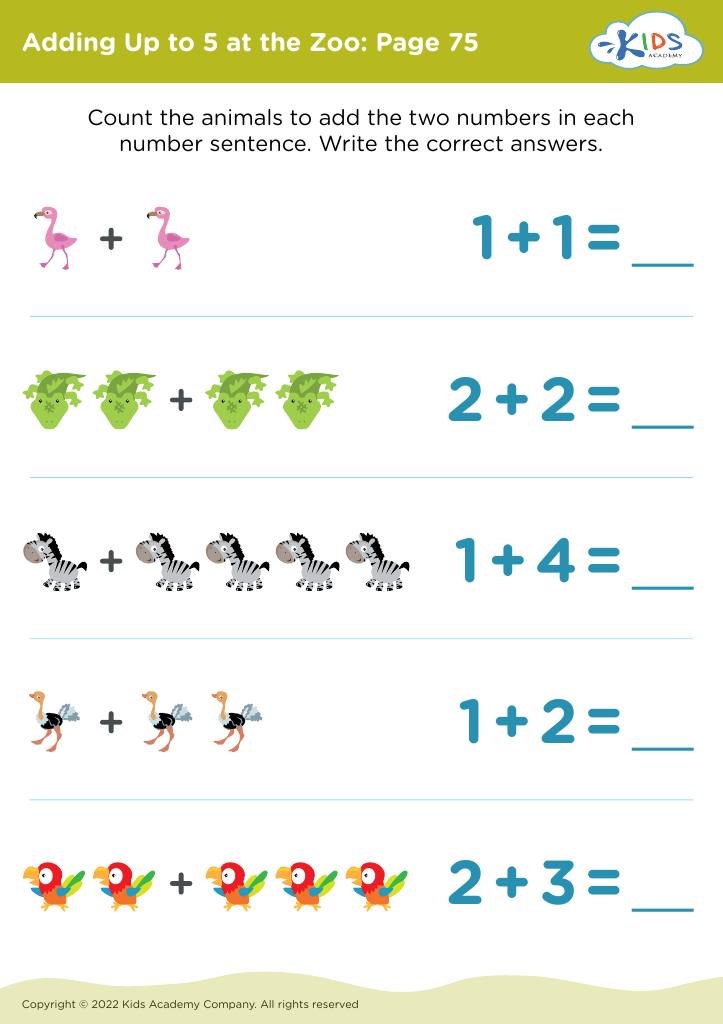
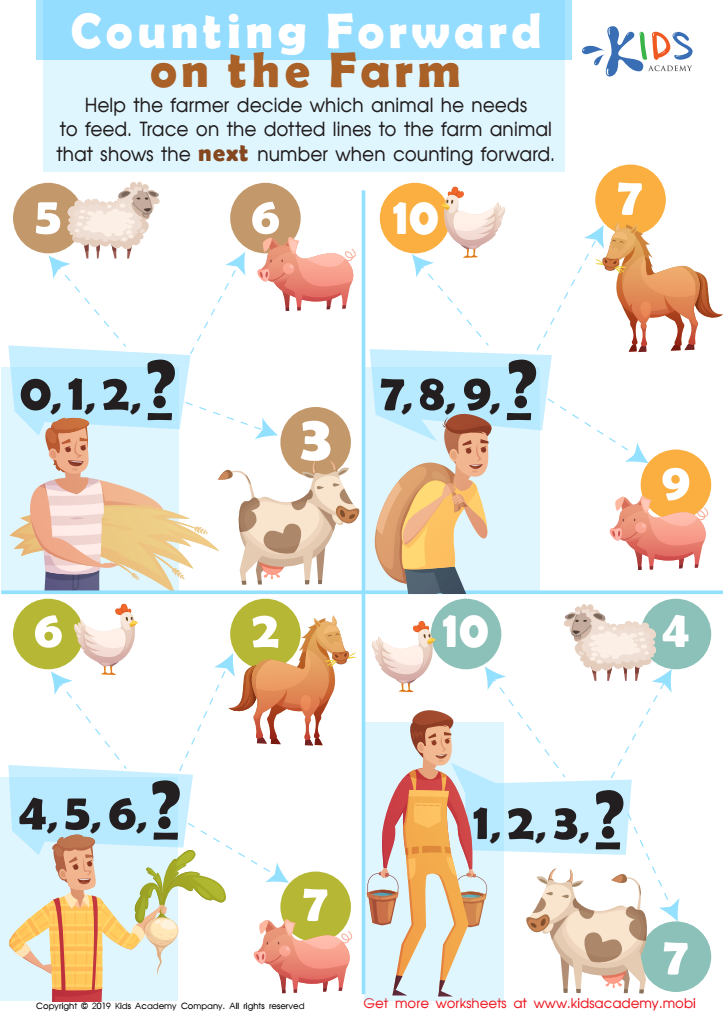
Counting Forward On the Farm Worksheet
Help your child practice counting with this fun worksheet. Have them help a farmer feed the right animal by counting on from a starting point. This activity will help them build number line thinking and refine fine motor skills.
 Assign to My Students
Counting Forward On the Farm Worksheet
Worksheet
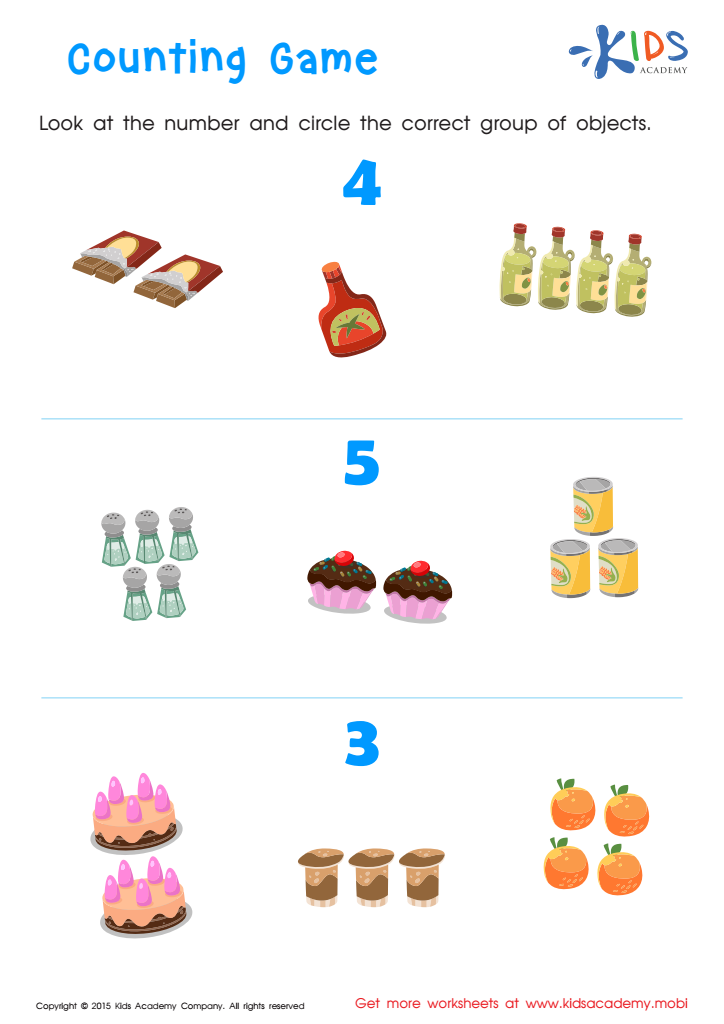
Counting Worksheet
Kids can connect printed numbers to groups of objects on this worksheet, helping them learn math by visually seeing item groups. Give your preschooler a fun, interactive way to learn counting!
Counting Worksheet
Worksheet
Join Kids Academy for Free
Who is primarily going to use this learning content?








Parents and teachers should prioritize developing basic math abilities in children aged 5-9 because these foundational skills are pivotal for their academic success and everyday life. During this critical developmental window, children build essential cognitive skills that help them understand higher-level math concepts in later years. Proficiency in basic math leads to better problem-solving abilities and logical thinking skills, both of which are applicable beyond math into other subjects and real-life situations.
Children with strong early math skills are likely to find learning both enjoyable and less stressful, fostering a positive attitude towards education. This period is crucial for developing numerical awareness, such as number recognition, counting, and basic operations (addition, subtraction). These skills are not only key for academic progression but they are fundamental for managing day-to-day activities like handling money, measuring ingredients while cooking, or telling time.
Additionally, early math competence can boost a child's self-confidence and independence, setting a strong foundation for lifelong learning. Ignoring the importance of these skills during the ages of 5-9 could result in difficulties later on, creating a negative ripple effect on overall academic performance and self-esteem. Thus, investing time and effort in nurturing basic math abilities is crucial for holistic child development.








