Counting money Worksheets for Ages 5-9
3 filtered results
-
From - To
Discover our engaging Counting Money Worksheets designed specifically for children ages 5 to 9! These printable resources will help young learners develop essential money management skills through fun and interactive activities. Each worksheet introduces different scenarios involving coins and bills, enabling kids to practice counting, solving problems, and identifying various denominations. Tailored to enhance early math comprehension, our worksheets encourage hands-on learning, making math fun and accessible. Ideal for home or classroom use, these resources promote confidence in handling money while preparing children for real-life financial situations. Download free worksheets and watch your child master counting money today!
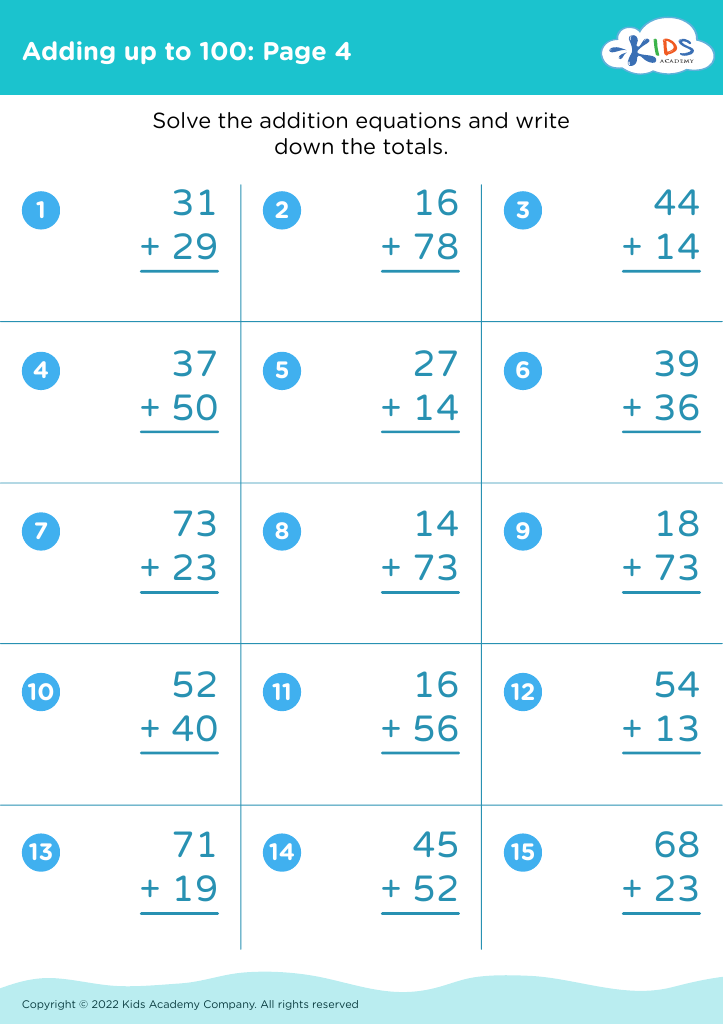
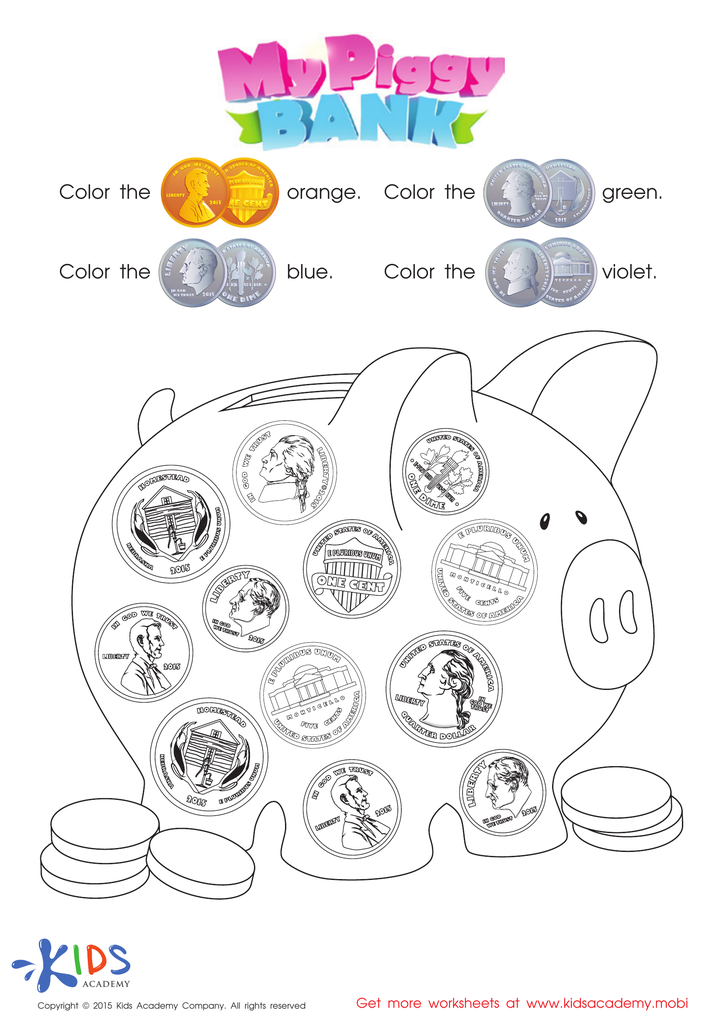
Recognizing Money Money Worksheet
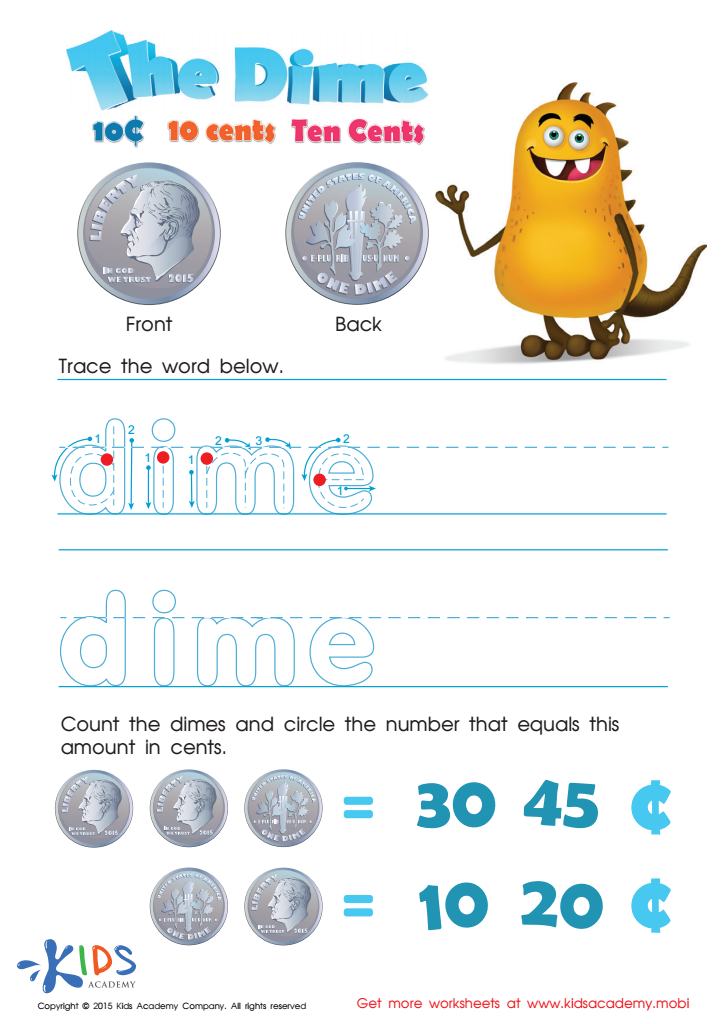
Ten Cents or the Dime Money Worksheet
 Assign to My Students








Teaching young children how to count money is a fundamental skill that lays the groundwork for financial literacy. At ages 5-9, children's cognitive abilities are rapidly developing, making it an ideal time to introduce concepts related to money. Understanding how to count and recognize different denominations fosters basic math skills, such as addition and subtraction, while enhancing their ability to make sense of the world around them.
Parents and teachers who emphasize money counting can help children learn the value of money, the importance of saving, and the basics of spending responsibly. These skills can support their future abilities to manage their own finances, set budgets, and assess choices about purchases. Moreover, engaging children with hands-on activities, such as play shopping or saving towards a goal, can make learning enjoyable and memorable. This practical approach promotes critical thinking and problem-solving skills, which are vital for their overall academic development.
Incorporating money counting into early education can also enhance children's confidence and independence. As they grasp these concepts, they'll be better equipped to navigate everyday situations involving money, preparing them for a successful financial future. Ultimately, investing time in teaching these skills now can yield lifelong benefits.








