Counting shapes Worksheets for Ages 5-9
3 filtered results
-
From - To
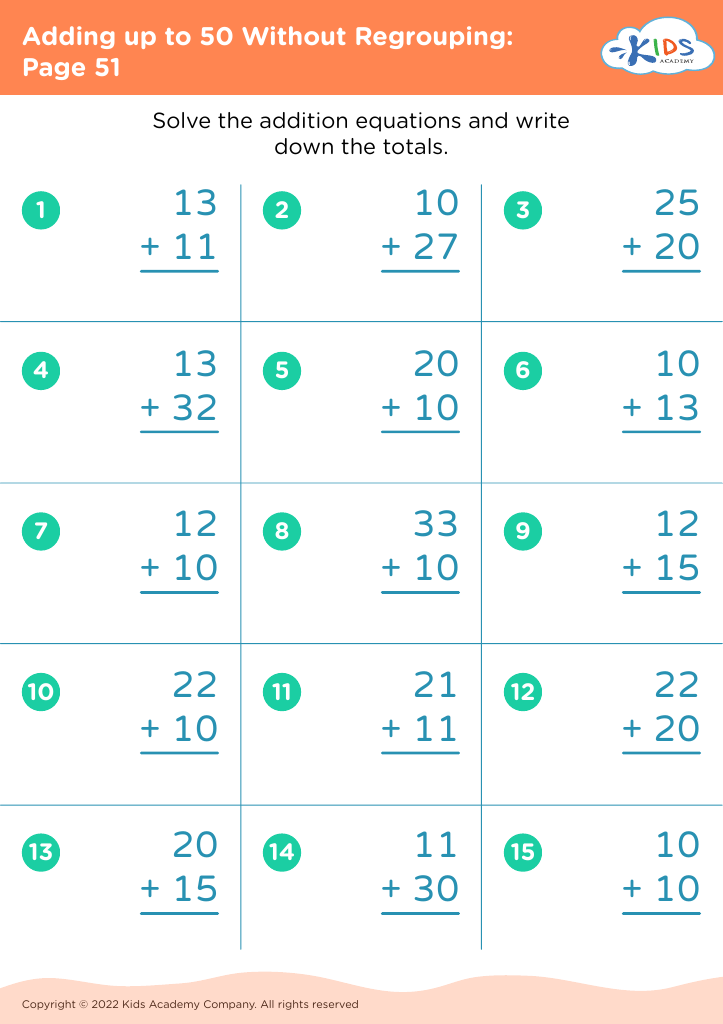
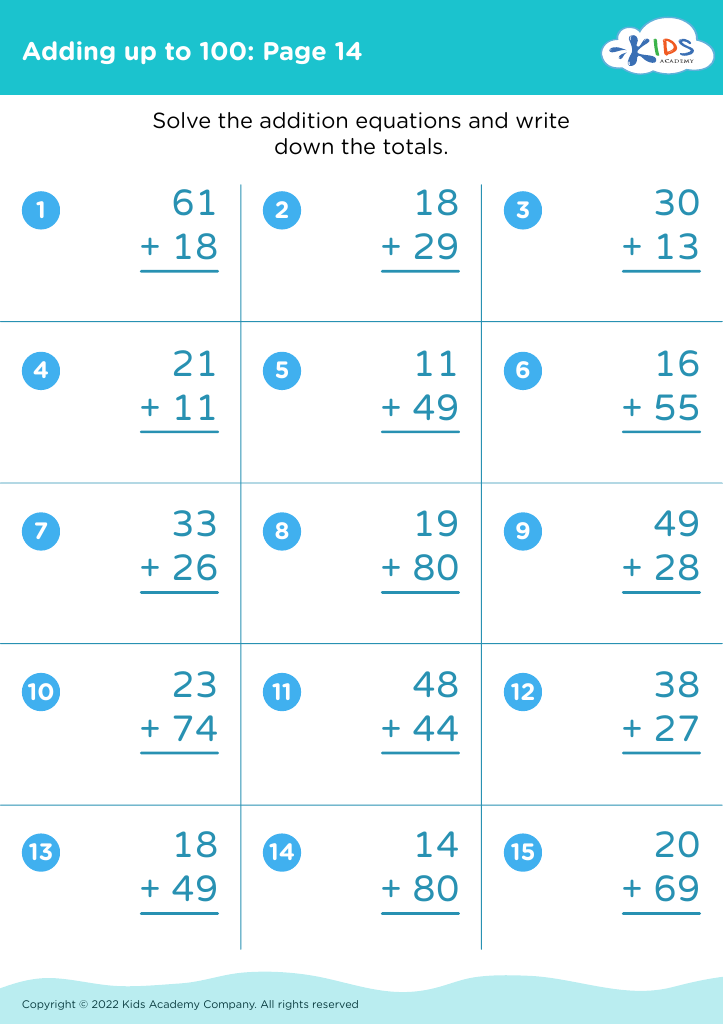
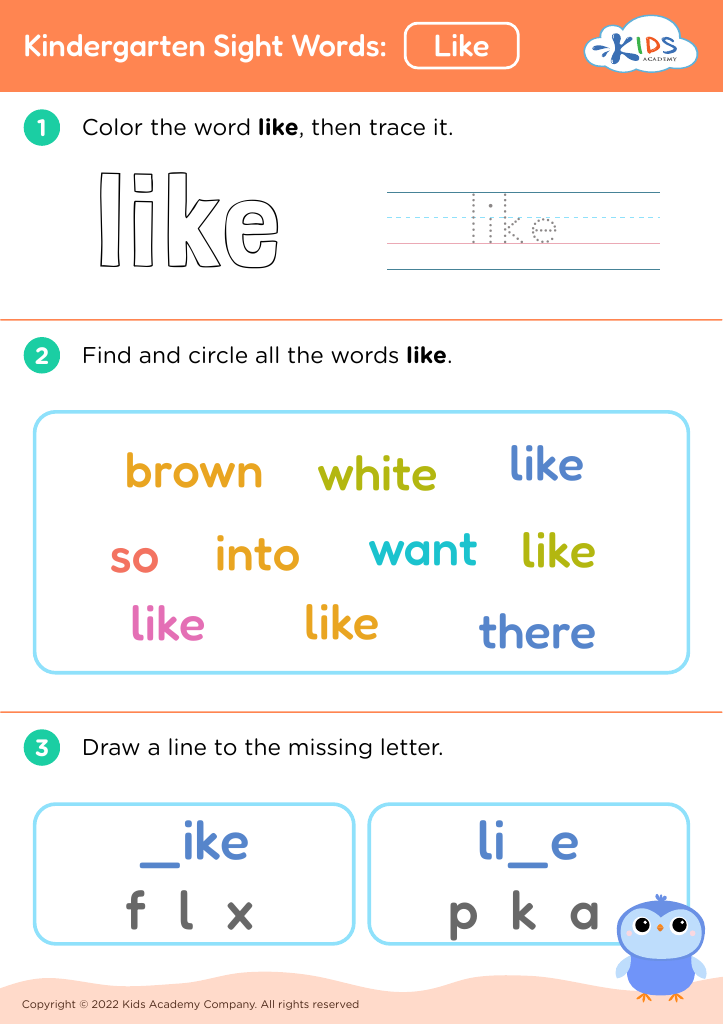
Our "Counting Shapes Worksheets for Ages 5-9" are designed to make learning fun and engaging for young children. These carefully crafted worksheets help kids develop essential math and geometry skills by identifying and counting shapes. Featuring vibrant illustrations and interactive exercises, these worksheets cater to various age groups and learning levels. Perfect for classrooms and homeschooling, each page offers new challenges that boost confidence and critical thinking. With our expertly designed activities, your child will master shape recognition, counting, and basic math skills while having a blast. Visit Kids Academy and turn learning into an exciting adventure!


.jpg)




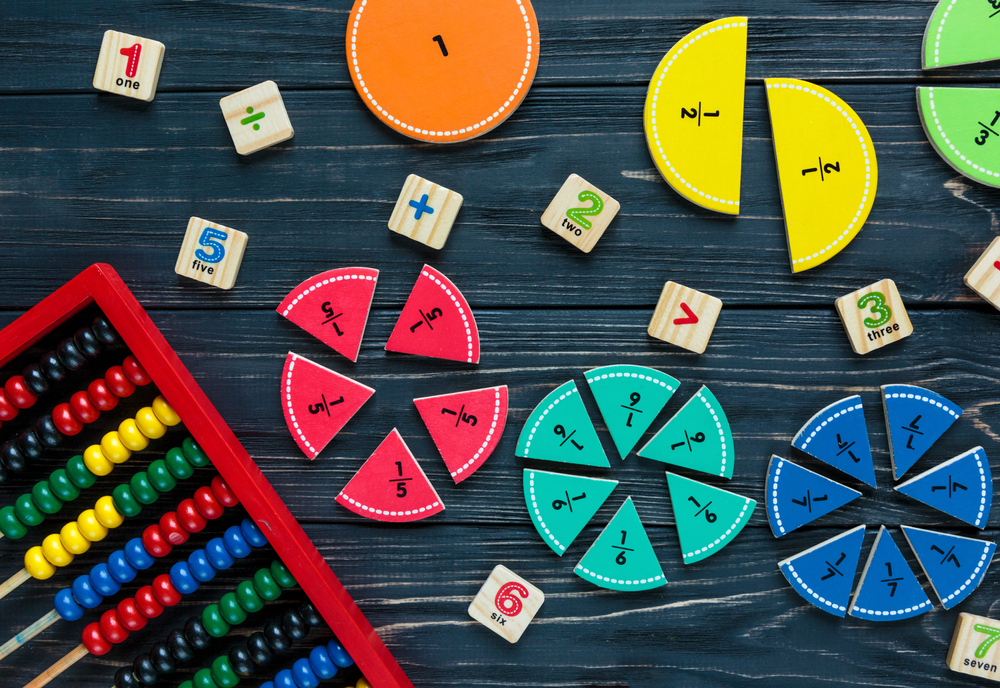
Counting shapes is a fundamental early math skill that plays a crucial role in a child's cognitive development. For parents and teachers, focusing on this activity is vital. First, it enhances a child's ability to recognize and distinguish different geometric shapes such as squares, triangles, circles, and rectangles. By learning to identify these shapes, children improve their visual-spatial awareness, which is essential for reading, writing, and daily activities.
Additionally, counting shapes introduces basic numeracy skills. When children count the sides and corners of a shape, they practice counting, which reinforces their understanding of numbers and sequences. This lays a strong foundation for more advanced math concepts, such as addition, subtraction, and understanding patterns.
Moreover, it encourages critical thinking and problem-solving skills. When children compare shapes or count and sort them, they learn to categorize and analyze information, contributing to logical reasoning abilities.
Beyond math, recognizing and counting shapes can enhance fine motor skills, particularly when using manipulatives like shape blocks or drawing shapes. This multi-sensory approach ensures that various learning styles are addressed, making the learning process inclusive and effective.
In essence, by emphasizing counting shapes, parents and teachers support holistic developmental milestones in cognitive, motor, and analytical domains, setting children up for future academic success.








