Enhancing number recognition Worksheets for Ages 5-9
4 filtered results
-
From - To
"Enhancing Number Recognition Worksheets for Ages 5-9" are designed to make learning numbers fun and engaging for young learners. These worksheets offer diverse, interactive activities that help children master number identification, counting, and basic math skills. Through colorful illustrations, games, and exercises, kids aged 5 to 9 can build a strong foundation in numeracy. Perfect for both classroom and at-home learning, these resources foster confidence and excitement in mathematics. Ensure your child’s success in early math skills with worksheets that turn learning numbers into an enjoyable adventure. Discover more at Kids Academy and support your child’s educational journey.
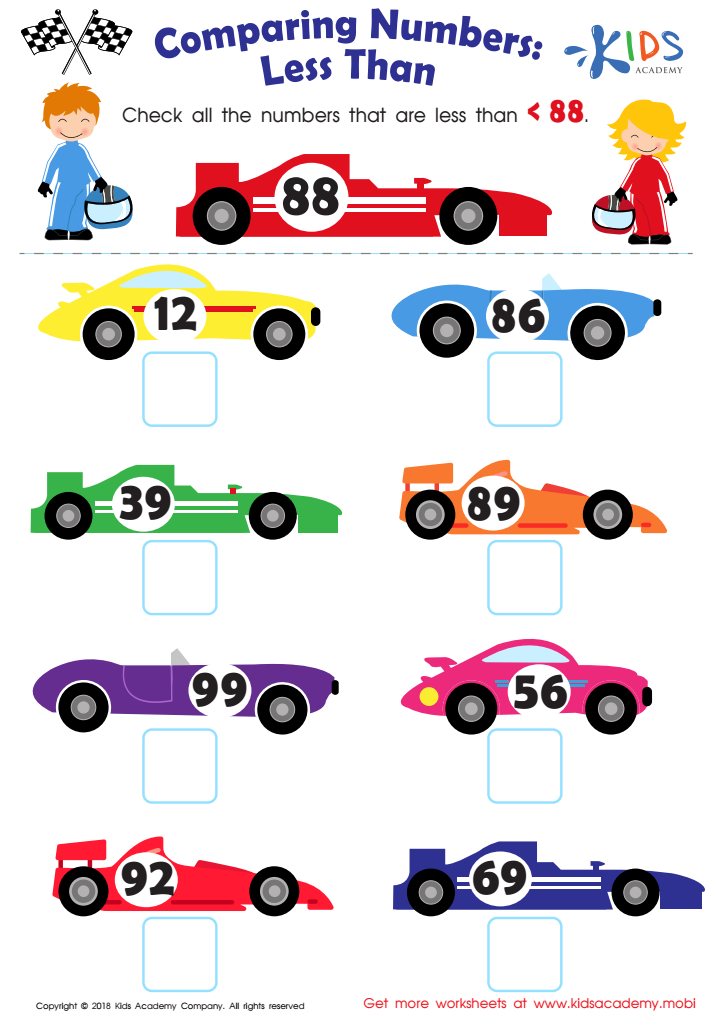
Less Than Worksheet
 Assign to My Students
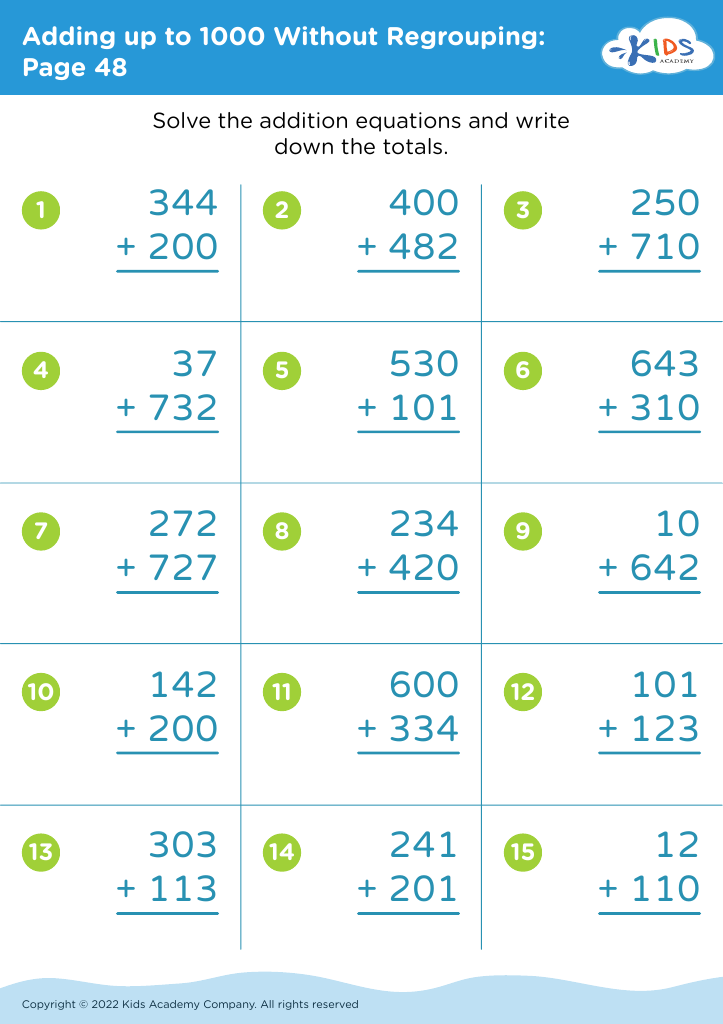
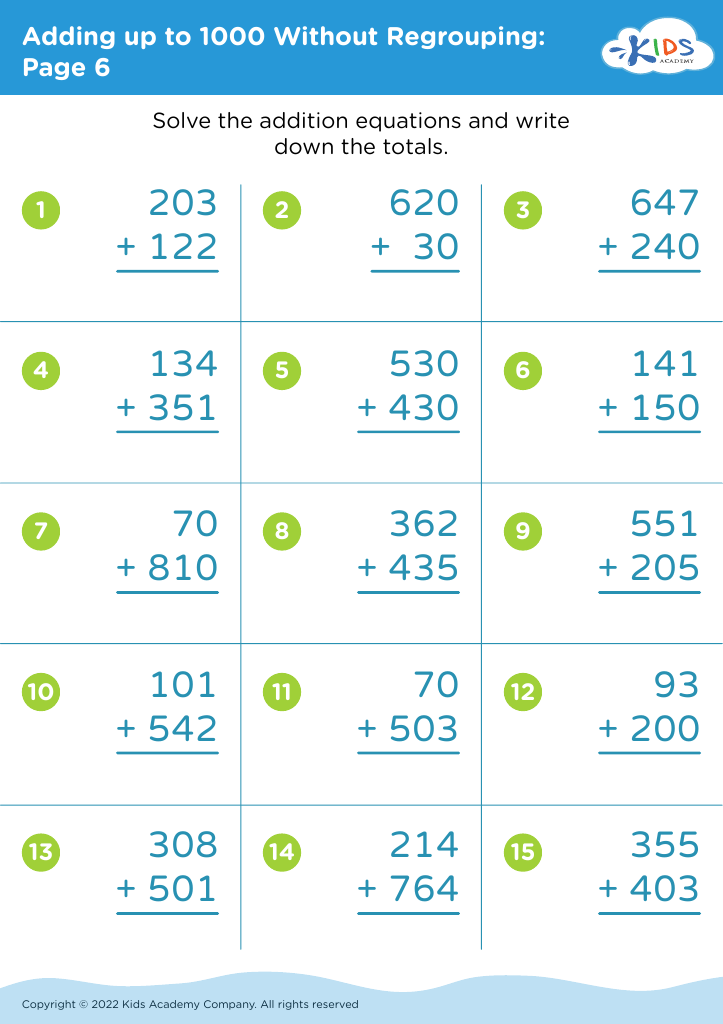
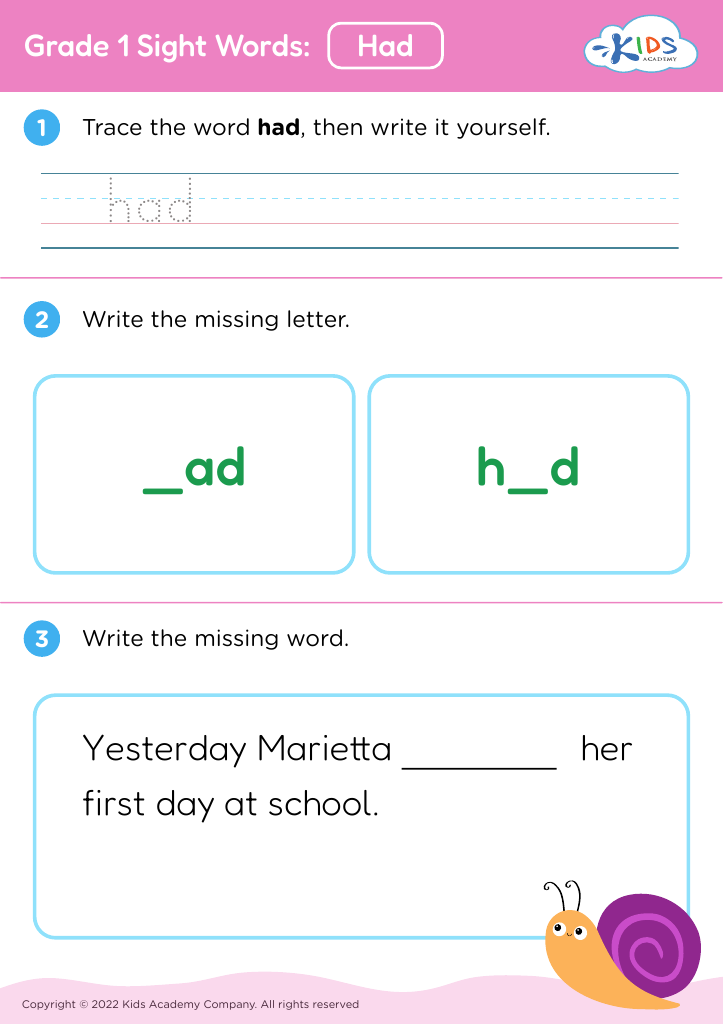








Enhancing number recognition for children ages 5-9 is foundational for their overall mathematical development and academic progress. At this formative age, children are in a critical learning phase where cognitive skills are rapidly developing. Number recognition is not solely about identifying numerals but also involves understanding their value, order, and relation to one another. When children master number recognition early, they build a stronger foundation for more complex concepts like addition, subtraction, multiplication, and division.
Early number recognition fosters confidence and reduces math anxiety, making math more approachable and enjoyable. This confidence can amplify their enthusiasm for learning and promote positive attitudes toward other subjects. Given the cumulative nature of mathematical education, early proficiency ensures that children are better prepared for advanced topics they will encounter in later grades.
Moreover, strong number recognition skills support everyday problem-solving and decision-making, from estimating quantities to interpreting data. Parents and teachers should also recognize that math skills are directly linked to critical thinking and logical reasoning abilities. By prioritizing high-quality instruction and practice in number recognition, they can significantly impact a child's academic trajectory and lifelong learning skills, setting them up for success both in school and life.








