
Identifying patterns Worksheets for Ages 5-9
7 filtered results
Difficulty Level
Grade
Age
-
From - To
Subject
Activity
Standards
Unlock your child's potential with our engaging Identifying Patterns Worksheets, designed for ages 5-9. These printable activities, developed by educators, enhance critical thinking and cognitive skills. From simple repeating patterns to complex sequences, each worksheet encourages young learners to recognize and predict patterns, crucial for math and early reading success. Beautifully illustrated with age-appropriate designs, these worksheets make learning fun and interactive. Ideal for classroom use or homeschool environments, they provide a strong foundation in pattern recognition that supports lifelong learning. Download our high-quality worksheets today and watch your child's confidence soar!
Favorites
With answer key
Interactive
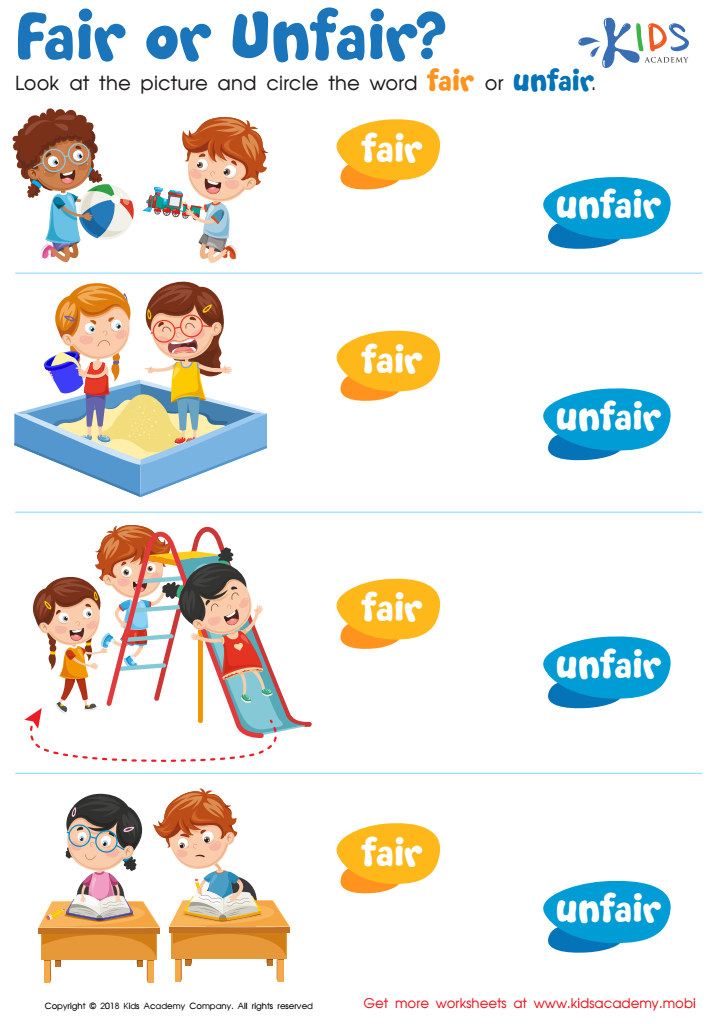
Fair or Unfair Worksheet
Look at the pictures in this worksheet with kids. Can they tell if the actions are fair or unfair? Help them decide and circle the appropriate option. When something causes harm to one person, it is unfair; when all parties benefit, it is fair.
 Assign to My Students
Fair or Unfair Worksheet
Worksheet
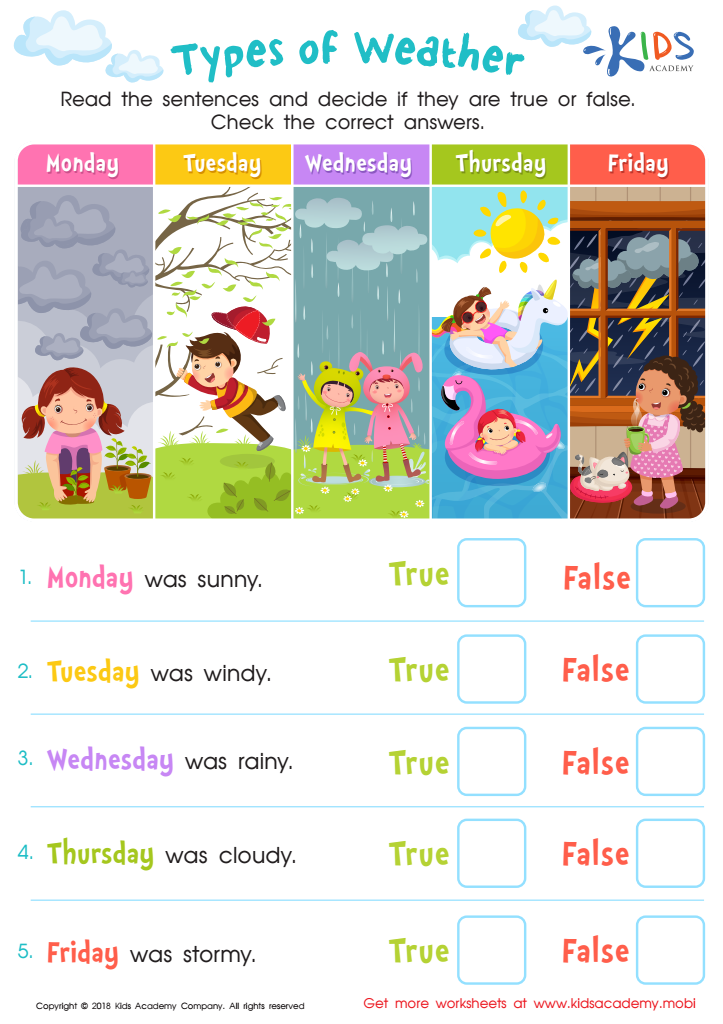
Types of Weather Worksheet
This worksheet will test your child's knowledge of the weather. Show them the pictures of five days of the week, each with a different weather and ask them to describe it. Then read the sentences and ask if they're true/false. Help them find the right answers.
Types of Weather Worksheet
Worksheet
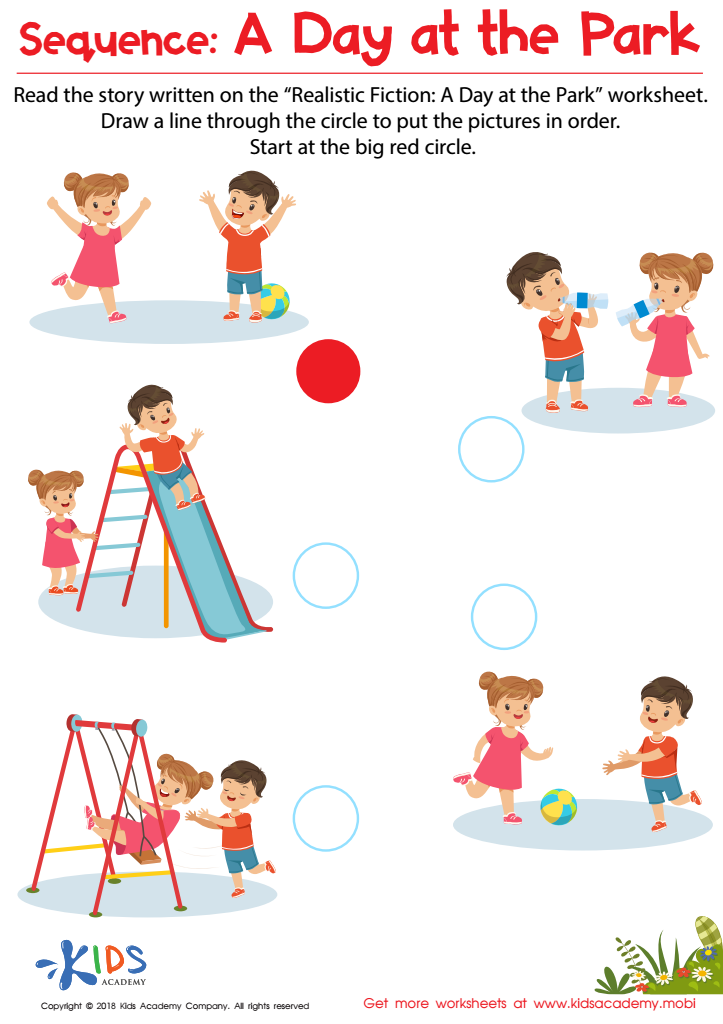
Sequence: A Day at the Park Worksheet
Help your child sequence the events of the story they just read with this activity! Start with the big red circle and draw lines to the other circles next to the images in the correct order. It's a great way to practice their reading skills! Try this downloadable worksheet today!
Sequence: A Day at the Park Worksheet
Worksheet
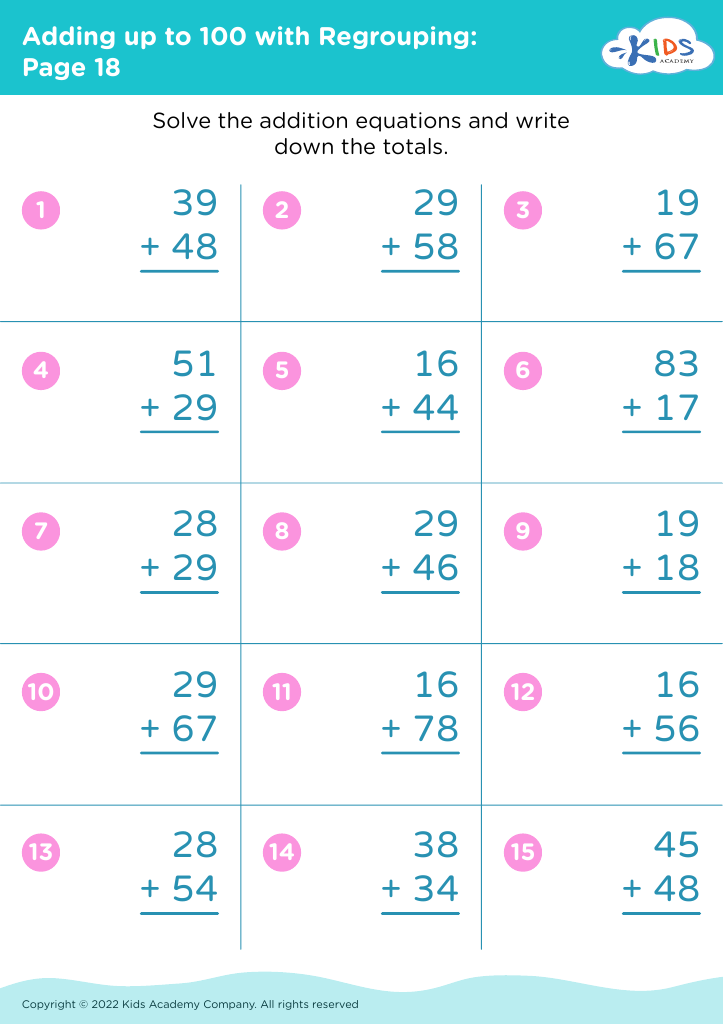
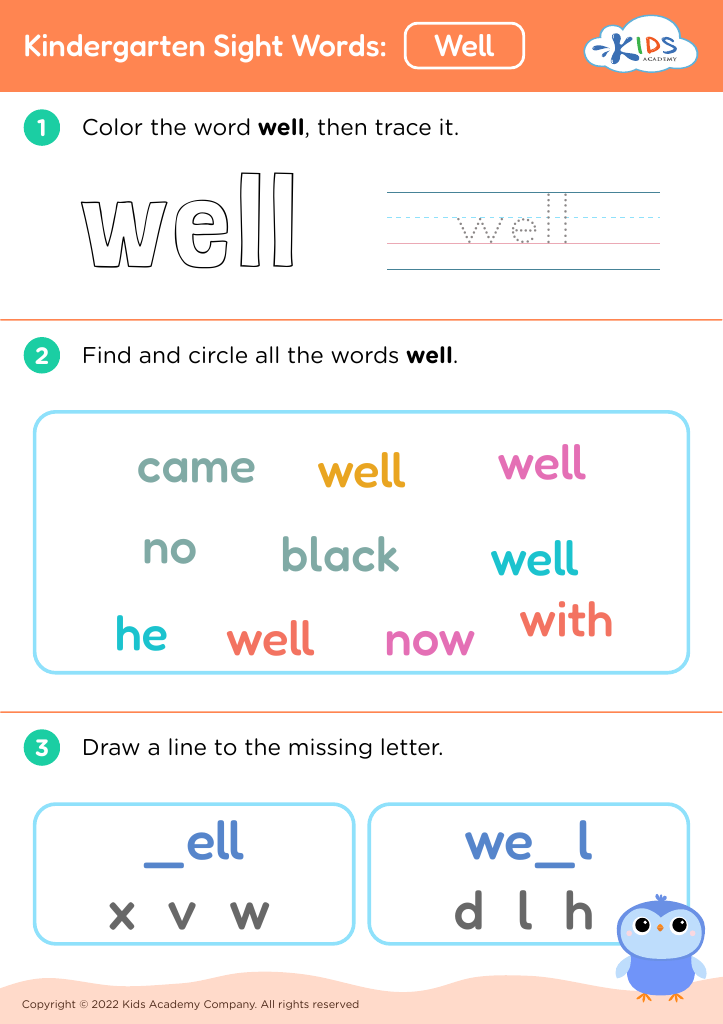
Join Kids Academy for Free
Who is primarily going to use this learning content?




.jpg)



Identifying patterns is a foundational skill that plays a crucial role in cognitive development for children aged 5-9. As parents or teachers, paying attention to this capability is essential for nurturing a child's intellectual growth and thinking skills. Patterns establish the groundwork for mathematical concepts, language development, and problem-solving abilities. When children recognize and predict patterns, they develop strong analytical and logical thinking skills necessary for more complex math tasks like addition, subtraction, and eventually, higher-order operations.
Educational psychologists emphasize that pattern recognition also aids in early literacy. Recognizing letter patterns, syllables, and rhyming words helps children decode and spell words more easily. This skill significantly enhances reading comprehension and fluency, thus fostering a love for reading.
Furthermore, understanding patterns enables young learners to grasp scientific concepts and cause-and-effect relationships, such as life cycles in nature. It builds the basis for critical thinking skills that they will use throughout their education and daily life.
From a socio-emotional perspective, recognizing patterns also assists children in comprehending routines and sequences in everyday activities, improving their ability to follow instructions and manage tasks efficiently. By investing time in developing pattern recognition skills, parents and teachers equip children with tools that enhance their learning experience and everyday interactions, cementing a strong academic and emotional foundation.








