Number writing Worksheets for Ages 5-9
6 filtered results
-
From - To
Discover engaging number writing worksheets designed for children ages 5-9, perfect for enhancing early math skills! Our printable resources combine fun activities with clear instructions, helping young learners master number formation and develop fine motor skills. Each worksheet promotes confidence in writing numbers 0-9, featuring colorful illustrations and captivating themes to keep kids motivated. Whether at home or in the classroom, these worksheets cater to diverse learning styles, fostering a love for numbers in a playful way. Start your child’s journey toward mathematical proficiency today with these easy-to-use number writing worksheets, specially crafted to support young mathematicians in their learning adventure!
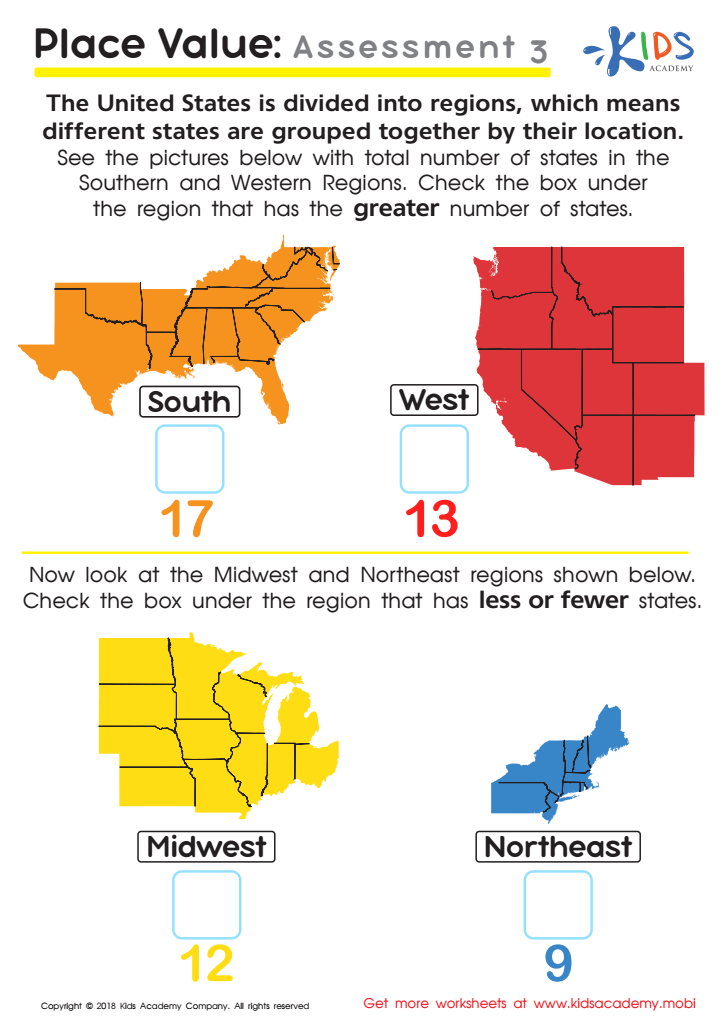
Place Value: Assessment 3 Worksheet
 Assign to My Students
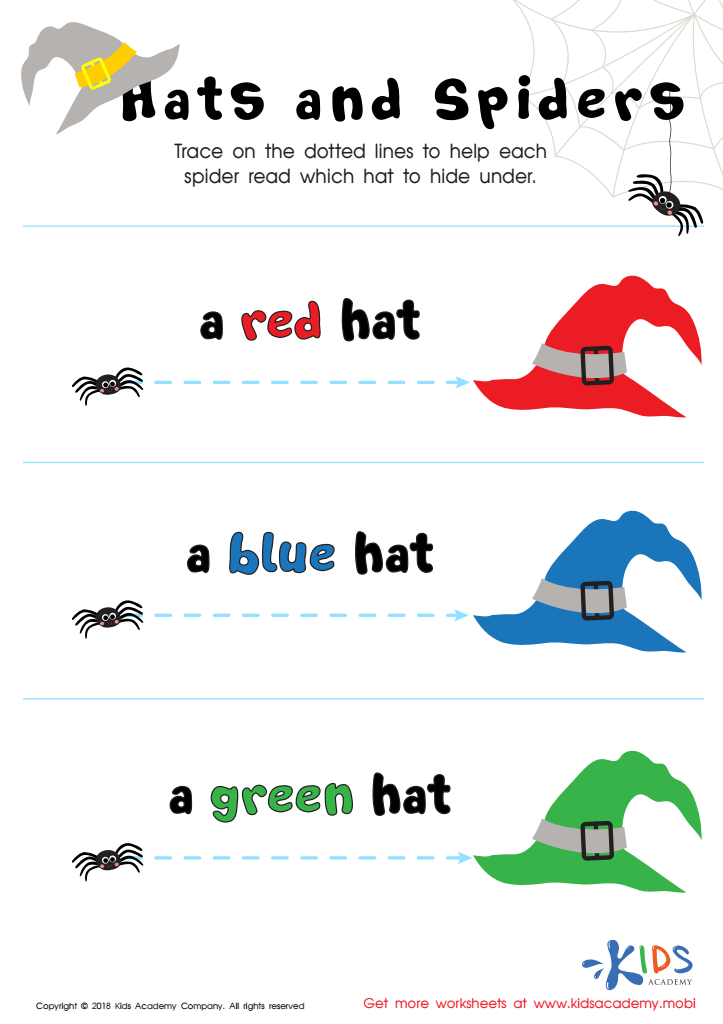
Read from Left to Right: Hats and Spiders Worksheet
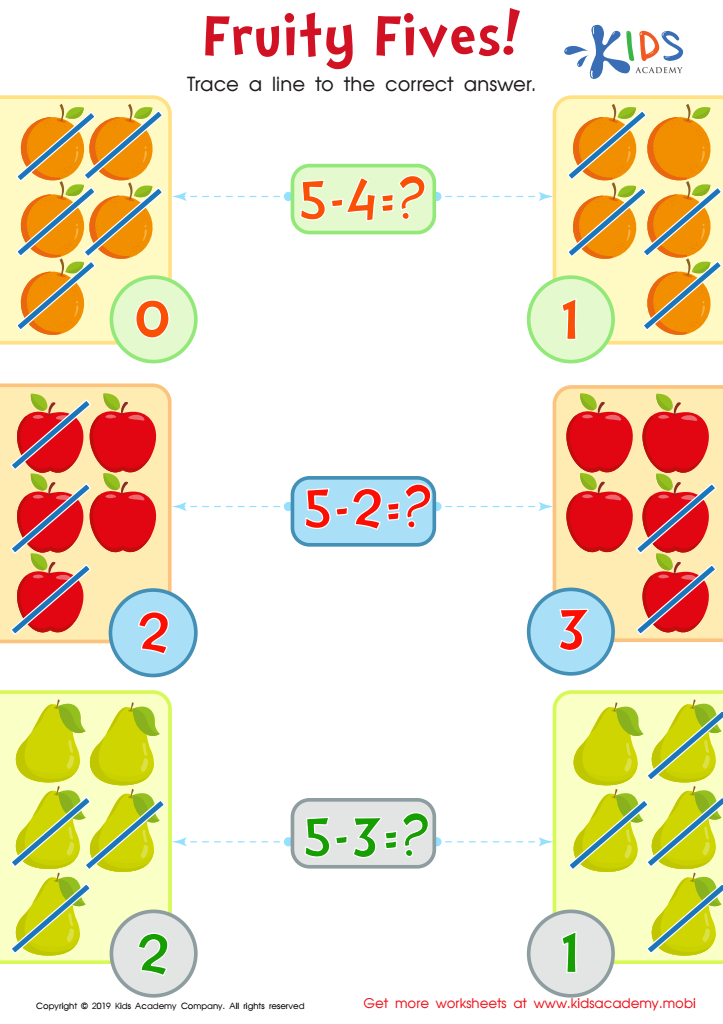
Fruity Fives! Worksheet
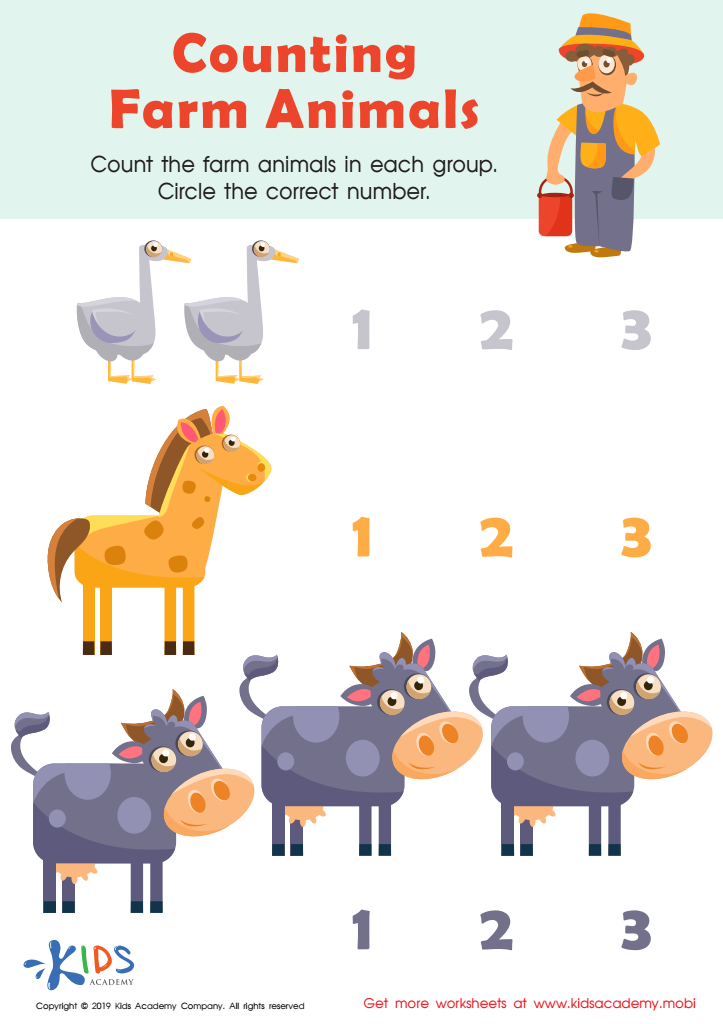
Counting Farm Animals Worksheet
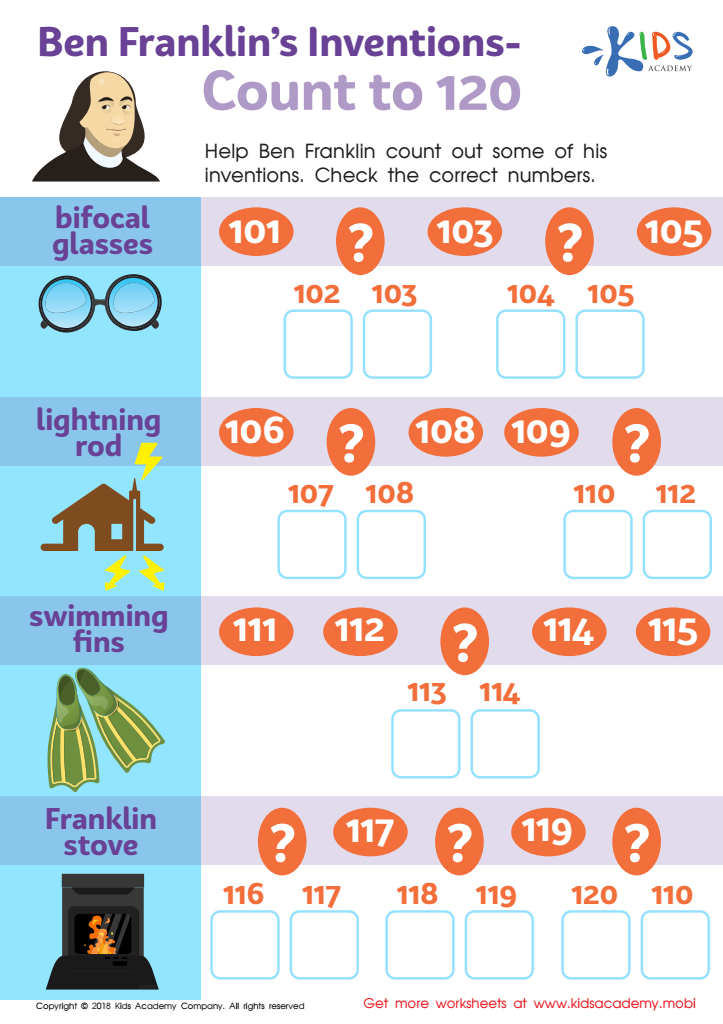
Ben Franklin’s Inventions – Count to 120 Worksheet







Parents and teachers should prioritize number writing for children aged 5-9 because it lays the foundation for essential math skills and promotes cognitive development. At this age, children are developing fine motor skills, and writing numbers helps enhance hand-eye coordination and control over writing instruments. Practicing number writing also aids in number recognition and understanding of quantity.
Furthermore, engaging in number writing fosters early literacy skills. By linking numbers to their symbolic form, children start to understand mathematical concepts and processes. This understanding is crucial as it prepares them for more complex operations and problem-solving tasks in later grades.
Number writing is also a means of fostering independence and confidence in children. As they master number formation, they gain a sense of accomplishment and are encouraged to explore math more eagerly. Additionally, involving parents in this practice can strengthen the home-school connection, making learning a shared experience.
Ultimately, nurturing number writing skills lays the groundwork for a child's academic success, enhances their overall learning experience, and helps build positive attitudes toward math, which can last a lifetime. Encouraging this skill set ensures that children are better prepared for challenges in higher education and everyday life.








