Plant identification Worksheets for Ages 5-9
5 filtered results
-
From - To
Explore our engaging Plant Identification Worksheets designed for children ages 5-9! These interactive resources encourage young learners to discover and recognize various plants in their environment. Featuring vibrant illustrations and easy-to-follow activities, our worksheets help enhance observation skills and foster a love for nature. Kids will enjoy hands-on experiences as they learn to identify common plants, flowers, and trees through fun matching, drawing, and labeling exercises. Perfect for both homeschooling and classroom use, these worksheets promote curiosity about the natural world while supporting essential skills such as critical thinking and visual recognition. Let's nurture future botanists together!
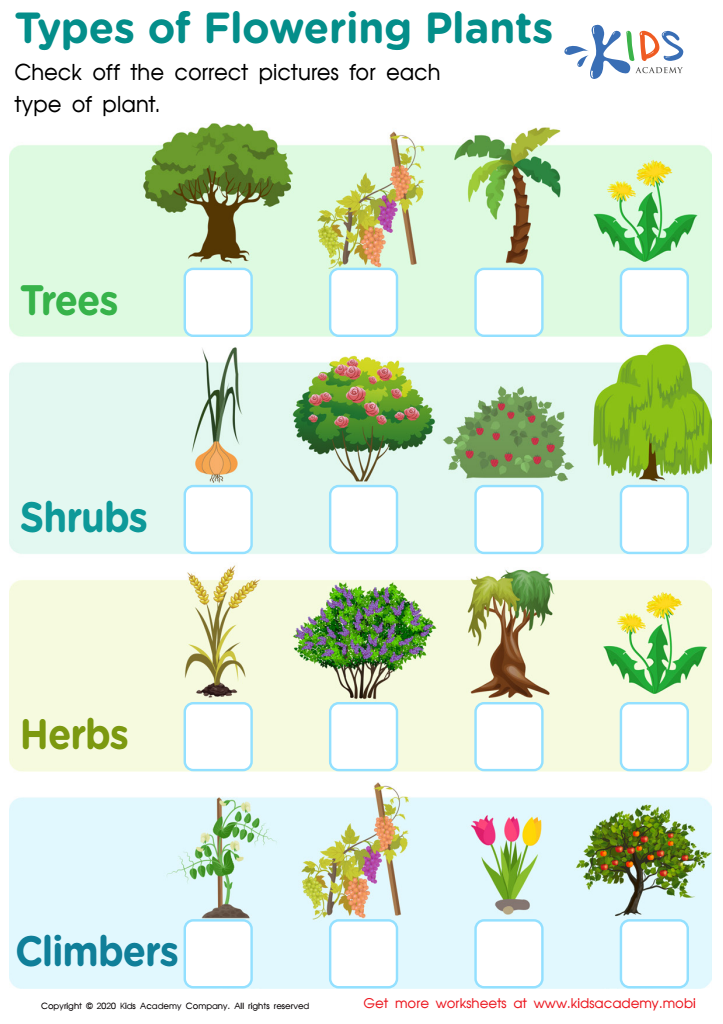
Types of Flowering Plants Worksheet
Plant Fun Worksheet
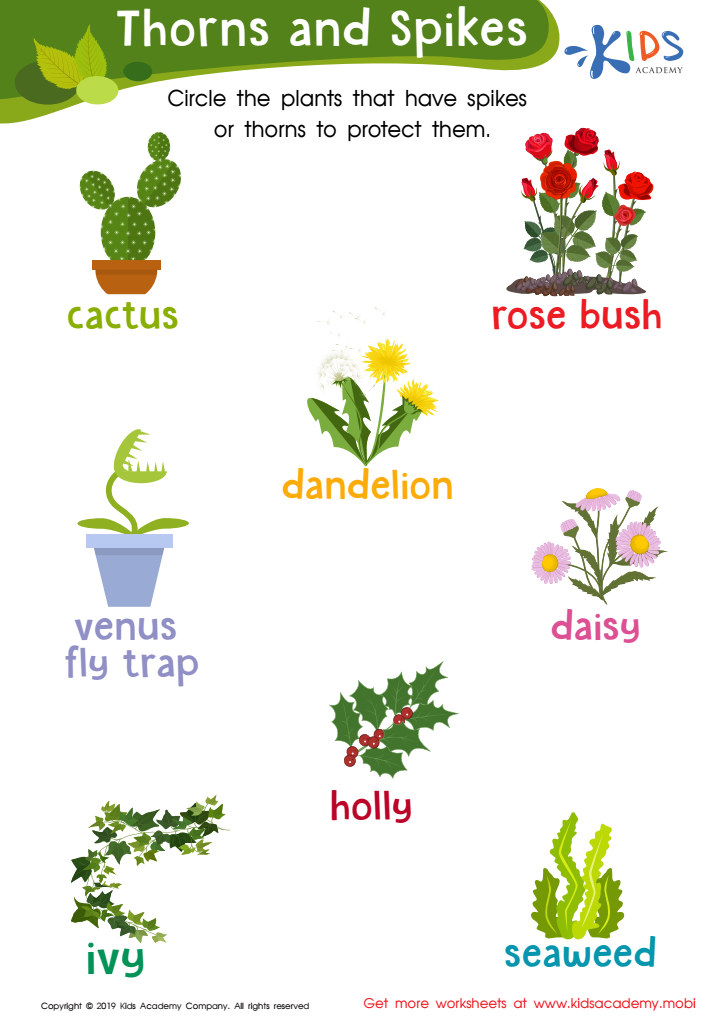
Thorns and Spikes Worksheet
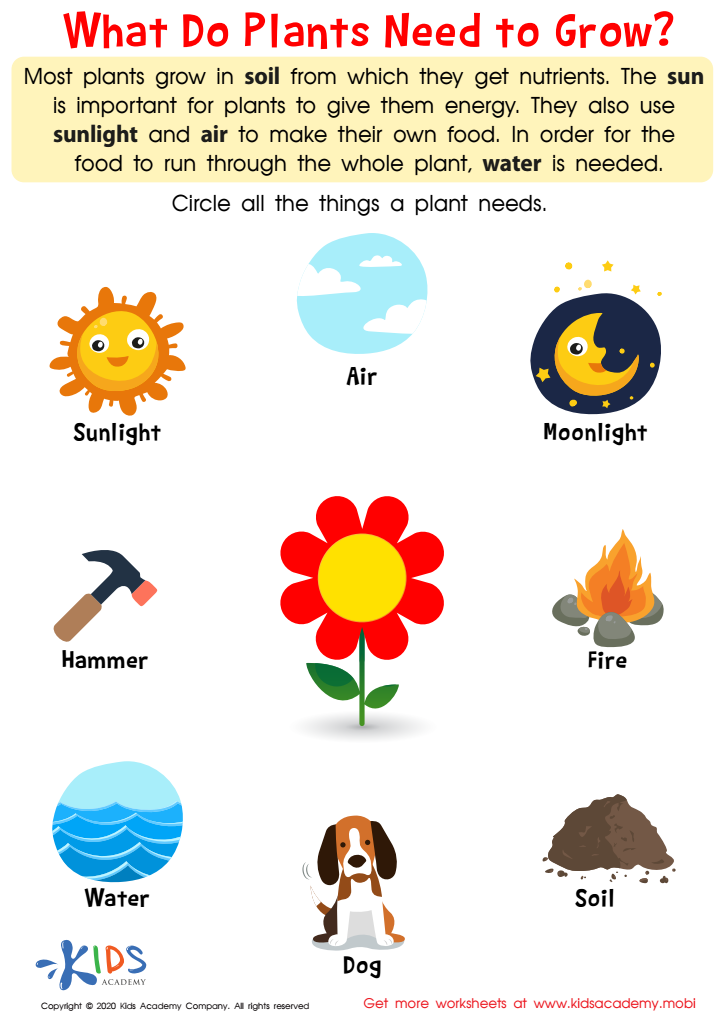
What Do Plants Need to Grow Worksheet
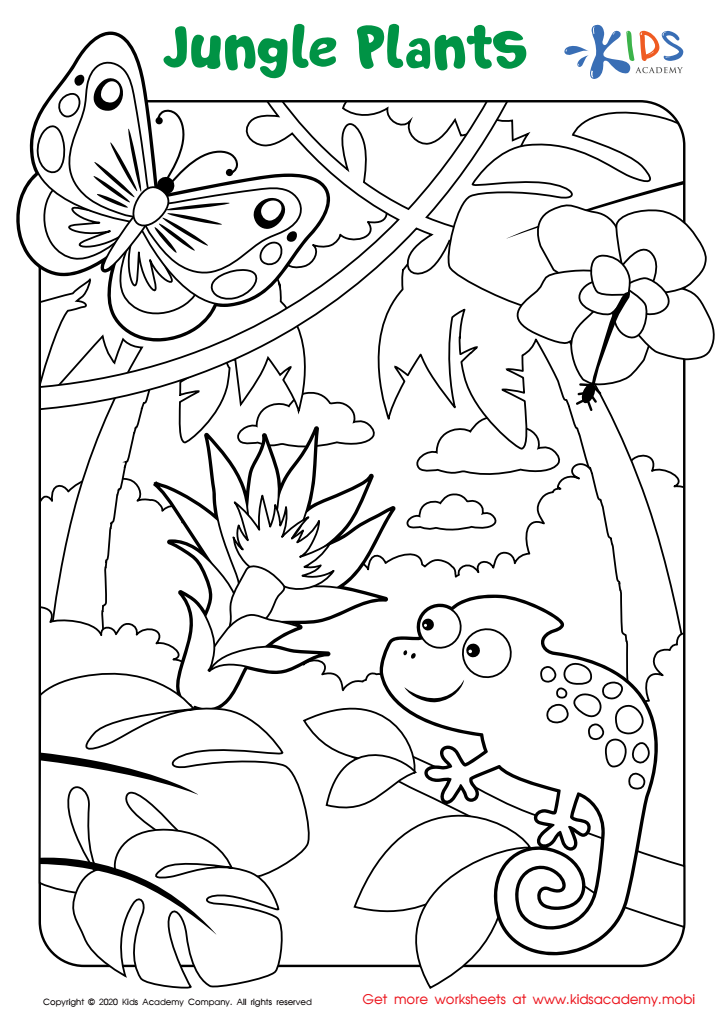
Jungle Plants Worksheet
 Assign to My Students








Plant identification is a vital skill for children aged 5-9, and parents and teachers should prioritize it for several reasons. First, it fosters a connection with nature, which is crucial for developing environmental awareness. Understanding local flora encourages appreciation for ecosystems and promotes responsible stewardship of the earth.
Second, learning to identify plants enhances observation and critical thinking skills. Children engage their senses and learn to distinguish between different species, which sharpens their attention to detail—a foundational skill for academic success.
Third, plant identification can play a significant role in science education. It serves as an entry point for lessons in biology, ecology, and even art, enriching the curriculum in an engaging way. Experiential learning through outdoor exploration makes subjects tangible and memorable.
Moreover, knowing about edible and non-toxic plants can enhance children's outdoor safety and help them make informed choices during play and exploration.
Finally, gardening projects or nature walks driven by plant identification foster collaboration and social skills, allowing children to work together, discuss findings, and develop a sense of community. In doing so, they not only gain knowledge but also build a spirit of curiosity and discovery that is essential for lifelong learning.








