Improve reading skills Adding up to 1000 Misc Worksheets for Ages 5-9
3 filtered results
-
From - To
Enhance your child's reading skills with our comprehensive collection of 1000+ printable worksheets, specially designed for ages 5-9. These engaging resources help young learners develop their comprehension and vocabulary while making learning fun. Each worksheet blends reading comprehension activities with exciting themes, ensuring that children stay motivated as they practice essential skills. From simple sight words to more complex sentences, our thoughtfully crafted materials cater to various learning levels. Interactive exercises encourage critical thinking and creativity, facilitating a holistic reading experience. Foster a love for reading and support your child's academic journey with our diverse and enriching worksheets today!
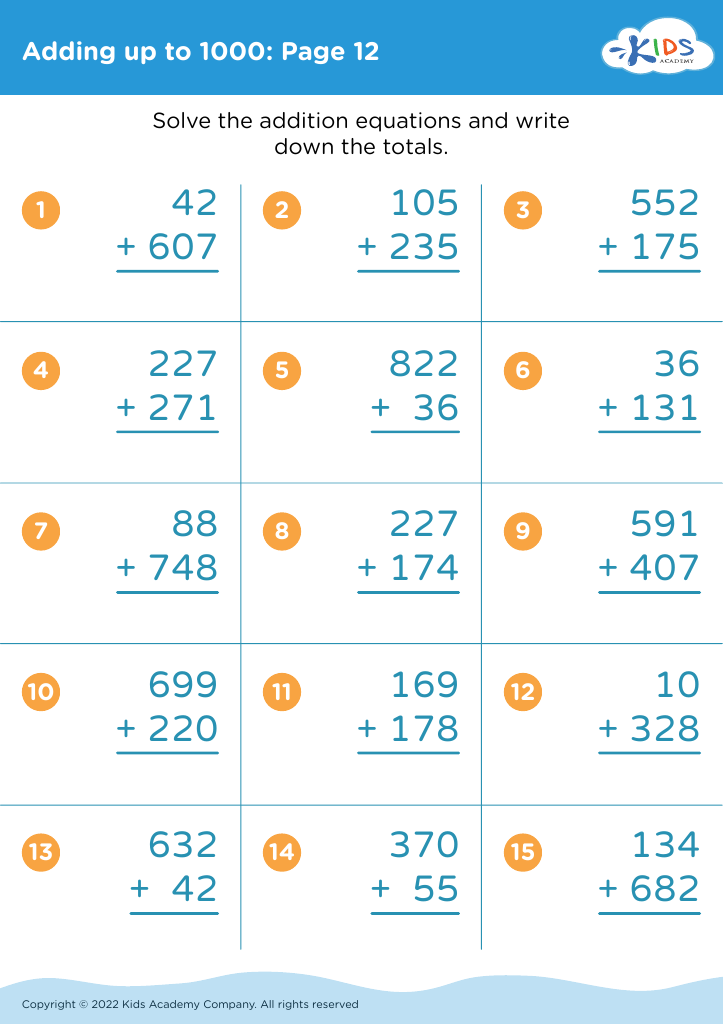


Improving reading skills is critical for children aged 5-9, as it lays the groundwork for all future learning. Mastery of reading not only enhances literacy but also boosts overall cognitive development. For parents and teachers, nurturing these skills is essential: reading proficiency directly correlates with academic success across subjects. When children can read well, they become more engaged in school, enjoy learning, and develop confidence in their abilities.
Furthermore, strong reading skills foster communication, critical thinking, and problem-solving abilities. Children who read extensively are exposed to diverse vocabulary and ideas, aiding their emotional and social development. Engaging in reading together—be it at home or in the classroom—encourages bonding and reinforces the importance of literacy.
In an increasingly digital world, reading remains a pivotal skill that enables children to understand, evaluate, and navigate information. By investing time in enhancing reading skills, parents and teachers empower children to become lifelong learners who can tackle future challenges with confidence. The initiative to improve reading proficiency not only benefits individual children but strengthens communities, as literacy is the foundation of a knowledgeable, informed society. Therefore, prioritizing reading in early education is vital for nurturing capable, well-rounded individuals.