Fine motor skills (drawing lines) Adding Up to 5 Worksheets for Ages 5-9
3 filtered results
-
From - To
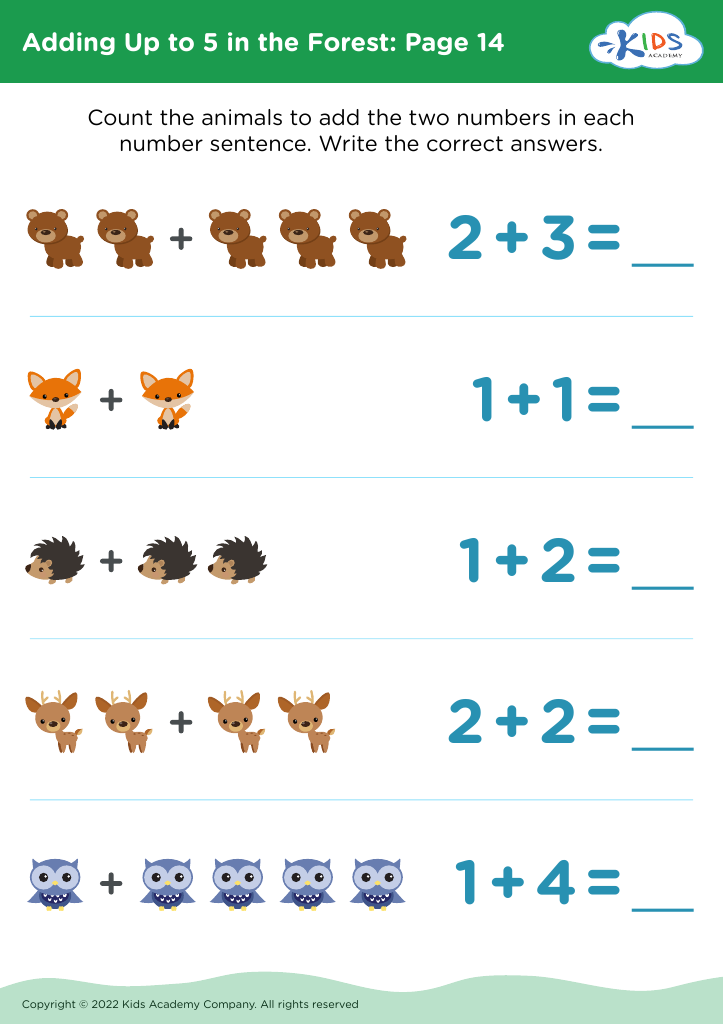
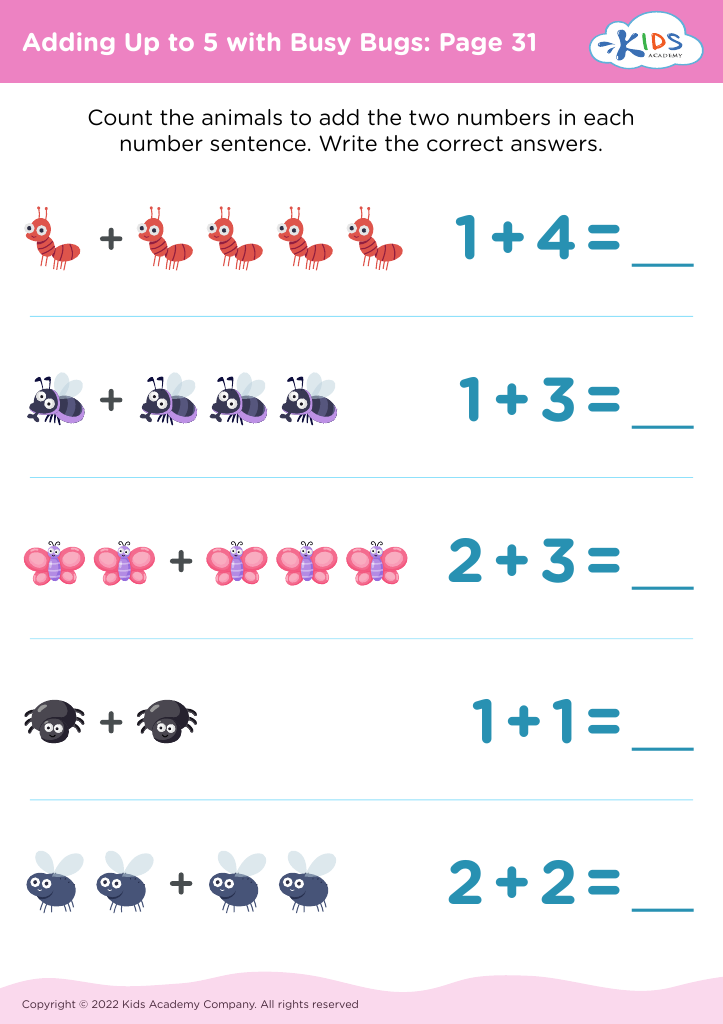
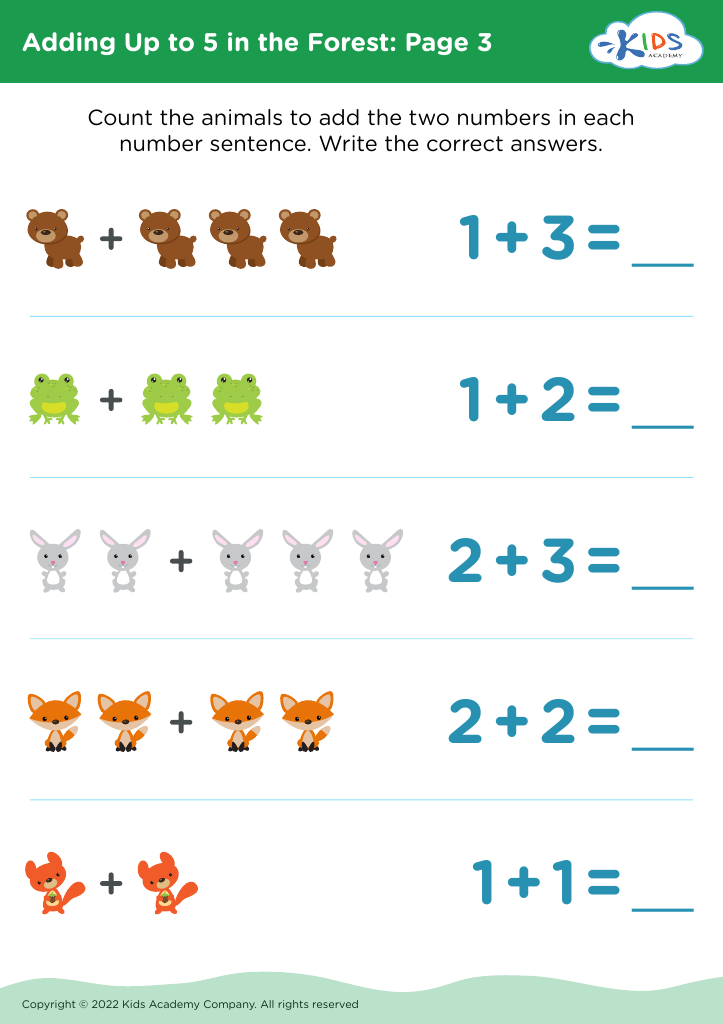
Enhance your child's fine motor skills with our engaging "Fine Motor Skills (Drawing Lines) Adding Up to 5 Worksheets" designed for ages 5-9! These worksheets provide a fun and interactive way for young learners to practice essential math skills while developing hand-eye coordination and control. Each activity features drawing lines to help them visualize quantities as they work on addition problems up to 5. These exercises promote creativity and precision, ensuring foundational skills are strengthened in a playful manner. Perfect for classrooms or at-home learning, our worksheets offer a comprehensive approach to early math and motor skill development. Start enriching your child's learning journey today!


%20(1).jpg)





Fine motor skills are crucial for children aged 5-9 as they form the foundation for various academic and daily life tasks. Drawing lines is a key activity that enhances hand-eye coordination, dexterity, and control. As children engage in drawing both lines and shapes, they develop the intricate movements necessary for tasks like writing, using scissors, and engaging in arts and crafts. Mastery in these skills also boosts their confidence and encourages creative expression.
Furthermore, the ability to perform basic arithmetic, such as 'adding up to 5,' is a vital cognitive milestone. This foundational math skill nurtures logical reasoning and problem-solving abilities, essential for future learning in mathematics. When integrated with fine motor development, practices like counting objects or drawing dots can reinforce number concepts while keeping the learning process engaging and playful.
Parents and teachers should prioritize these skills as they are interlinked with broader developmental outcomes. Engaging kids in activities that promote fine motor skills and early arithmetic not only makes learning enjoyable but also sets the stage for successful educational journeys. By foster curiosity and competence, adults can support lifelong skills crucial for academia and everyday life.








