
Fine motor skills (drawing lines) Addition & Subtraction Worksheets for Ages 5-9
3 filtered results
Difficulty Level
Grade
Age
-
From - To
Subject
Activity
Standards
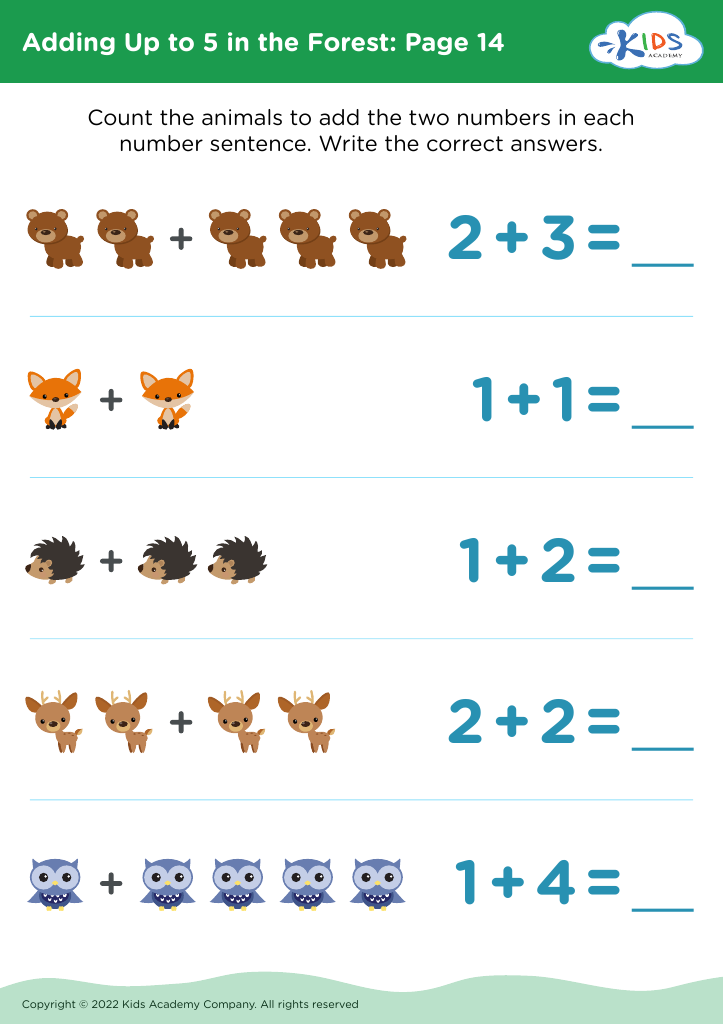
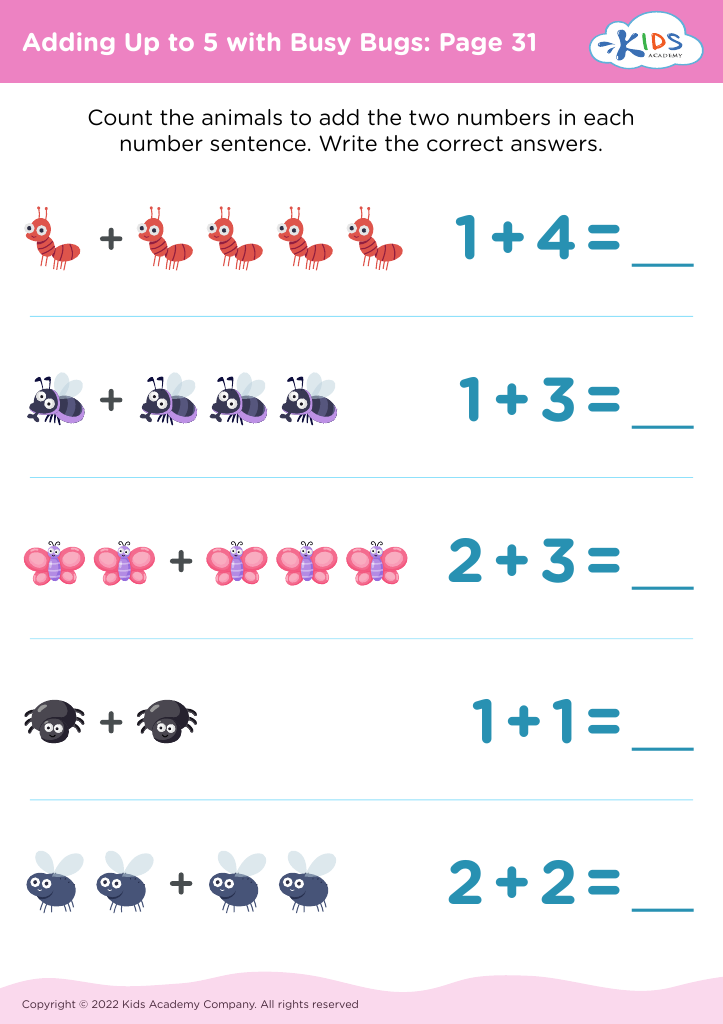
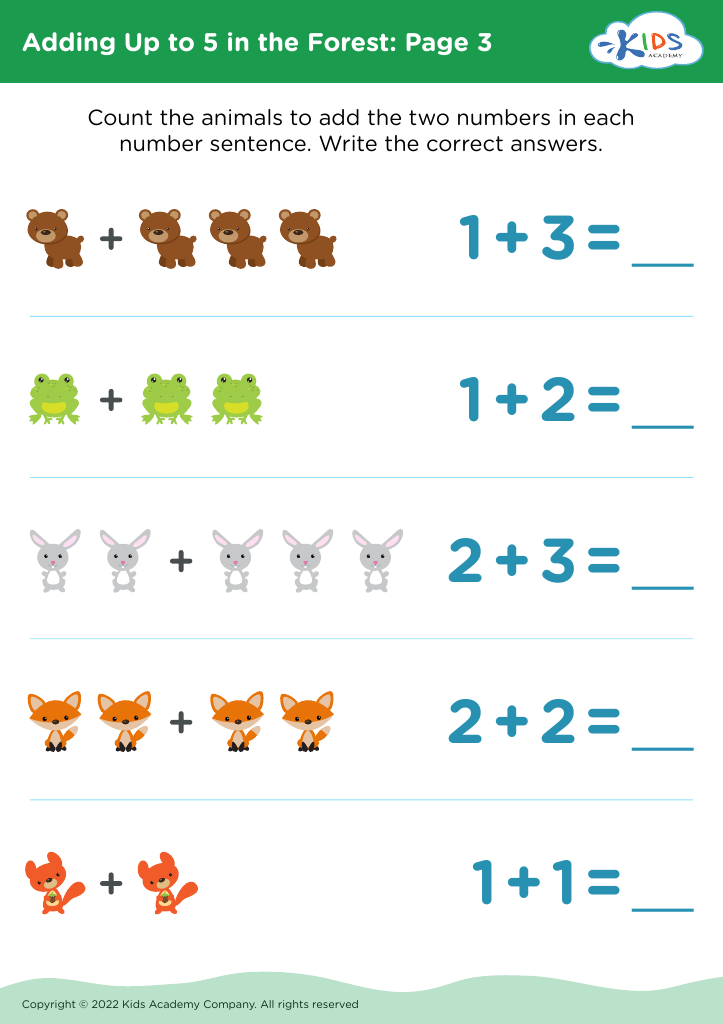
Enhance your child’s math and fine motor skills with our engaging Addition & Subtraction Worksheets. Designed for ages 5-9, these printables combine essential arithmetic practice with activities that develop hand-eye coordination. Each worksheet encourages children to draw lines and solve math problems, promoting focus and precision. Perfect for early learners, our fun and educational exercises make mastering addition and subtraction enjoyable. Ideal for home or classroom use, these worksheets support foundational math skills while nurturing fine motor development. Help your child succeed with our carefully crafted resources from Kids Academy!
Favorites
With answer key
Interactive
Join Kids Academy for Free
Who is primarily going to use this learning content?








Fine motor skills, such as drawing lines, and foundational concepts in addition and subtraction are crucial for children aged 5-9 for several reasons. Fine motor development enables children to perform essential tasks like writing, cutting, and buttoning, which are pivotal for their independence and self-esteem. These skills also correlate with cognitive development, as fine motor activities engage brain regions responsible for planning and problem-solving.
Addition and subtraction are fundamental arithmetic operations that form the cornerstone of mathematical understanding. Mastering these skills equips children with critical tools for everyday tasks, from practical scenarios like counting change to academic pursuits in more advanced mathematics. Developing proficiency in addition and subtraction in early years builds a strong numerical foundation, enhancing their capacity for more complex problem-solving in the future.
Comprehending these basic mathematics principles fosters logical thinking, pattern recognition, and analytical skills that are beneficial beyond the classroom. At this developmental stage, neglecting either fine motor skills or fundamental math skills can lead to challenges in academic achievement and daily life tasks. Thus, parents and teachers must nurture these areas, ensuring a well-rounded foundational development that supports both immediate learning and long-term success.








