Check out this FREE Trial Lesson on Addition & Subtraction for age 5-9!

A

Favorites
With answer key
Interactive
  • 5-9
  • Fraction simplification
  • Addition & Subtraction
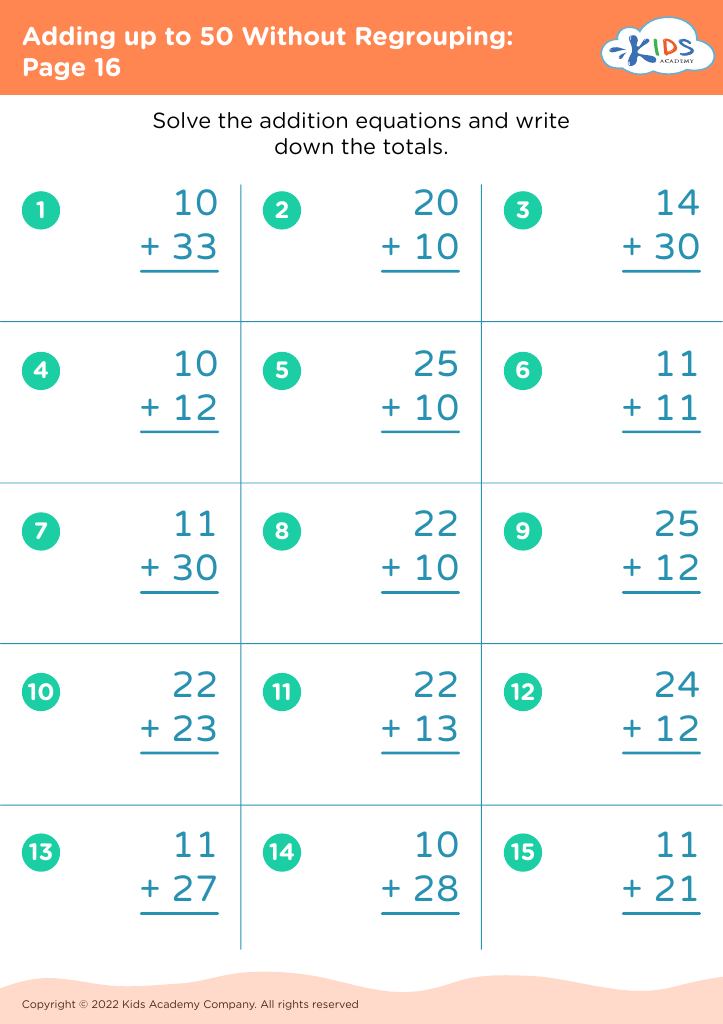
Adding up to 50 Without Regrouping: Page 16
Worksheet
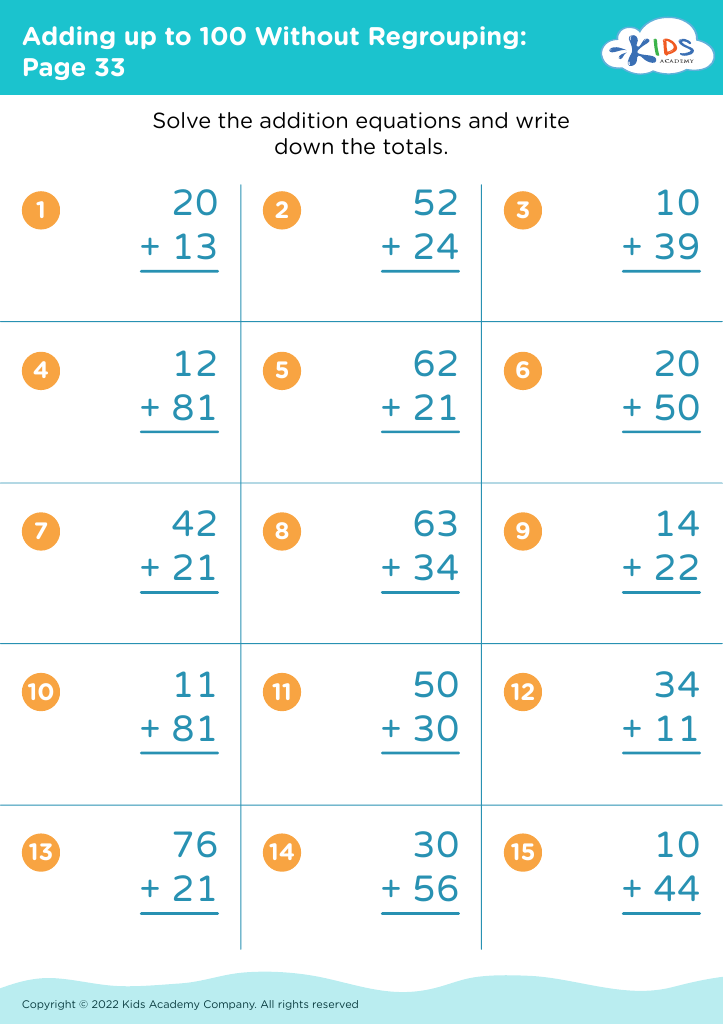
Adding up to 100 Without Regrouping: Page 33
Worksheet
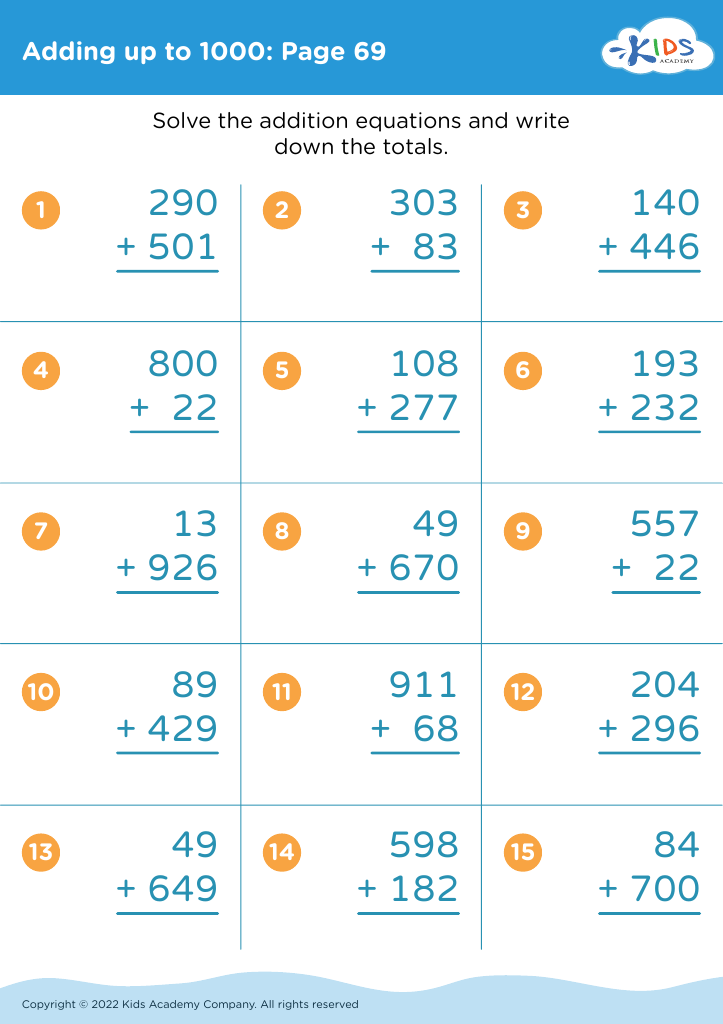
Adding up to 1000: Page 69

Adding up to 1000: Page 69

Adding up to 1000: Page 69
Worksheet
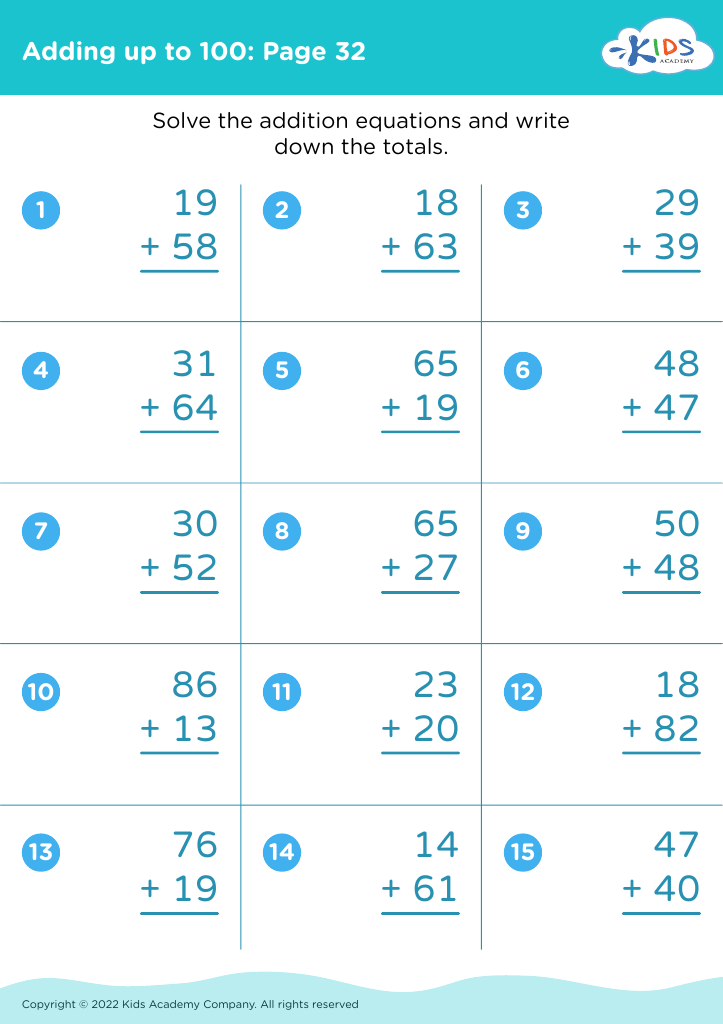
Adding up to 100: Page 32

Adding up to 100: Page 32

Adding up to 100: Page 32
Worksheet
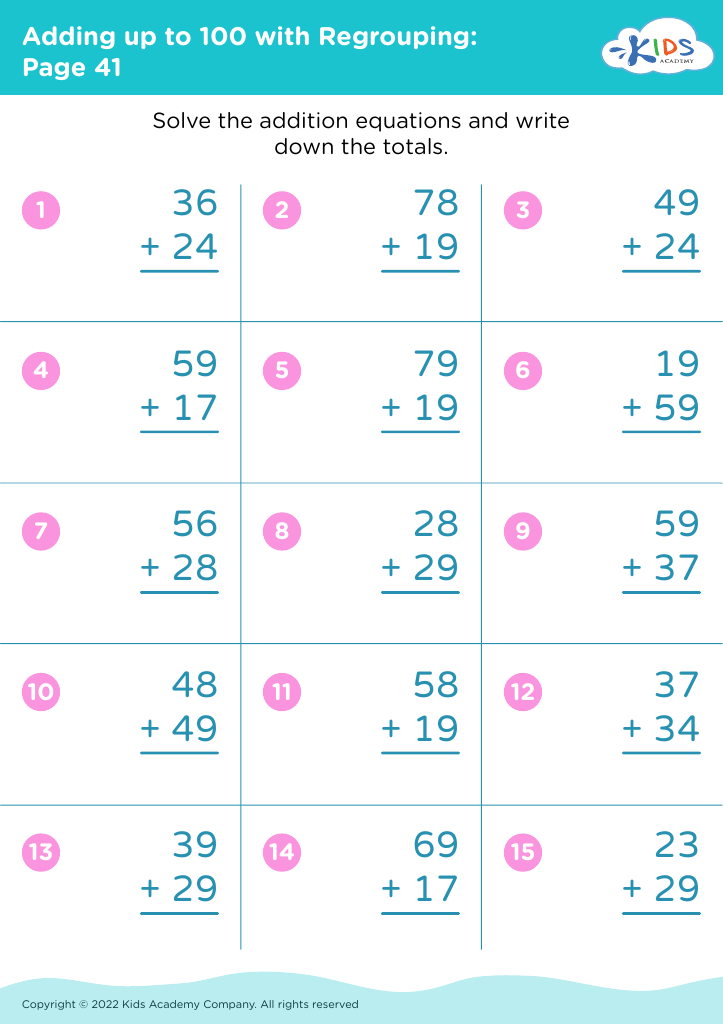
Adding up to 100 with Regrouping: Page 41
Worksheet
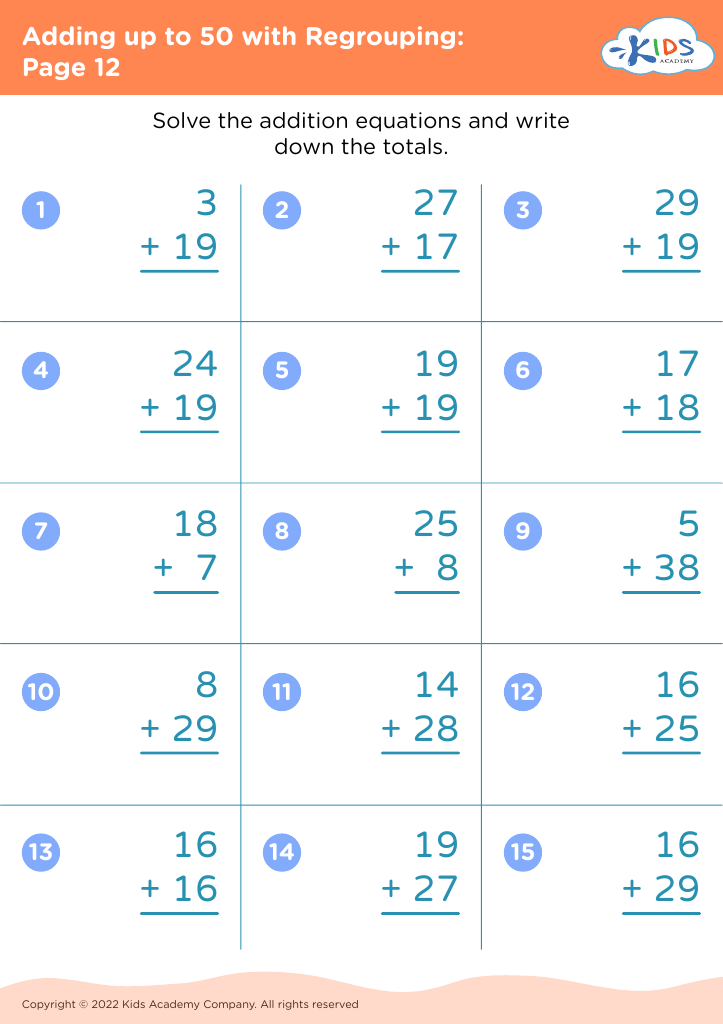
Adding up to 50 with Regrouping: Page 12
Worksheet
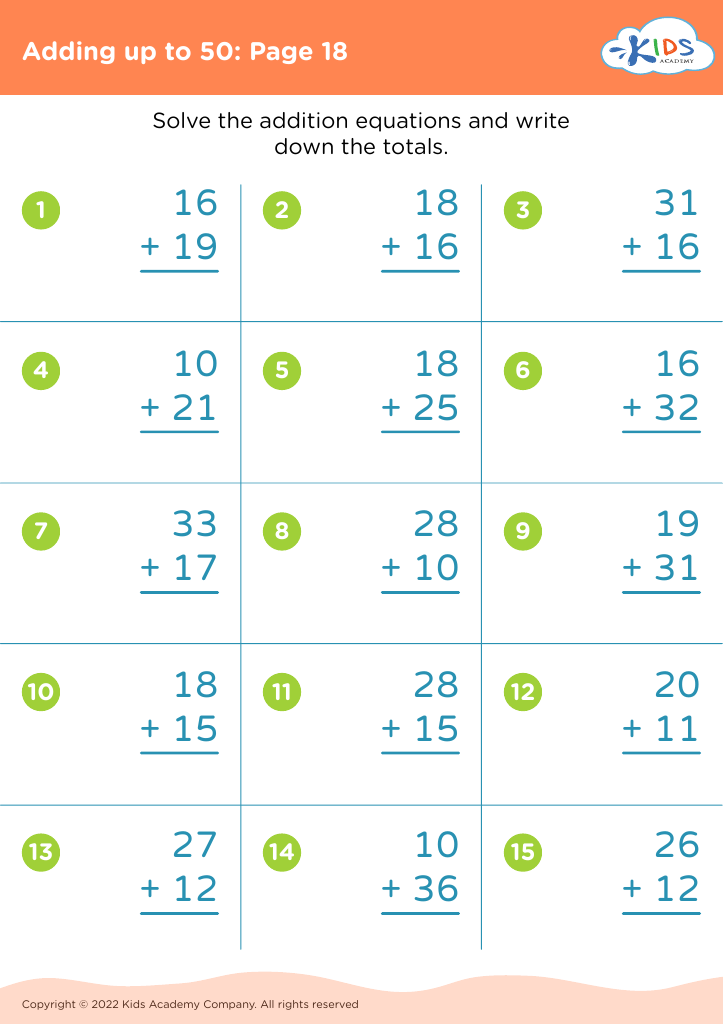
Adding up to 50: Page 18

Adding up to 50: Page 18

Adding up to 50: Page 18
Worksheet
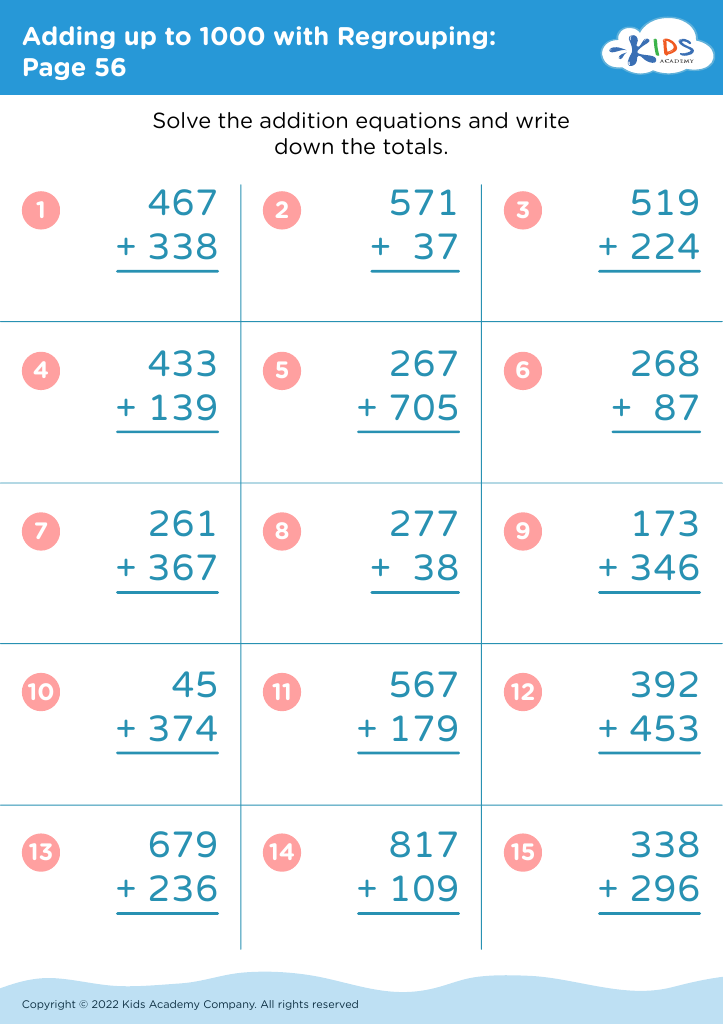
Adding up to 1000 with Regrouping: Page 56
Worksheet
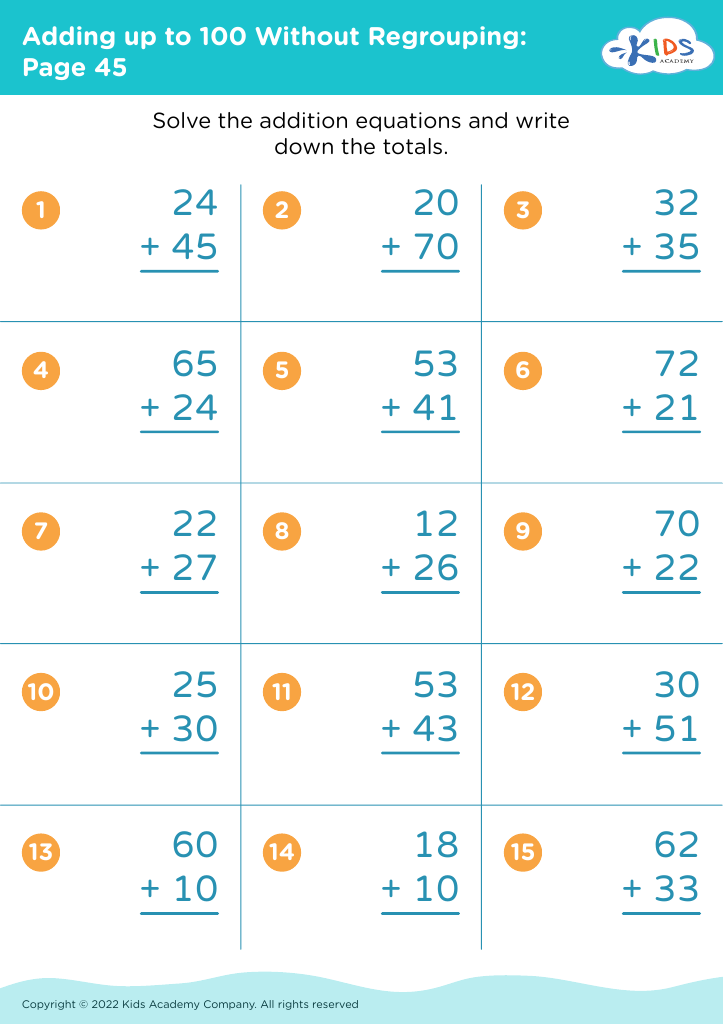
Adding up to 100 Without Regrouping: Page 45
Worksheet
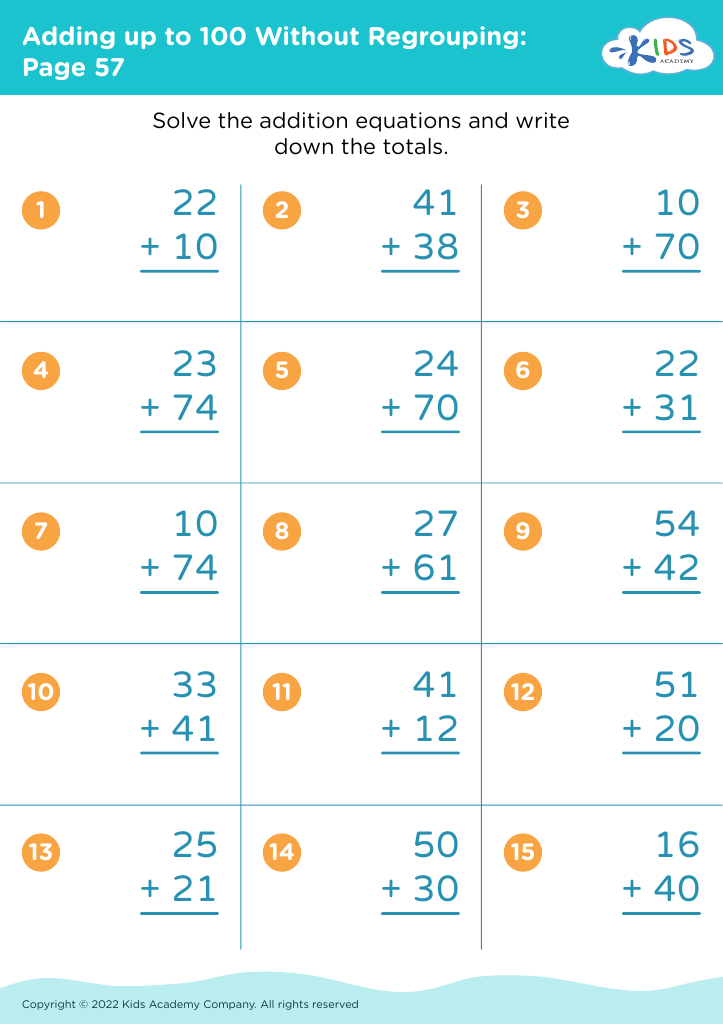
Adding up to 100 Without Regrouping: Page 57
Worksheet
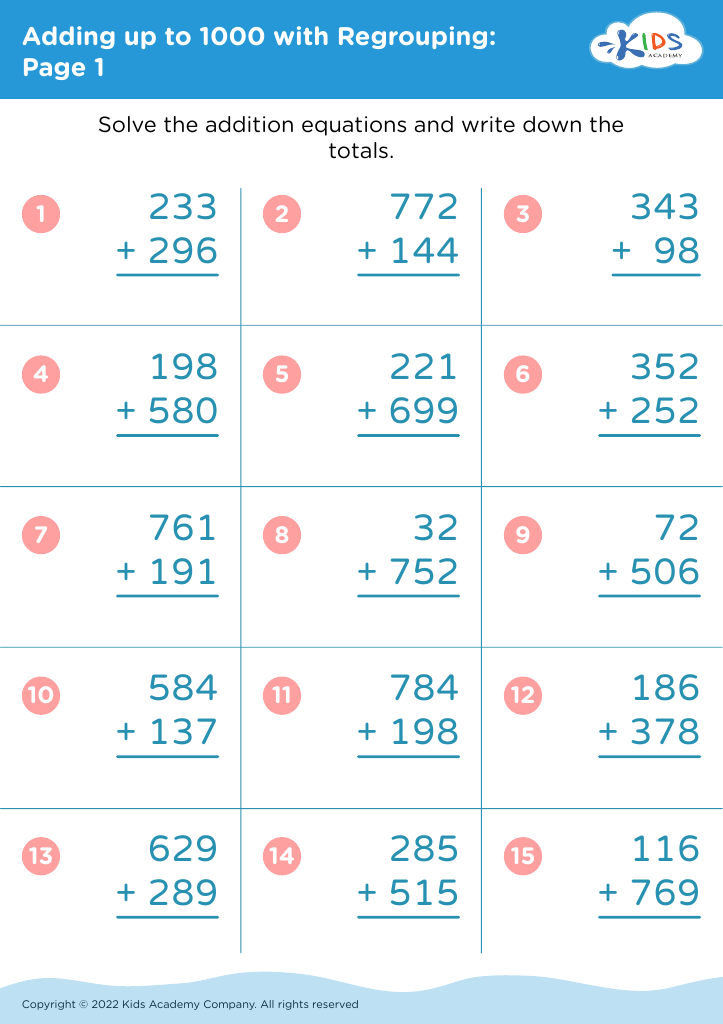
Adding up to 1000 with Regrouping: Page 1
Worksheet
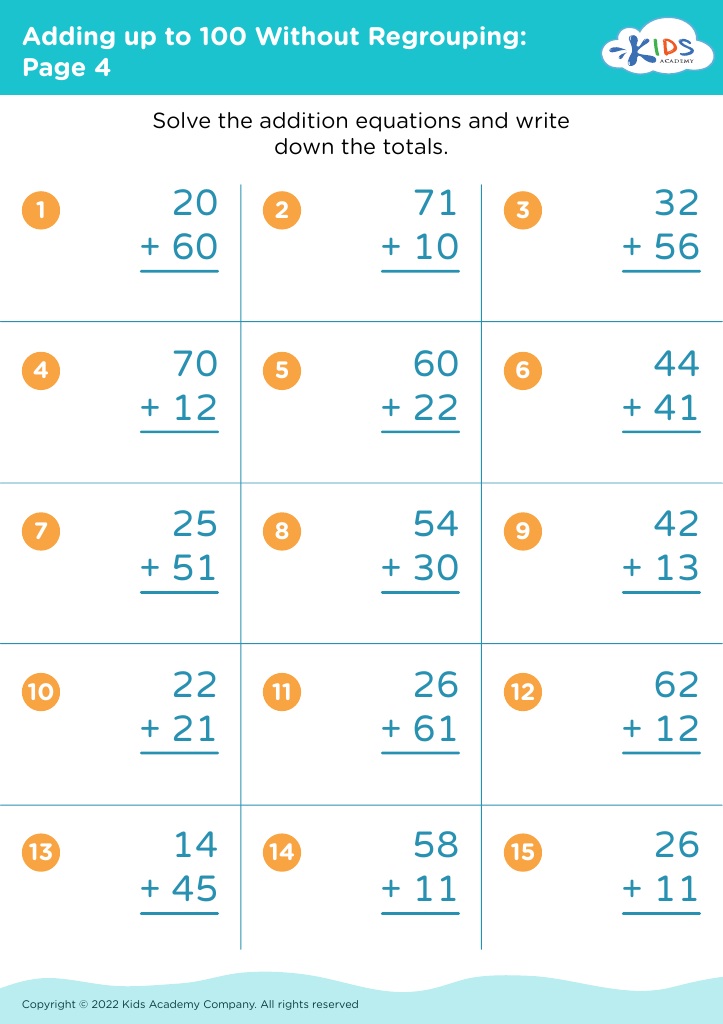
Adding up to 100 Without Regrouping: Page 4
Worksheet
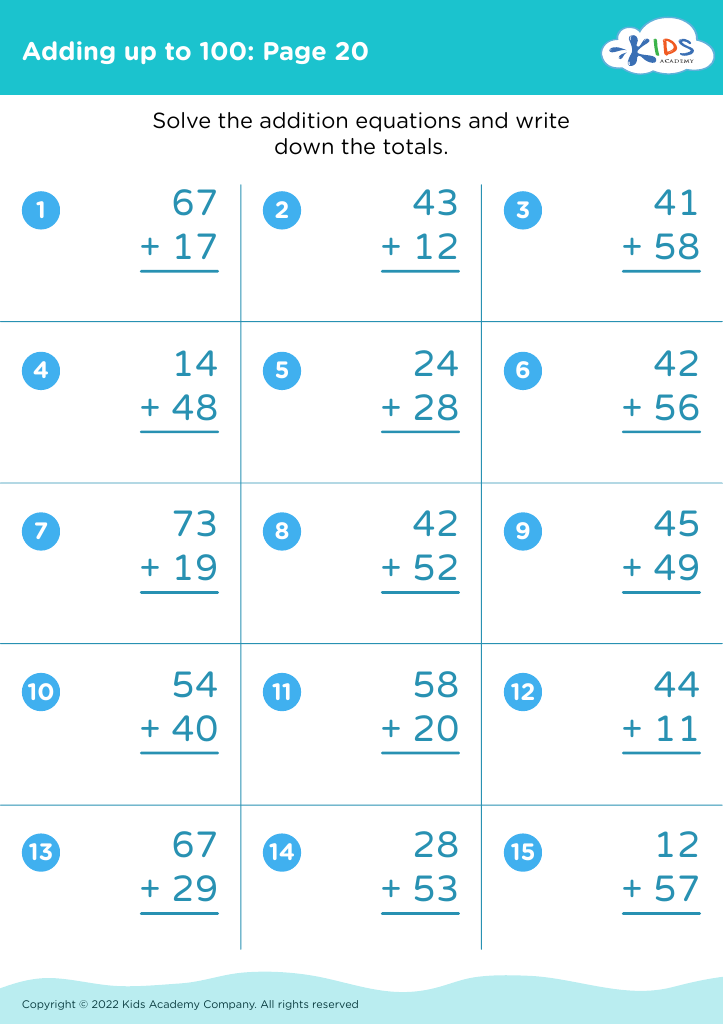
Adding up to 100: Page 20

Adding up to 100: Page 20

Adding up to 100: Page 20
Worksheet
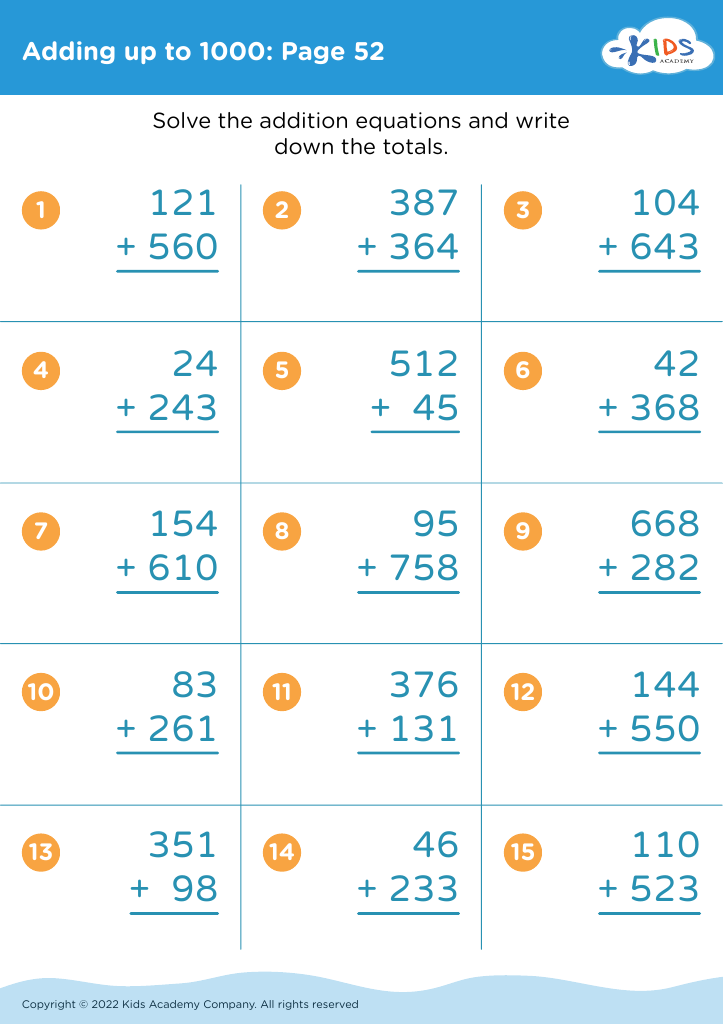
Adding up to 1000: Page 52

Adding up to 1000: Page 52

Adding up to 1000: Page 52
Worksheet
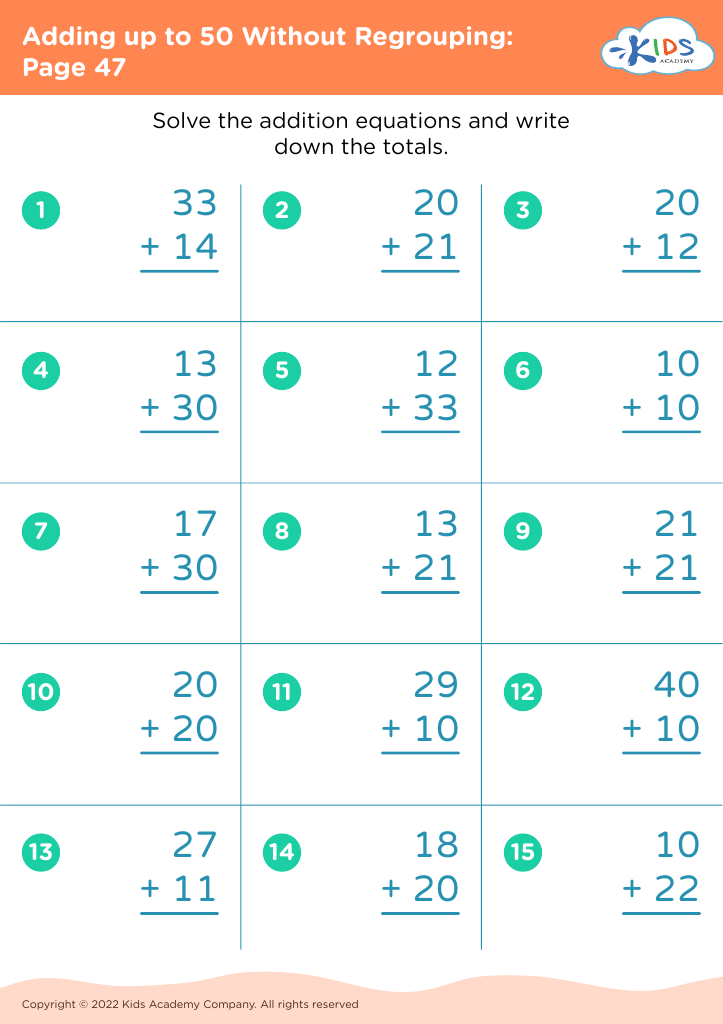
Adding up to 50 Without Regrouping: Page 47
Worksheet
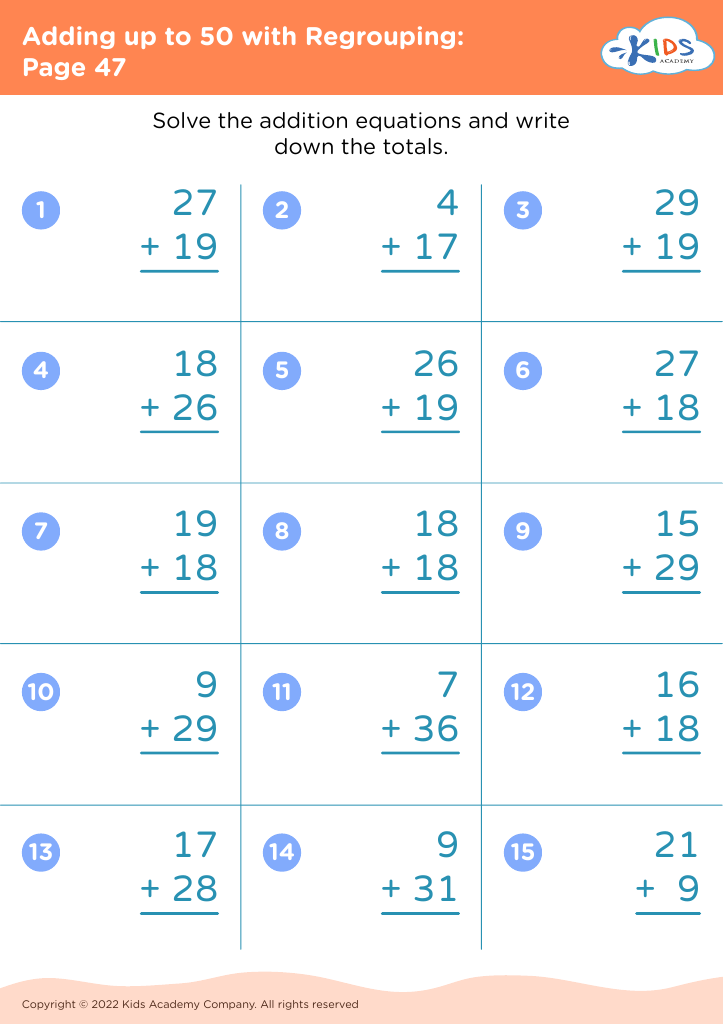
Adding up to 50 with Regrouping: Page 47
Worksheet
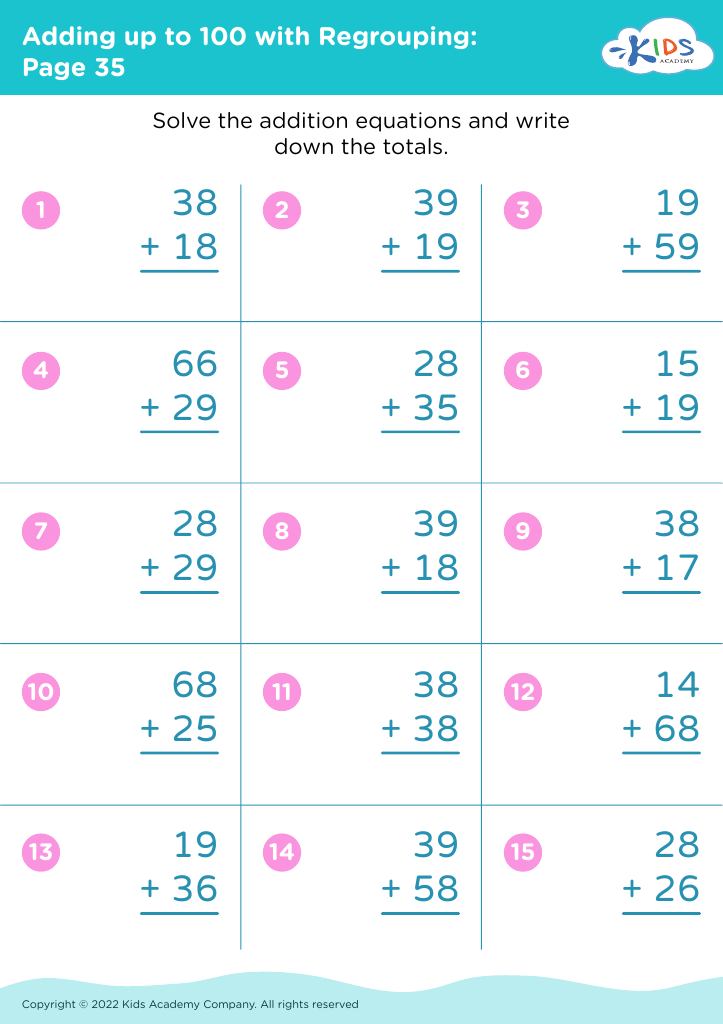
Adding up to 100 with Regrouping: Page 35
Worksheet
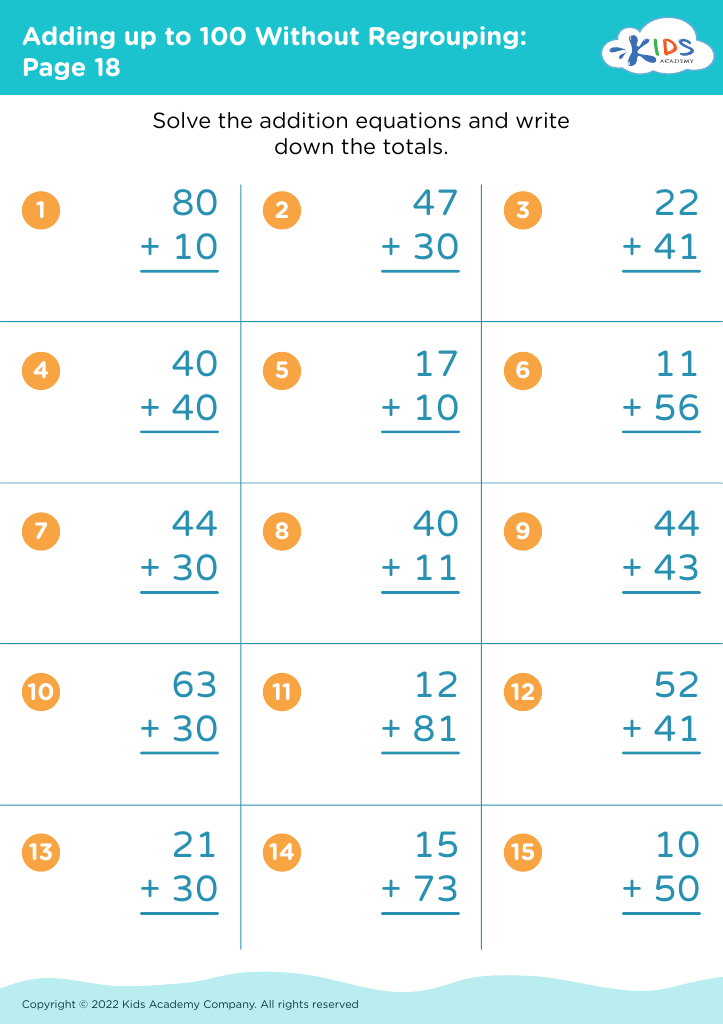
Adding up to 100 Without Regrouping: Page 18
Worksheet
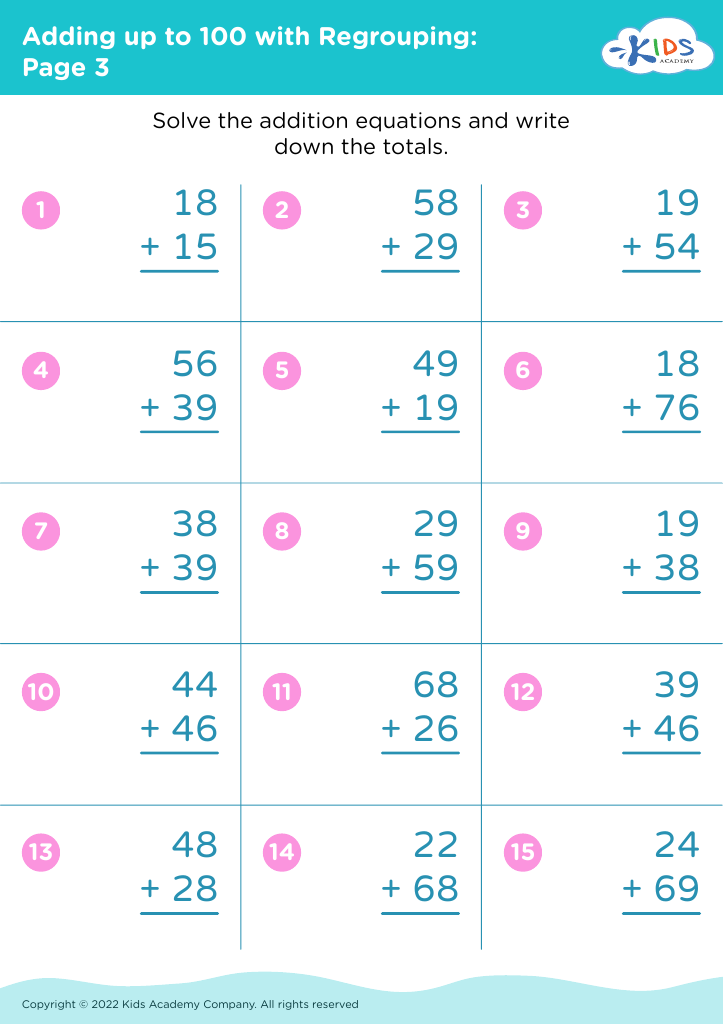
Adding up to 100 with Regrouping: Page 3
Worksheet
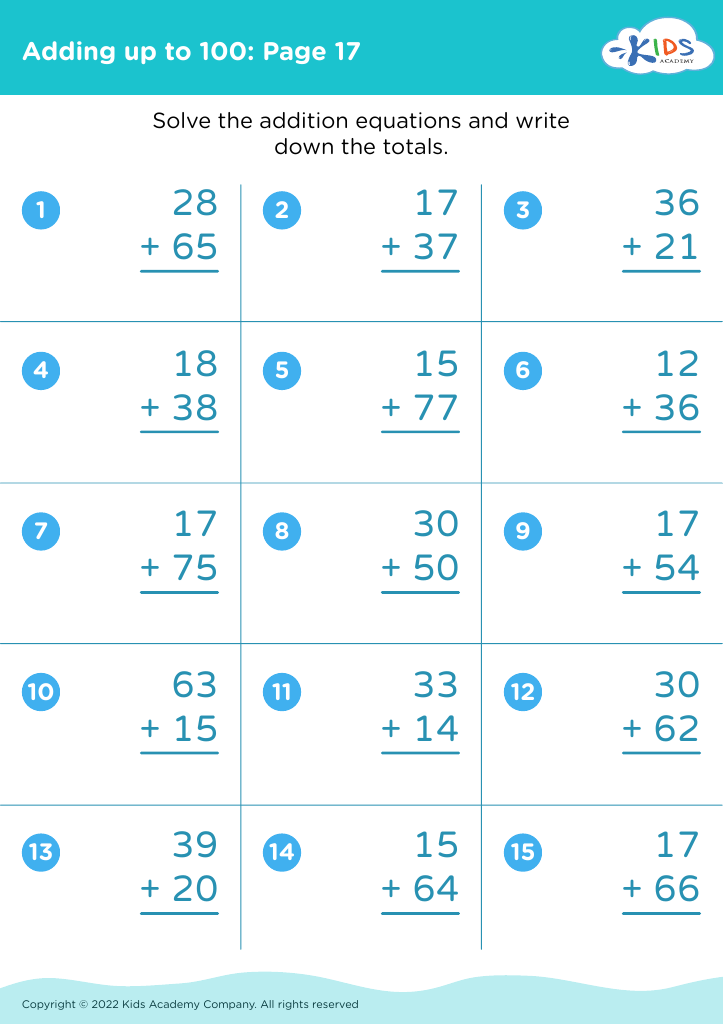
Adding up to 100: Page 17

Adding up to 100: Page 17

Adding up to 100: Page 17
Worksheet
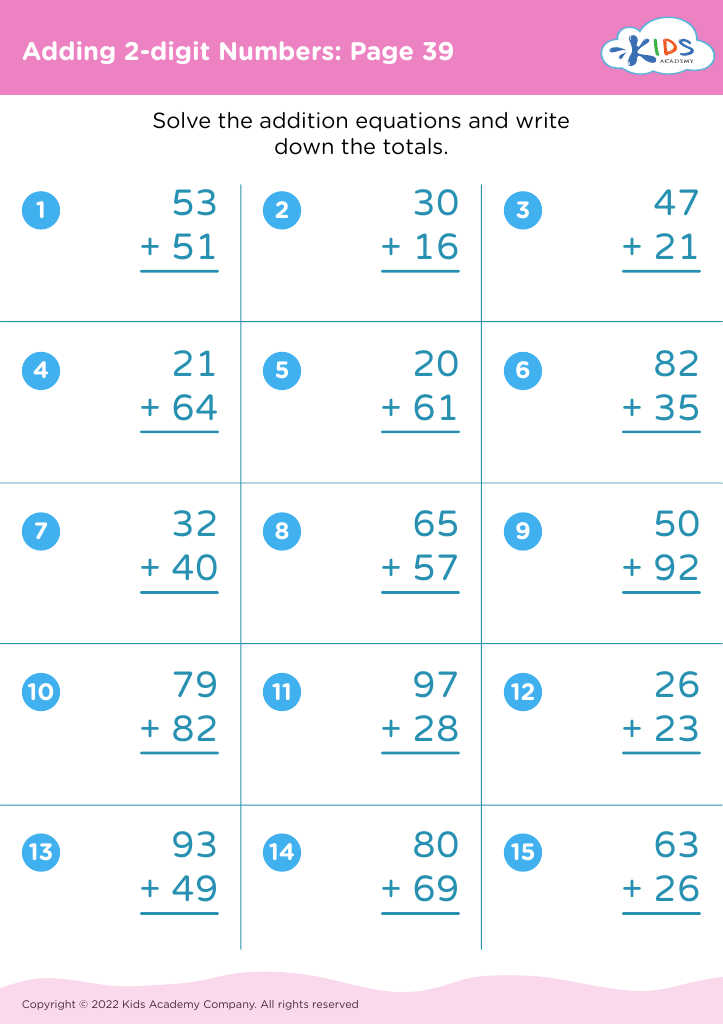
Adding 2-digit Numbers: Page 39

Adding 2-digit Numbers: Page 39

Adding 2-digit Numbers: Page 39
Worksheet
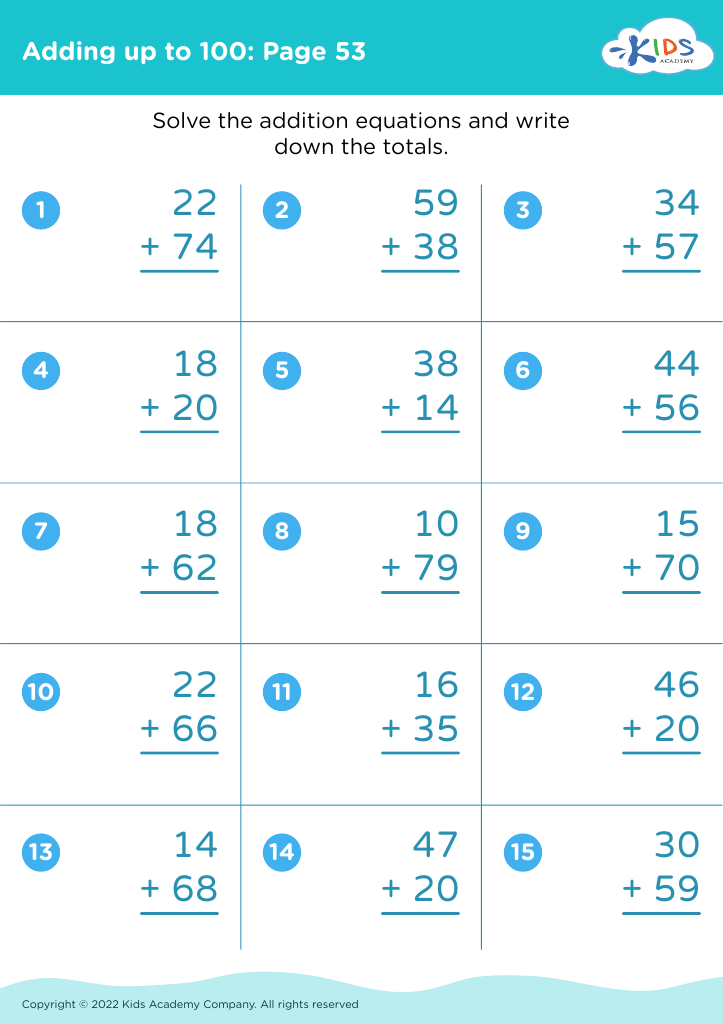
Adding up to 100: Page 53

Adding up to 100: Page 53

Adding up to 100: Page 53
Worksheet
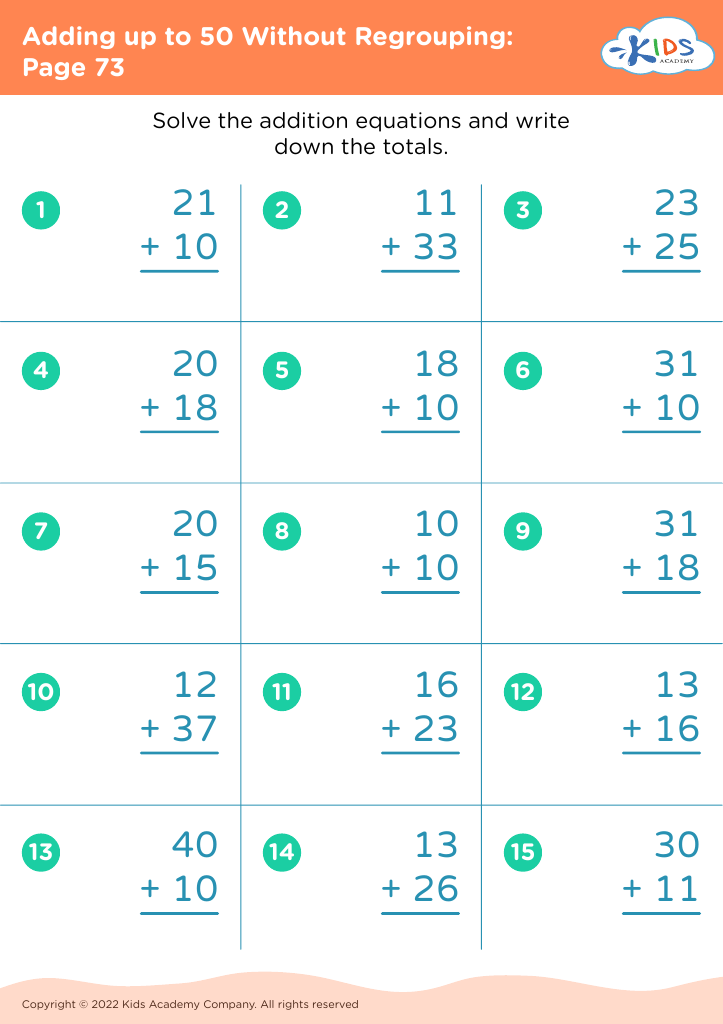
Adding up to 50 Without Regrouping: Page 73
Worksheet
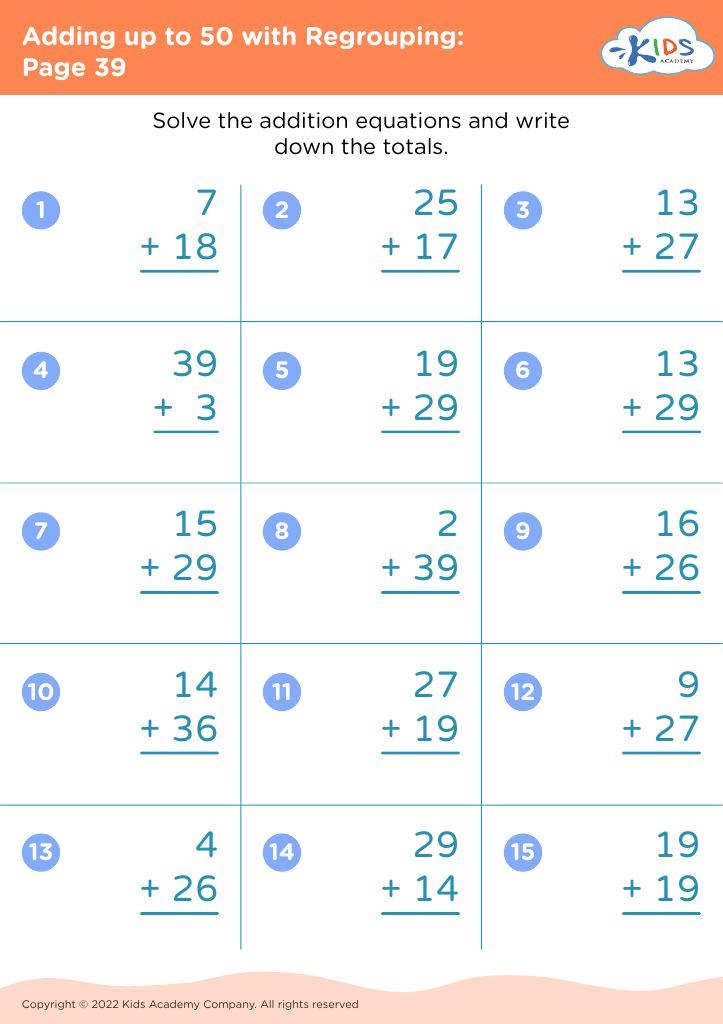
Adding up to 50 with Regrouping: Page 39
Worksheet


Parents and teachers should prioritize understanding and teaching fraction simplification, addition, and subtraction for children aged 5-9 because these foundational skills are essential for building mathematical literacy and problem-solving abilities. At this age, children transition from concrete to abstract thinking. Mastering fractions not only enhances their mathematical fluency but also instills confidence in their ability to tackle more complex concepts in the future.

Learning to simplify fractions promotes critical thinking and allows students to recognize relationships between numbers. When children can easily perform fraction addition and subtraction, they develop a deeper understanding of equivalence and proportional reasoning, key skills that will serve them across disciplines, such as science and cooking.

Furthermore, familiarizing children with these concepts at a young age fosters a positive attitude toward math. Students who grasp these skills early are more likely to engage in advanced math topics later, reducing math anxiety as they progress through school.

Overall, engaging children with fraction simplification, addition, and subtraction encourages a lifelong love for learning, equips them with essential skills, and ensures they're prepared for future academic challenges, making this area of study critical in the early years of education.