
Telling time Addition & Subtraction Worksheets for Ages 5-9
3 filtered results
Difficulty Level
Grade
Age
-
From - To
Subject
Activity
Standards
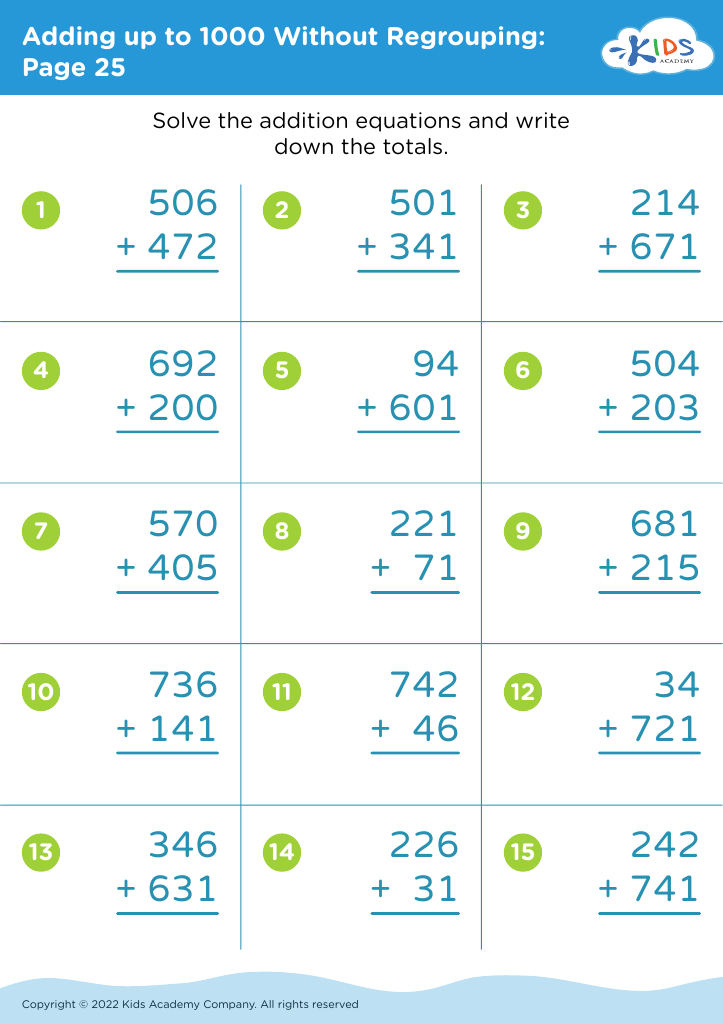
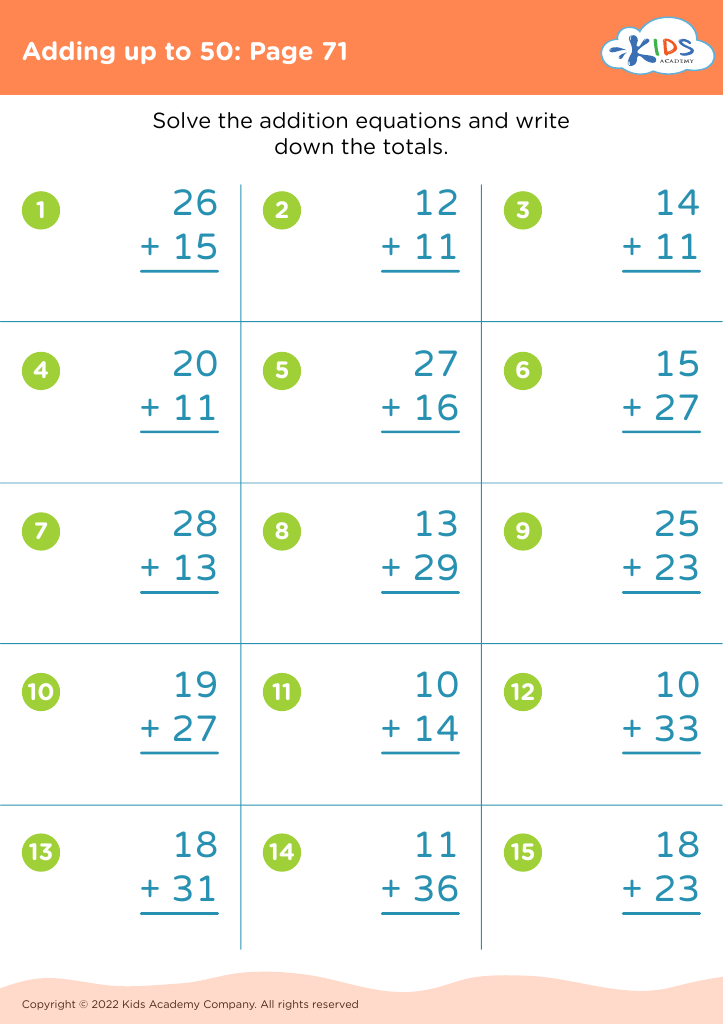
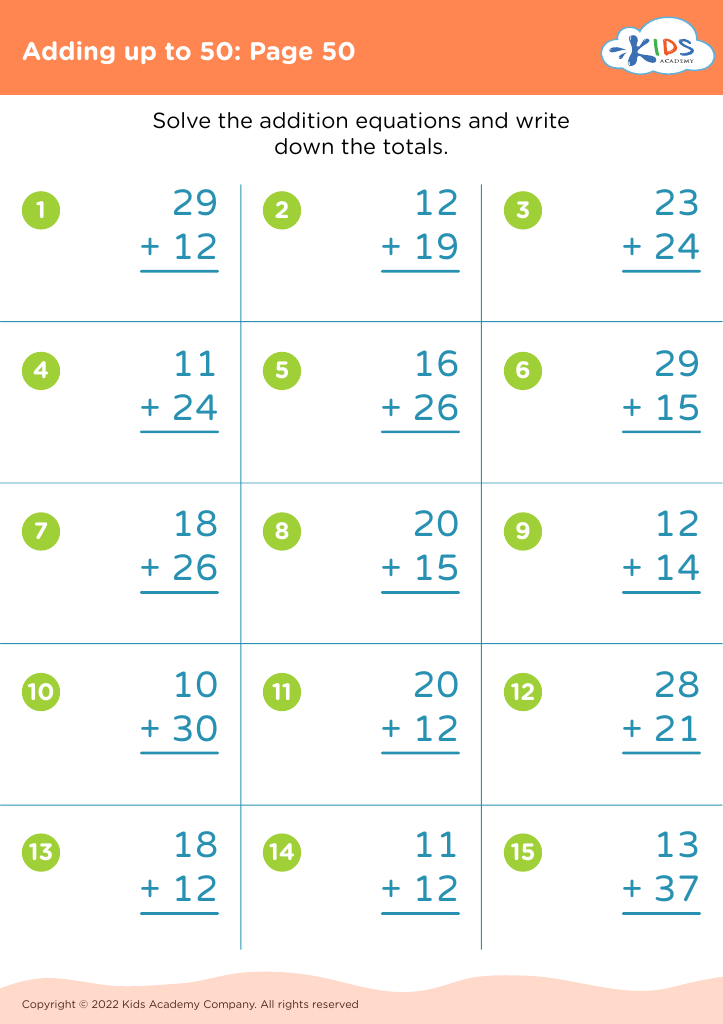
Our "Telling Time Addition & Subtraction Worksheets for Ages 5-9" blend foundational math skills with the practical application of reading clocks. Tailored for young learners, these worksheets promote proficiency in addition and subtraction while helping kids master time-telling. Fun and engaging, each sheet challenges students to add or subtract time, enhancing both mathematical and analytical skills. Suitable for beginners to more advanced learners, these resources aim to make math enjoyable and practical. Ideal for in-class activities or at-home practice, they'll build confidence and prepare children for more advanced math concepts. Foster both their math and life skills!
Favorites
With answer key
Interactive
Join Kids Academy for Free
Who is primarily going to use this learning content?








Parents and teachers should consider teaching telling time, addition, and subtraction to children ages 5-9 as essential building blocks of their educational development. Understanding how to tell time fosters responsibility and helps children grasp the concepts of punctuality and time management, skills crucial for their future success both in school and personal activities. It cultivates a sense of order and the ability to plan daily routines.
Mastering addition and subtraction lays the groundwork for all future math learning, helping children tackle more complex operations such as multiplication, division, and algebra later on. These fundamental skills bolster cognitive development by enhancing problem-solving abilities and logical reasoning. Through these foundational math skills, children develop a positive relationship with math, boosting their confidence in their abilities.
Furthermore, learning these concepts also supports overall academic performance. Math skills are often interconnected with science and technology topics, enhancing general analytic and critical thinking skills. Enhanced numeracy and time-telling capabilities are not only applicable in academics but also practical, everyday life scenarios like shopping, cooking, or planning activities.
In summary, early mastery of telling time and basic arithmetic serves as vital life skills that establish a solid academic foundation, foster practical life competencies, and promote structured and critical thought processes.








