Understanding number values Addition & Subtraction Worksheets for Ages 5-9
3 filtered results
-
From - To
Unlock your child's potential with our "Understanding Number Values: Addition & Subtraction Worksheets" designed for ages 5-9. These engaging resources promote foundational math skills through colorful, age-appropriate activities that make learning fun and effective. Children will explore number values while mastering essential addition and subtraction concepts. Our worksheets encourage hands-on learning, helping young learners visualize numbers and their relationships. With varying levels of difficulty, these resources cater to all skill levels, ensuring every child can progress at their own pace. Enhance critical thinking and problem-solving abilities while building confidence in math—an essential skill for lifelong success!
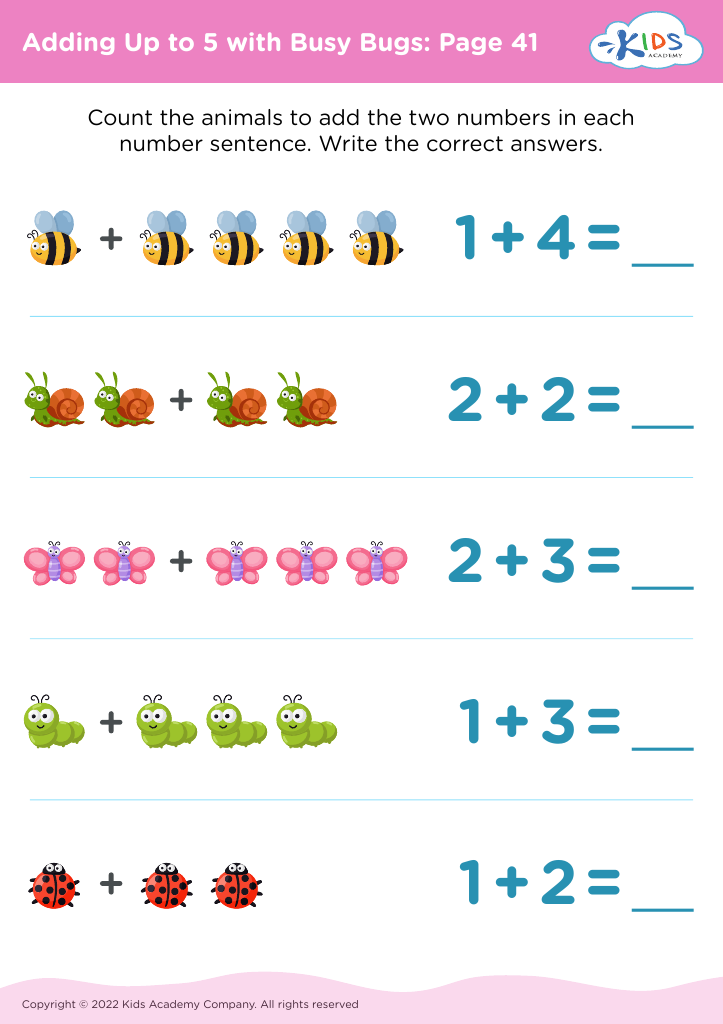
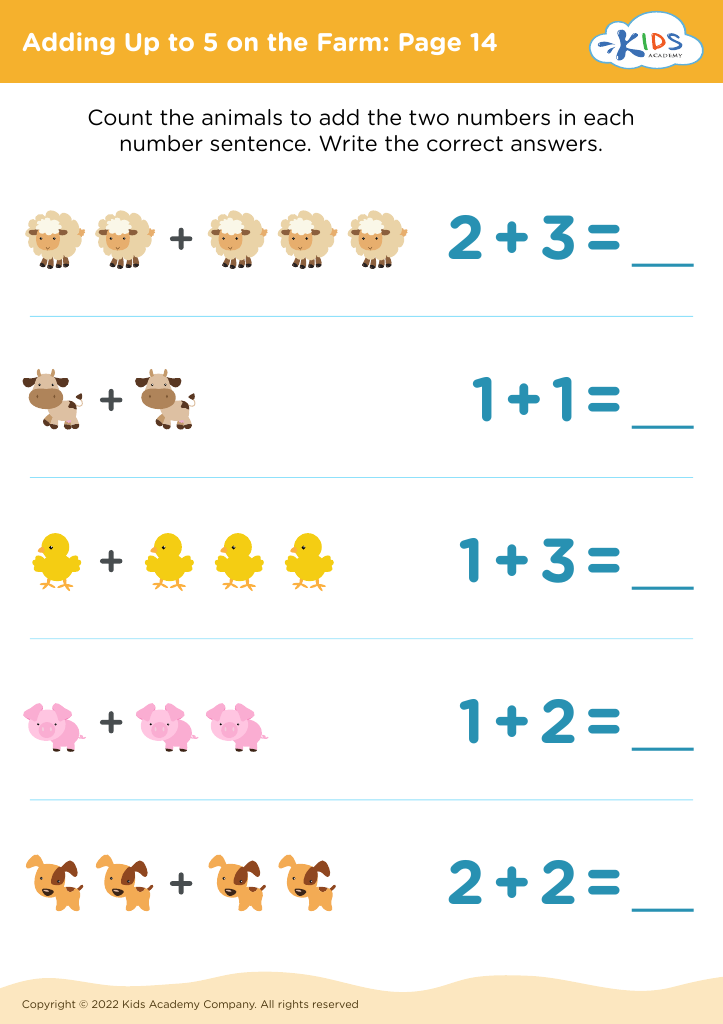
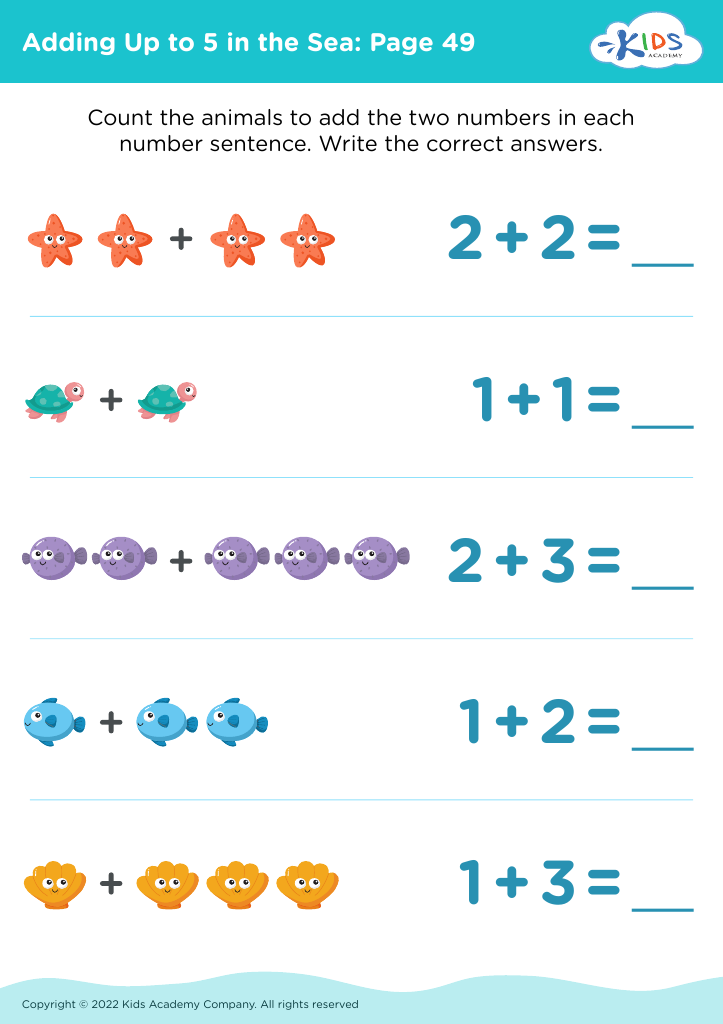








Understanding number values and mastering addition and subtraction are fundamental concepts for children aged 5-9, making it essential for parents and teachers to emphasize these skills. First, these mathematical foundations serve as the building blocks for more complex concepts later in their education. By grasping number values, children can easily manipulate numbers, recognize patterns, and develop problem-solving abilities essential for higher-level math.
Second, proficiency in addition and subtraction fosters confidence and independence in young learners. This competence allows children to tackle everyday tasks, from managing money to adjusting recipes, thereby enhancing their practical life skills. Strong numeracy skills also enable children to communicate their mathematical reasoning effectively, cultivating critical thinking.
Lastly, a solid understanding of these concepts plays a vital role in children’s overall academic performance. Studies show that strong early math skills correlate with success in later schooling. As such, parents and teachers should work collaboratively to create engaging learning environments that prioritize number values, addition, and subtraction. By doing so, they equip children with the necessary tools to become successful learners and confident problem solvers, setting the stage for a lifelong appreciation of mathematics.








