Understanding numeracy Addition & Subtraction Worksheets for Ages 5-9
4 filtered results
-
From - To
Explore our comprehensive collection of Understanding Numeracy Addition & Subtraction worksheets designed for children aged 5-9. These engaging resources enhance foundational math skills through fun and interactive activities tailored to young learners. Our worksheets focus on developing number sense, promoting the mastery of addition and subtraction, and fostering problem-solving abilities. With colorful visuals and age-appropriate exercises, children will enjoy honing their skills while building confidence in their mathematical abilities. Perfect for classroom use or at-home learning, these worksheets support early numeracy development and guide students as they embark on their mathematical journey. Start boosting your child's math skills today!
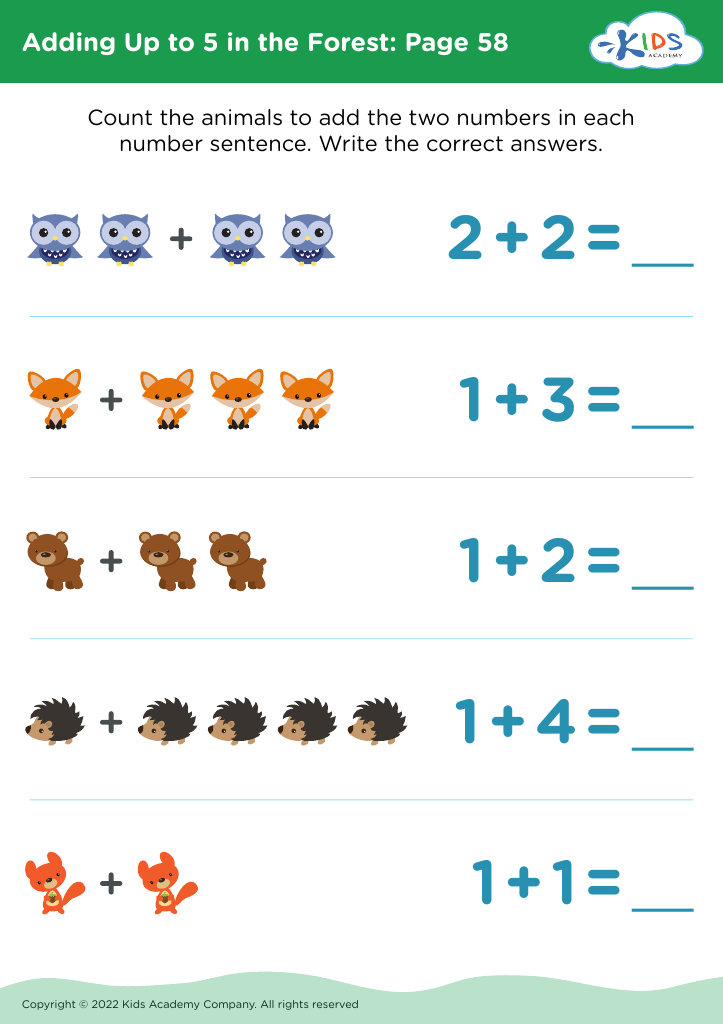
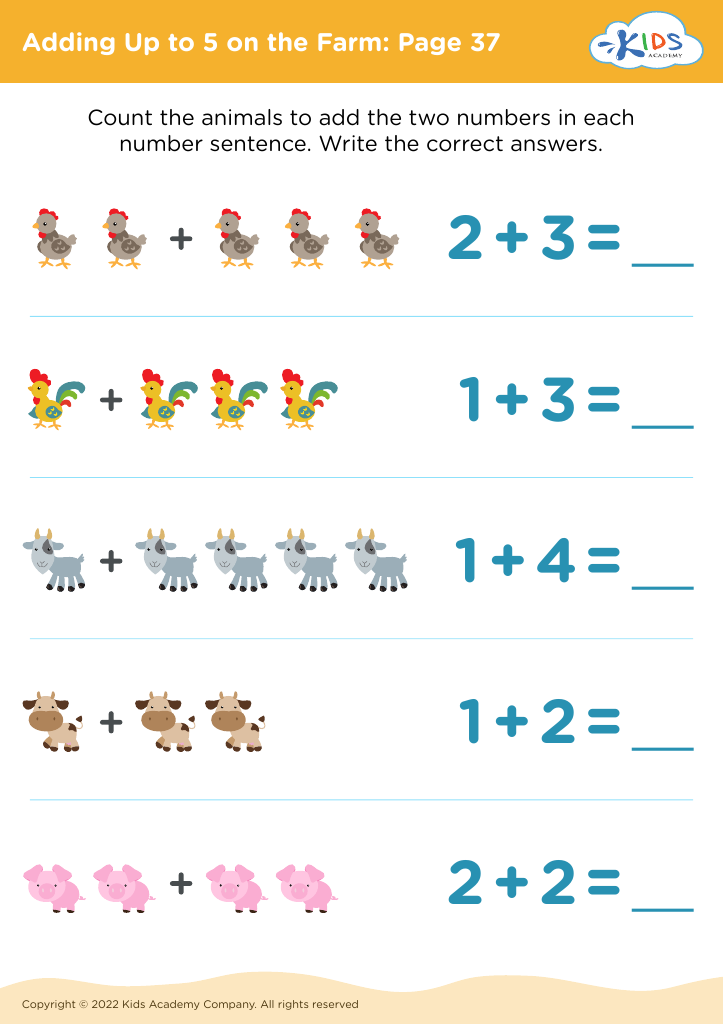
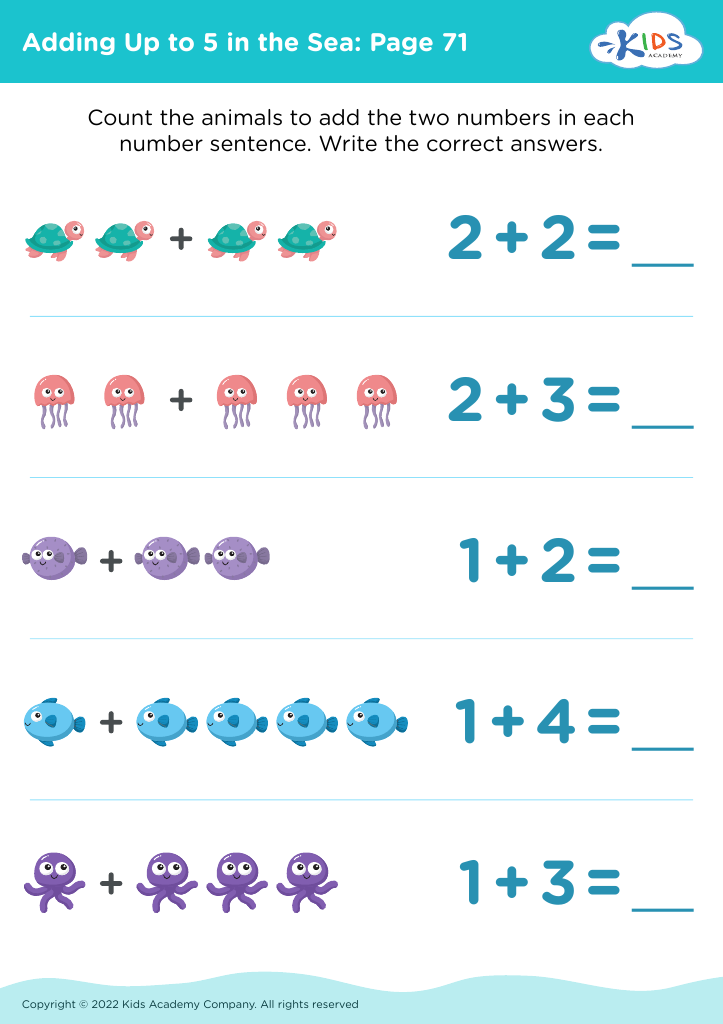
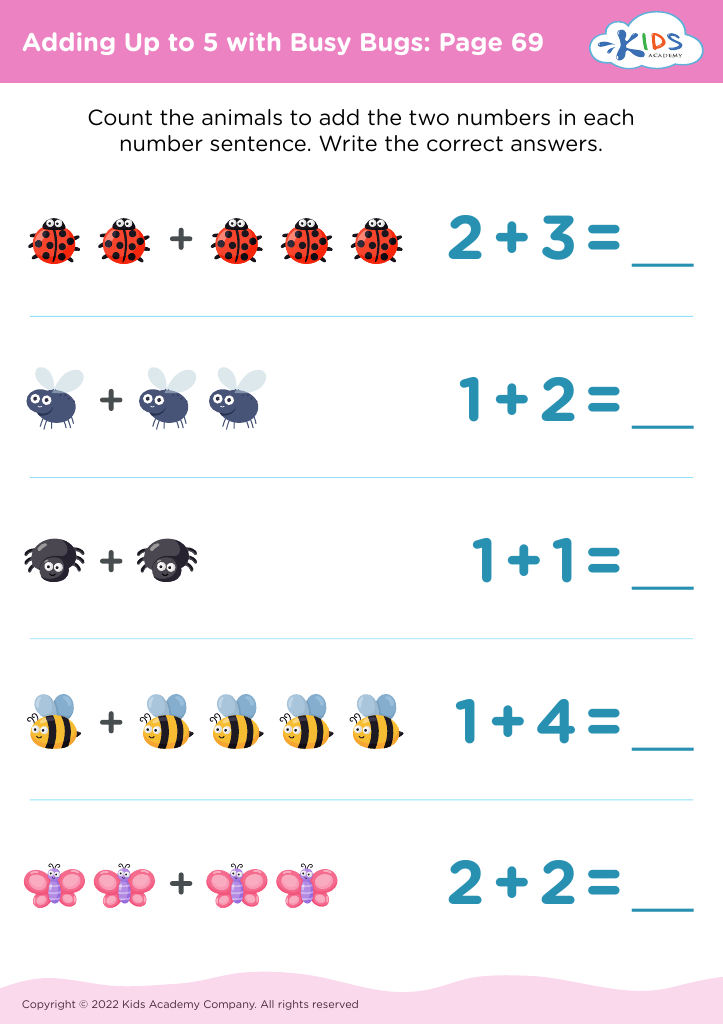








Understanding numeracy, particularly addition and subtraction, is fundamental for children aged 5-9. This foundational math skill sets the stage for future academic success and everyday problem-solving. Mastery of addition and subtraction not only promotes mathematical fluency but also enhances critical thinking and logical reasoning.
For parents and teachers, fostering a strong understanding of these concepts helps children develop confidence in their abilities. Early mastery makes advanced topics, such as multiplication and division, more accessible, laying the groundwork for higher-level math. Numeracy encourages cognitive development, as children learn to visualize numbers and understand their relationships.
Moreover, addition and subtraction serve practical life skills, aiding children in managing tasks like budgeting their allowance or counting items during shopping trips. Engaging children through play-based activities, such as counting games or simple puzzles, makes learning engaging and interactive.
Encouraging a solid numerical foundation early influences not only academic trajectories but also instills a love for learning. As they gain skills in these areas, children develop resilience, creativity, and a positive attitude towards challenges. Thus, investing time and effort in understanding numeracy is crucial for educators and parents alike to nurture well-rounded, confident learners.








