
Color recognition Addition Worksheets for Ages 5-9
10 filtered results
Difficulty Level
Grade
Age
-
From - To
Subject
Activity
Standards
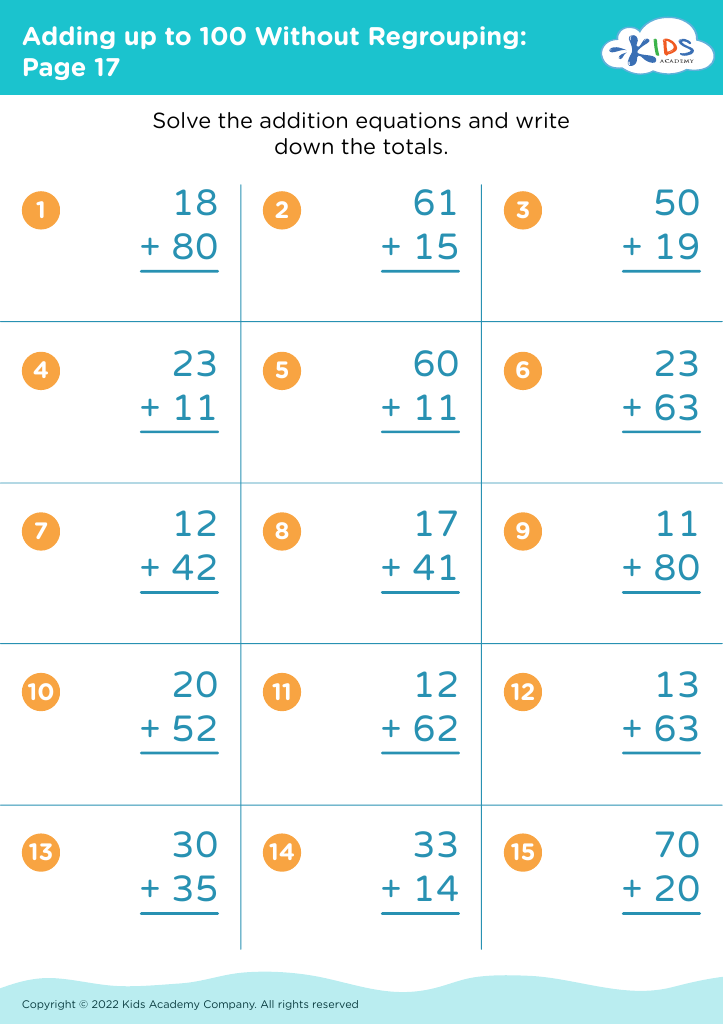
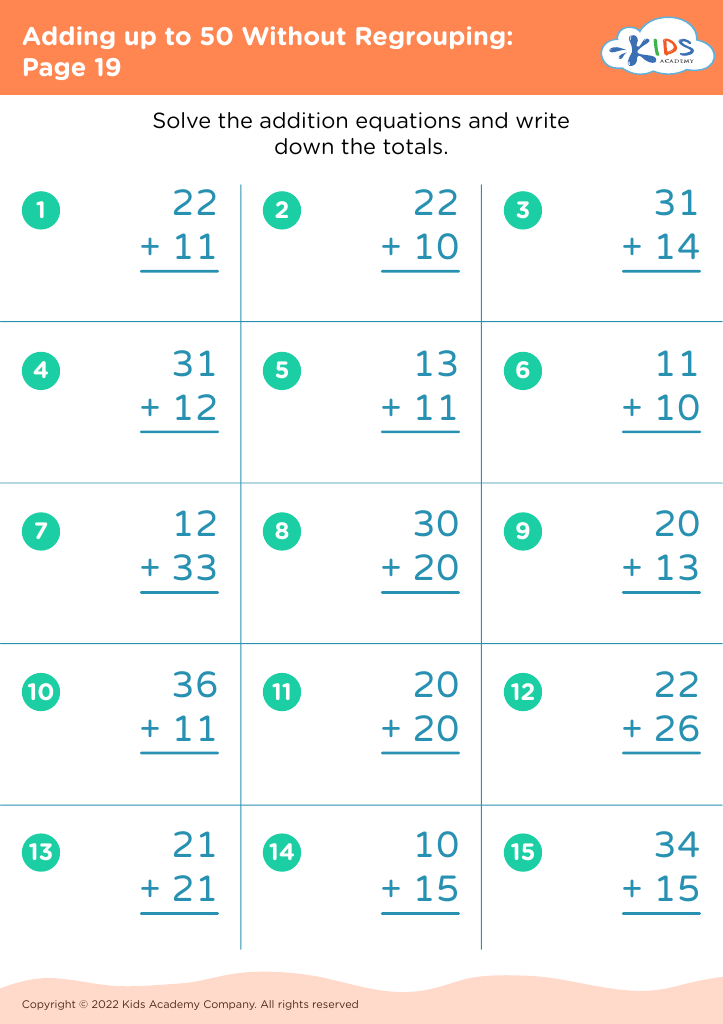
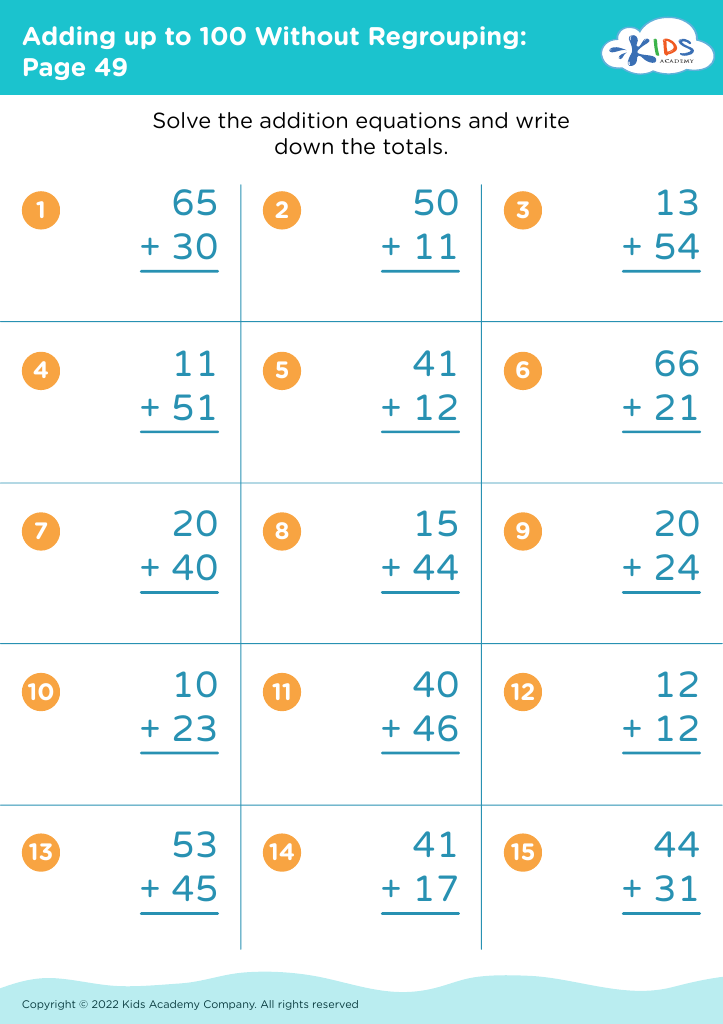
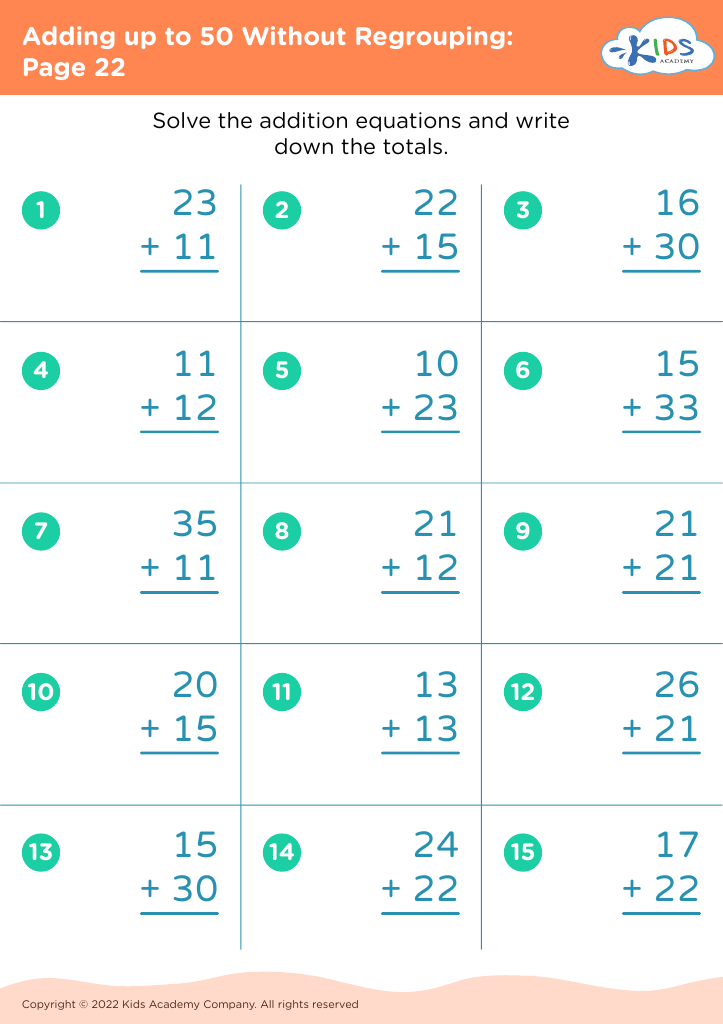
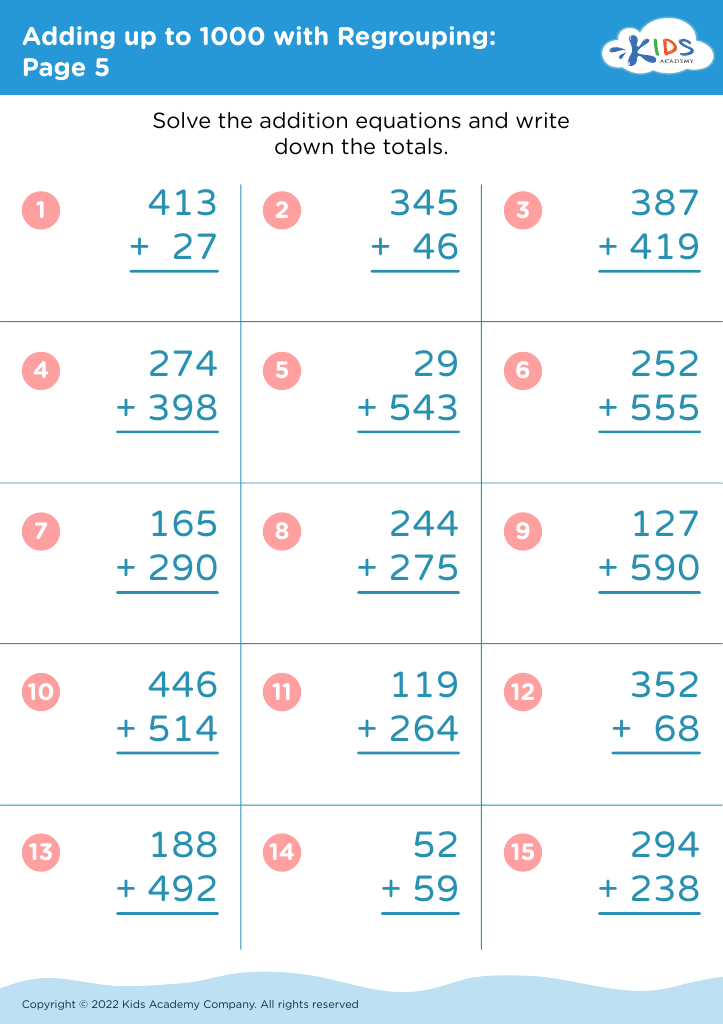
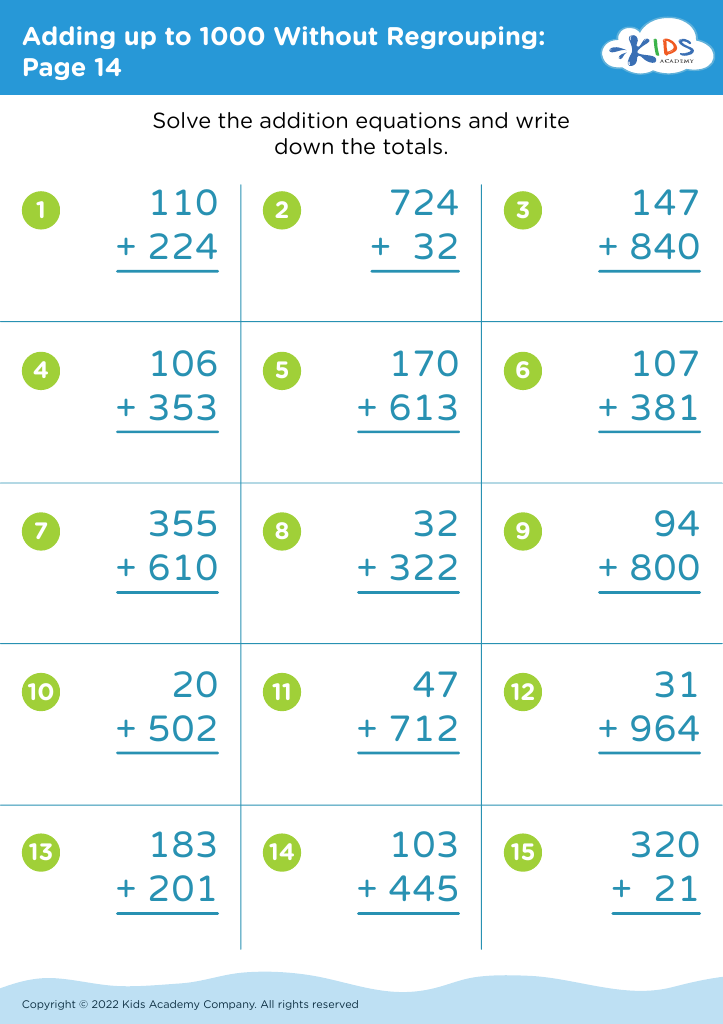
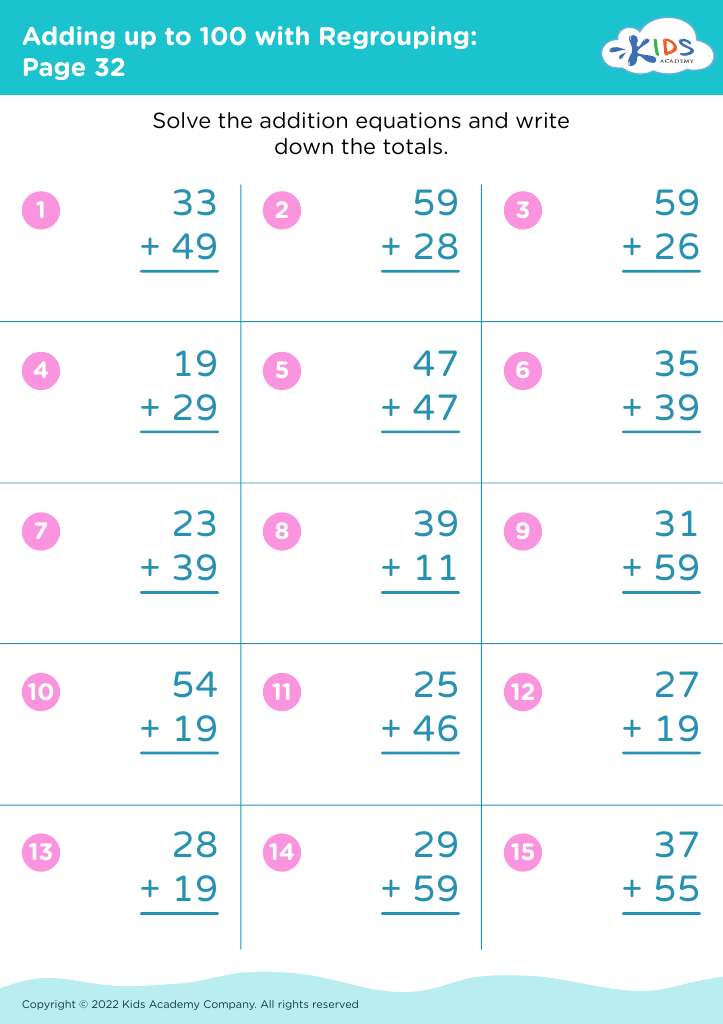
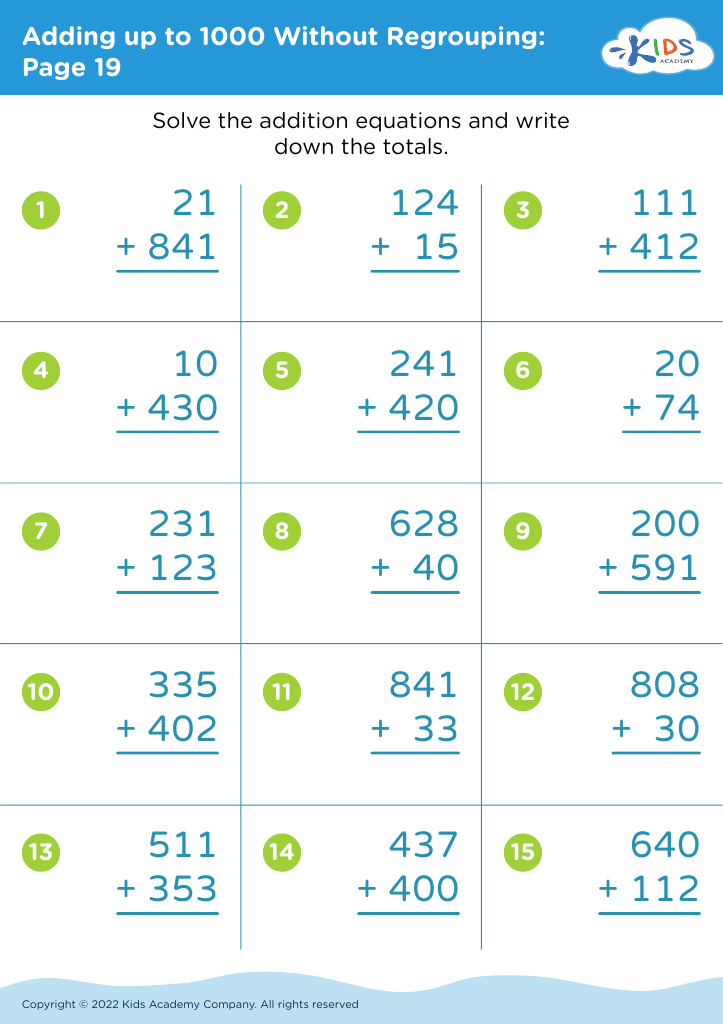
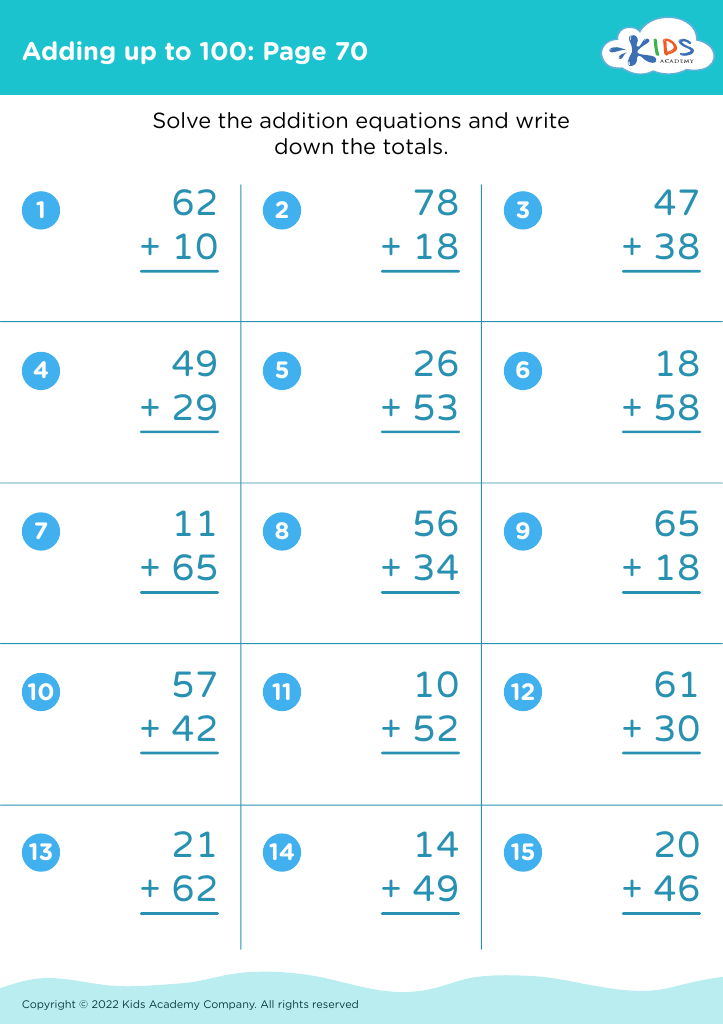
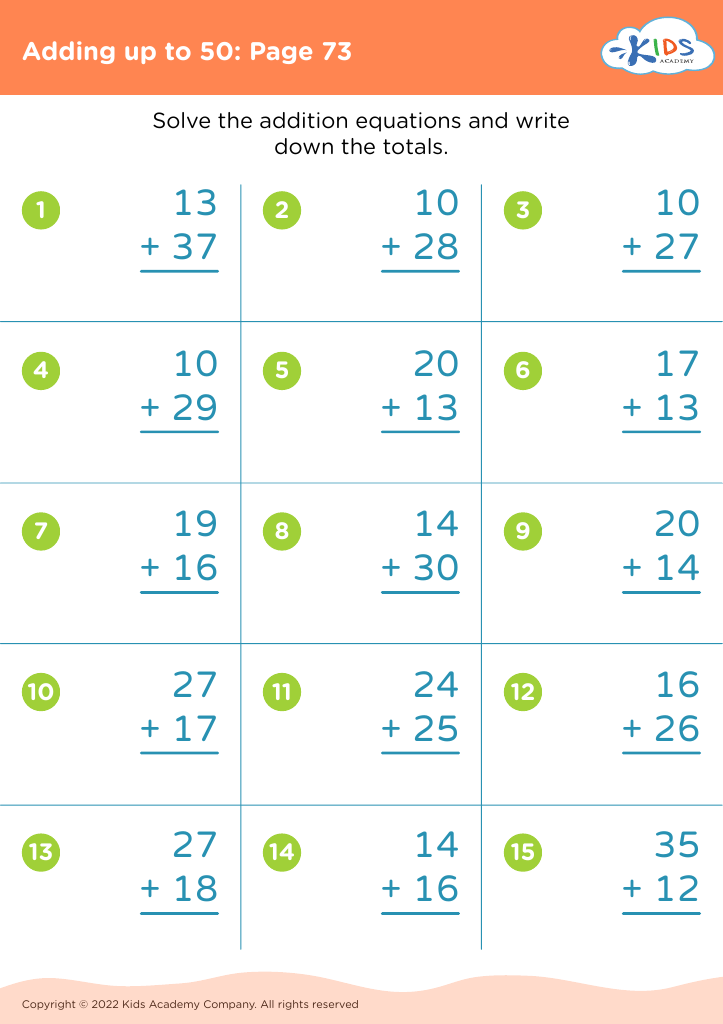
Introducing our fun and educational color recognition addition worksheets, designed specifically for children ages 5-9. These interactive worksheets combine the excitement of coloring with essential addition practice, helping young learners strengthen their math skills while recognizing and learning colors. Each worksheet is carefully crafted to engage children with vibrant illustrations and simple addition problems that reinforce their learning. Perfect for both classroom use and at-home practice, our worksheets support a variety of learning styles, making math an enjoyable and rewarding experience. Start building a strong foundation in math with our delightful color recognition addition worksheets today!
Favorites
With answer key
Interactive
Join Kids Academy for Free
Who is primarily going to use this learning content?








Color recognition and addition are fundamental concepts that provide a foundation for a child's cognitive and academic development, especially between the ages of 5-9. Developing color recognition skills enhances a child's visual discrimination abilities, which is crucial for reading and interpreting information effectively. Recognizing and distinguishing colors promotes attention to detail, fosters creativity, and improves memory skills, all of which contribute to overall cognitive growth.
Incorporating addition into color recognition activities provides a dual educational benefit. Arithmetic skills, such as addition, are essential for understanding math fundamentals. Early engagement with addition helps in developing problem-solving skills, logical thinking, and numerical literacy. Combining these skills with color recognition not only makes learning enjoyable but also aids in muddling complex concepts through visual associations.
Activities that merge color recognition and addition stimulate multiple areas of the brain concurrently. They enhance both left-brain functions (like logical reasoning associated with math) and right-brain functions (like creativity involved in recognizing and working with colors). For parents and teachers, fostering these skills through engaging and multi-sensory activities encourages a more comprehensive developmental experience, equipping children with versatile tools to excel academically and in everyday problem-solving. By investing in these learning activities, caregivers help lay a robust foundation that supports various aspects of a child's educational journey.








