Understand subtraction Addition Worksheets for Ages 5-9
6 filtered results
-
From - To
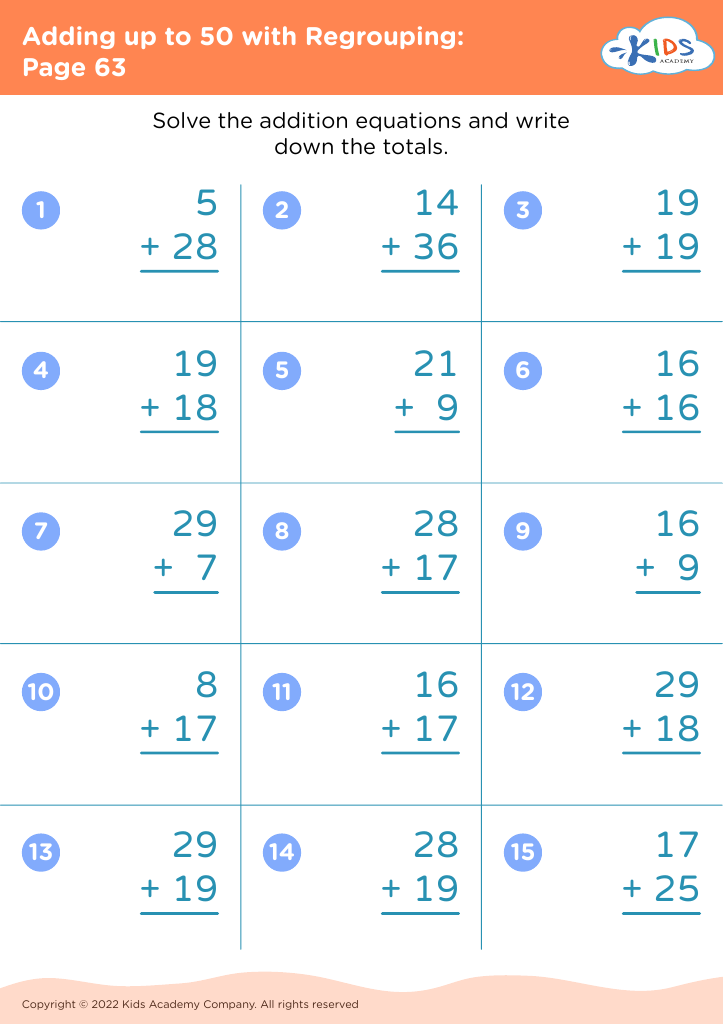
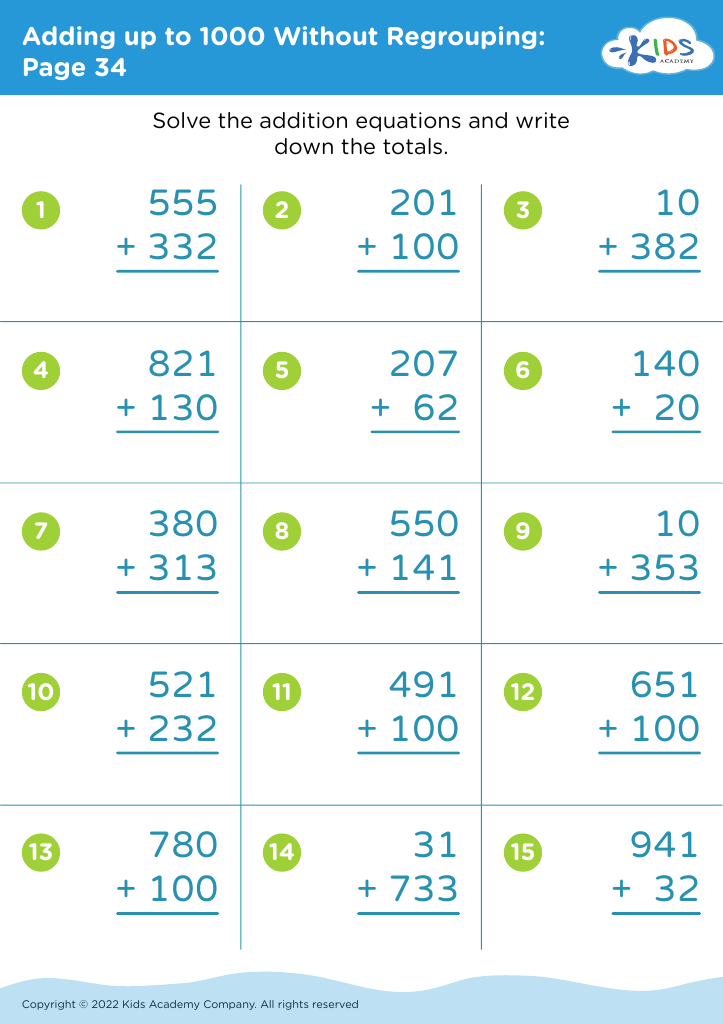
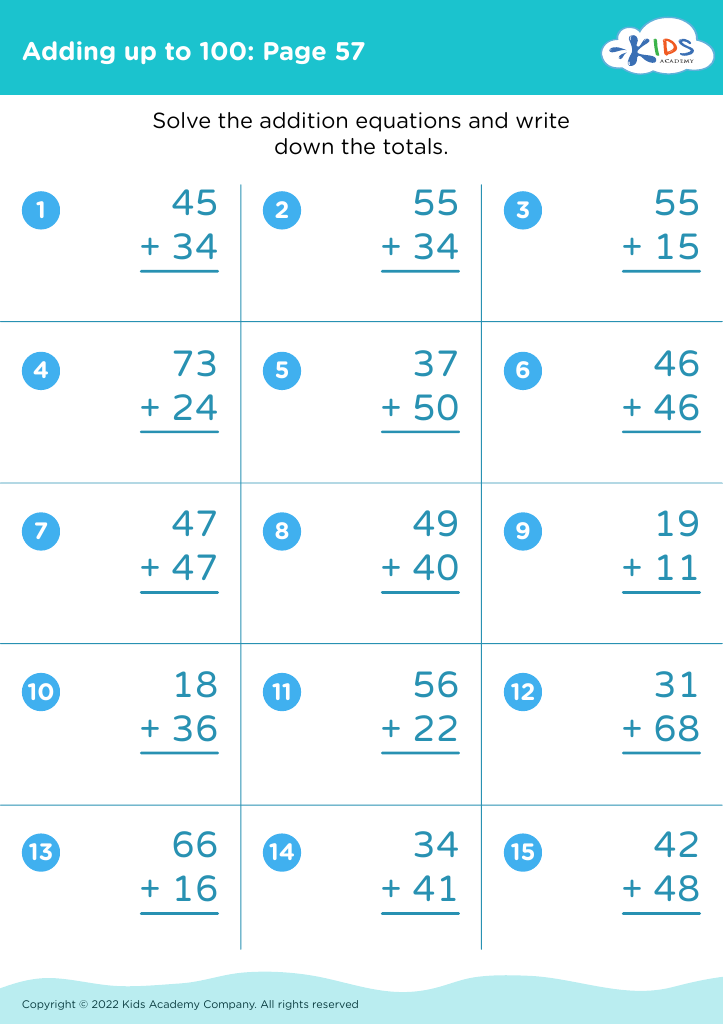
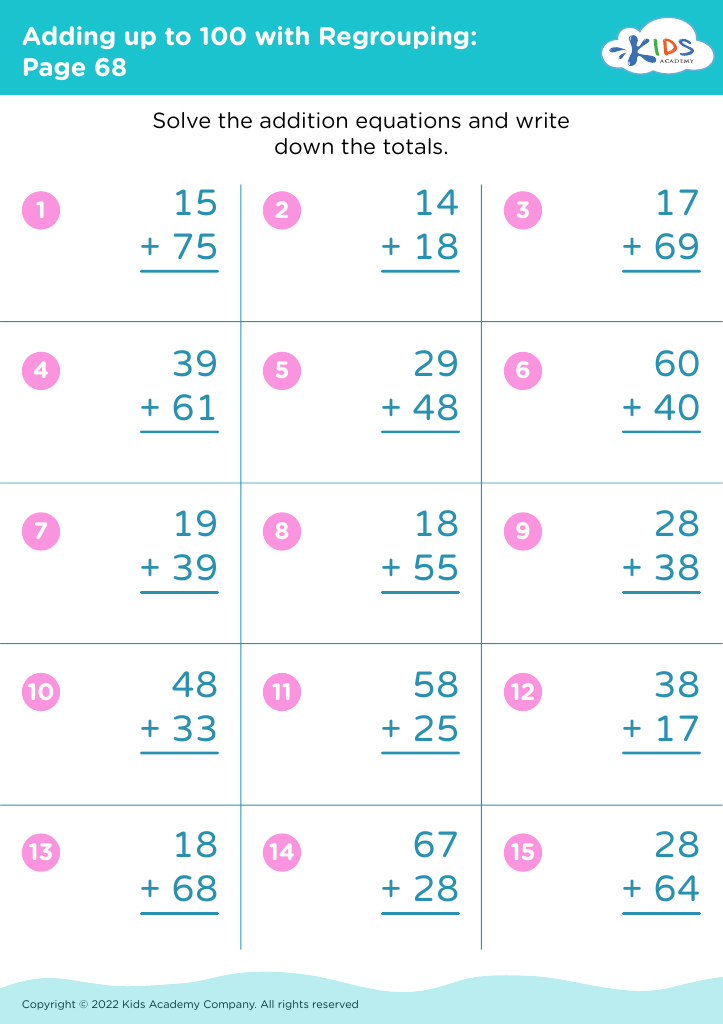
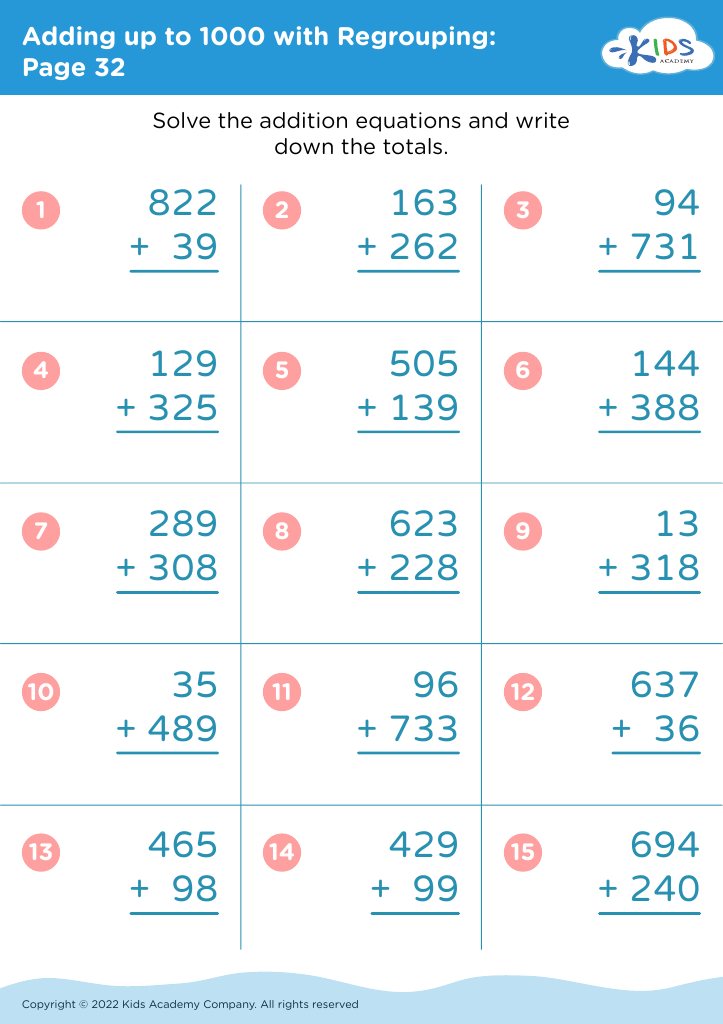
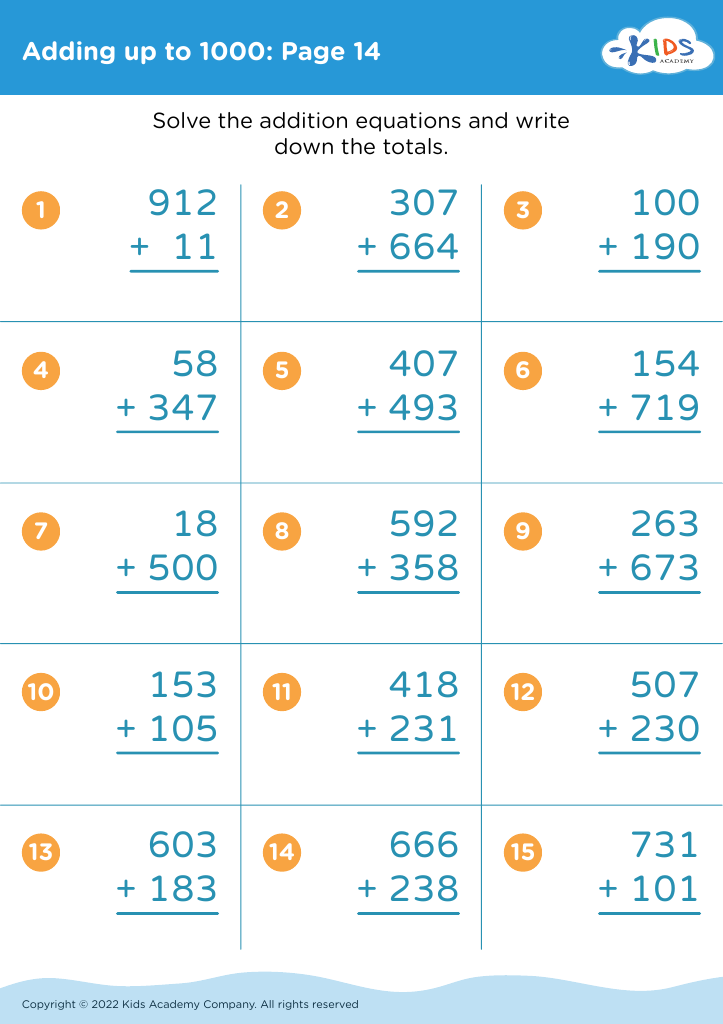
Explore our engaging addition and subtraction worksheets designed for children aged 5-9! Our resources help young learners develop a solid understanding of subtraction concepts through fun and interactive exercises. Each worksheet is crafted to enhance critical thinking and problem-solving skills while fostering a love for math. With colorful visuals and age-appropriate challenges, kids will enjoy practicing their subtraction abilities in a supportive environment. These worksheets promote essential math skills and boost confidence as students progress. Perfect for home or classroom use, our activities are aligned with educational standards, ensuring a meaningful and enjoyable learning experience. Empower your child's math journey today!


.jpg)





Understanding addition and subtraction is crucial for children aged 5-9, as these foundational math skills are essential for their overall cognitive development. For parents and teachers, fostering these skills is important because they not only support academic success but also cultivate critical thinking and problem-solving abilities.
At this age, children are naturally curious and eager to learn. Engaging them in addition and subtraction helps to build their confidence and encourages a positive attitude towards math. These skills serve as the building blocks for more complex mathematical concepts, ensuring that children grasp the fundamentals necessary for future learning.
Moreover, understanding addition and subtraction encourages children to apply math in real-world contexts, such as calculating change during shopping or understanding time and schedules. This practical application reinforces their learning and demonstrates the relevance of math in everyday life.
By nurturing these skills, parents and teachers also promote social interaction and collaboration, as children often work together to solve math problems. Encouraging conversations around math fosters an environment where questions are welcomed, making learning a shared experience. In conclusion, by prioritizing addition and subtraction, parents and teachers lay a strong foundation for children's future academic and personal success.








