Basic geometry concepts Math Worksheets for Ages 5-9
3 filtered results
-
From - To
Enhance your child's understanding of basic geometry concepts with our engaging math worksheets designed for ages 5-9. These printable resources help young learners explore shapes, spatial awareness, and measurement through fun and interactive activities. Our worksheets feature vibrant illustrations and easy-to-follow instructions, making learning enjoyable and accessible for early grades. From identifying shapes to understanding symmetry, these activities build a strong foundation in geometry while promoting critical thinking skills. Whether you're reinforcing classroom lessons or providing supplemental practice at home, our worksheets support your child's mathematical journey. Dive into the world of shapes and measurements today with our comprehensive geometry collection!
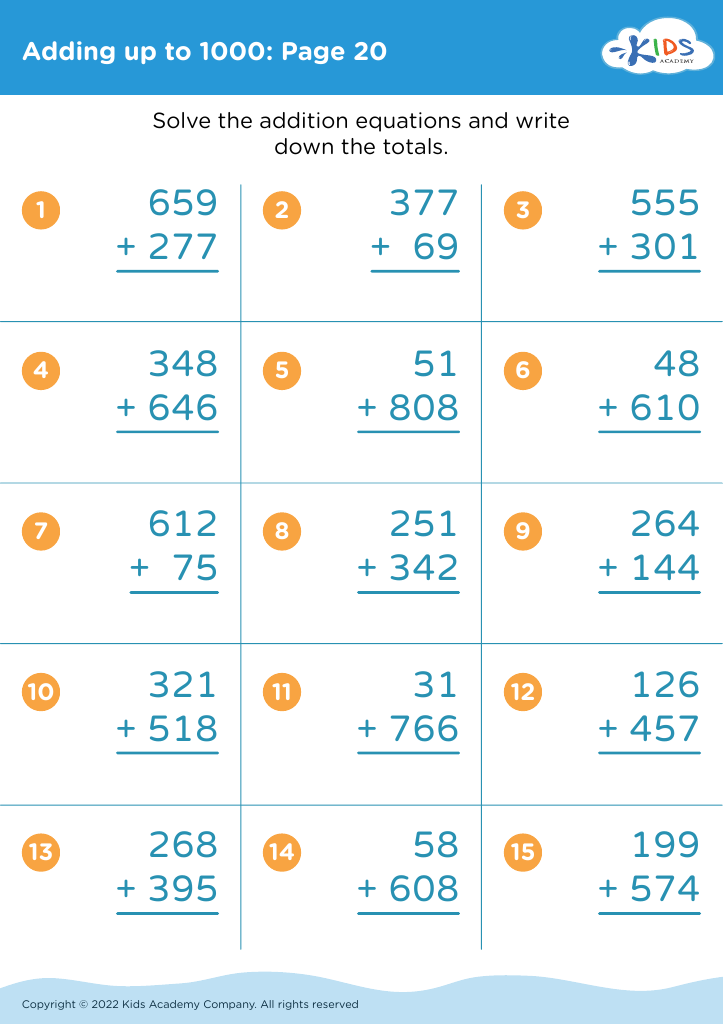
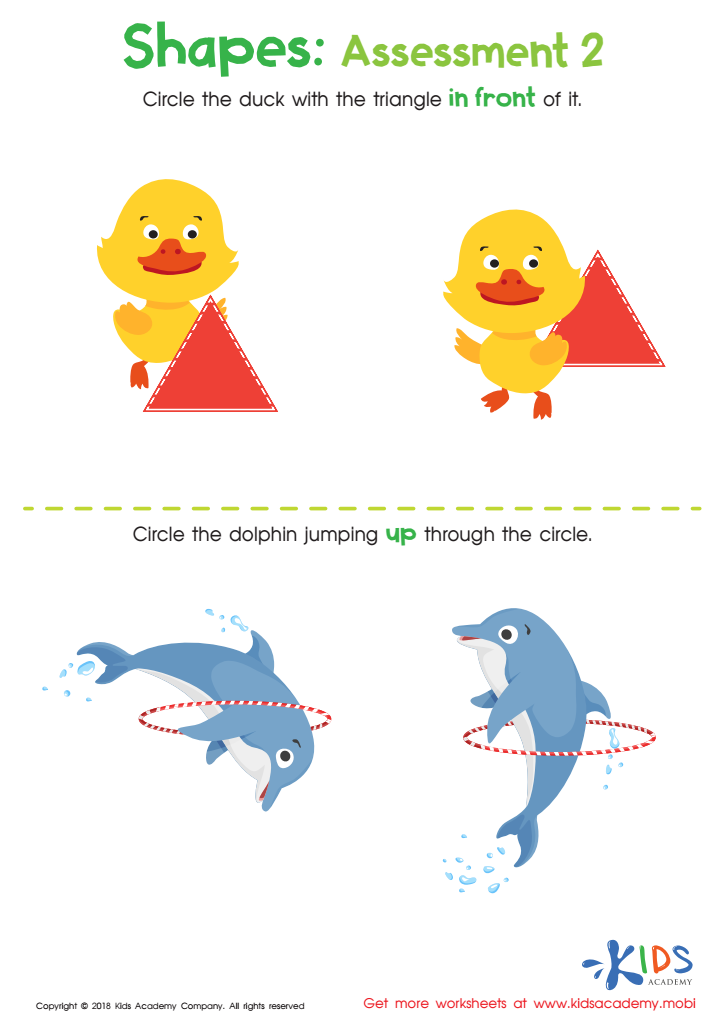
Geometry – Assessment 2 Worksheet
 Assign to My Students
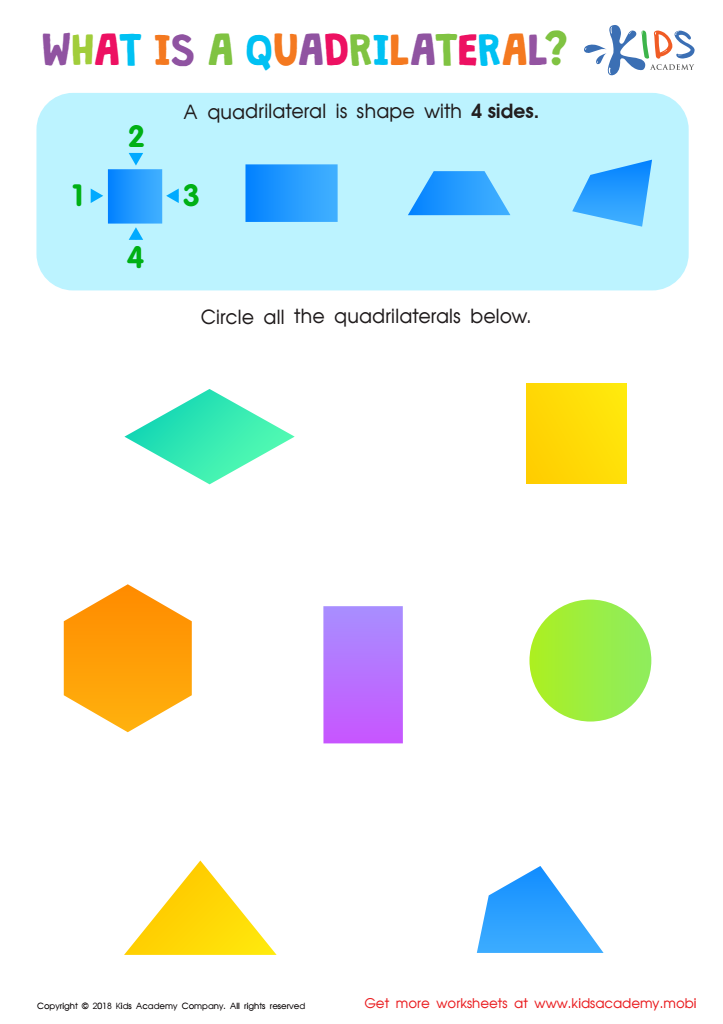
What Is a Quadrilateral? Worksheet







Parents and teachers should prioritize basic geometry concepts for children aged 5-9 because these foundational skills are essential for cognitive development and real-world problem-solving. At this stage, children begin to explore shapes, sizes, and spatial relationships, fostering their ability to think logically and critically. Understanding geometry enhances their visual-spatial reasoning, which is crucial not only in math but also in everyday tasks, such as navigating their environment and organizing objects.
Learning basic geometry concepts lays the groundwork for higher-level mathematical skills. It introduces children to key vocabulary and problem-solving strategies that they will build upon in later grades. Furthermore, geometry encourages creativity and exploration, as students engage in hands-on activities like drawing, building, and examining shapes in their surroundings.
Moreover, early exposure to geometry helps children connect math to their interests, particularly in art, sports, and technology, enhancing their motivation and engagement in learning. By integrating geometry into daily lessons and activities, teachers and parents advocate for a well-rounded education that nurtures analytical thinking and curiosity, ultimately preparing children for future academic success and informed citizenship.








