Color recognition Math Worksheets for Ages 5-9 - Page 2
36 filtered results
-
From - To
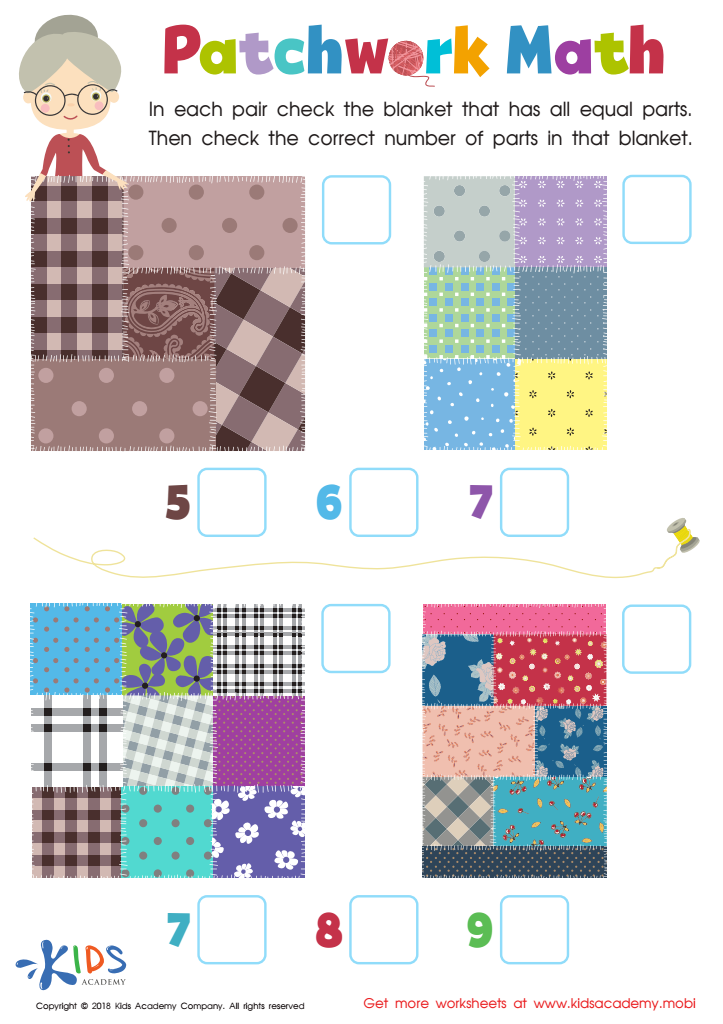
Patchwork Math Worksheet
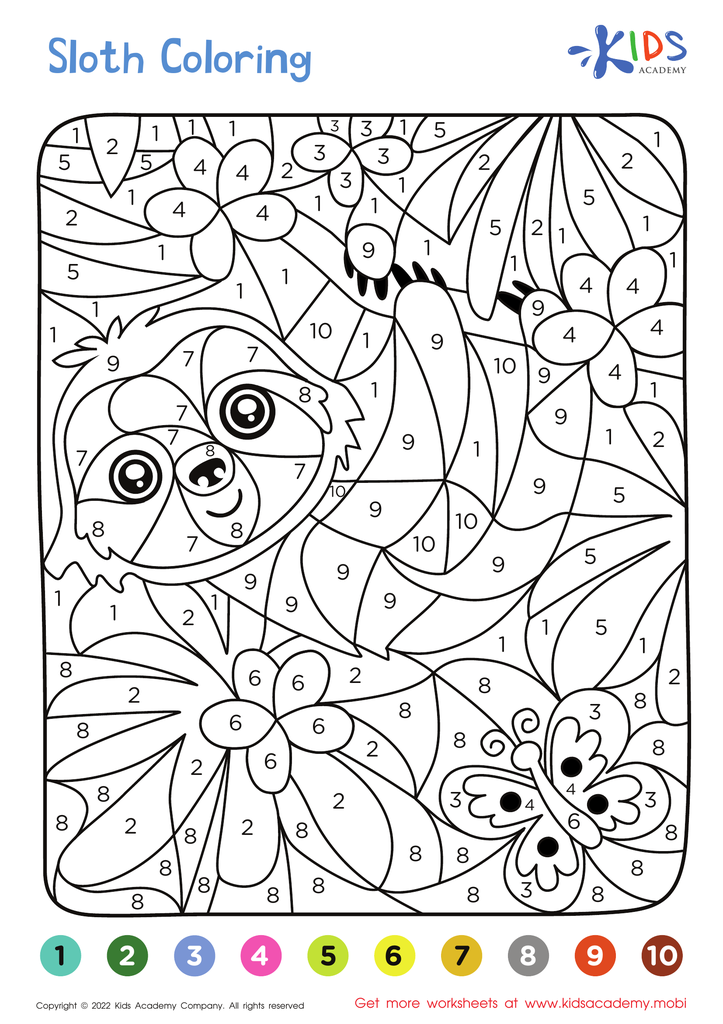
Sloth – Coloring by Numbers
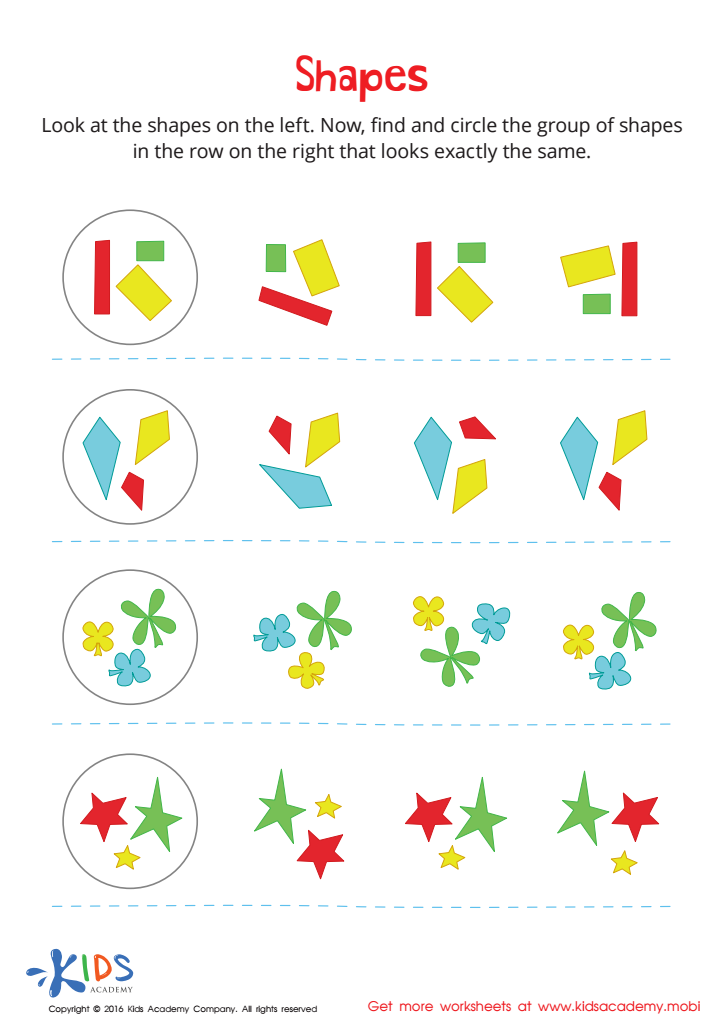
Shapes Worksheet
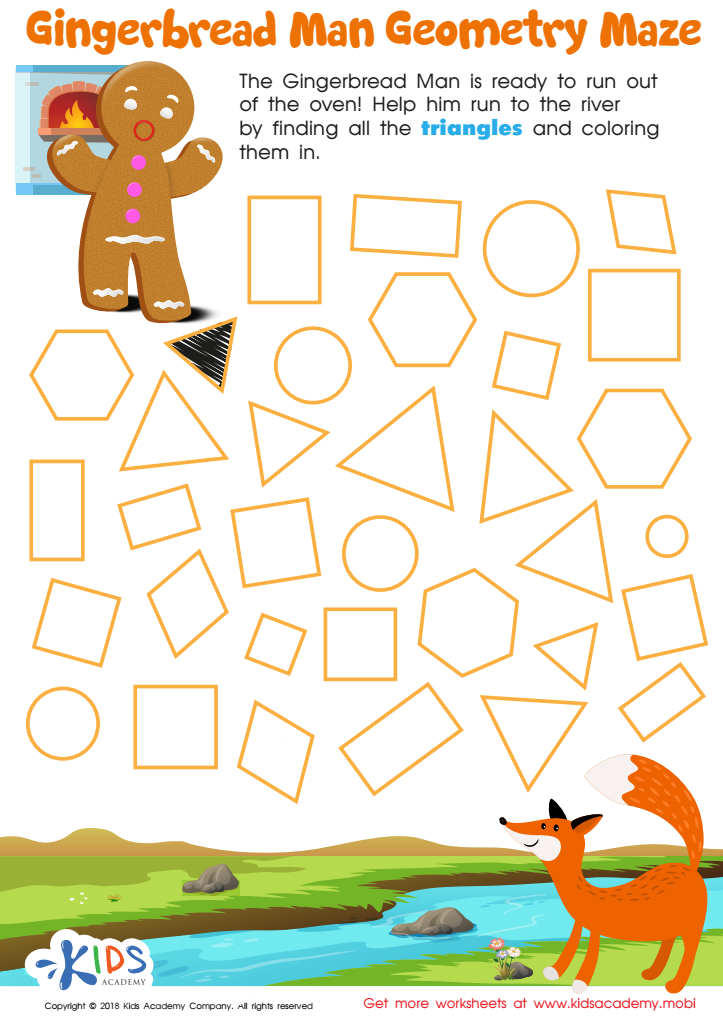
Gingerbread Man Geometry Maze Worksheet
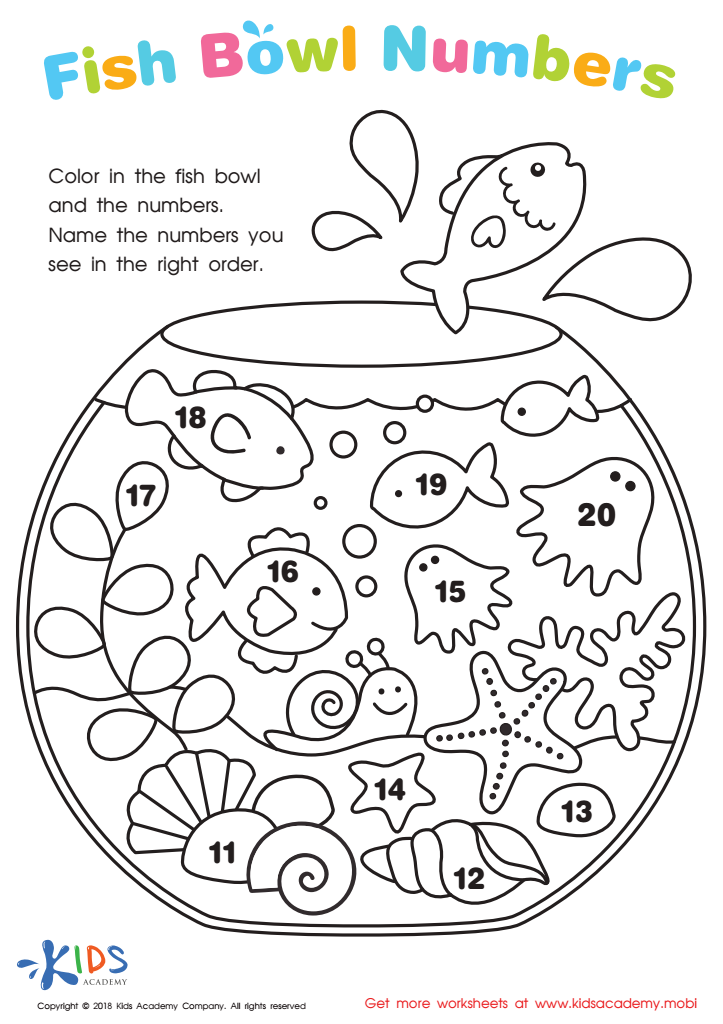
Fish Bowl Numbers Worksheet
 Assign to My Students
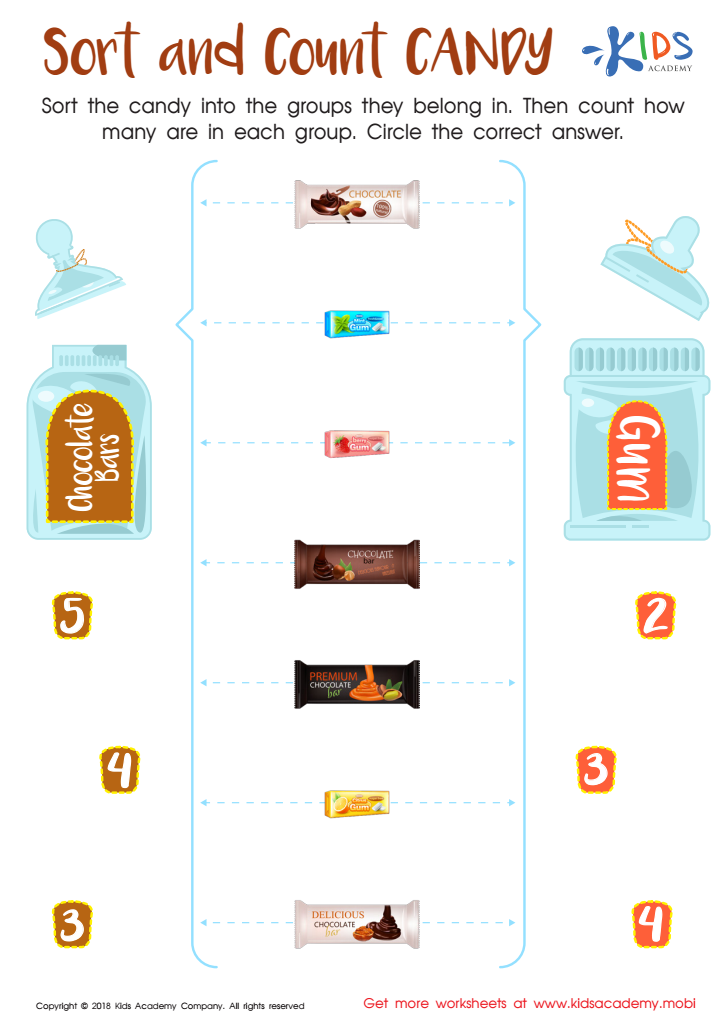
Sort and Count Candy Worksheet
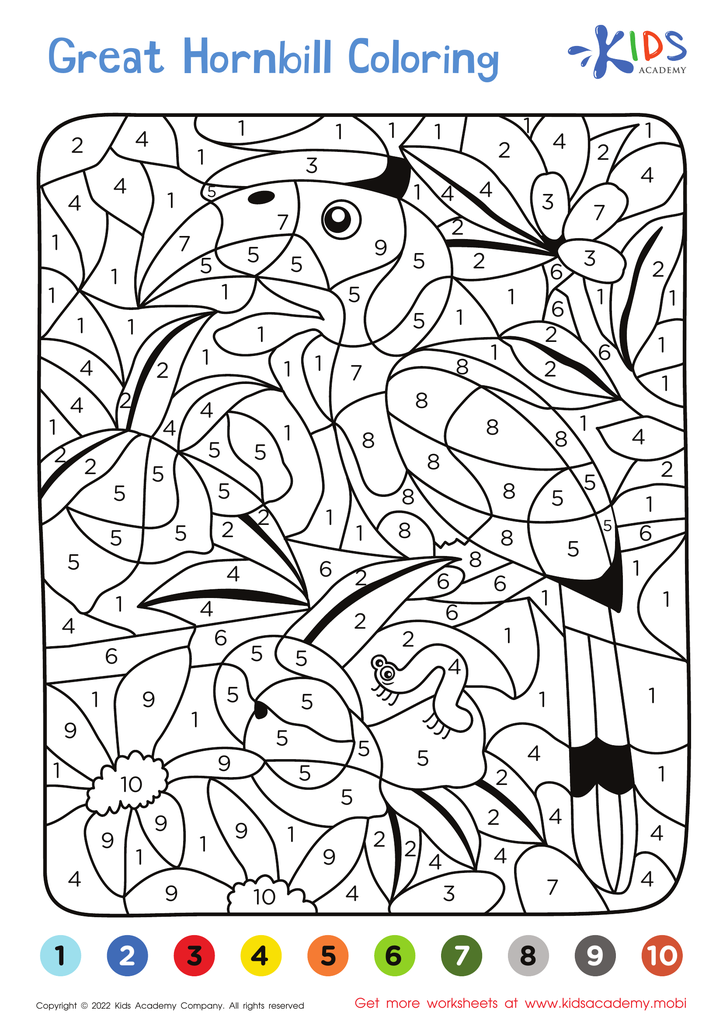
Great Hornbill – Coloring by Numbers
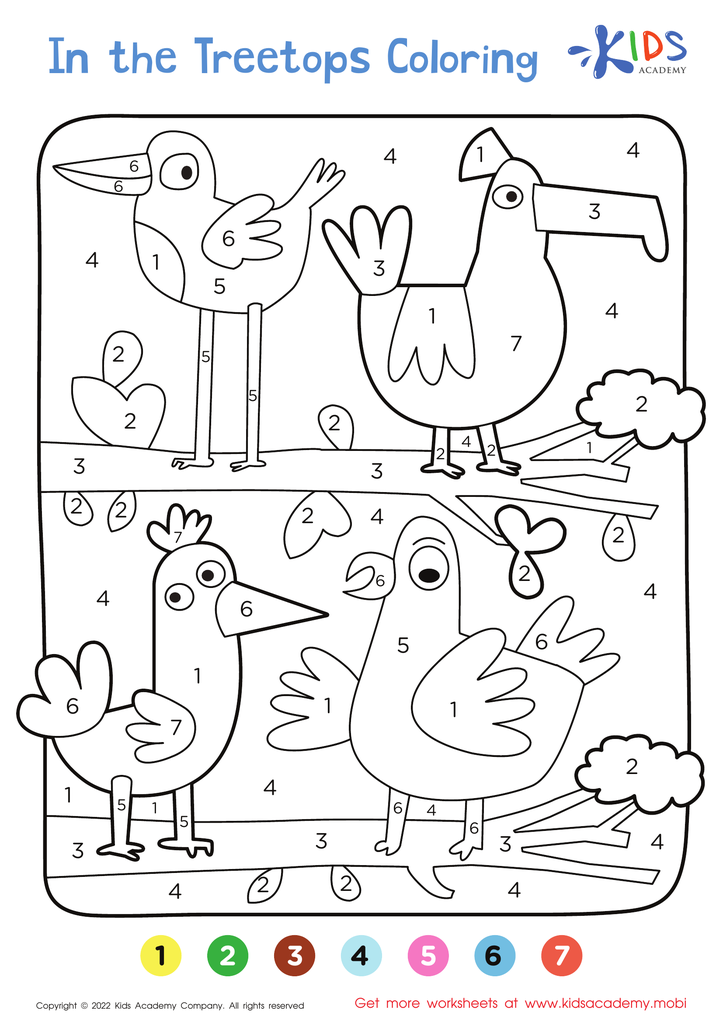
In the Treetops – Coloring Page
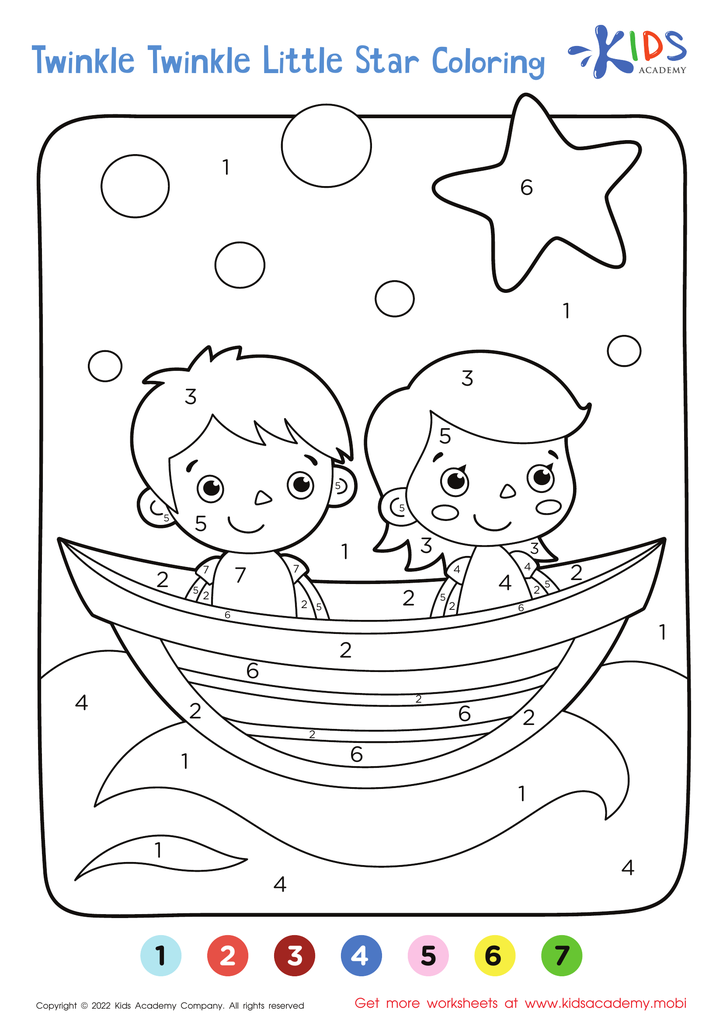
Twinkle, Twinkle, Little Star – Coloring by Numbers
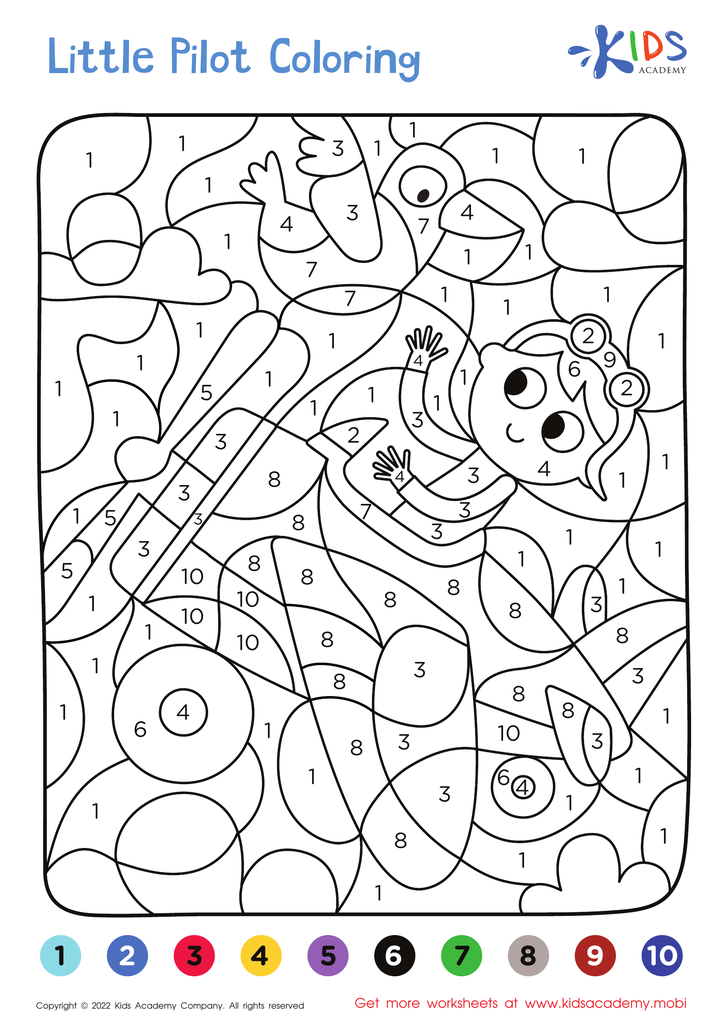
Little Pilot – Coloring by Numbers
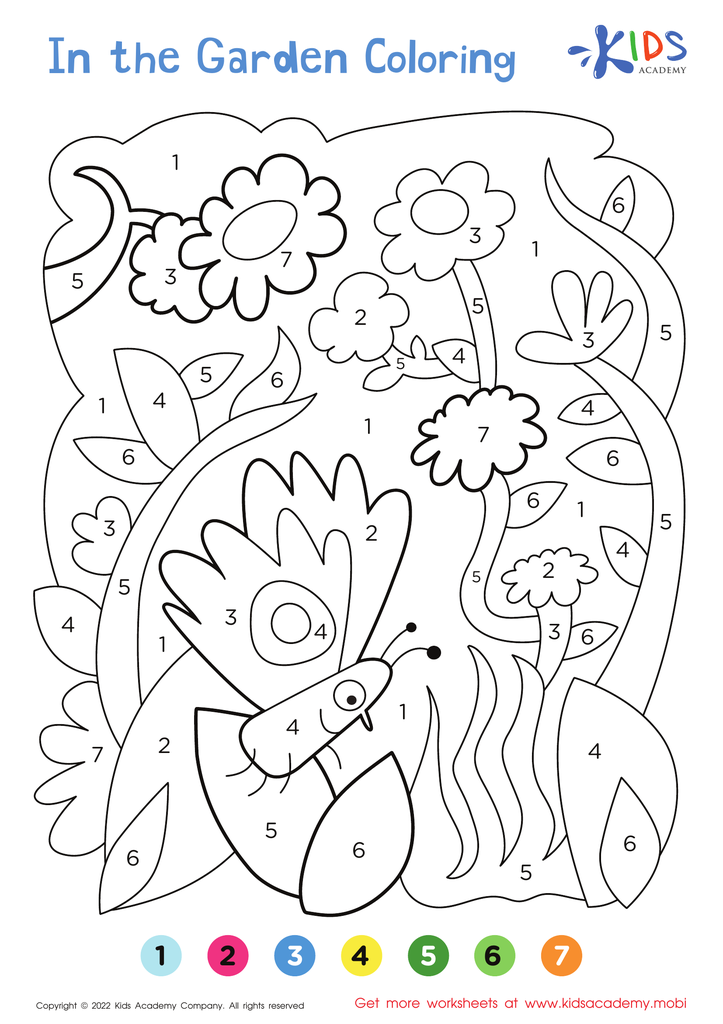
In the Garden – Coloring by Numbers
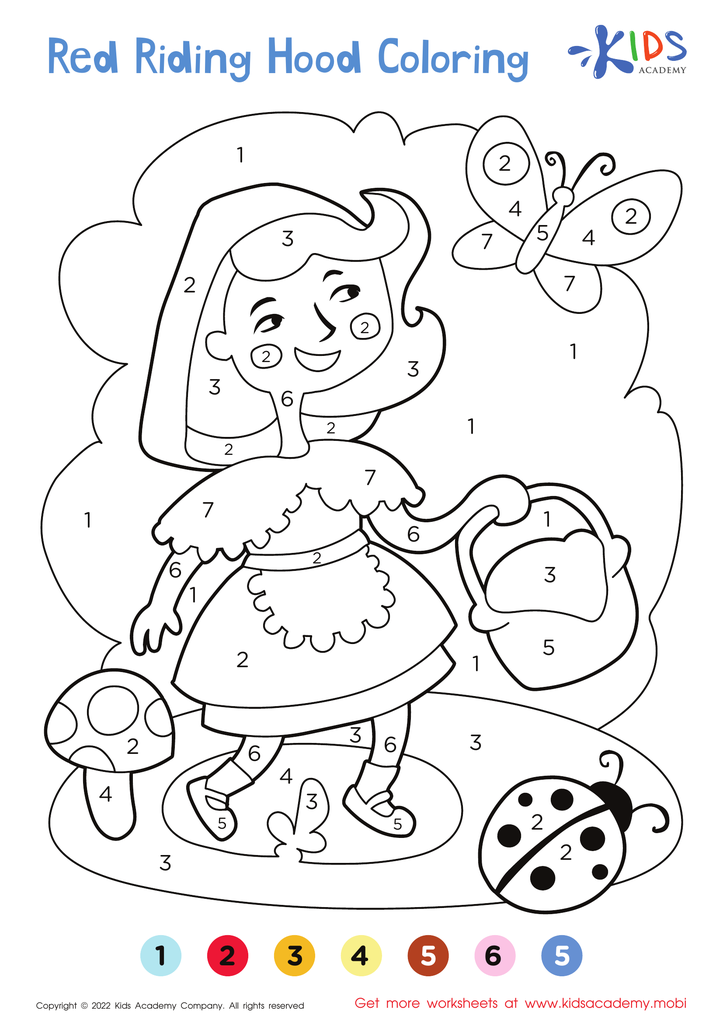
Little Red Riding Hood – Coloring by Numbers






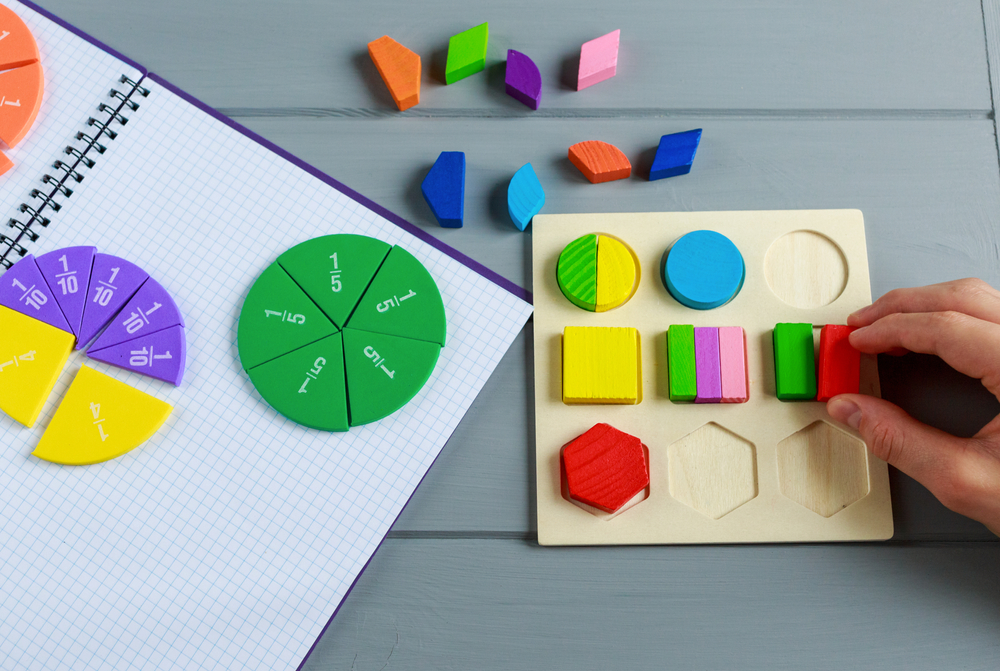
Color recognition in math education for ages 5-9 is crucial for several reasons. First, it enhances cognitive development. At this age, children are developing their visual and cognitive skills, making color an effective tool for learning. Color coding helps them distinguish between different groups and categories, improving comprehension and memory.
Second, color recognition supports problem-solving abilities. By associating different colors with specific math concepts (like operations, fractions, or shapes), children can more quickly and accurately solve problems. This visual cue reduces cognitive load, allowing them to focus on understanding the problem rather than getting lost in symbols and numbers.
Third, incorporating color can make learning more engaging and enjoyable. Bright, colorful materials capture children’s attention better than monochromatic ones, increasing their motivation and interest in the subject.
Fourth, it fosters early mathematical language development. As children learn to articulate the colors they see in patterns and problems, they also learn to describe math concepts, aiding in verbal and written communication skills.
Lastly, color recognition in math boosts confidence, especially for visual learners. Successfully completing color-coded tasks instills a sense of achievement, encouraging a proactive attitude towards math. Combining color with mathematical concepts thus equips young learners with both a deeper understanding and a more positive attitude toward math.








