Problem-solving abilities Math Worksheets for Ages 5-9 - Page 3
59 filtered results
-
From - To

Sweet Shop – Counting Coins Worksheet
 Assign to My Students
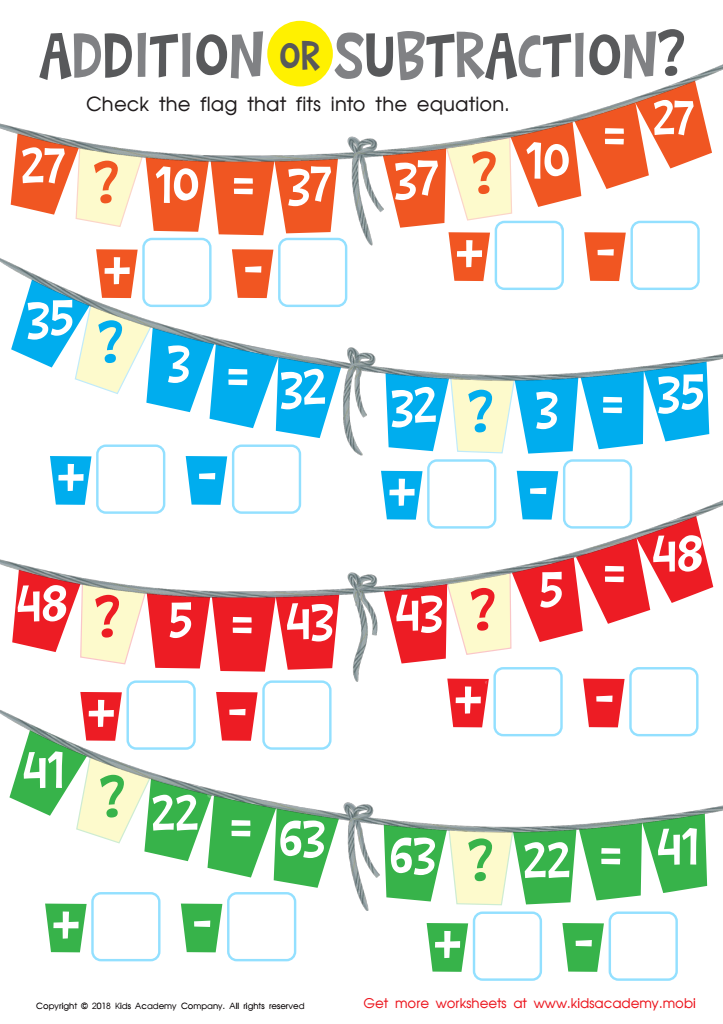
Addition or Subtraction? Worksheet
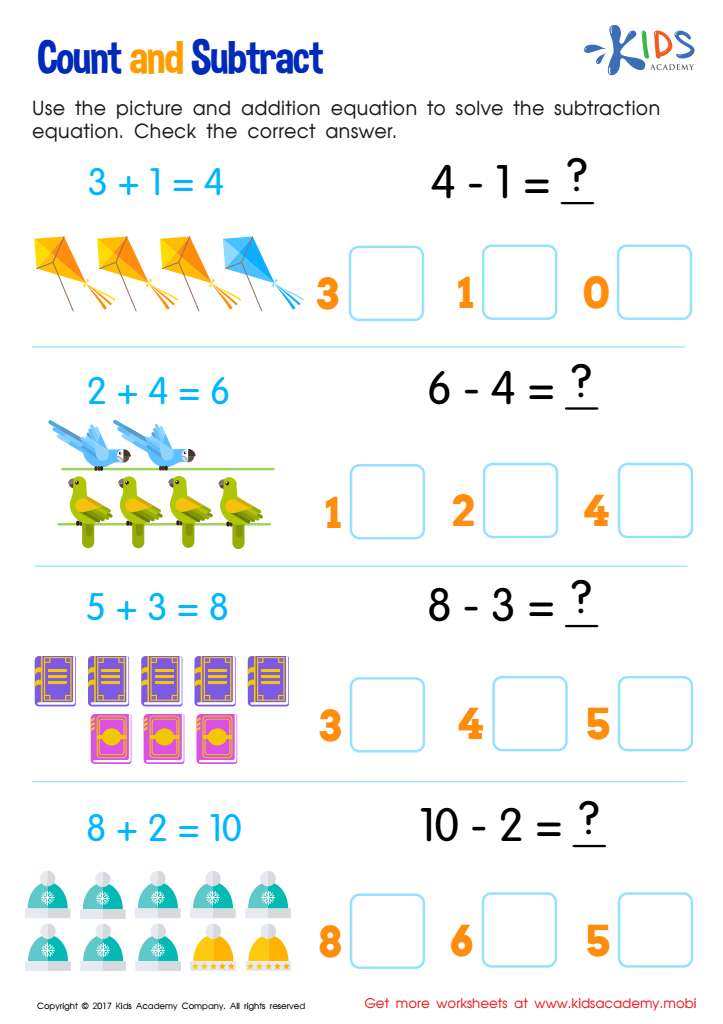
Count and Subtract Worksheet
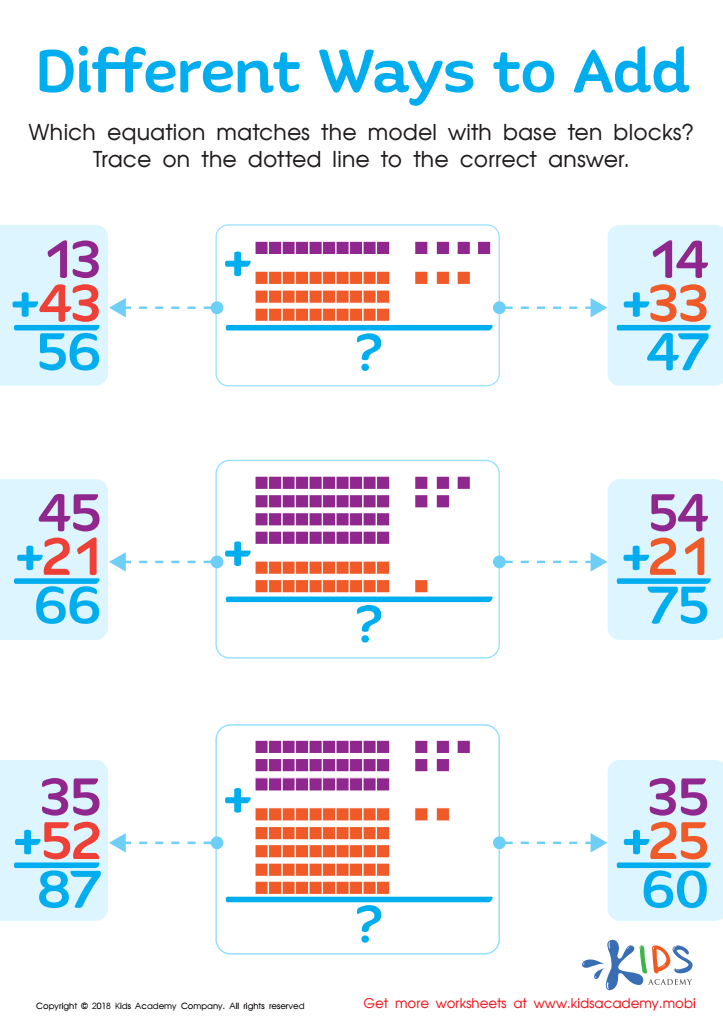
Different Ways to Add Worksheet
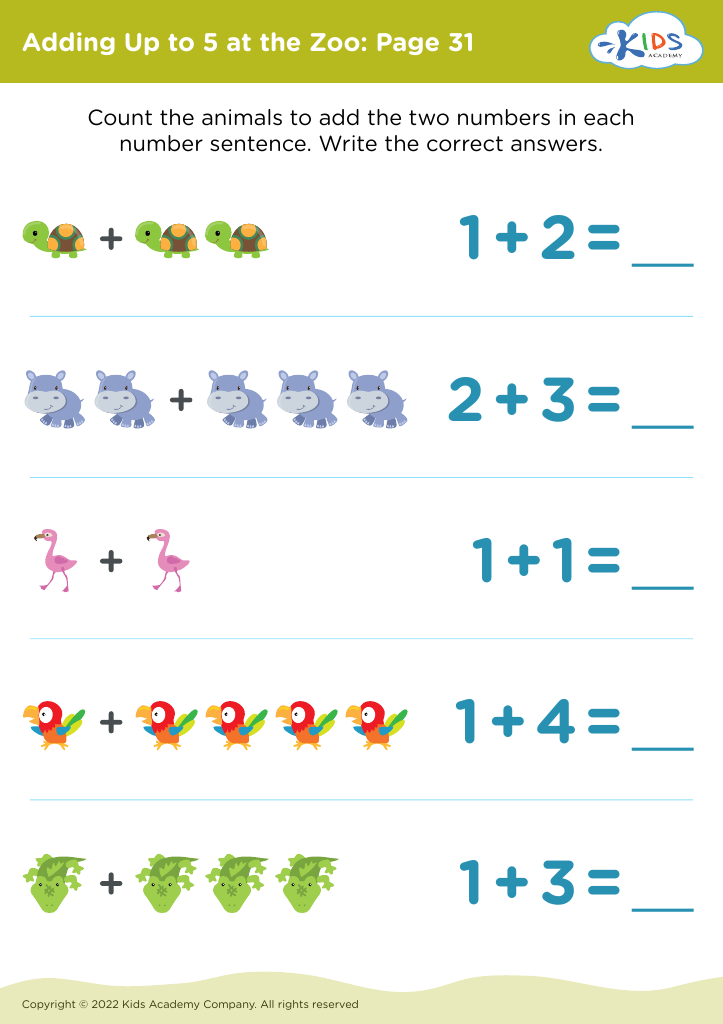

Sudoku Worksheet
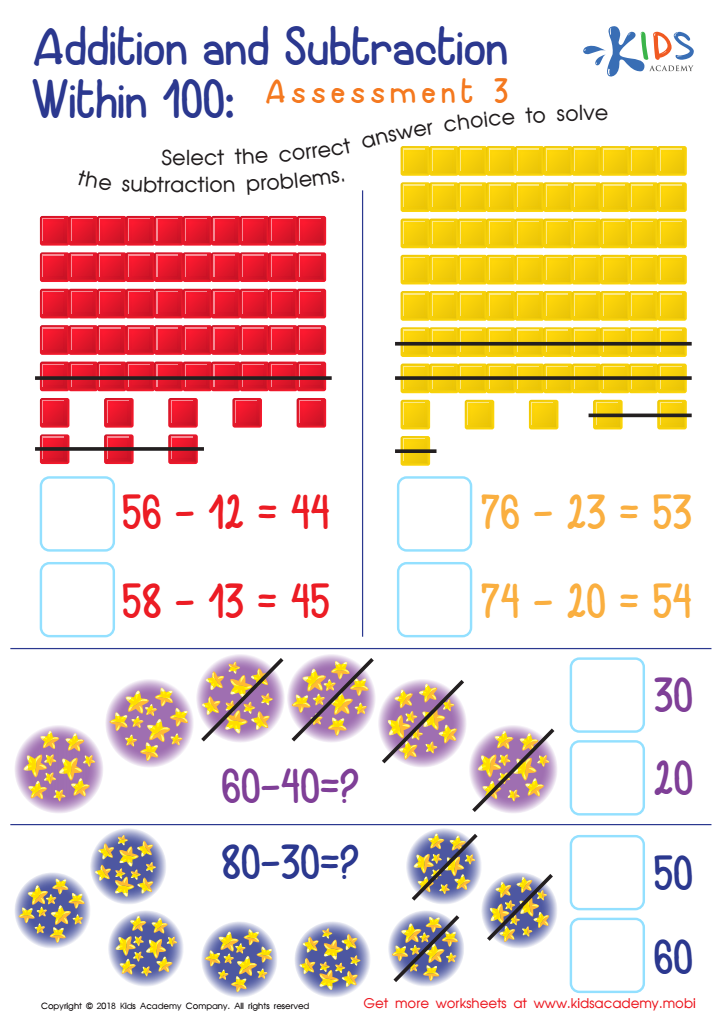
Addition and Subtraction Within 1: Assessment 3 Worksheet
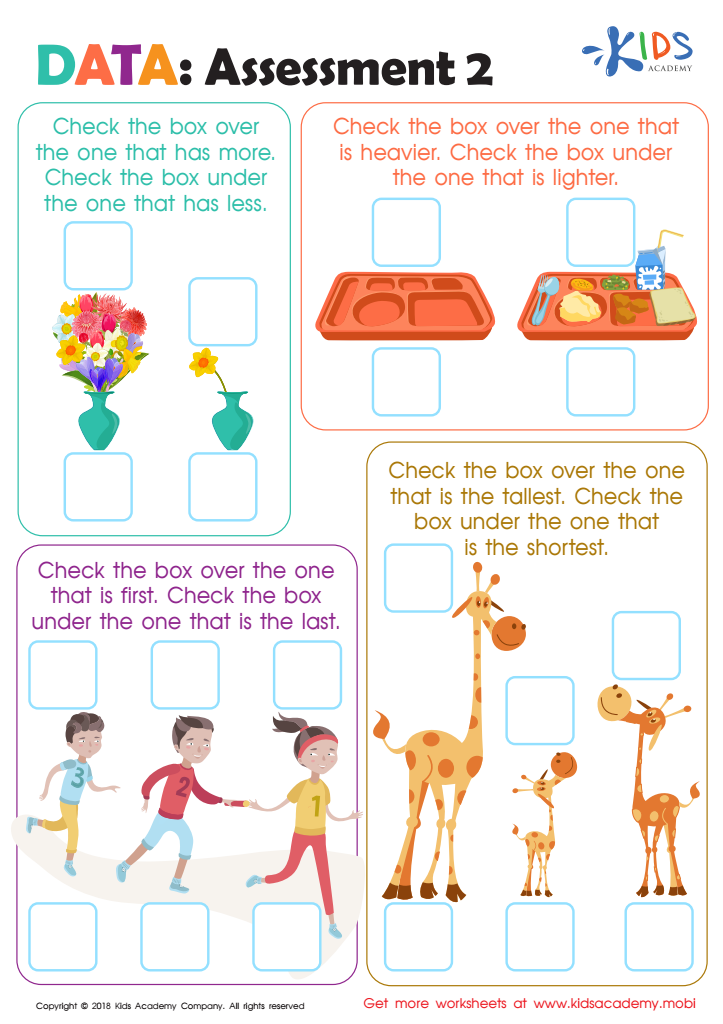
Data: Assessment 2 Worksheet
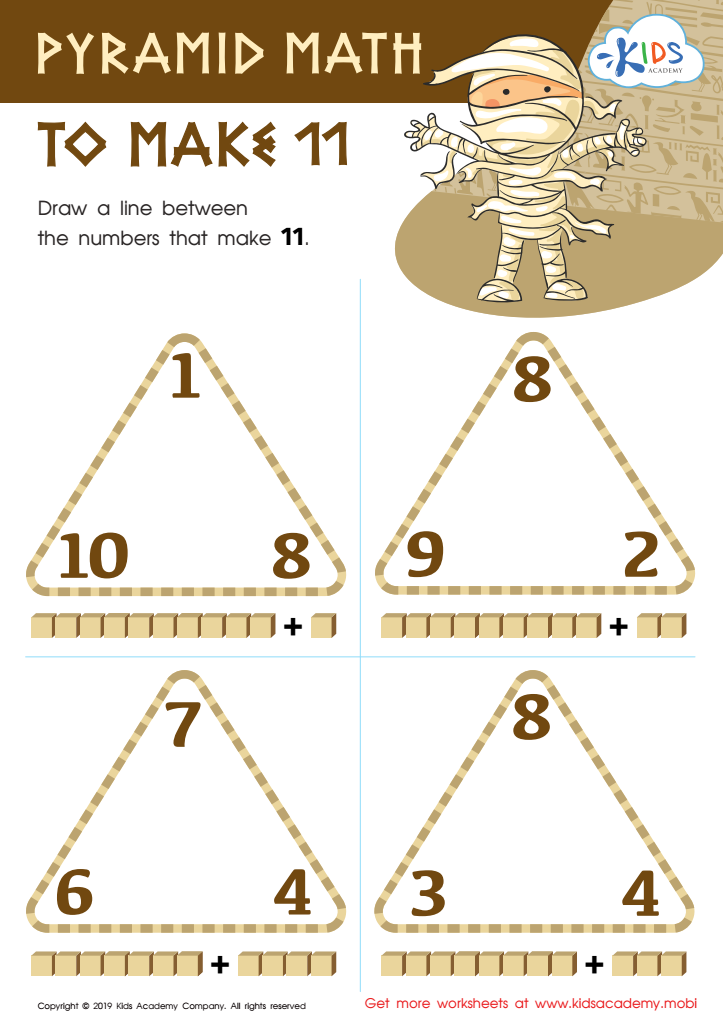
Pyramid Math to Make 11 Worksheet
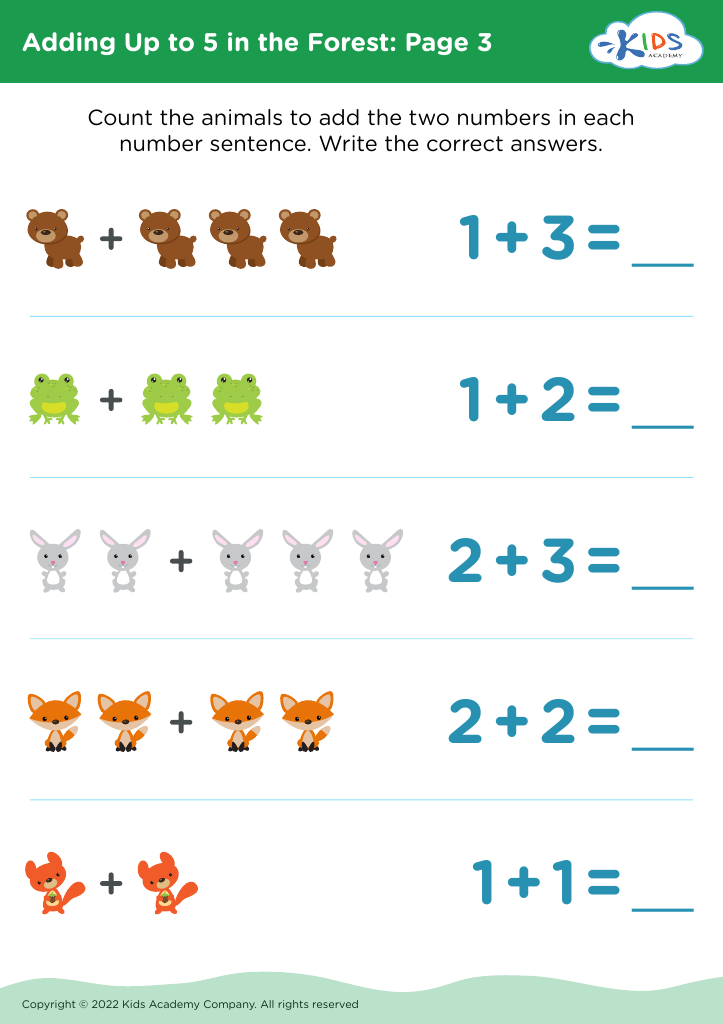







Problem-solving skills in mathematics are essential for children ages 5-9 as they lay the foundation for critical thinking, logical reasoning, and cognitive development. Early exposure to math problem-solving equips young learners with the tools to navigate not just academic challenges but real-world scenarios as well. When children engage in solving math problems, they learn to approach situations methodically, identify patterns, and devise strategies—all valuable skills for future learning and everyday life.
For parents and teachers, fostering these abilities means cultivating perseverance, resilience, and adaptability in young minds. Problem-solving encourages children to explore different ways to reach a solution, promoting creativity and innovation. Furthermore, math-based problem-solving activities enhance children's self-confidence, as they experience the joy and satisfaction of overcoming challenges.
Moreover, strong problem-solving skills prepare children for more advanced concepts in mathematics and other subjects as they progress through their education. By placing importance on these abilities early on, parents and teachers can help children build a solid academic foundation, ensuring long-term success. Integrating problem-solving into daily learning experiences also makes math more engaging and relevant, transforming it from an abstract subject into a practical and vital life skill.








