
Time conversion skills Math Worksheets for Ages 5-9
3 filtered results
Difficulty Level
Grade
Age
-
From - To
Subject
Activity
Standards
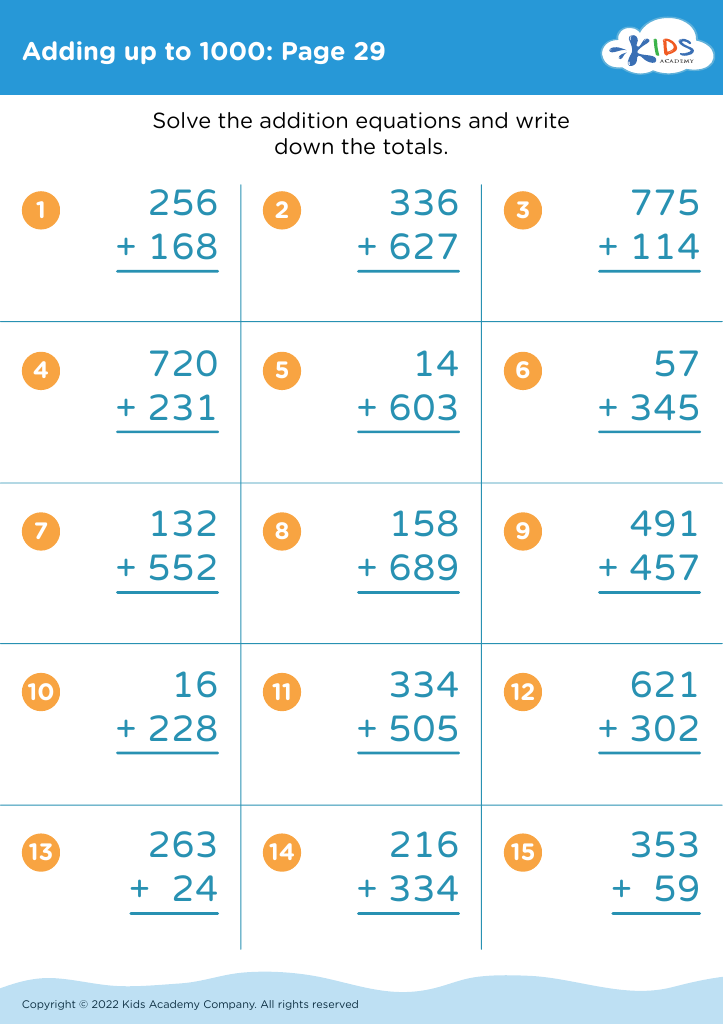
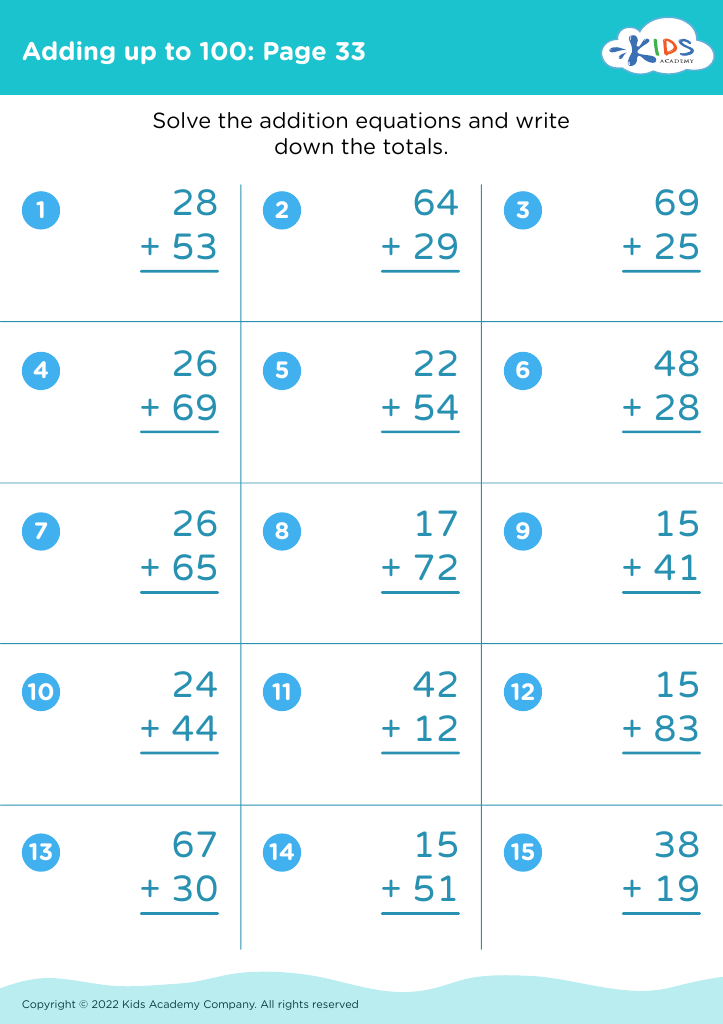
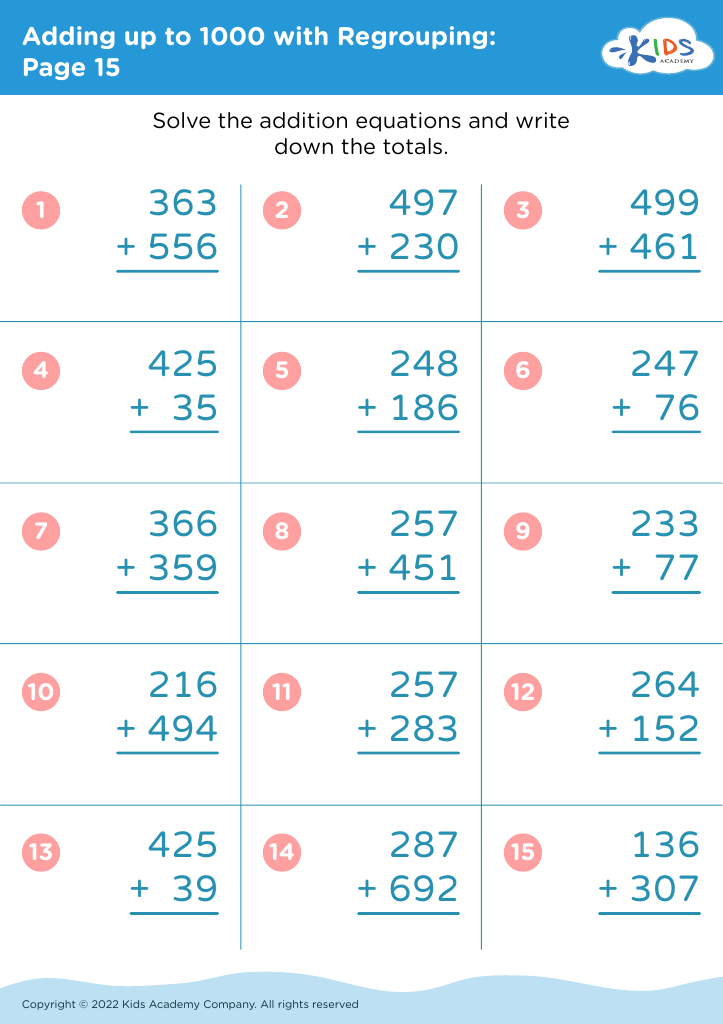
Our "Time Conversion Skills Math Worksheets for Ages 5-9" are specifically designed to help young learners master the art of converting time units effortlessly. Engaging and age-appropriate, these worksheets cover essential concepts such as understanding hours, minutes, and seconds. Crafted by educators, each worksheet infuses fun activities with visual aids and practical problems to enhance comprehension and retention. Ideal for classroom and home use, these worksheets build a strong foundation in time management and problem-solving skills, ensuring your child excels in math while enjoying the learning process. Make learning time conversion a fun and interactive adventure!
Favorites
With answer key
Interactive
Join Kids Academy for Free
Who is primarily going to use this learning content?







Time conversion skills are essential for young children, ages 5-9, as they lay the foundation for practical life skills and academic success. At this formative age, understanding how to read clocks and convert time units (seconds, minutes, hours) nurtures their ability to manage schedules and organize daily activities effectively.
For parents and teachers, instilling these skills early on helps children develop a sense of responsibility and punctuality. Children learn the importance of being on time for school, completing tasks within specific time frames, and following routines, which are crucial habits that benefit them throughout their education and into adulthood.
Moreover, time conversion fosters cognitive development. It introduces mathematical concepts like addition, subtraction, and even fractions and division when understanding half-hours and quarter-hours. This not only strengthens their numerical abilities but also enhances problem-solving and critical-thinking skills.
From a broader perspective, children proficient in time management are likely to experience lower levels of stress and anxiety. They can better handle transitions and interruptions, which are common in both school and home environments. Therefore, by emphasizing the importance of time conversion skills, parents and teachers are equipping children with vital tools for navigating their academic journey and life more effectively.








