Visual interpretation Math Worksheets for Ages 5-9
8 filtered results
-
From - To
Discover our engaging Visual Interpretation Math Worksheets tailored for children ages 5 to 9! These carefully crafted worksheets help young learners develop essential skills by incorporating vibrant visuals and relatable scenarios. Children will enhance their ability to interpret data, identify patterns, and solve visual problems through interactive exercises and fun illustrations. Our worksheets support vital early math concepts, fostering critical thinking and spatial awareness. Perfect for both classroom and home use, these resources inspire creativity and build confidence in budding mathematicians. Explore our collection and watch your child flourish in their mathematical journey while developing essential visually interpretative skills!
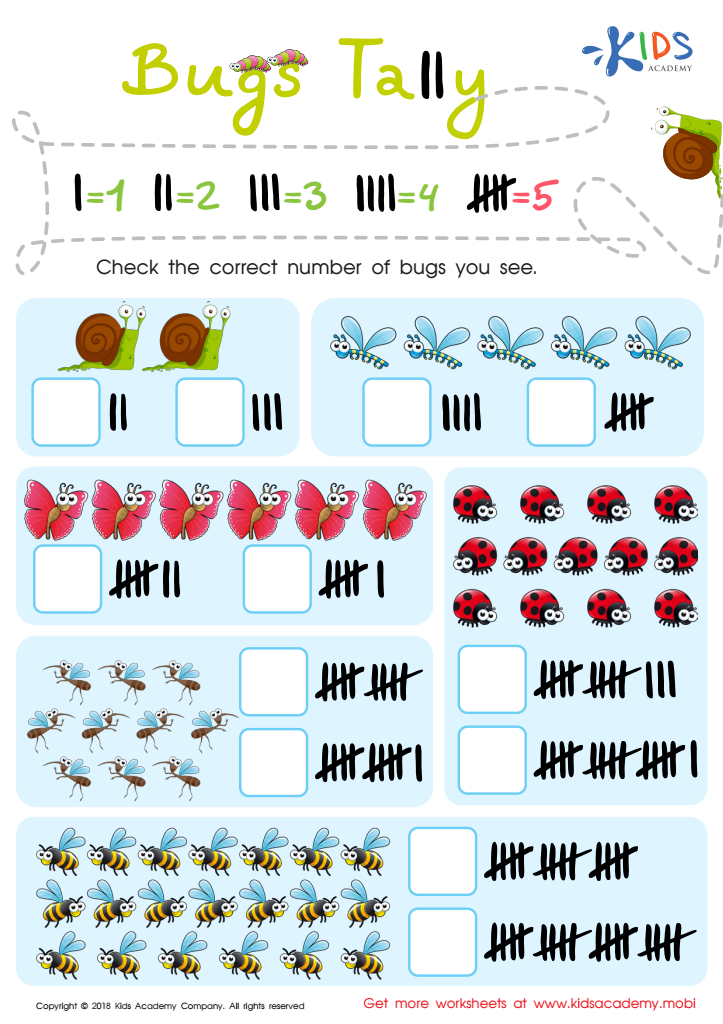
Bugs Tally Worksheet
 Assign to My Students
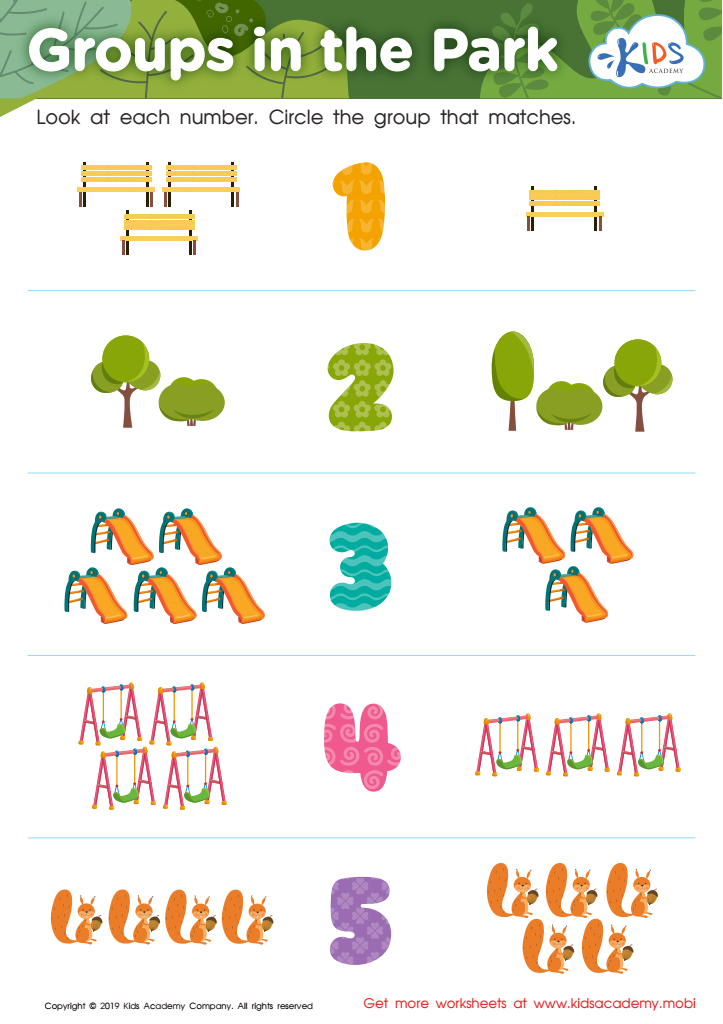
Groups in the Park Worksheet
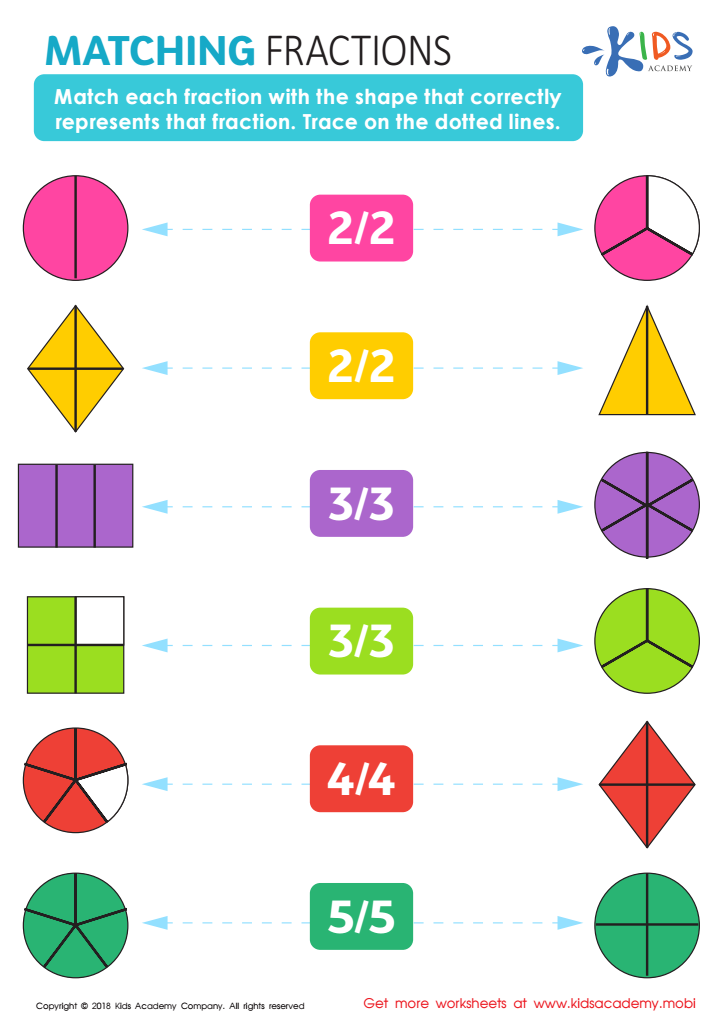
Matching Fractions Worksheet
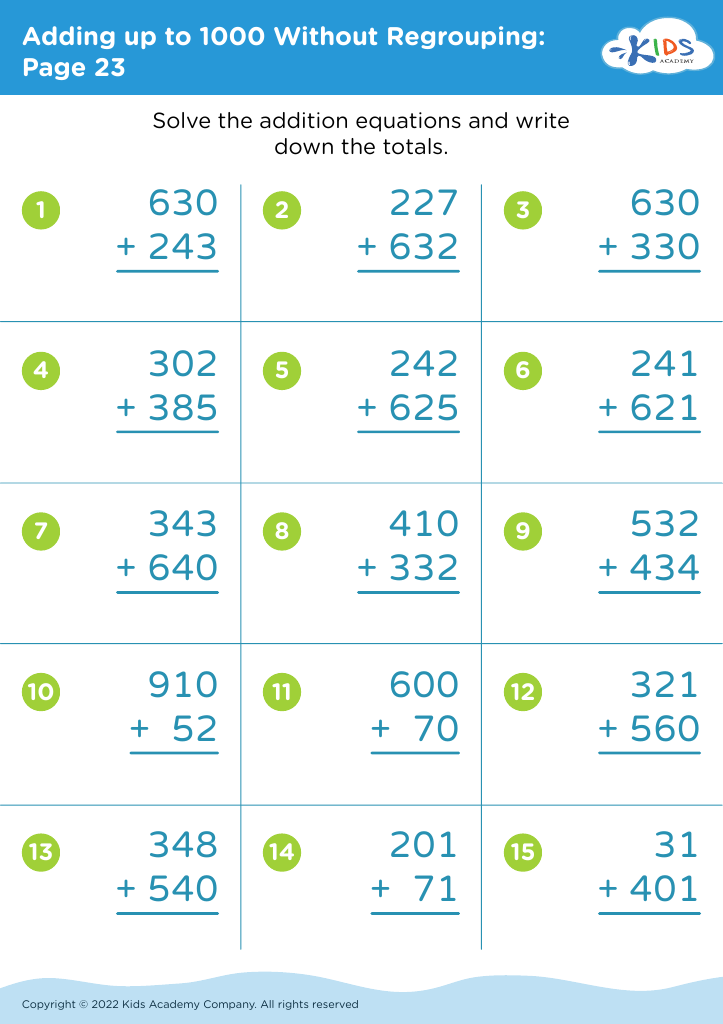
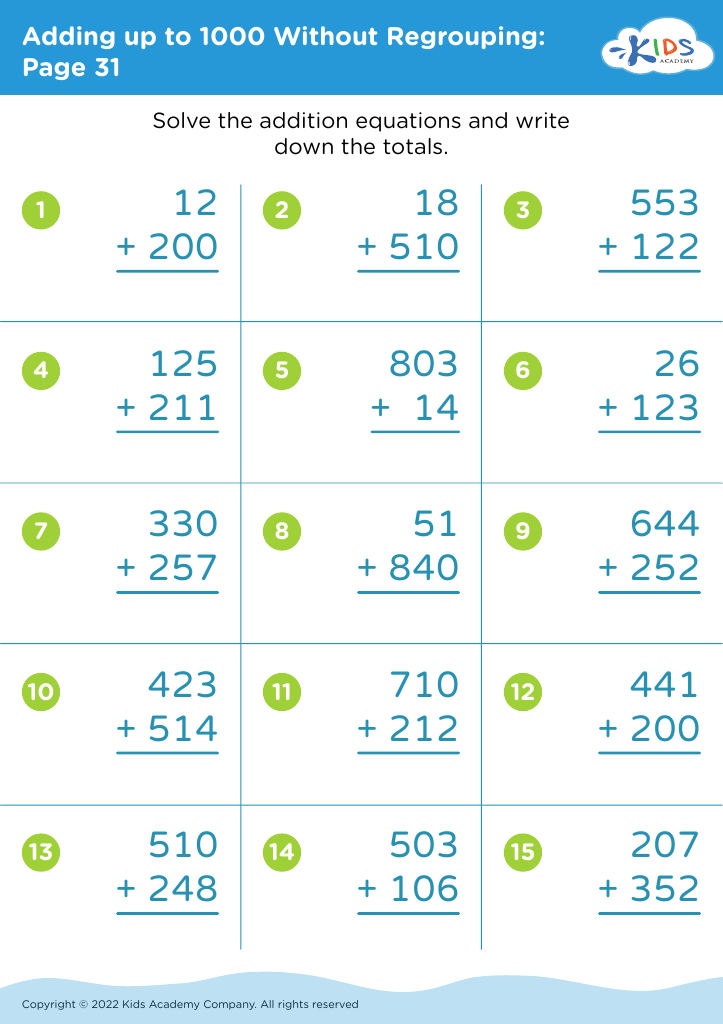
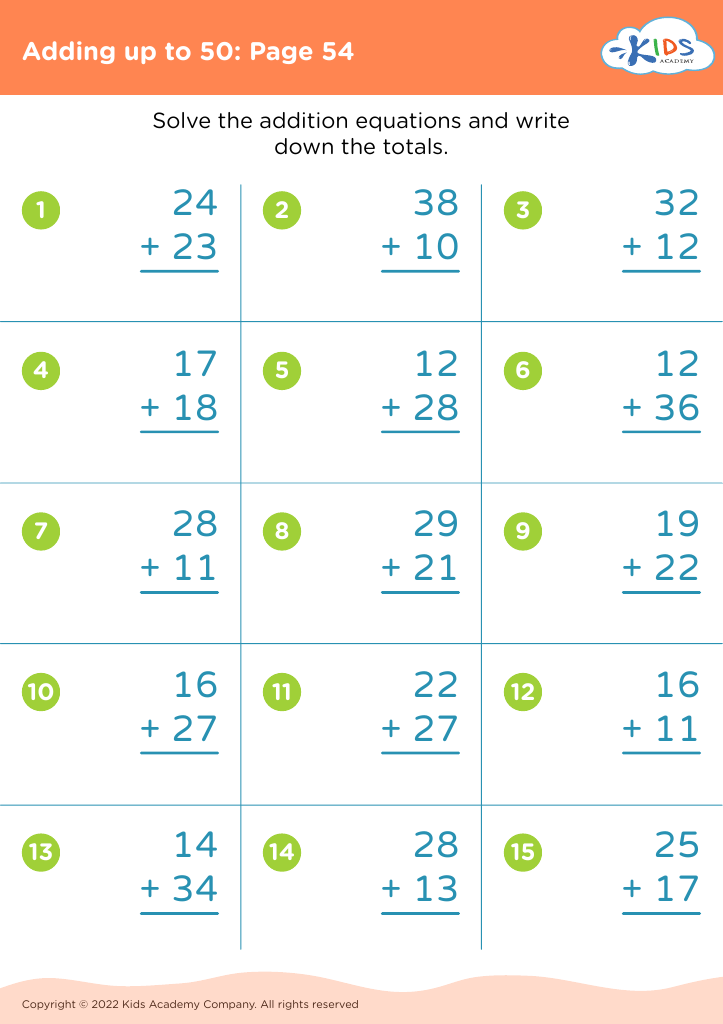
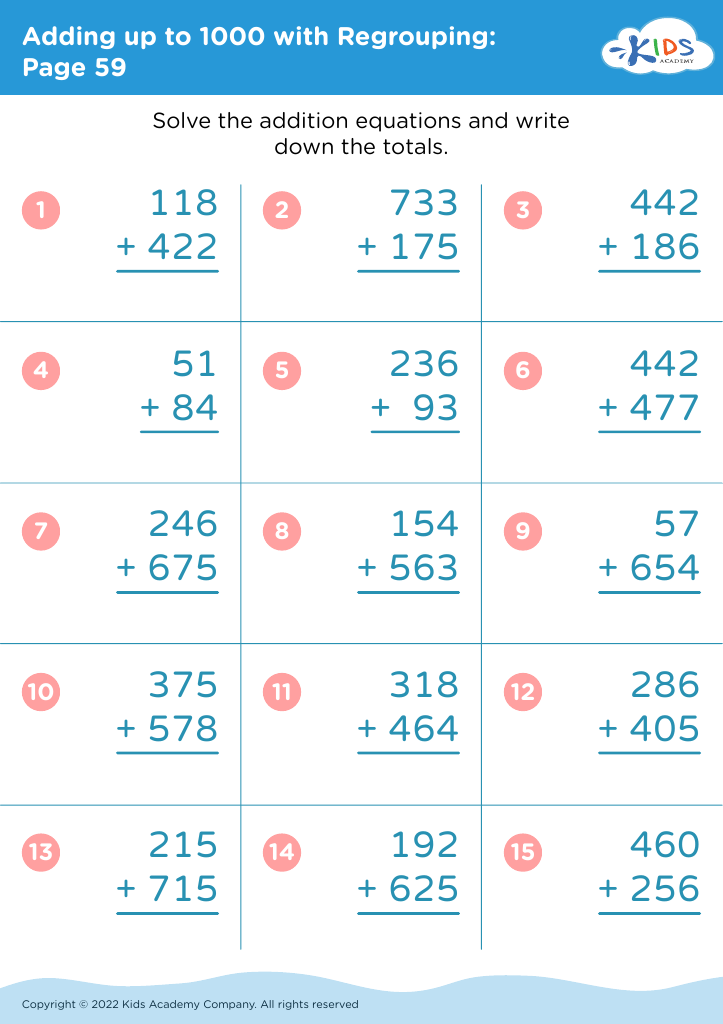






Visual interpretation in math for children aged 5-9 is crucial for fostering a deep understanding of mathematical concepts. At this developmental stage, children are concrete thinkers, often benefiting from visual aids to help them grasp abstract ideas. By using visual representations—such as drawings, manipulatives, and charts—children can better understand concepts like addition, subtraction, shapes, and patterns.
Visual math encourages active engagement, allowing students to visualize problems and solutions. This strategy supports critical thinking, as kids learn to analyze information, recognize relationships, and make connections across different mathematical areas. Moreover, it builds a strong foundation for future learning, reducing math anxiety and fostering a positive attitude toward the subject.
For teachers and parents, prioritizing visual interpretation in math is an investment in a child's cognitive development. It caters to various learning styles, ensuring that each child can find a method that resonates with them. Furthermore, by understanding math visually, children develop problem-solving skills crucial for future academic and real-world success. In summary, integrating visual interpretation in early math education not only enhances comprehension but also nurtures a lifelong love of learning.








