Improve reading comprehension Reading Non-Fiction Worksheets for Ages 5-9
6 filtered results
-
From - To
Boost your child's reading skills with our "Improve Reading Comprehension: Non-Fiction Worksheets" designed for ages 5-9. These engaging worksheets introduce young learners to the fascinating world of non-fiction, helping them grasp key concepts and improve comprehension. Through a variety of age-appropriate exercises, children will enhance their abilities to extract information, summarize content, and develop critical thinking. Perfect for classroom use or at-home practice, our curated selection of activities is tailored to support your child's learning journey, building a foundation for lifelong reading success. Explore today and watch their confidence soar!
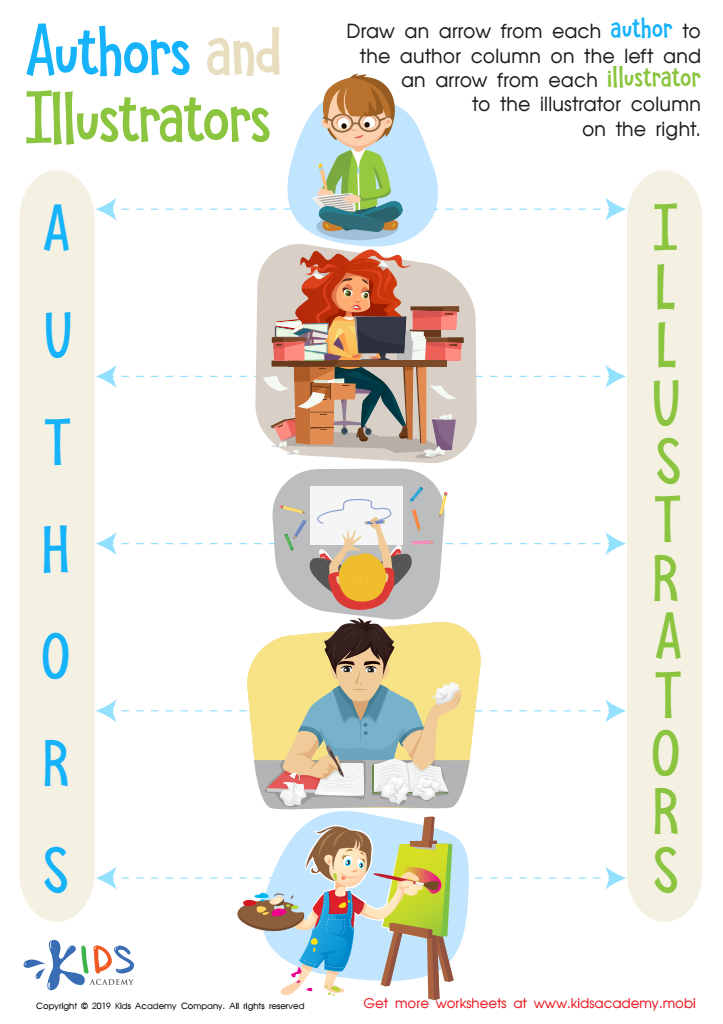
Authors and Illustrators Worksheet
 Assign to My Students
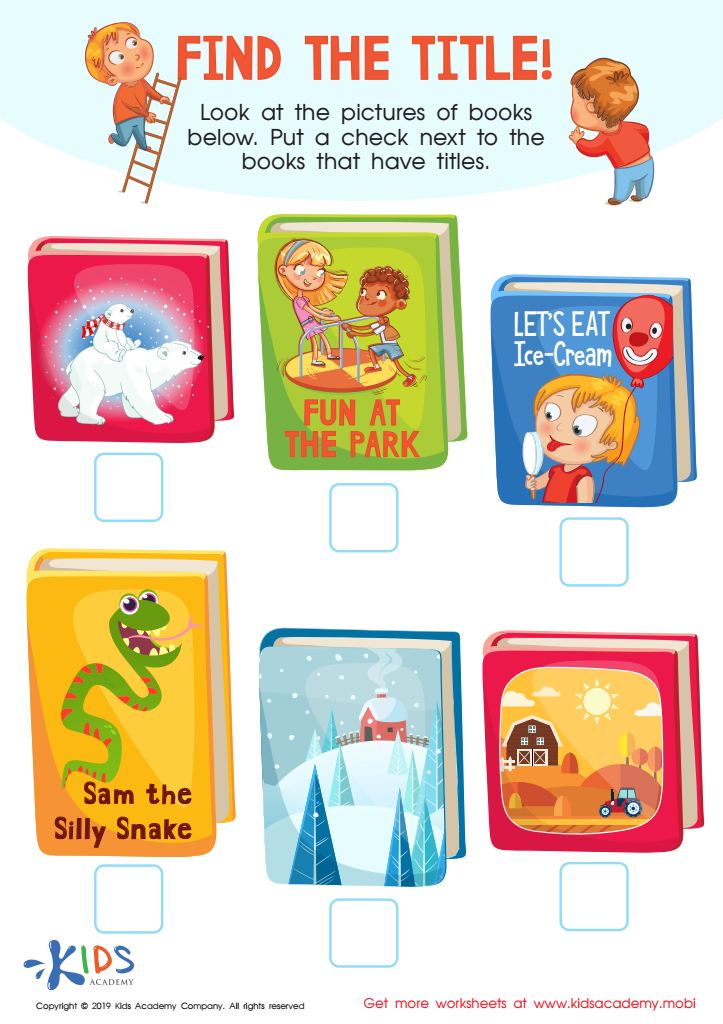
Find the Title Worksheet
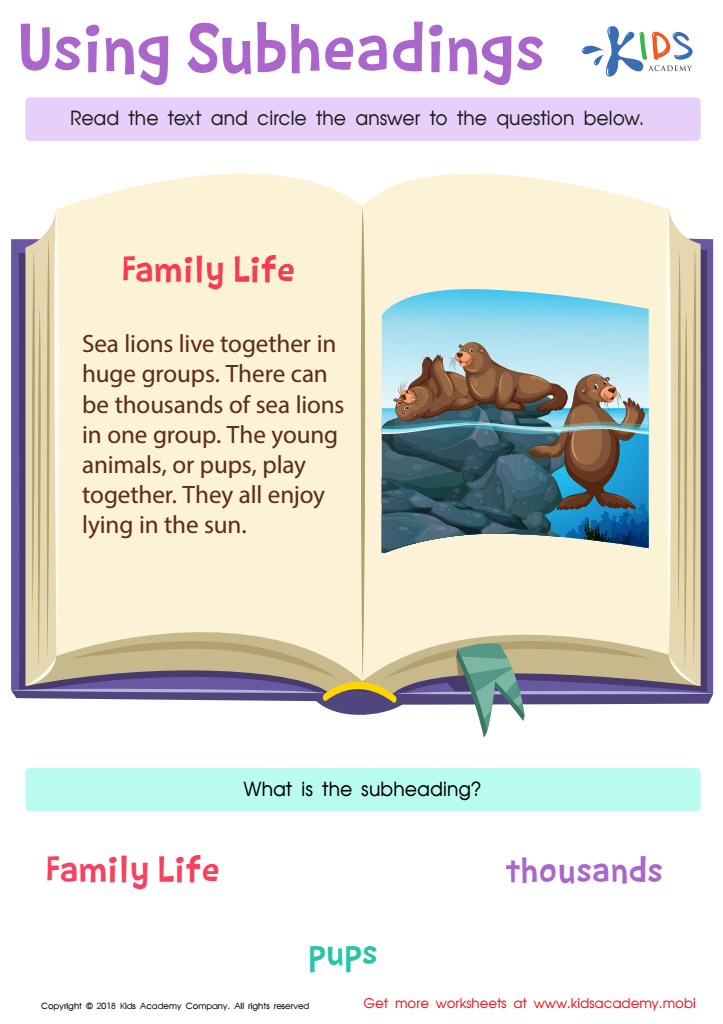
Using Subheadings Worksheet
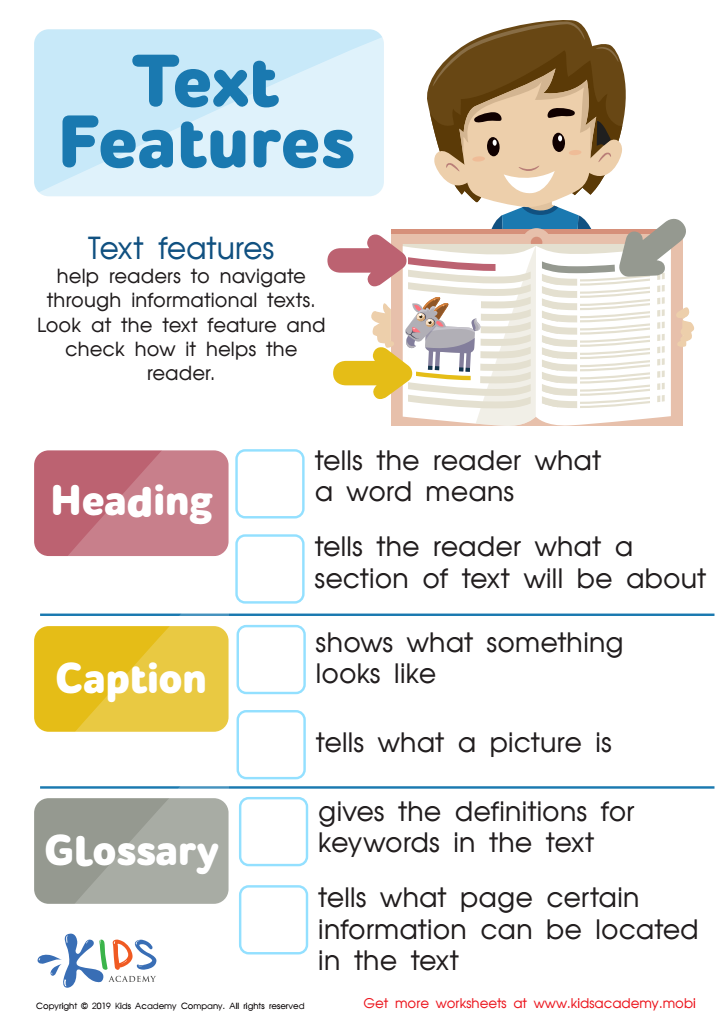
Text Features Worksheet
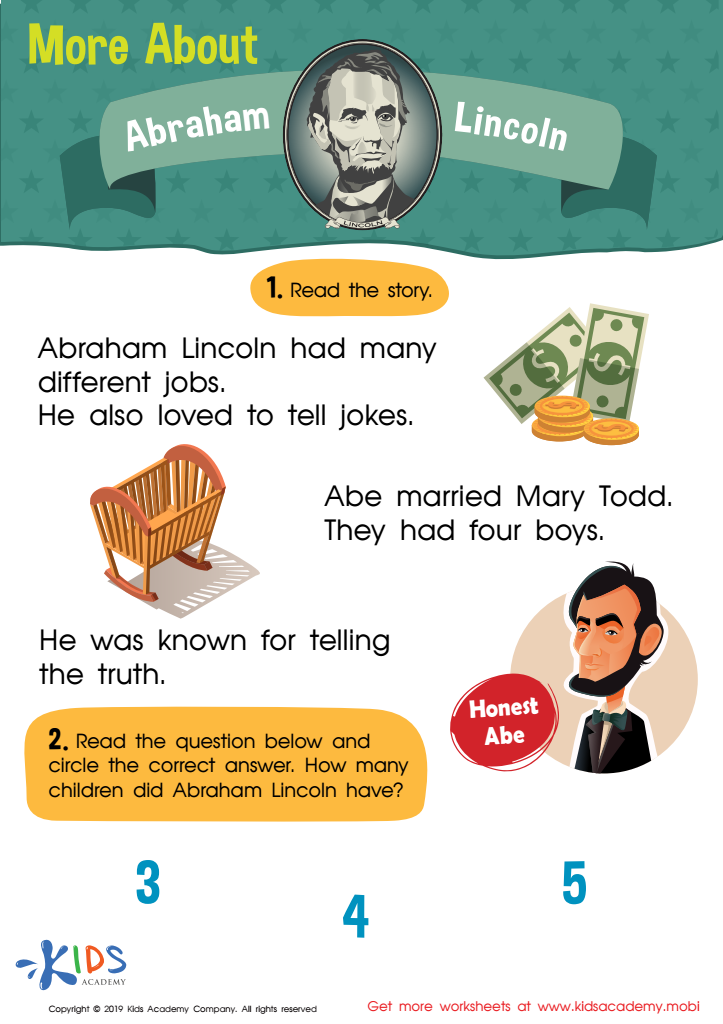
More About Abraham Lincoln Worksheet
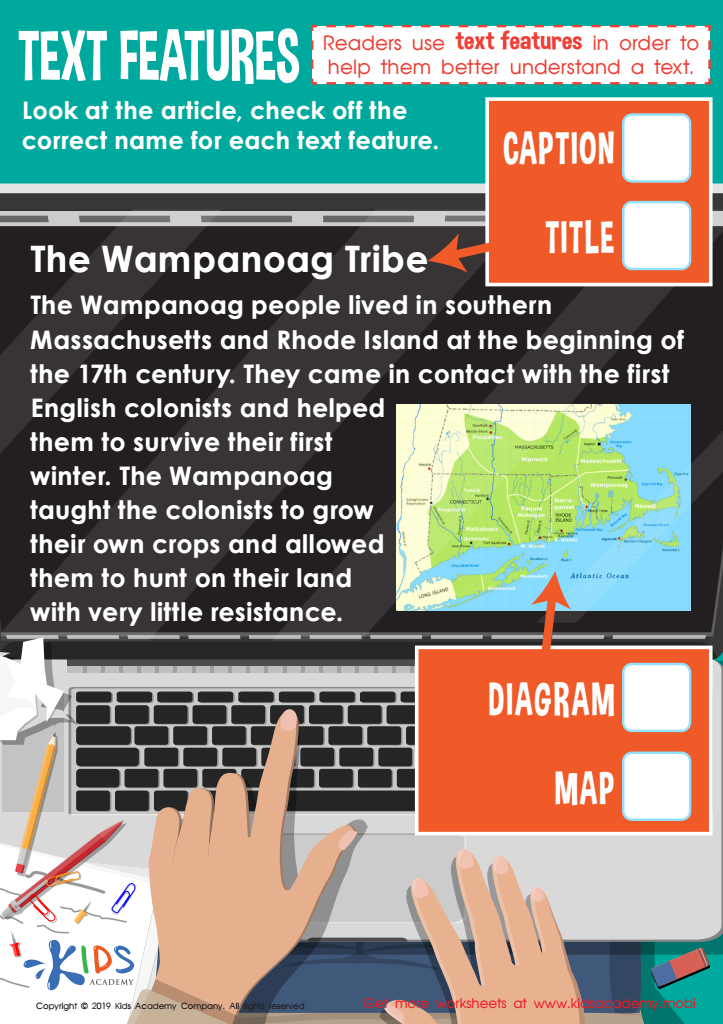
Text Features Worksheet








Reading comprehension is a fundamental skill that serves as the foundation for all future learning, and it is particularly vital during early childhood. When children between the ages of 5-9 improve their ability to understand and interpret non-fiction texts, they build critical thinking and analytical skills necessary for academic success and everyday life.
Non-fiction reading exposes children to factual content about the world, including science, history, and various cultures. This not only broadens their knowledge but also piques their curiosity, motivating them to explore new topics and ideas. Furthermore, non-fiction texts often introduce new vocabulary and complex sentence structures, which bolster language development and improve overall literacy skills.
Cultivating competency in reading non-fiction at an early age prepares students for more advanced educational content they will encounter in later grades, where informational text becomes more prominent. It also helps children understand how to extract key details, summarize information, and distinguish between main ideas and supporting evidence—skills that are crucial for both academic tasks and critical real-world problem-solving.
Moreover, fostering a love and proficiency for reading non-fiction encourages lifelong learning. By developing a strong reading comprehension foundation early on, parents and teachers ensure that children are well-equipped to navigate and understand the ever-growing landscape of information in our world.








