Vocabulary development Reading Non-Fiction Worksheets for Ages 5-9
6 filtered results
-
From - To
Discover engaging Vocabulary Development Reading Non-Fiction Worksheets designed for children ages 5-9! Our carefully crafted worksheets help young learners enhance their vocabulary while exploring fascinating non-fiction topics. These resources encourage critical thinking and comprehension skills through fun, interactive exercises. Students will learn to identify key vocabulary, understand meanings, and apply words in context, fostering their language development effectively. Perfect for classroom or home education, these worksheets promote a love for reading and knowledge. Support your child's literacy journey with our vibrant, educational materials that make learning enjoyable and accessible. Explore our collection today to inspire young minds!
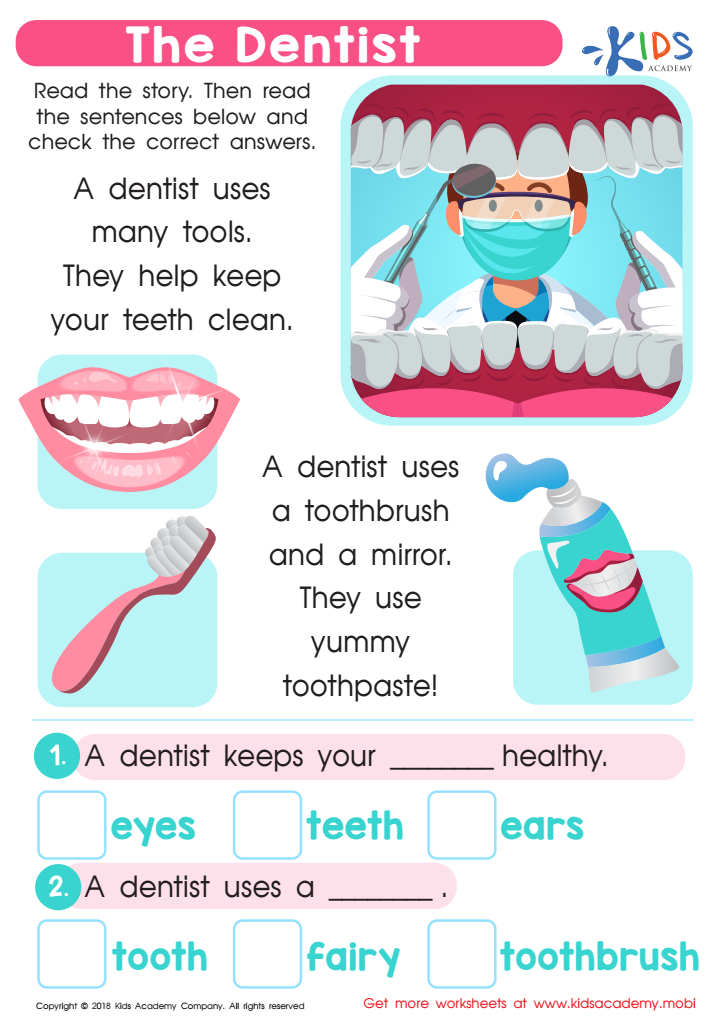
The Dentist Worksheet
 Assign to My Students
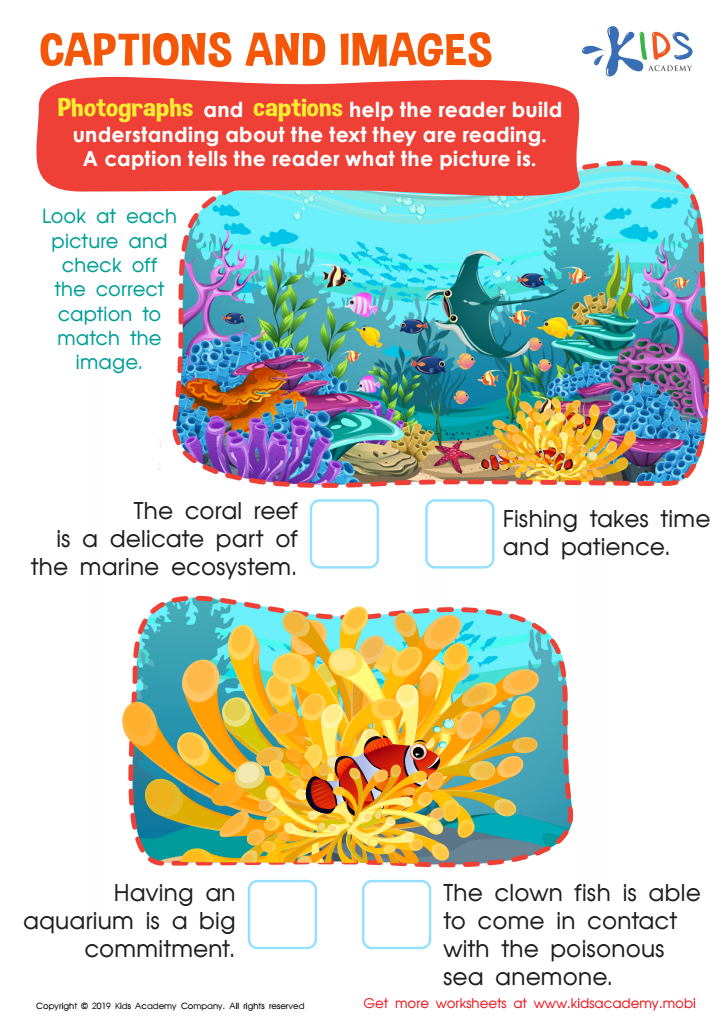
Captions and Images Worksheet
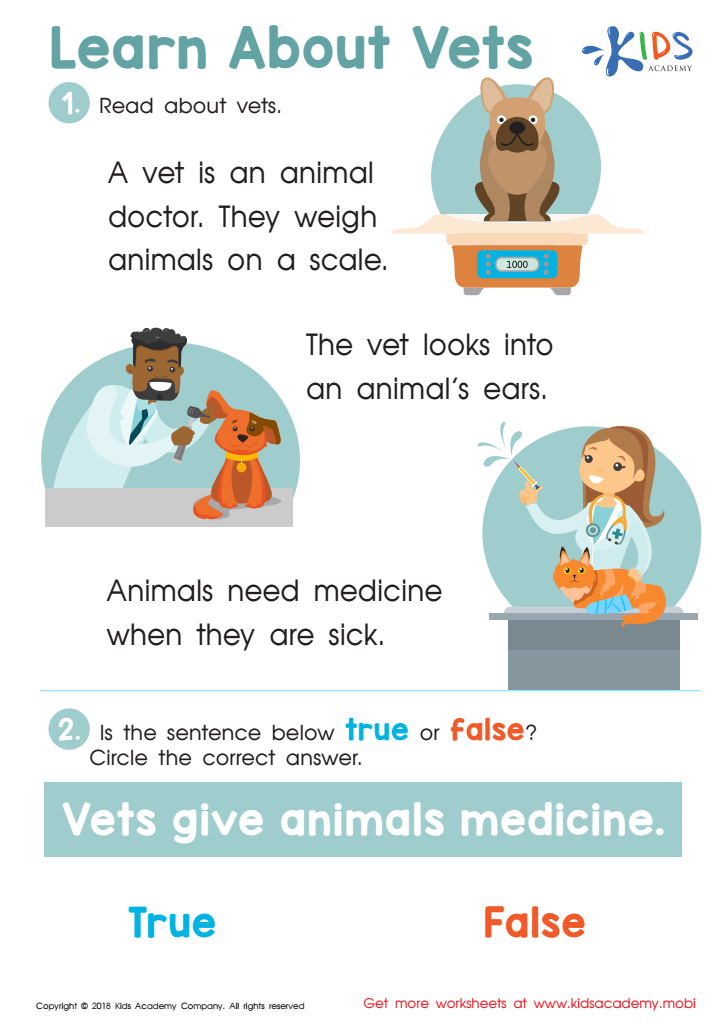
Learn About Vets Worksheet
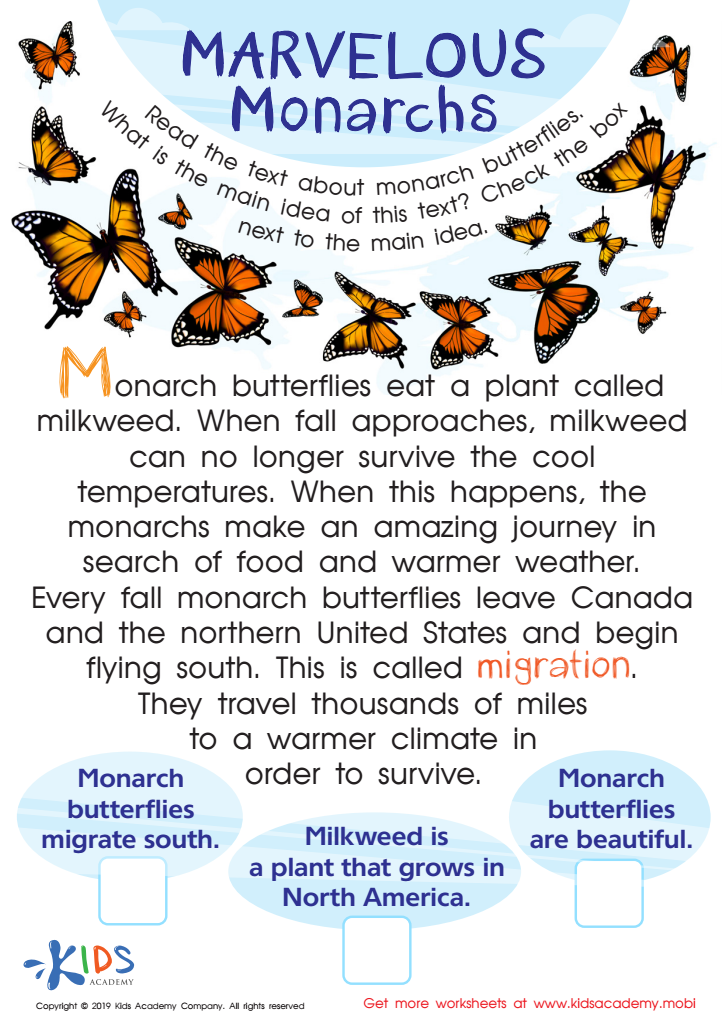
Marvelous Monarchs Worksheet
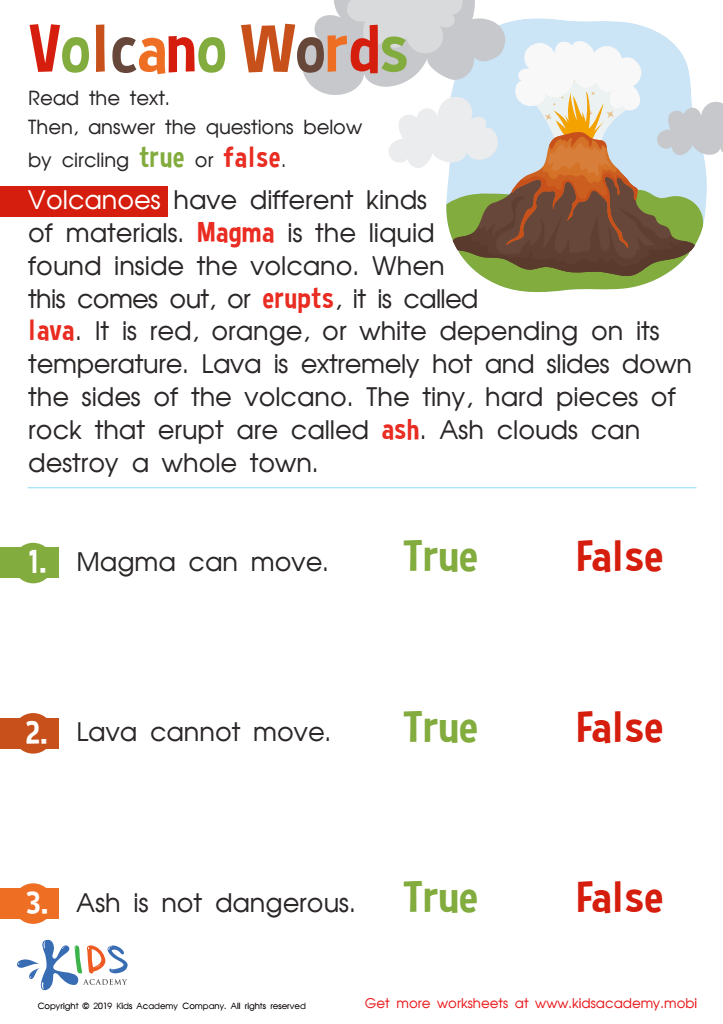
Volcano Words Worksheet
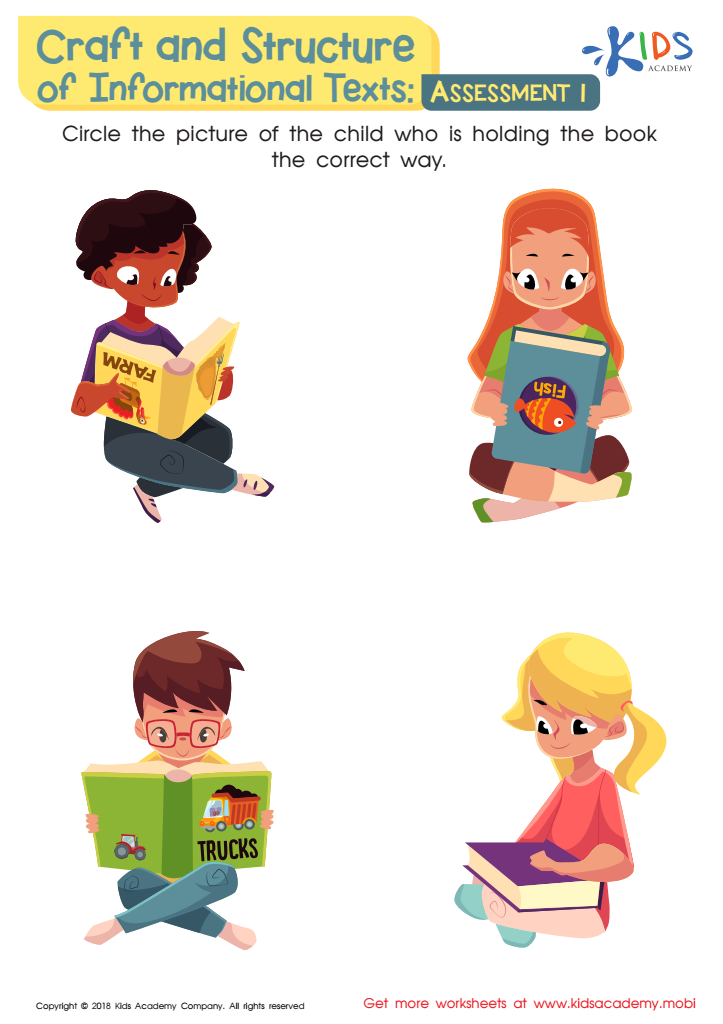
Craft and Structure of Informational Texts: Assessment 1 Worksheet








Vocabulary development is crucial for children aged 5-9, especially in the context of reading non-fiction. At this stage, children are not just learning to read; they are also beginning to understand and engage with the world around them through factual texts. Developing a strong vocabulary enhances comprehension, allowing children to grasp complex concepts presented in non-fiction books. A rich vocabulary helps them describe, classify, and analyze information, which is essential for critical thinking.
Non-fiction texts expose children to specialized language, technical terms, and varied sentence structures, fostering an understanding of diverse subjects, from science to social studies. Parents and teachers should care about this development because it lays the foundation for lifelong learning; children who are proficient in vocabulary are more likely to become confident readers and effective communicators.
Furthermore, vocabulary development supports socio-emotional growth, enabling children to express themselves better and understand others' perspectives. Reading non-fiction also nurtures curiosity and encourages exploration of new ideas, enriching children’s imaginative and analytical skills. Active involvement in vocabulary-building activities, such as discussions about non-fiction content, can significantly bolster children's confidence and enthusiasm for reading, setting the stage for academic success.








