Comparing quantities Sight Words Worksheets for Ages 5-9
3 filtered results
-
From - To
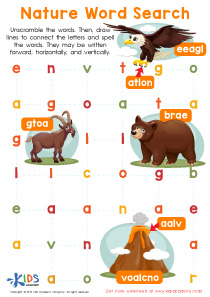
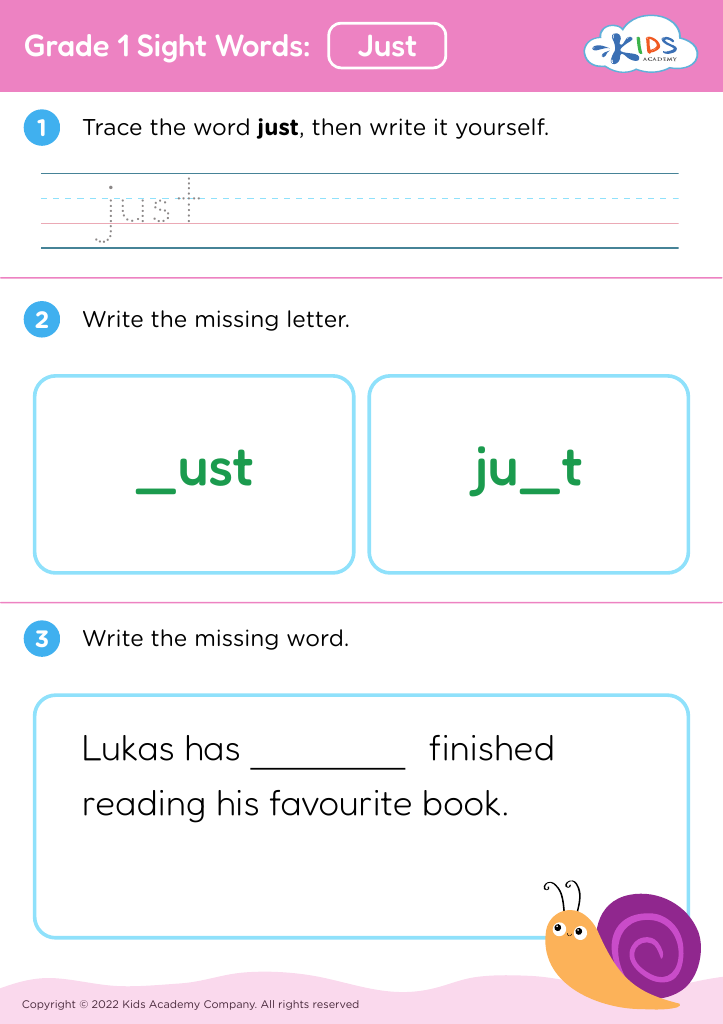
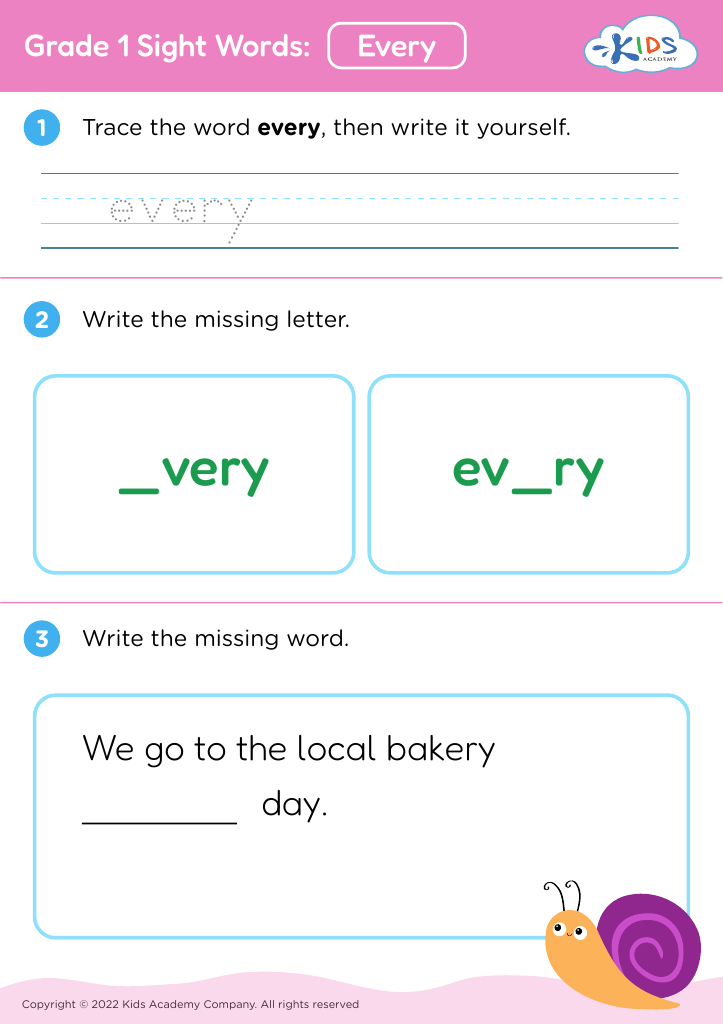
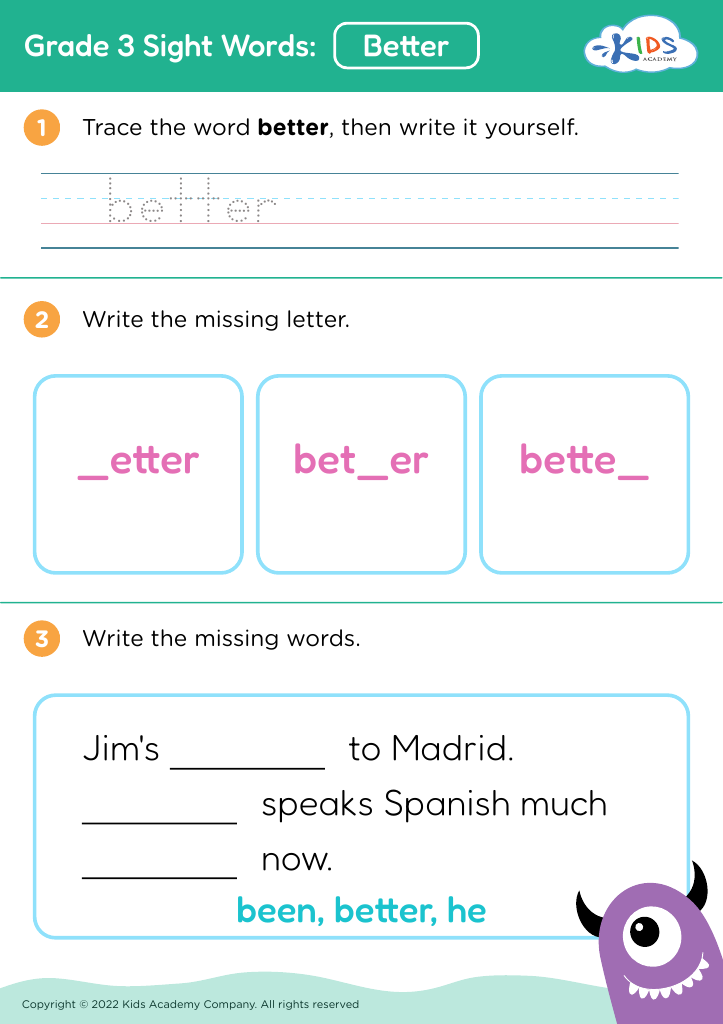
Introduce your young learners to math and literacy simultaneously with our Comparing Quantities Sight Words Worksheets for ages 5-9. These engaging activities help children strengthen their sight word recognition while comparing different quantities, fostering both their reading fluency and mathematical reasoning. Designed to align with educational standards, the worksheets feature fun, interactive exercises, including drawing, coloring, and word matching. Ideal for classroom use or home practice, our worksheets ensure that kids build essential skills while enjoying the learning process. Empower your child’s foundational education with resources that make learning dynamic and effective.










Comparing quantities and recognizing sight words are fundamental skills for children ages 5-9, playing a crucial role in early cognitive and literacy development. Understanding quantities helps young learners build a strong foundation in math by allowing them to discern differences in size, amount, and value, crucial for later, more complex mathematical concepts. When children can compare quantities, they begin to grasp number sense, measurement, and arithmetic, which are essential life skills.
Simultaneously, sight words are commonly occurring words that young readers must recognize on sight to enhance reading fluency and comprehension. Sight words often do not follow regular phonetic patterns, making them challenging to decode with standard phonics rules. By internalizing these words, children can read more fluidly and focus on understanding the text, rather than sounding out every word.
For parents and teachers, nurturing these skills is critical. Mastery of comparing quantities and sight words can significantly boost a child's confidence and academic success. Engaging children in fun, interactive activities that combine these concepts can set a solid groundwork for critical thinking and comprehension, strengthen their ability to learn independently, and foster a lifelong love of learning. By caring about these foundational skills, we support a child's holistic development and future educational achievements.