Fine motor skills development Letter Recognition Worksheets for 5-Year-Olds
5 filtered results
-
From - To
Our Fine Motor Skills Development Letter Recognition Worksheets for 5-Year-Olds are designed to boost your child’s handwriting and letter recognition abilities. Each engaging worksheet focuses on fun activities like tracing, drawing, and identifying letters, which help young learners refine their hand-eye coordination and dexterity. These essential skills lay the foundation for future academic success and boost confidence in learning. Perfect for preschoolers and kindergarteners, our worksheets provide a blend of education and entertainment, keeping kids motivated and interested. Start your child on the path to literacy and motor skill mastery with our expertly crafted, age-appropriate resources.
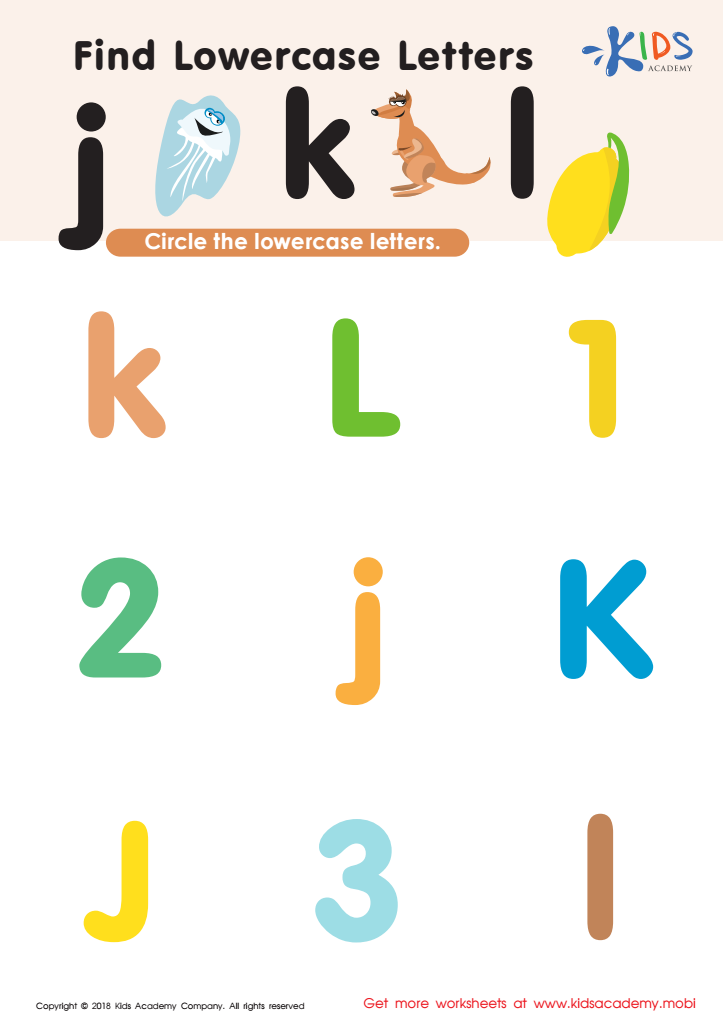
Find Lowercase Letters j k l Worksheet
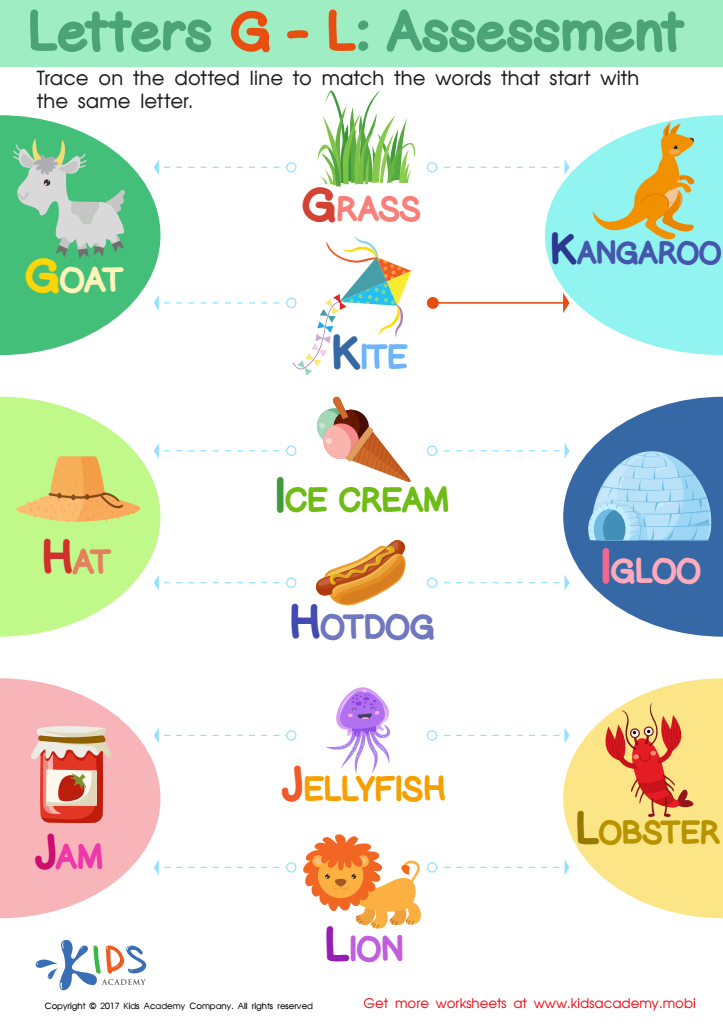
Letters G-L Worksheet
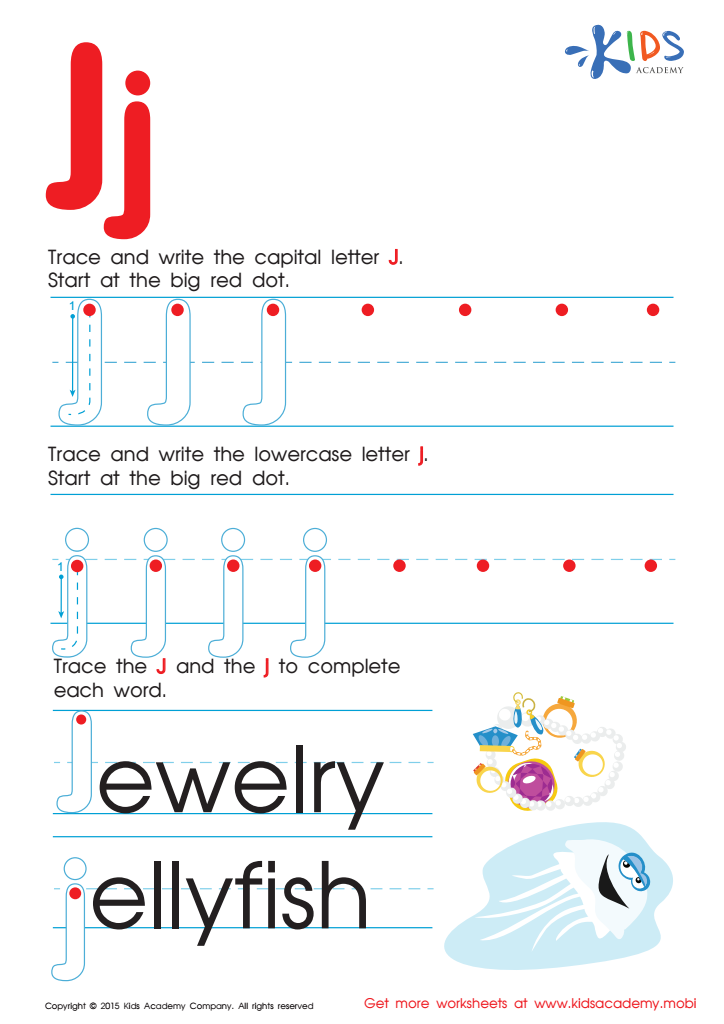
Letter J Tracing Page
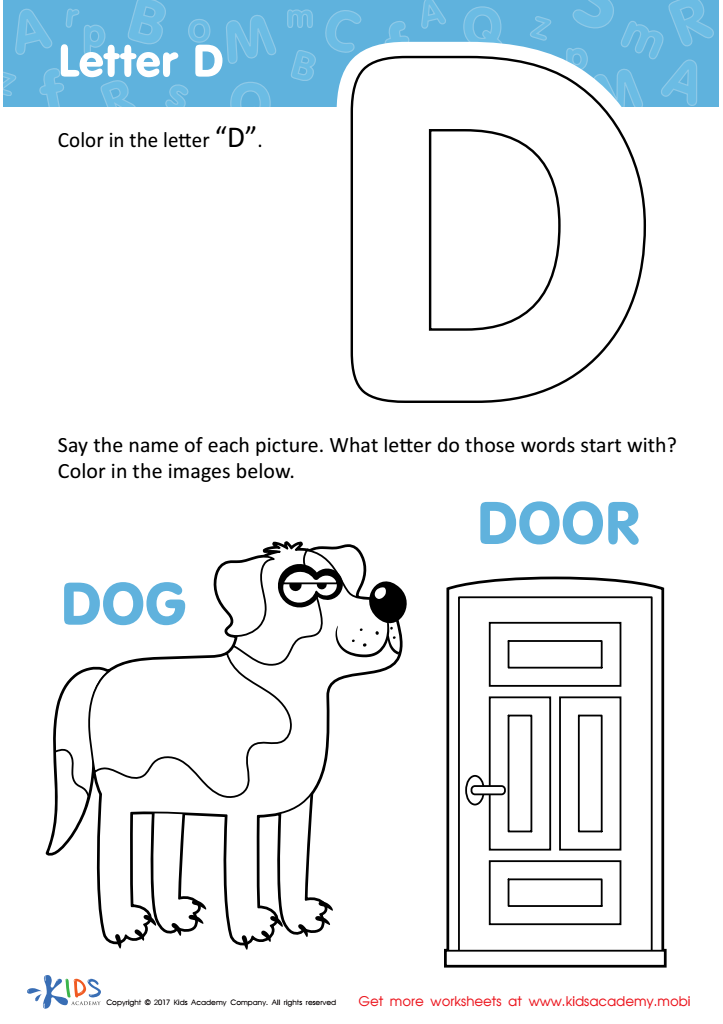
Letter D Coloring Sheet
 Assign to My Students
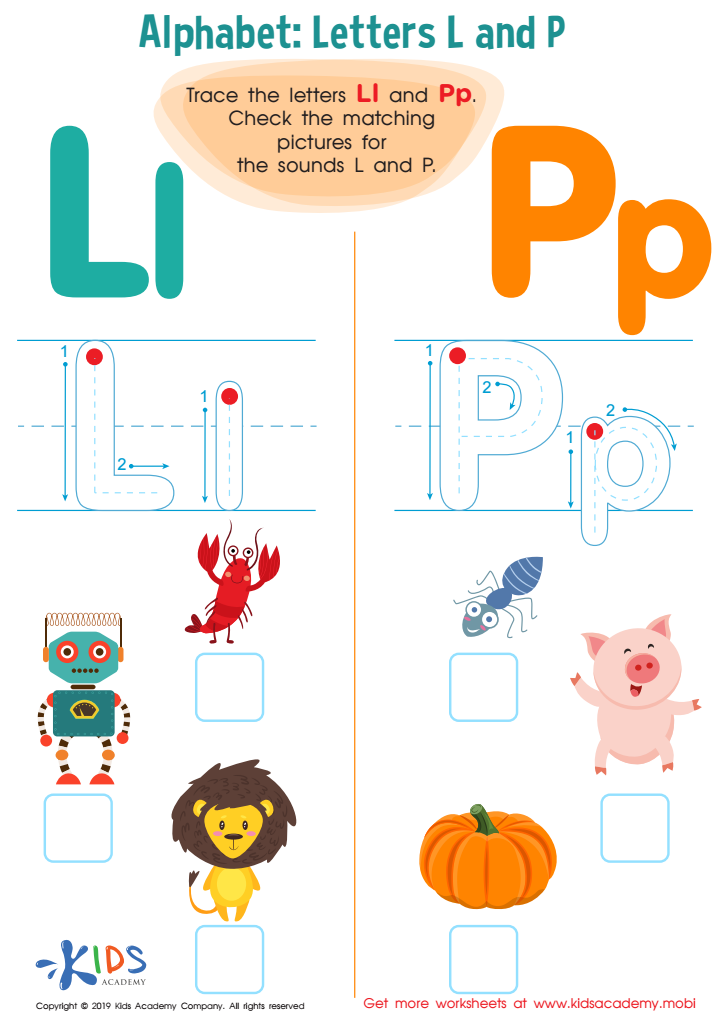
Letter L and P Tracing Worksheet








Fine motor skills development and letter recognition are foundational for young children's academic and personal growth, particularly around the age of five. Fine motor skills involve the coordination of small muscles in activities like writing, buttoning a shirt, or using scissors. For five-year-olds, mastering these skills is crucial as they are directly linked to their ability to perform everyday tasks independently and effectively. Strong fine motor proficiency enhances their writing abilities, allowing them to better express their thoughts on paper, which is essential for later academic success.
Letter recognition, on the other hand, acts as the building block for literacy. Understanding and recognizing letters is the first step toward developing reading and writing skills. Early mastery of letter recognition enables children to decode words quickly, fostering a love of reading and learning. This skill is also crucial for developing phonemic awareness, which is the ability to hear, identify, and manipulate individual sounds in spoken words—a core component of early reading skills.
Incorporating activities that bolster fine motor development and letter recognition, such as tracing letters, using clay to form shapes, or engaging in games that require sorting and matching, prepares children for more complex literacy and academic challenges. Therefore, parents and teachers should prioritize and support these areas to ensure holistic early childhood development.







