Visual discrimination Upper & Lowercase Letters Worksheets for 5-Year-Olds
4 filtered results
-
From - To
Our Visual Discrimination Upper & Lowercase Letters Worksheets are designed specifically for 5-year-olds, providing a fun and engaging way to practice letter recognition. These worksheets help young learners differentiate between uppercase and lowercase letters, an essential skill for building strong reading and writing foundations. Each activity features vibrant images and clear instructions to captivate children's attention while reinforcing critical visual discrimination skills. Perfect for both classroom and home use, these printables ensure that kids enjoy their learning journey, developing confidence and proficiency in distinguishing letter cases. Boost your child's literacy skills with our expertly designed resources today!
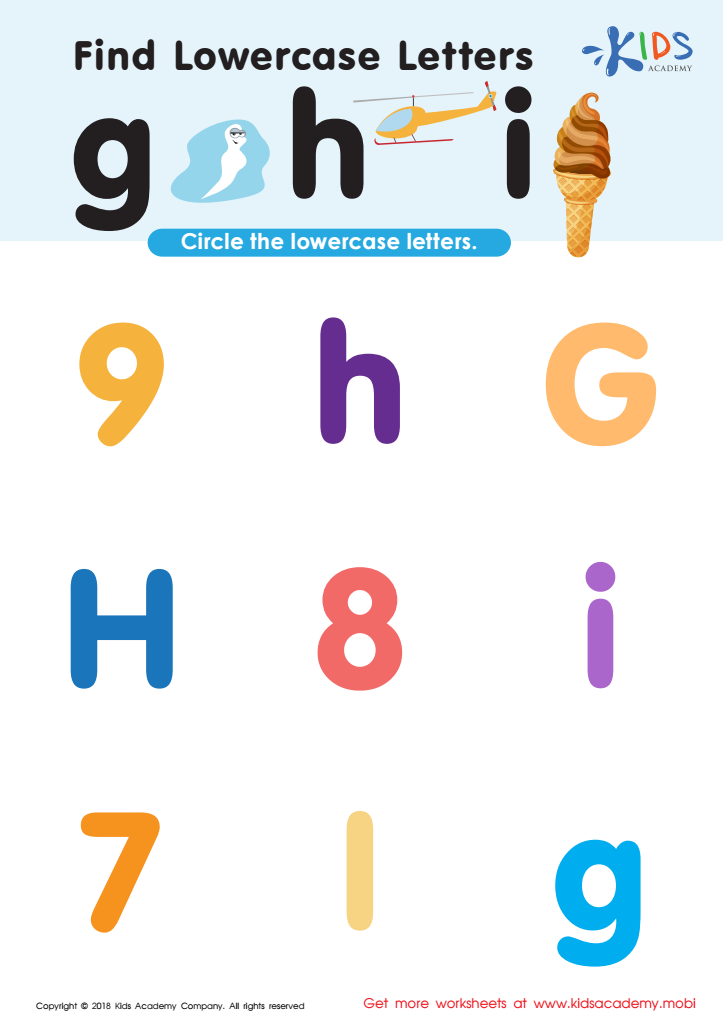
Find Lowercase Letters g h i Worksheet
 Assign to My Students
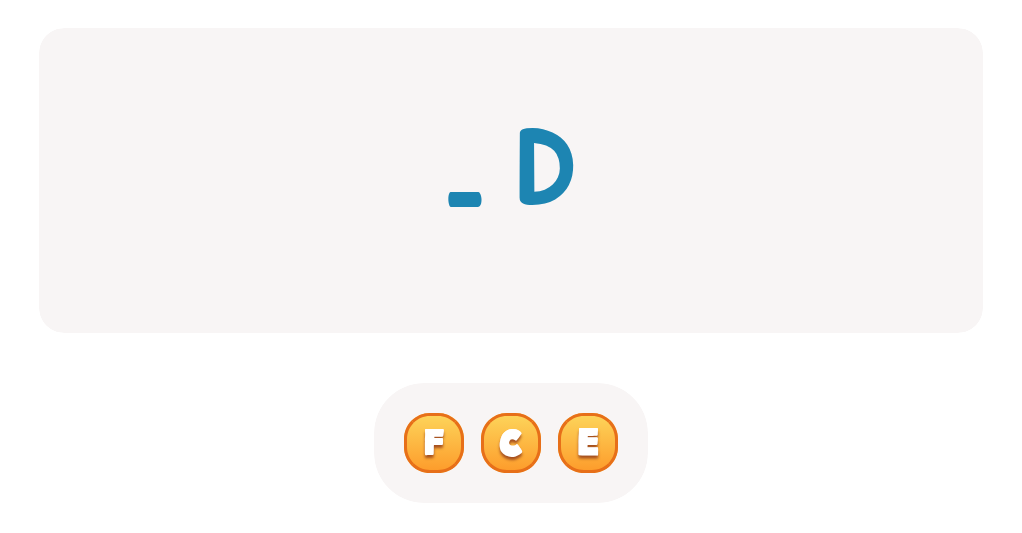

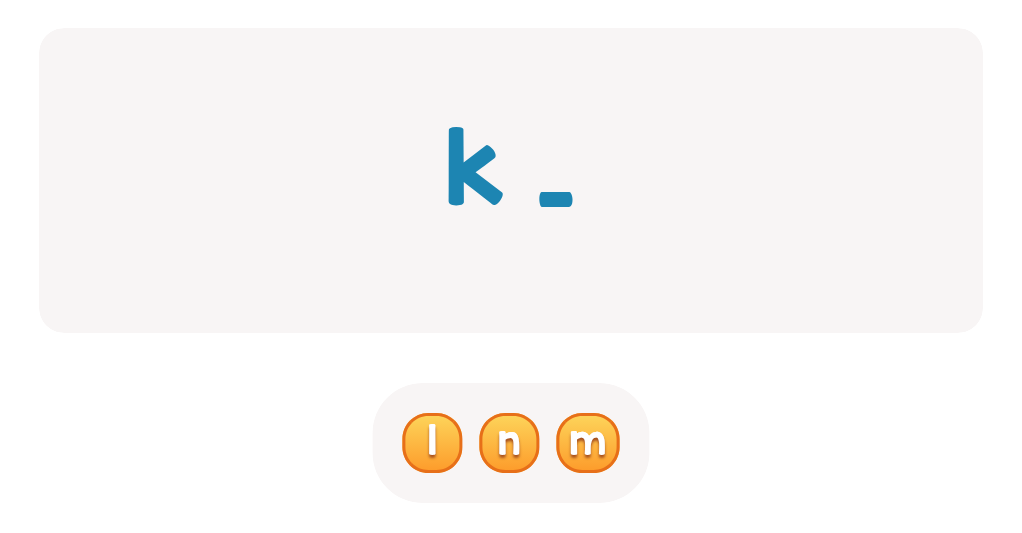
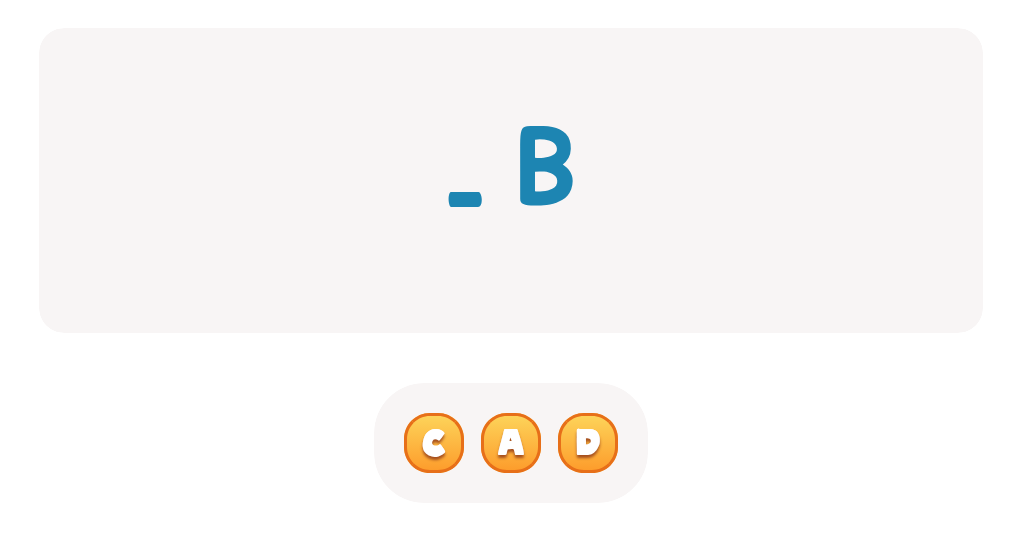
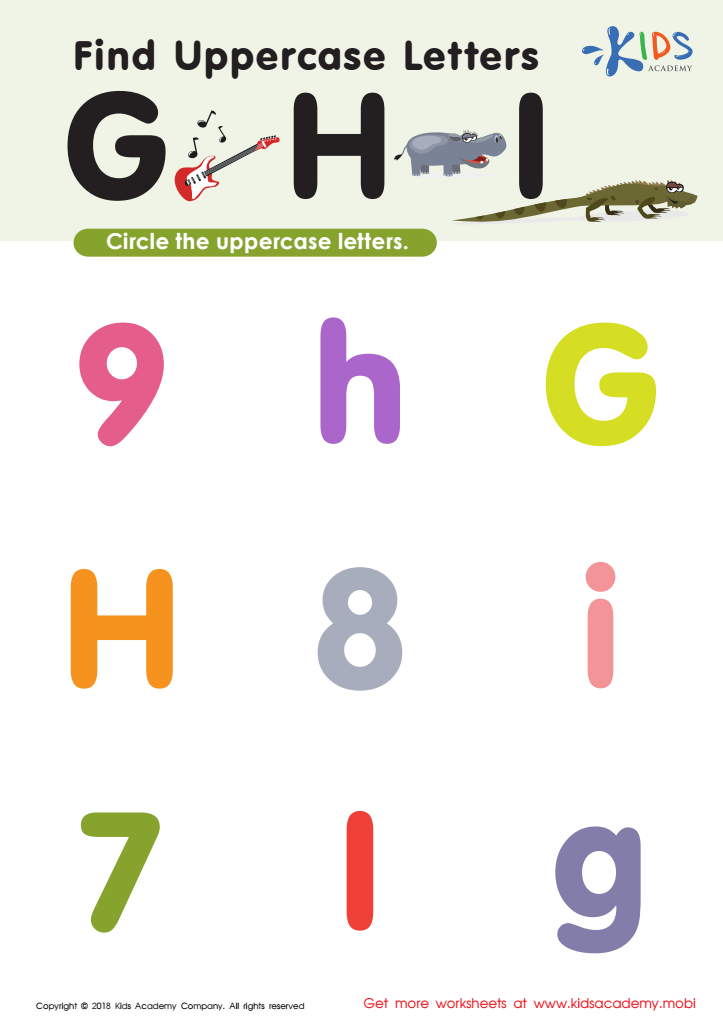
Find Uppercase Letters G, H, and I Worksheet
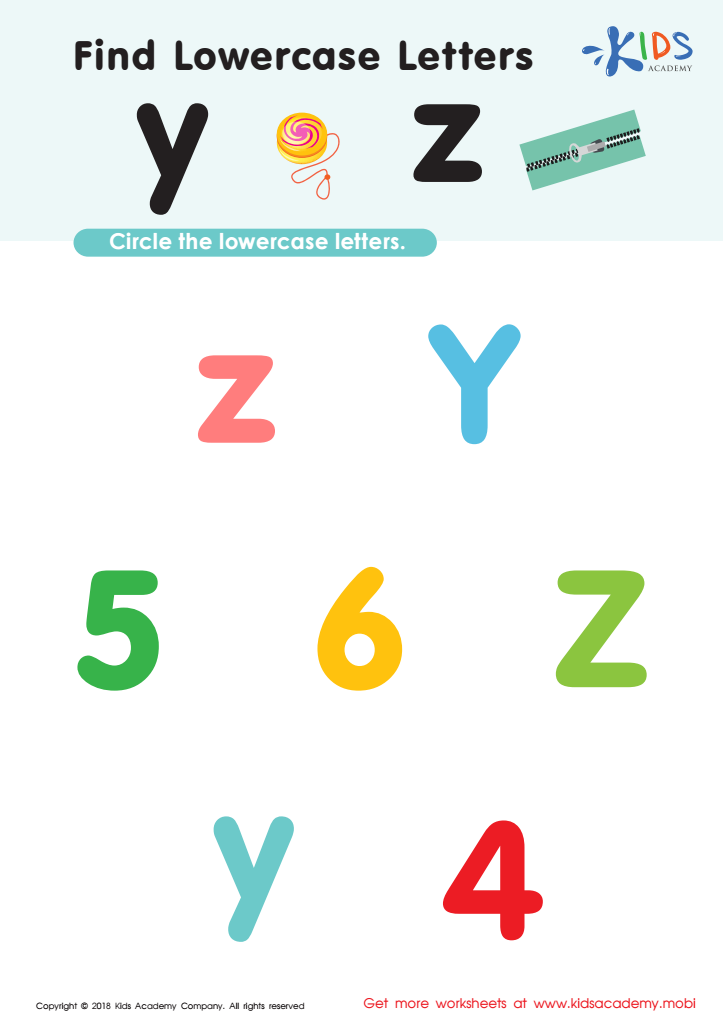
Find Lowercase Letters y z Worksheet
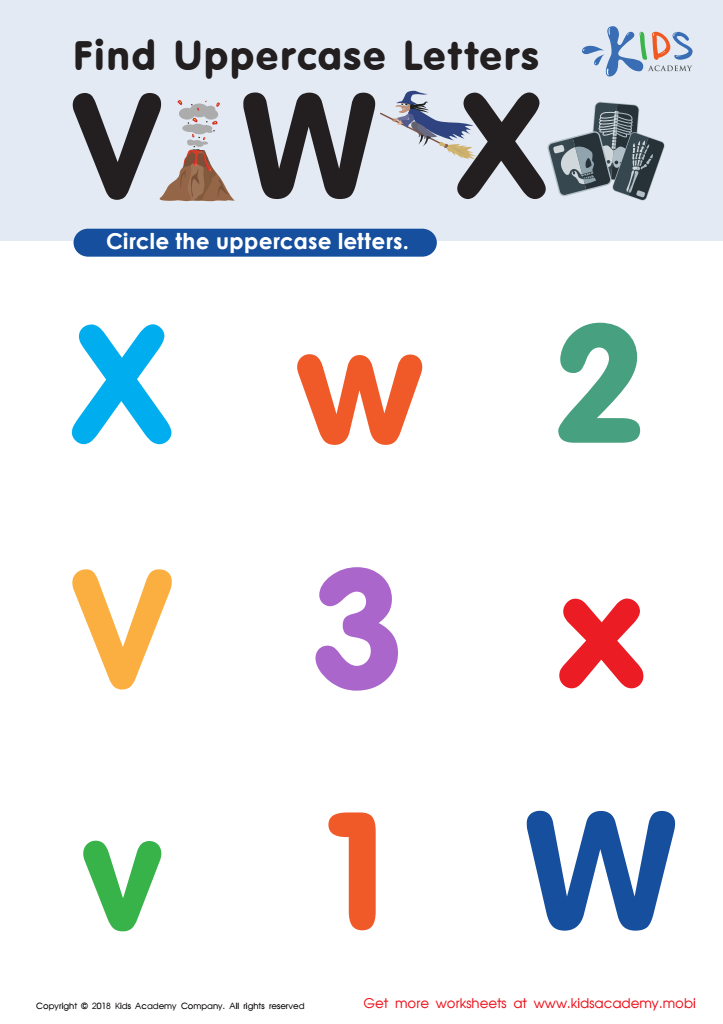
Find Uppercase Letters V, W, X Worksheet






Visual discrimination of uppercase and lowercase letters is crucial for 5-year-olds as it forms the foundation for essential literacy skills. At this age, children's brains are highly receptive to mastering letter shapes, sizes, and orientations. Recognizing the differences and similarities between uppercase and lowercase letters is important for several reasons:
-
Reading Readiness: Children first learn to recognize uppercase letters, which are often simpler and more uniform in shape. Mastery of uppercase letters aids in the transition to understanding lowercase letters, which appear more frequently in text.
-
Writing Skills: Letter recognition helps children accurately reproduce letters in writing. Differentiating between 'B' and 'b' or 'D' and 'd', for example, is essential for clear and correct communication.
-
Preventing Reading Errors: Strong visual discrimination skills help in minimizing confusion between similarly shaped letters, which in turn prevents reading errors and enhances fluency. This is particularly important as letters like 'p,' 'q,' 'b,' and 'd' can easily be misidentified.
-
Building Confidence: Successfully mastering this skill boosts children's confidence and fosters a positive attitude towards literacy. Early success predicts future academic achievement and a lifelong love for reading and learning.
Therefore, parents and teachers should prioritize activities and practices that emphasize visual discrimination, such as matching games, flashcards, and engaging multi-sensory tasks, to support these critical early learning milestones.







