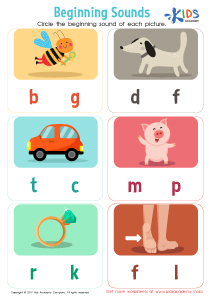
Vocabulary development Vowels Worksheets for 5-Year-Olds
4 filtered results
-
From - To
Discover our engaging "Vocabulary Development Vowels Worksheets" designed specifically for 5-year-olds! These interactive worksheets help young learners enhance their vocabulary while focusing on vowel recognition and usage. Through fun activities and colorful illustrations, children will explore words that feature vowels, boosting their reading and language skills. These resources make learning enjoyable, encouraging kids to sound out and identify vowels in various words. Suitable for both home and classroom settings, our worksheets support early literacy development, facilitating a strong foundation in language. Equip your little ones with essential vocabulary skills and watch them thrive in their reading journey!
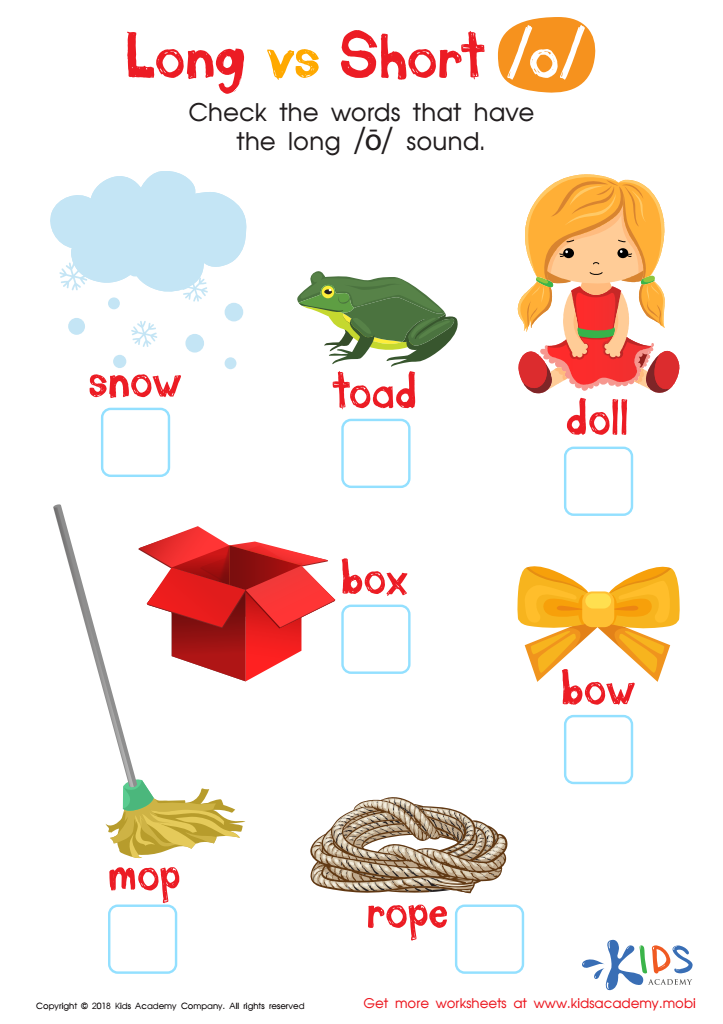
Long vs Short O Reading Worksheet
 Assign to My Students
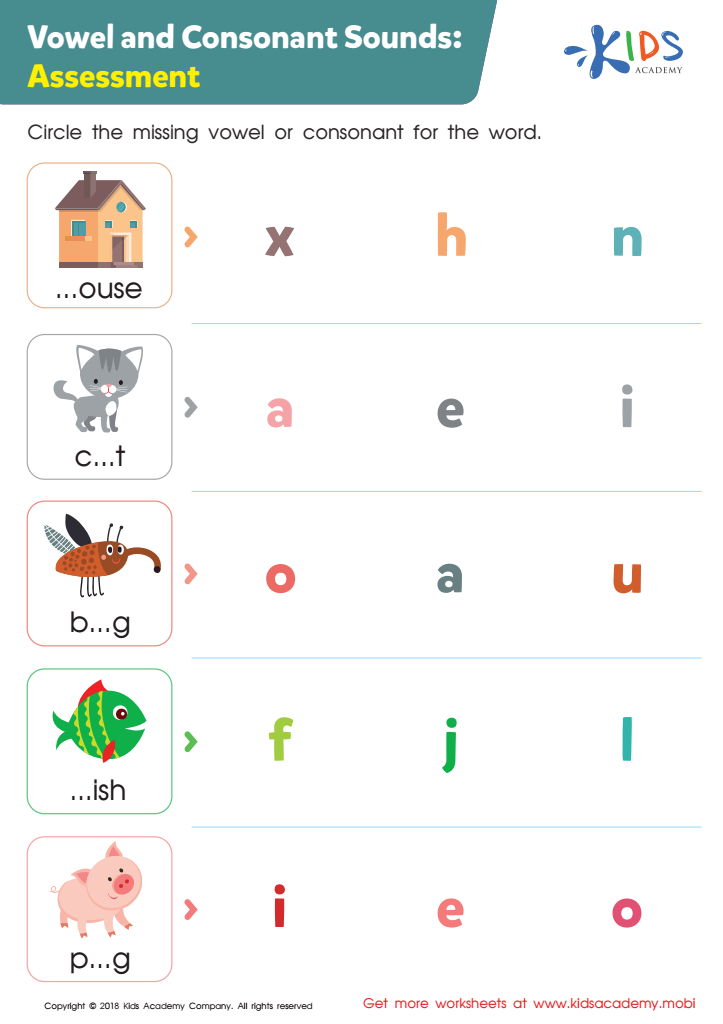
Vowel and Consonant Sounds: Assessment Worksheet
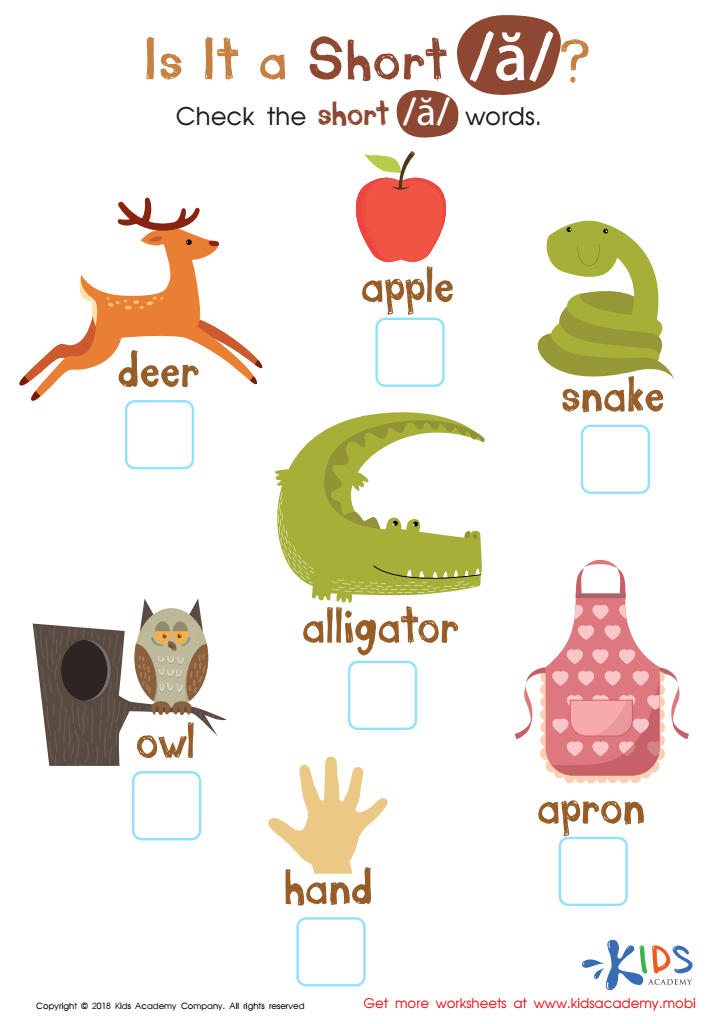
Is It Short A? Reading Worksheet
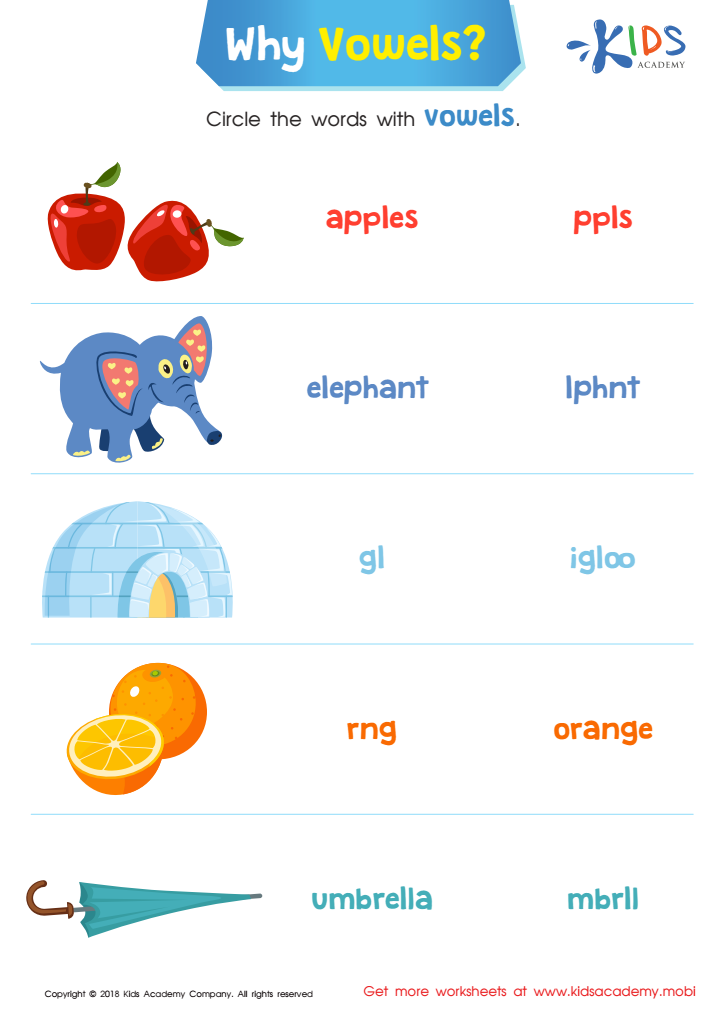
Why Vowels? Reading Worksheet





Vocabulary development, particularly focusing on vowels, is crucial for 5-year-olds as it lays the foundation for reading and writing skills. At this age, children are in a critical phase of language acquisition. Vowels, the building blocks of words, are essential for creating different sounds and enhancing phonemic awareness. By understanding vowels, children can better differentiate between words, improve their spelling, and subsequently enhance their reading fluency.
Parents and teachers play an integral role in this developmental stage. Engaging children through playful activities, such as vowel games, rhymes, and storytelling, fosters a love for language while making learning enjoyable. When vocabulary develops robustly, it paves the way for effective communication and comprehension skills, aiding children in both academic settings and everyday interactions.
Moreover, a strong vocabulary grows a child's confidence and social skills, allowing them to express their thoughts and feelings clearly. As children progress, these foundational skills will influence their ability to tackle more complex concepts in later grades. Therefore, prioritizing vowel and overall vocabulary development at this age is not just vital for literacy, but it also nurtures a child’s cognitive, social, and emotional growth. Investing time and resources in vocabulary today pays dividends for children’s futures.