Alphabet Recognition Worksheets for 5-Year-Olds
65 filtered results
-
From - To
Boost your child's learning journey with our engaging Alphabet Recognition Worksheets designed for 5-year-olds! These fun and interactive worksheets are perfect for young learners, helping them identify and distinguish letters of the alphabet. Filled with vibrant illustrations and creative activities, each worksheet fosters essential skills through playful exercises. Whether it’s tracing, coloring, or matching letters, children will gain confidence in their letter recognition while developing fine motor skills. Ideal for both classroom settings and at-home practice, our worksheets provide a stimulating way to support early literacy. Get started today and embark on the exciting adventure of learning the alphabet!
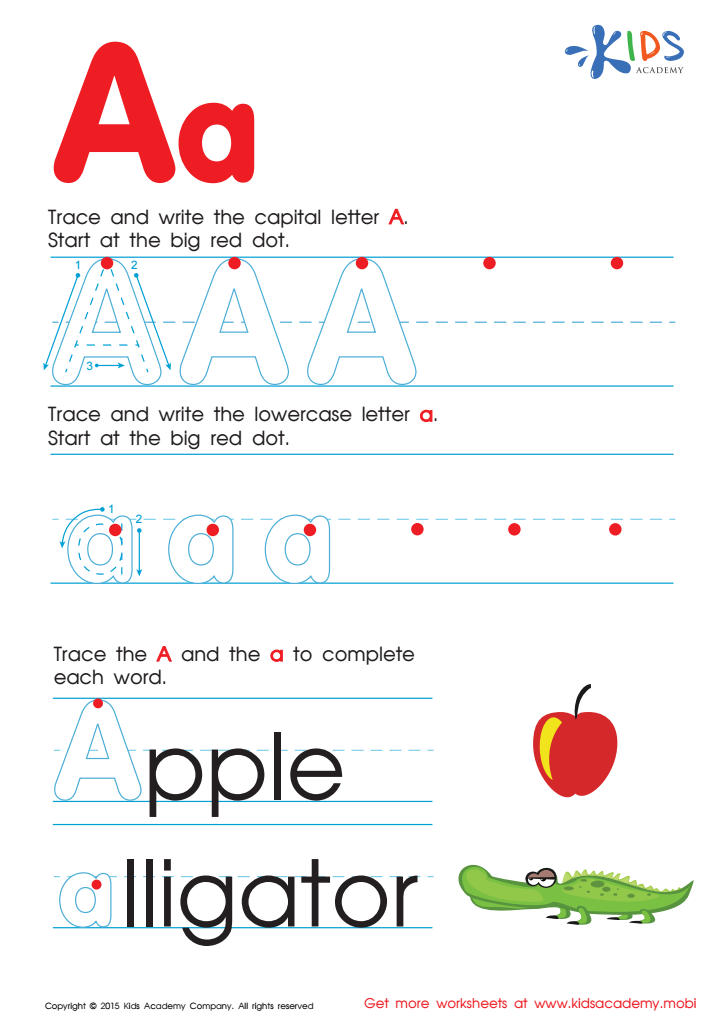
Letter A Tracing Page
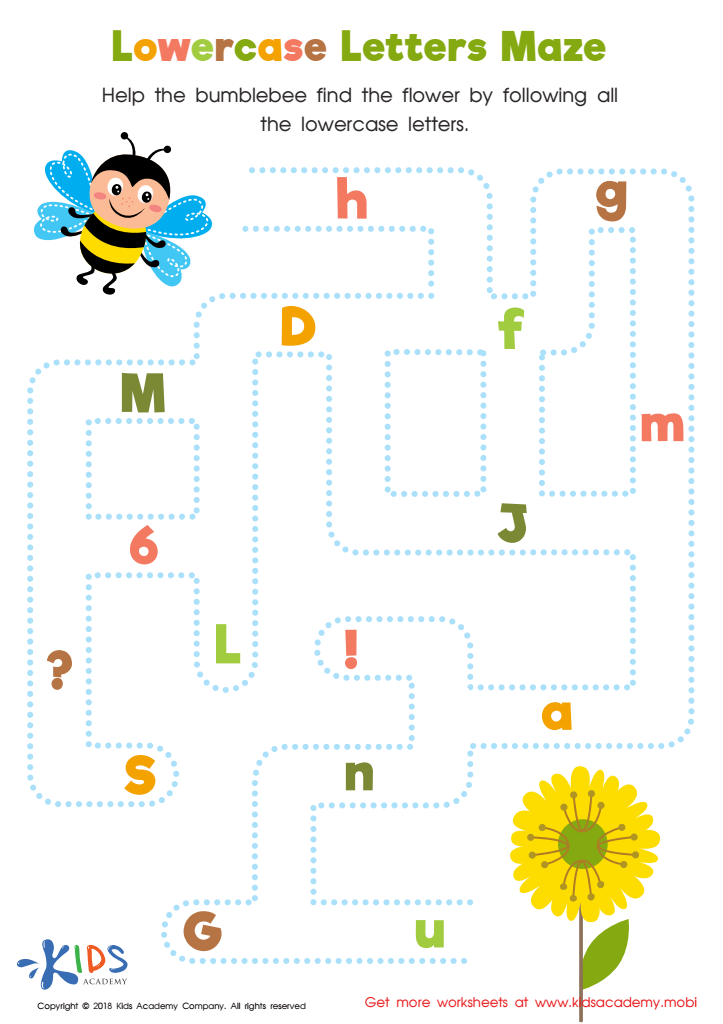
Lowercase Letters Maze Worksheet
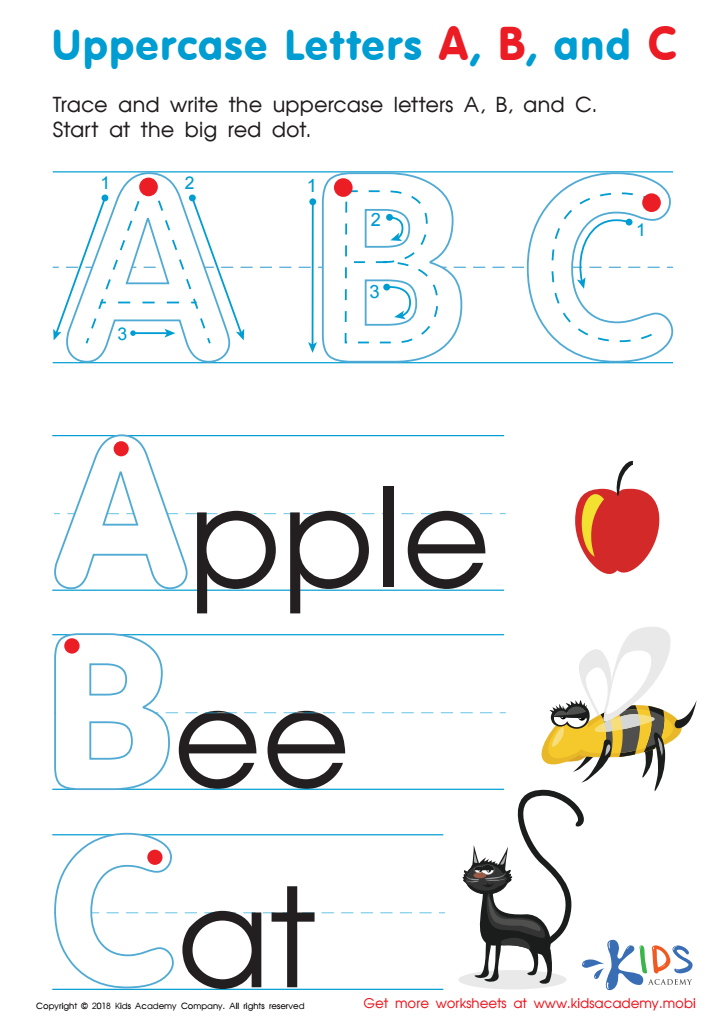
Uppercase Letters A, B, and C Worksheet
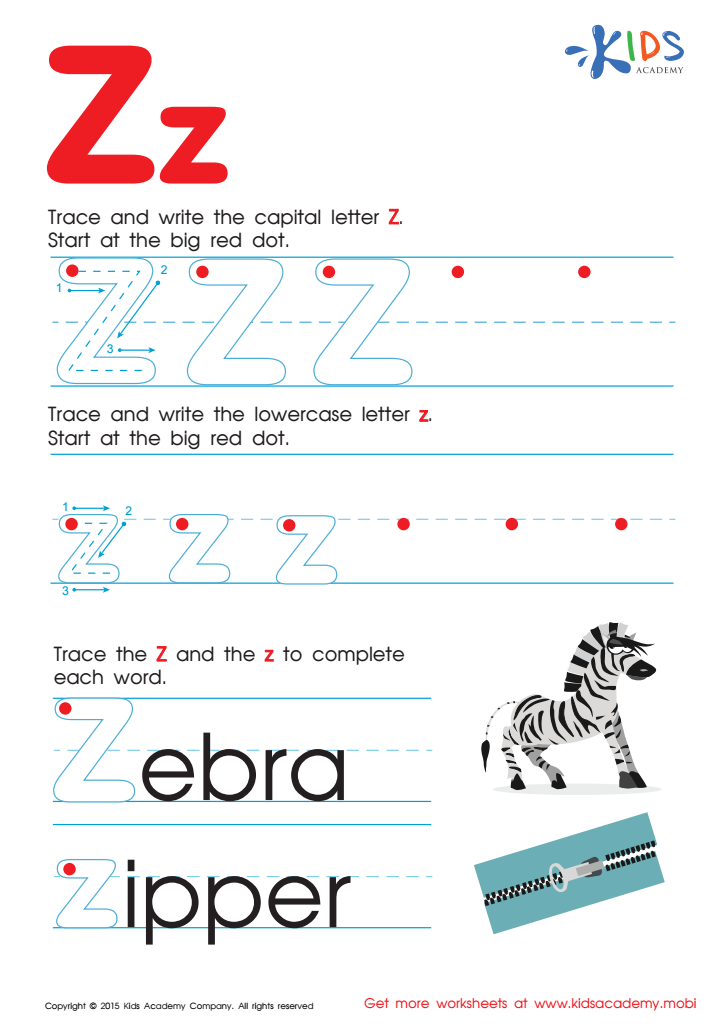
Letter Z Tracing Page
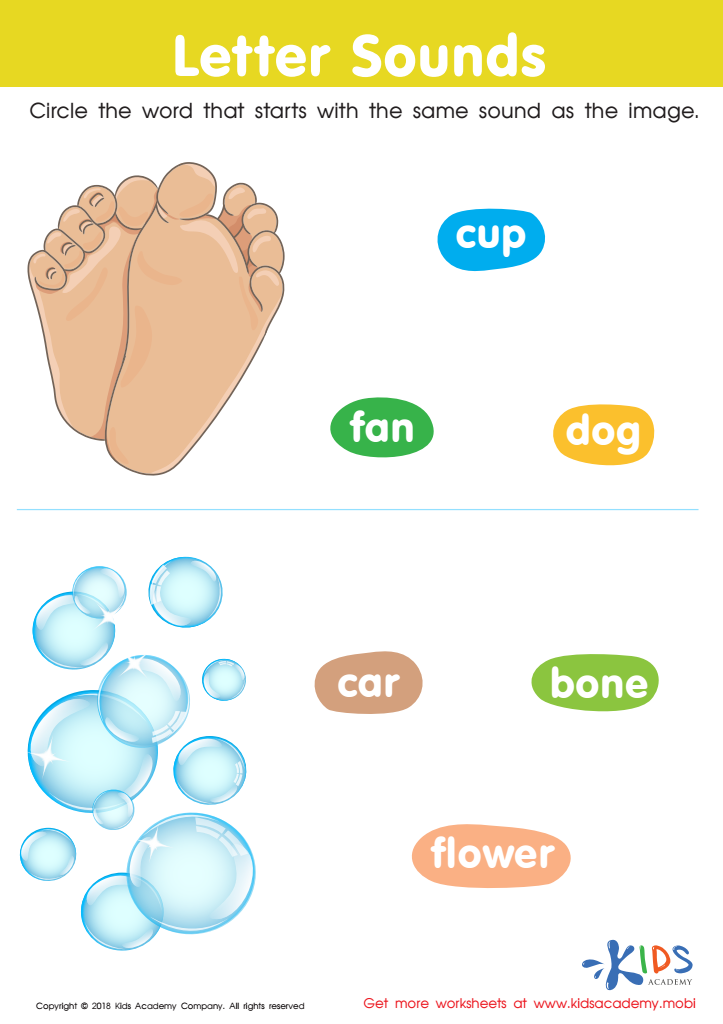
letter sounds Worksheet
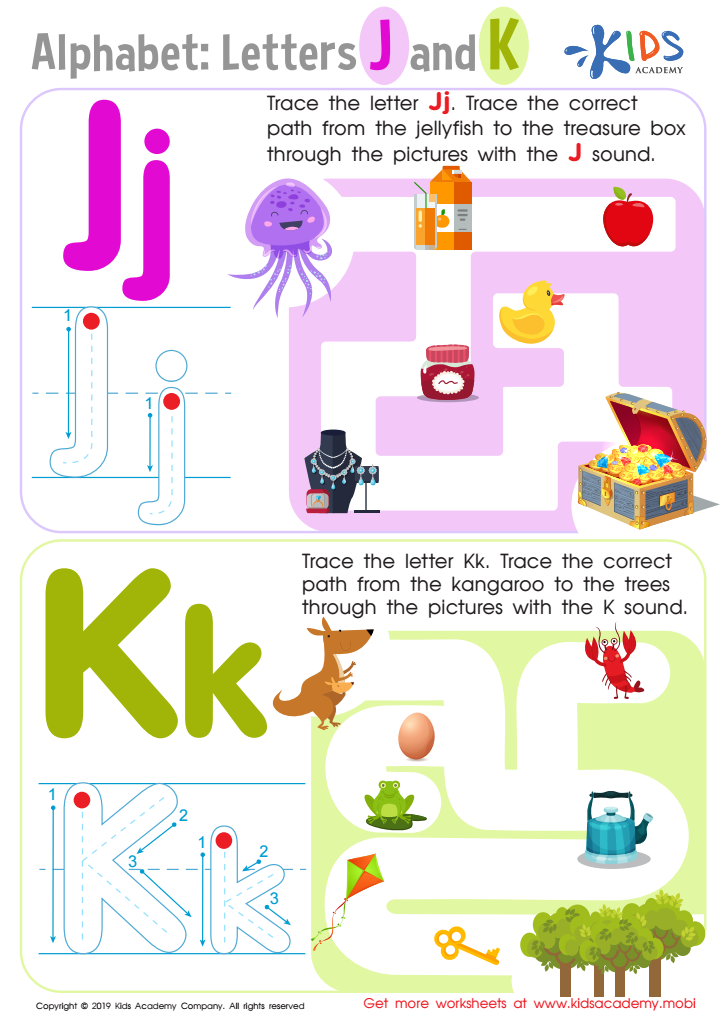
Letters J and K Tracing Worksheet
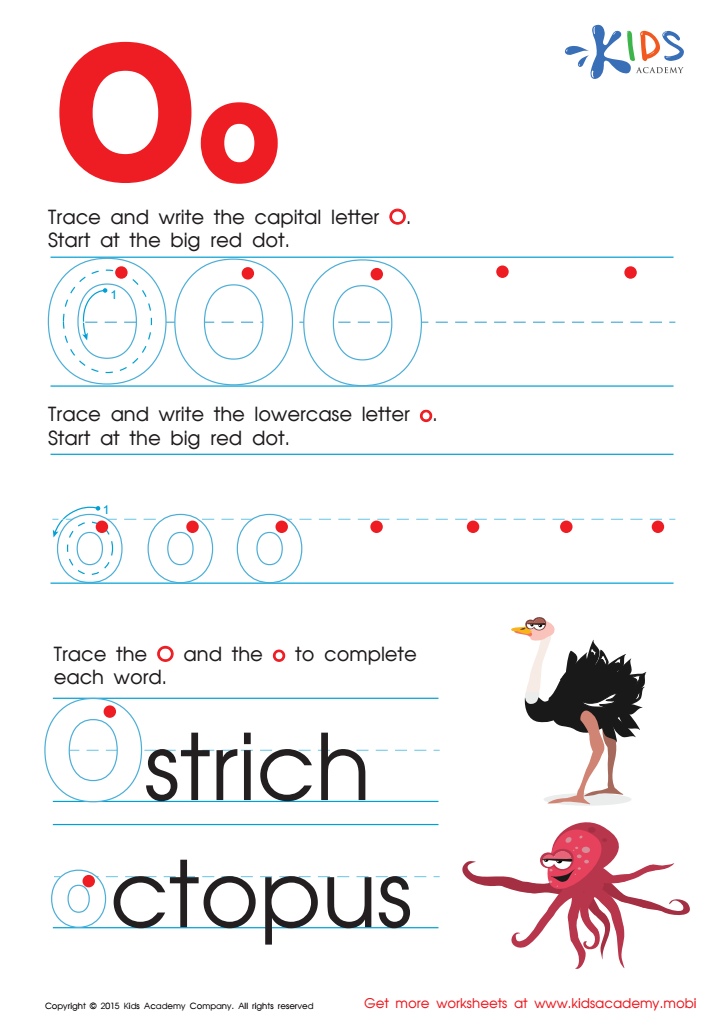
Letter O Tracing Page
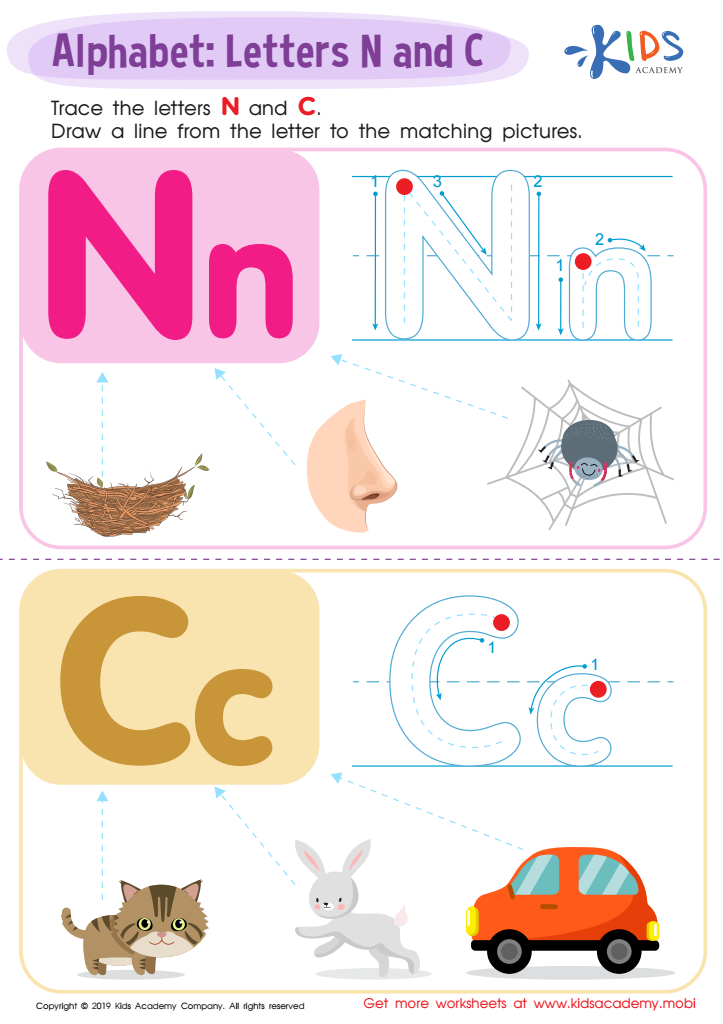
Letter N and C Tracing Worksheet
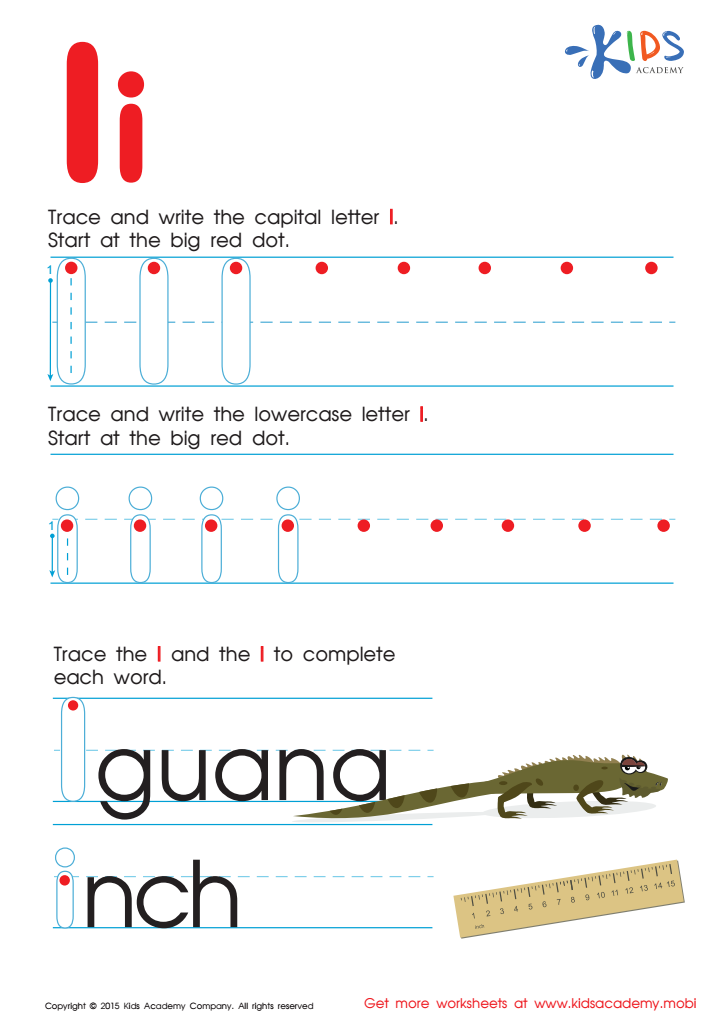
Letter I Tracing Page
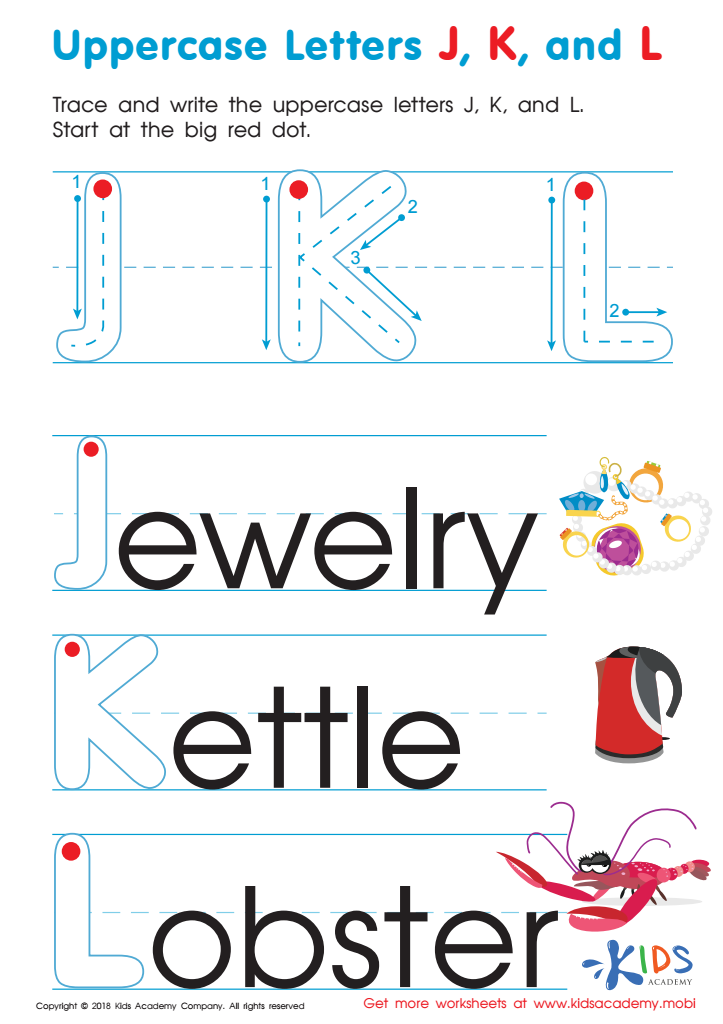
Uppercase Letters J, K, and L Worksheet
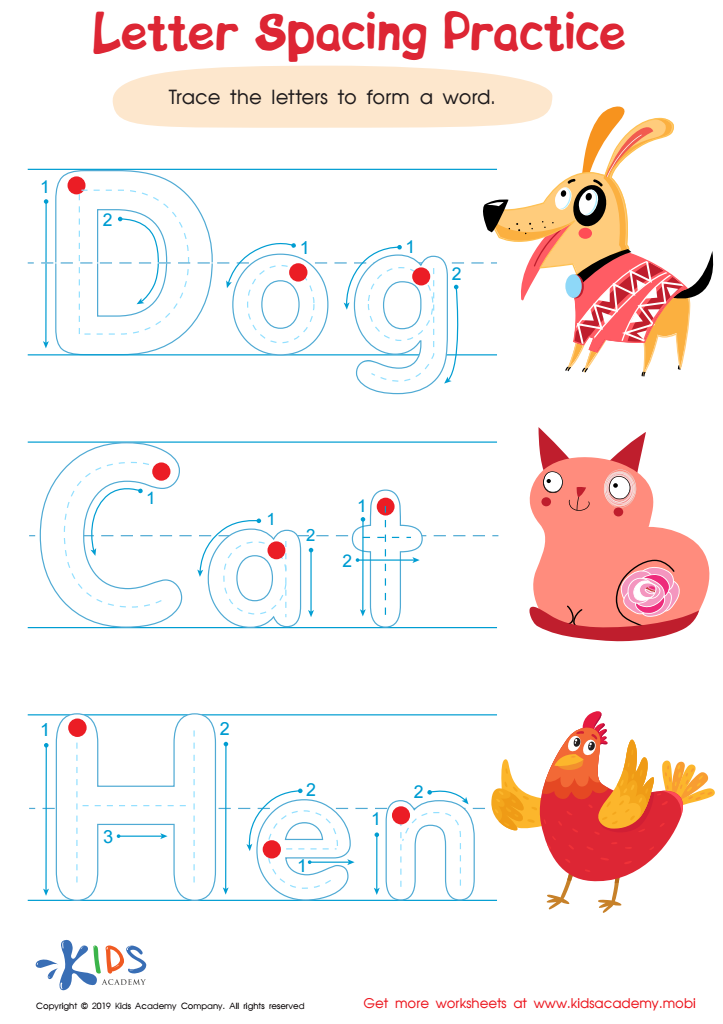
Letter Spacing Practice Worksheet
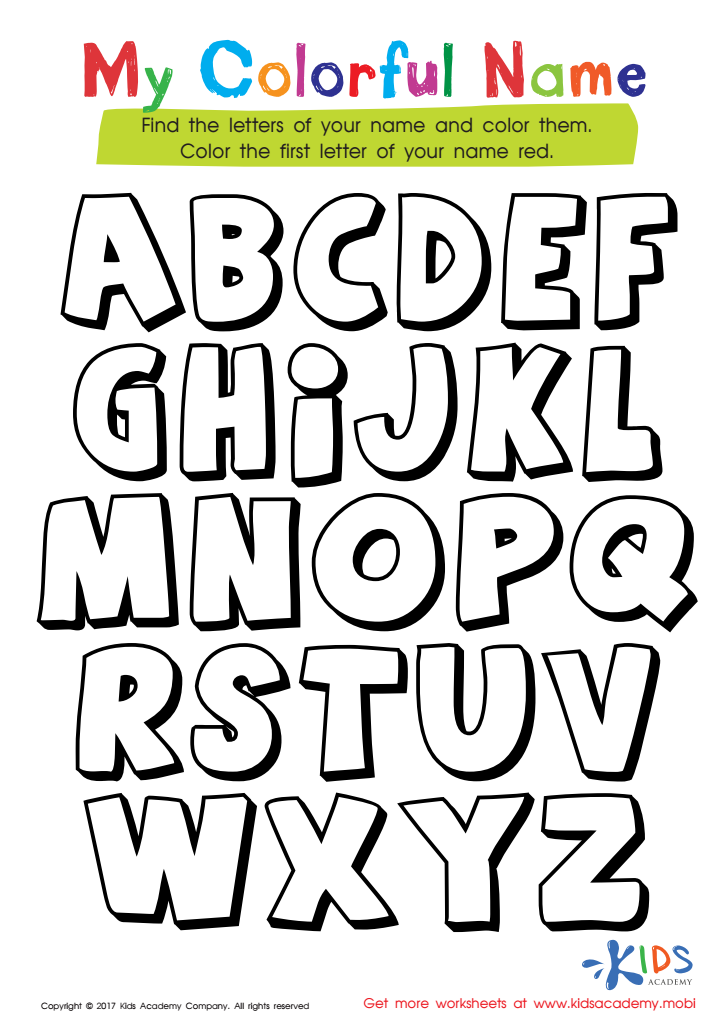
My Colorful Name Worksheet
 Assign to My Students
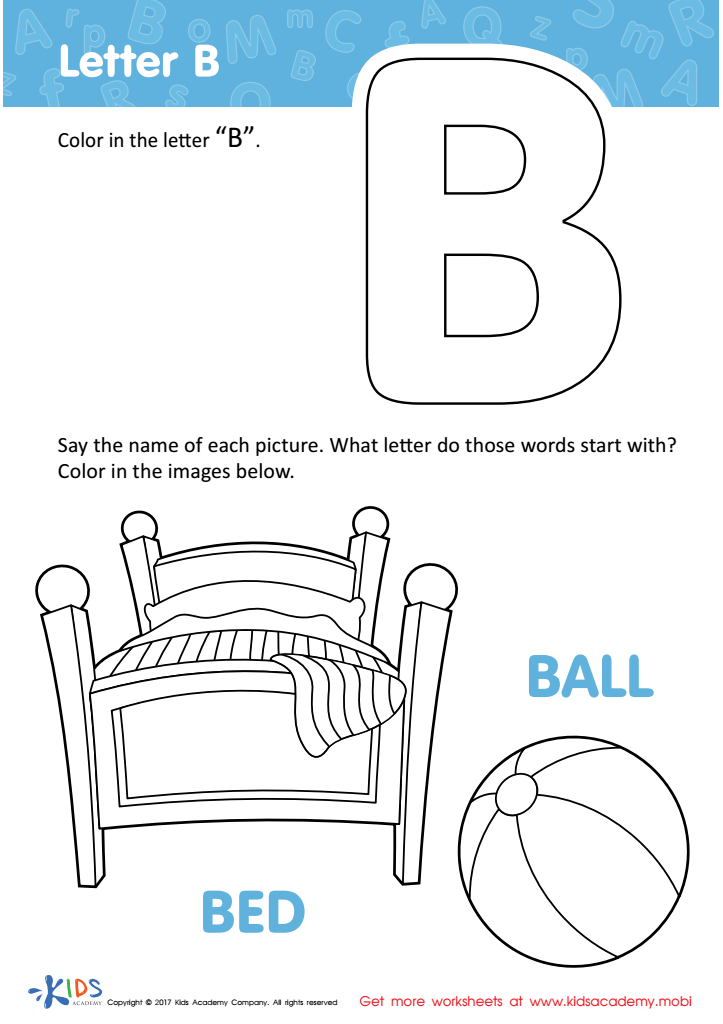
Letter B Coloring Sheet
Assign to My Students
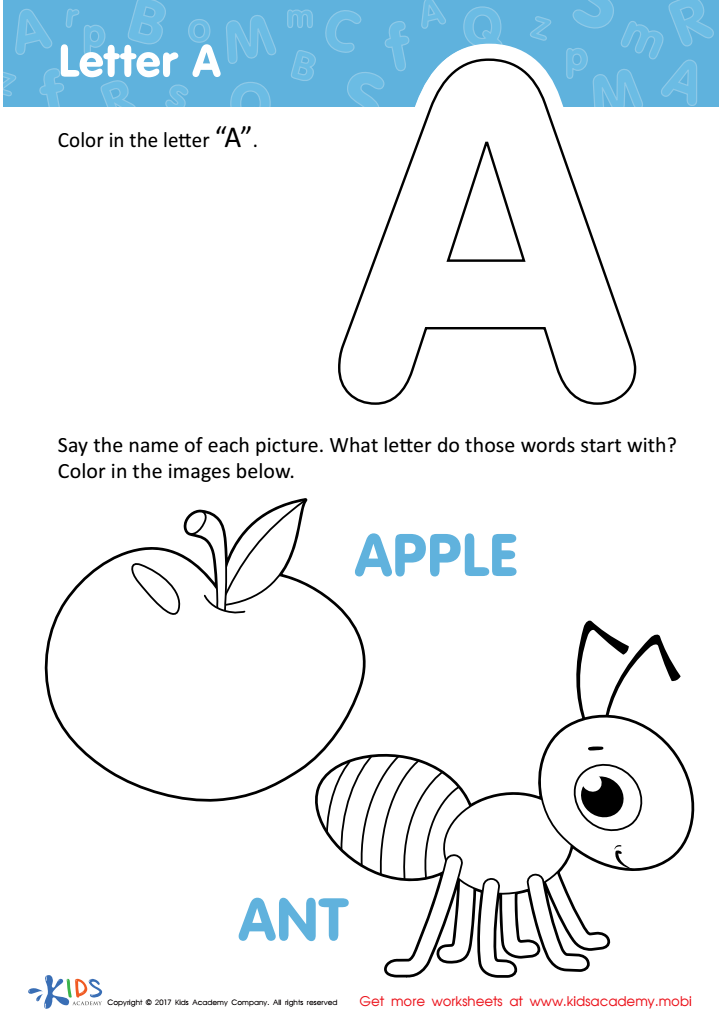
Letter A Coloring Sheet
Assign to My Students
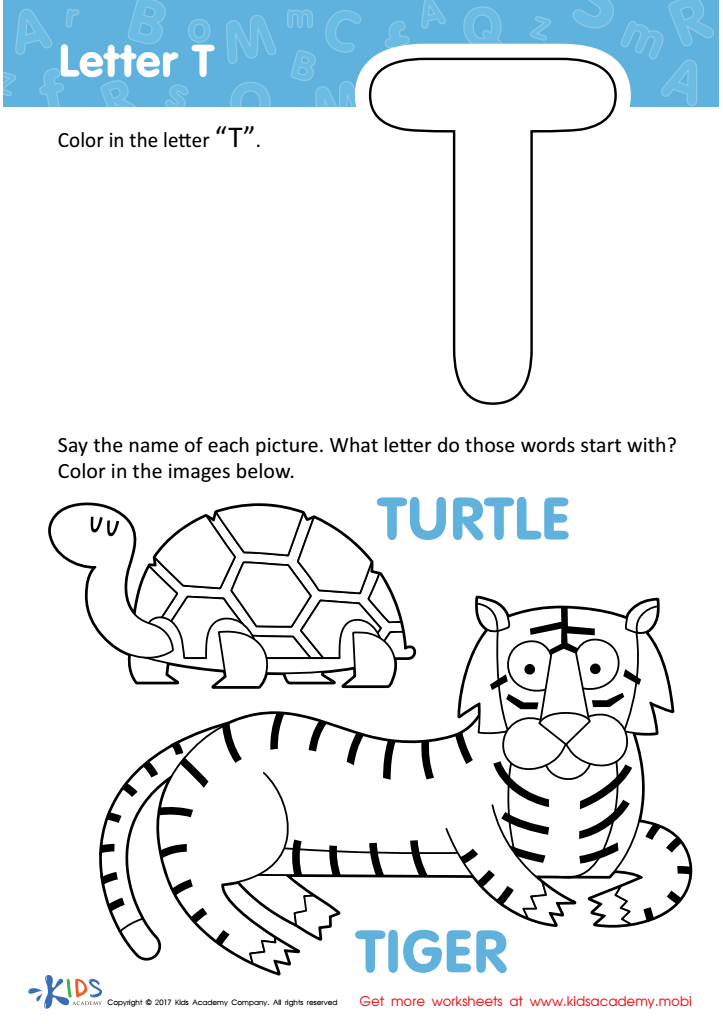
Letter T Coloring Sheet
Assign to My Students
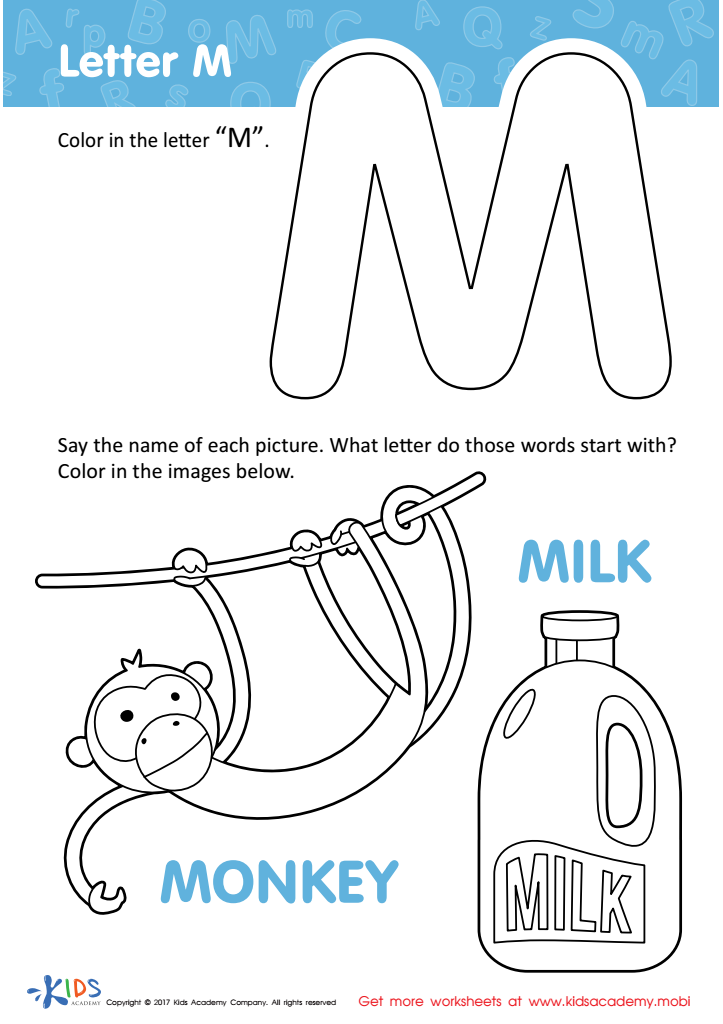
Letter M Coloring Sheet
Assign to My Students
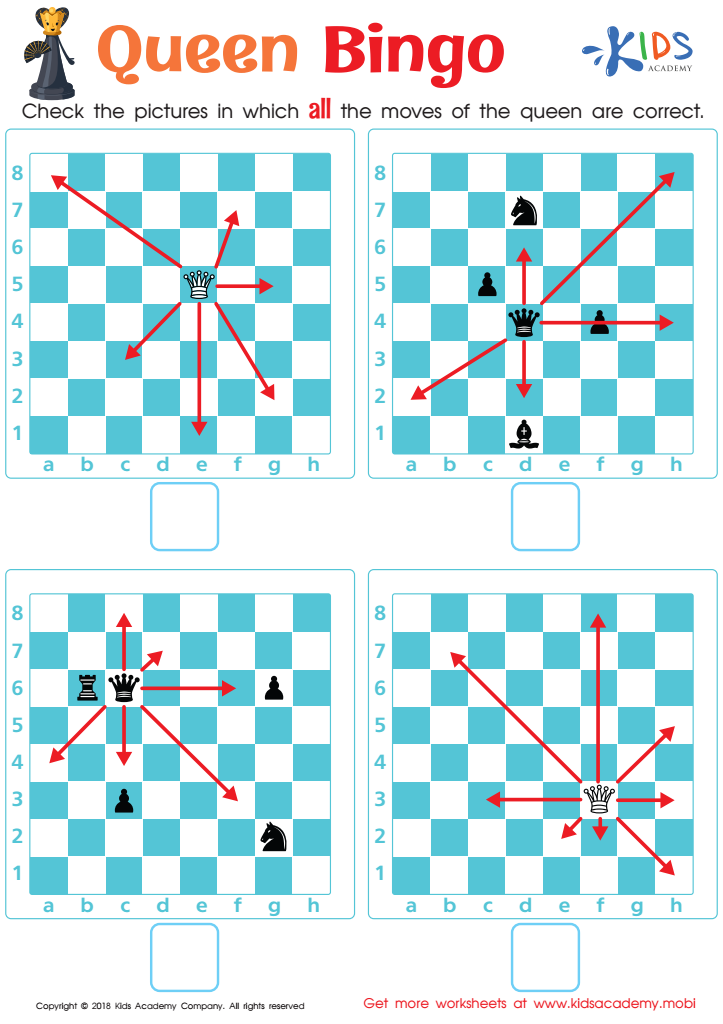
Queen Bingo Worksheet
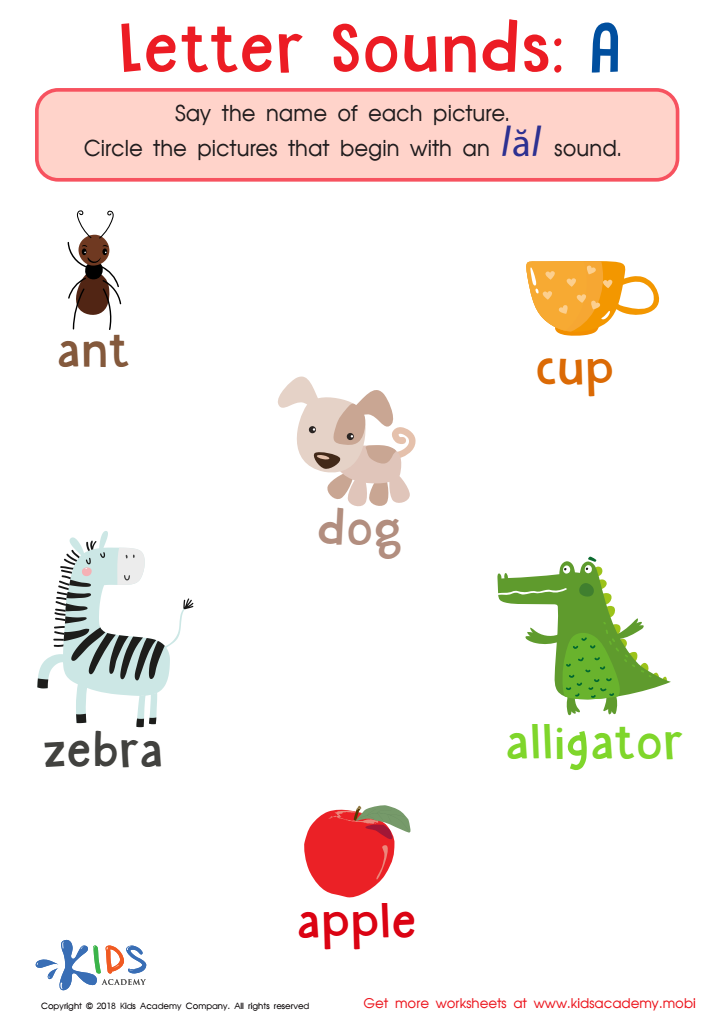
Letter A Sounds Worksheet
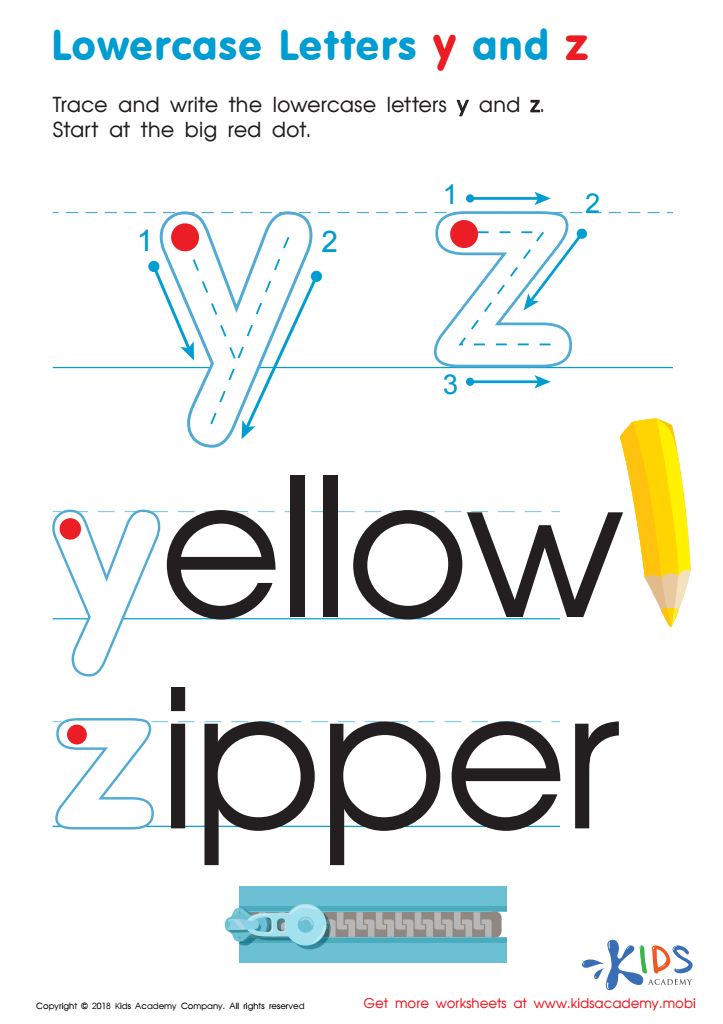
Lowercase Letters y z Worksheet
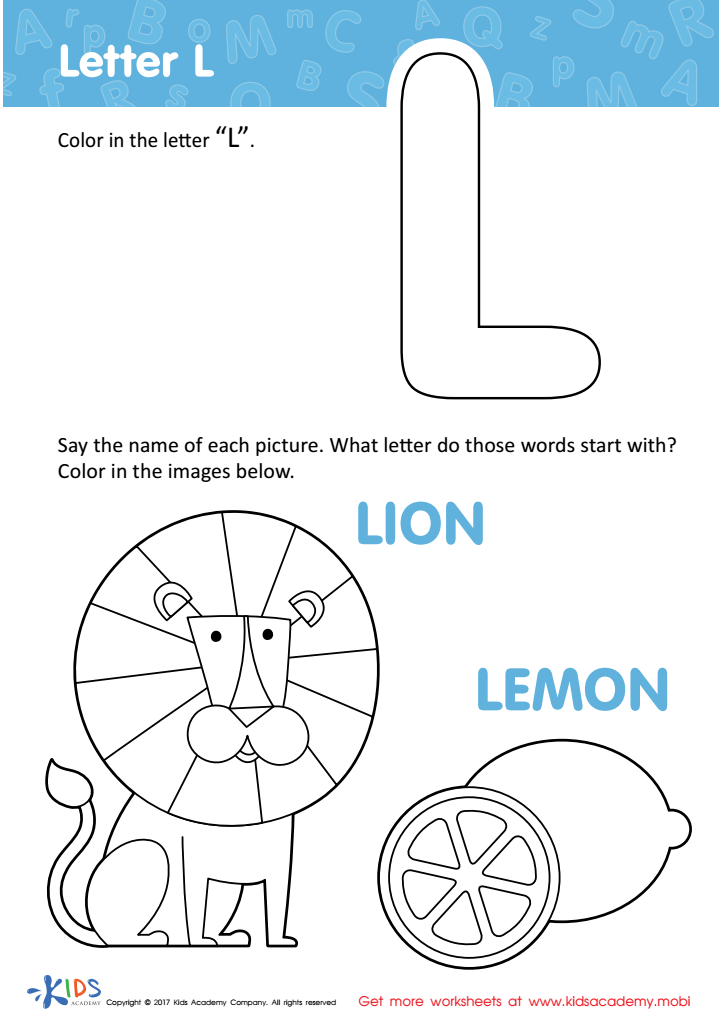
Letter L Coloring Sheet
Assign to My Students
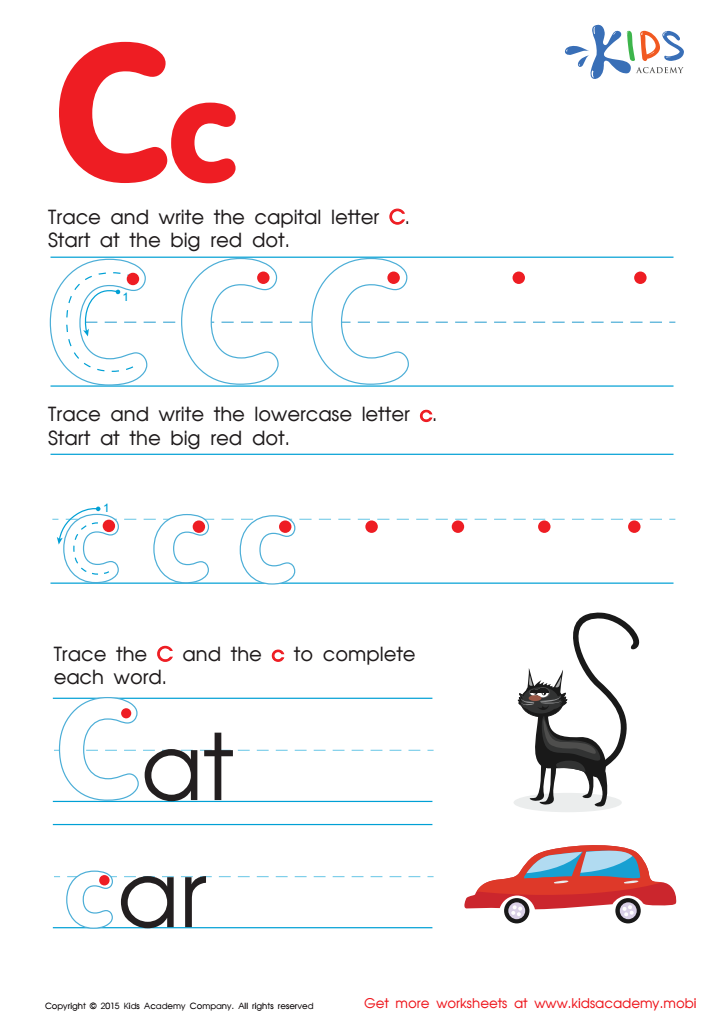
Letter C Tracing Page
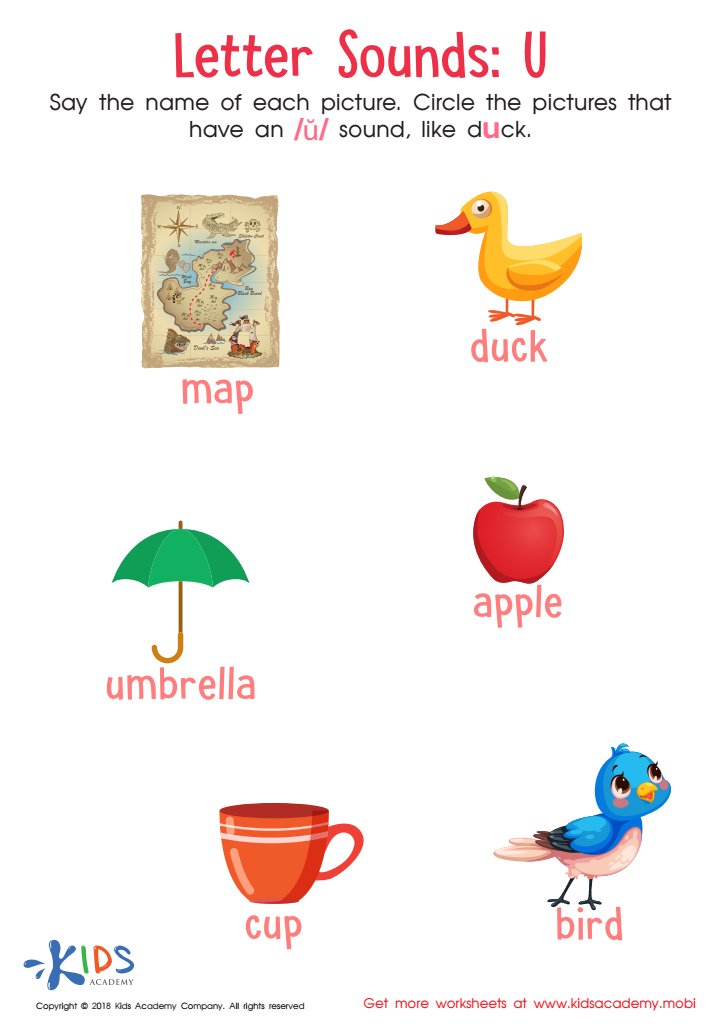
Letter U Sounds Worksheet
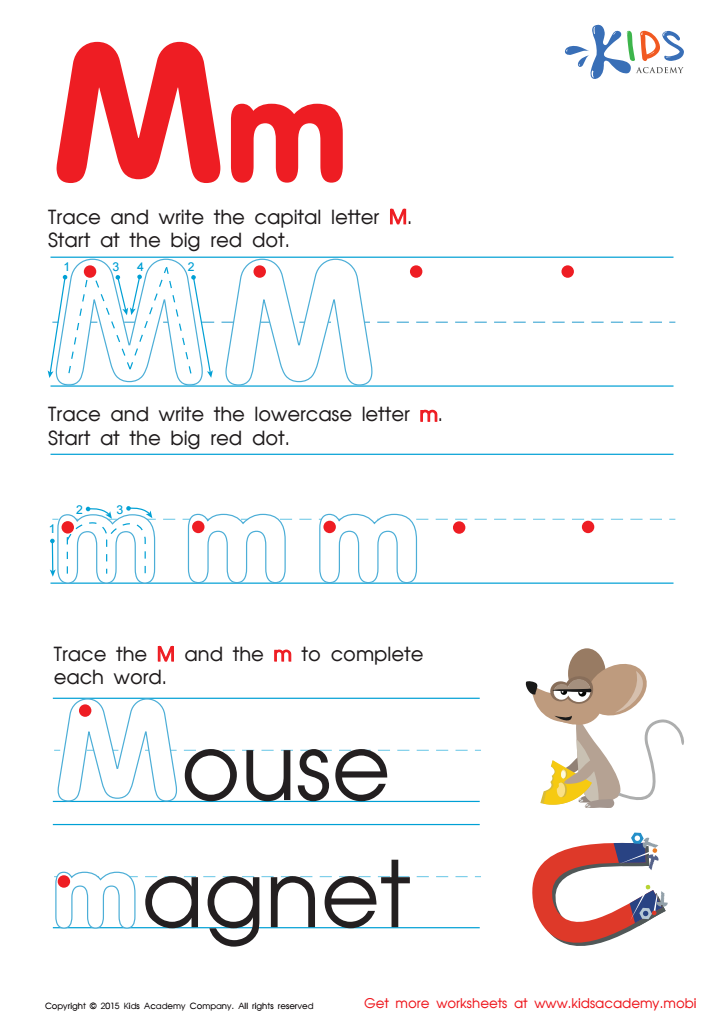
Letter M Tracing Page
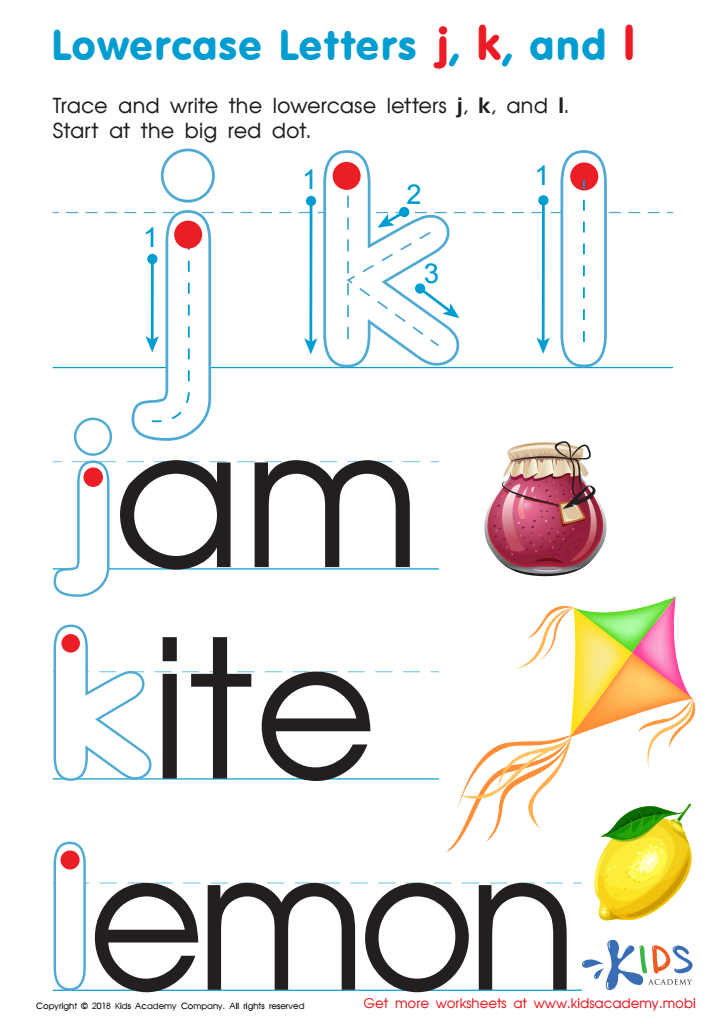
Lowercase Letters j k l Worksheet








Alphabet recognition is a foundational skill for young children and is crucial for their overall literacy development. For parents and teachers, caring about this skill is paramount because it lays the groundwork for future reading and writing abilities. When 5-year-olds can recognize letters, they begin to understand that letters represent sounds in language, which is essential for phonemic awareness—a key component of reading.
Additionally, alphabet recognition aids in building a strong vocabulary and promotes cognitive development. Children who confidently recognize letters can engage more effectively with books, contributing to a love for reading and learning. This skill also influences their ability to decode words, enabling them to move from recognizing letters to reading simple texts.
Moreover, fostering alphabet recognition aids in enhancing children's fine motor skills as they learn to write letters. Support from parents and teachers in this area promotes positive learning experiences, encouraging children to feel confident in their literacy journeys. Ultimately, prioritizing alphabet recognition equips children with the tools they need to excel academically, paving the way for future success in school and beyond. Engaging with young learners in activities that promote this recognition can make a significant difference in their educational trajectories.








