Comparative analysis Worksheets for 5-Year-Olds
3 filtered results
-
From - To
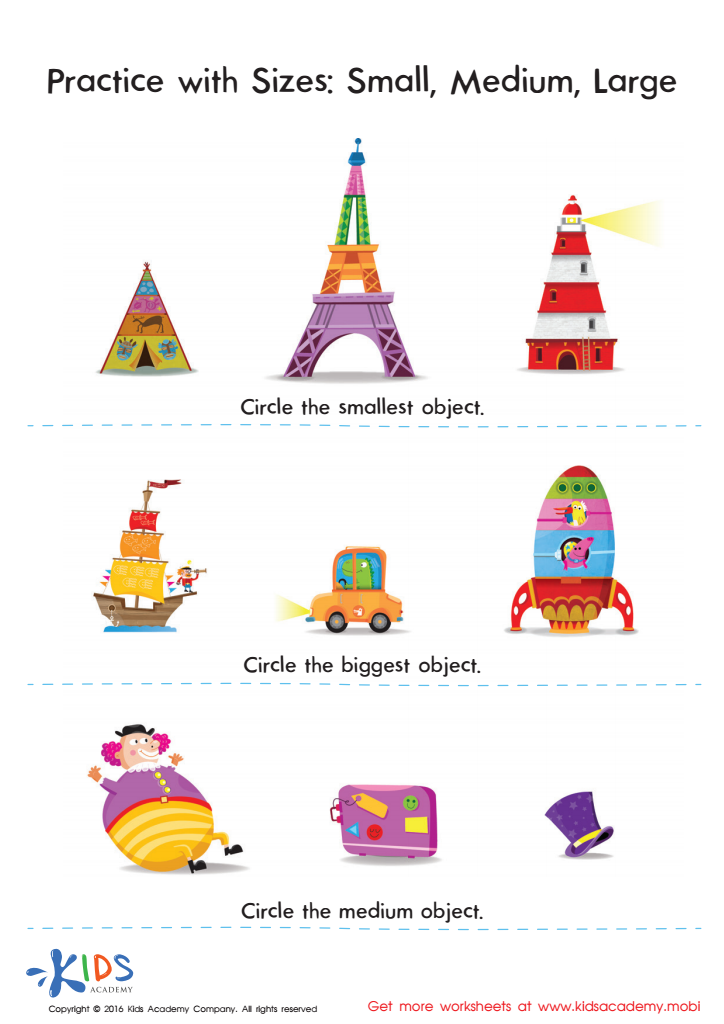
Discover our engaging Comparative Analysis Worksheets designed specifically for 5-year-olds. These interactive activities help young learners develop critical thinking and observational skills by encouraging them to compare different objects, pictures, and concepts. Each worksheet features vibrant illustrations and age-appropriate tasks that make learning fun and enjoyable. Children will explore attributes such as size, color, and quantity while enhancing their cognitive and analytical abilities. Our worksheets seamlessly align with early childhood education standards, ensuring a comprehensive learning experience. Foster a love for learning while helping your child build essential skills with our carefully crafted comparative analysis resources! Perfect for home or classroom use!
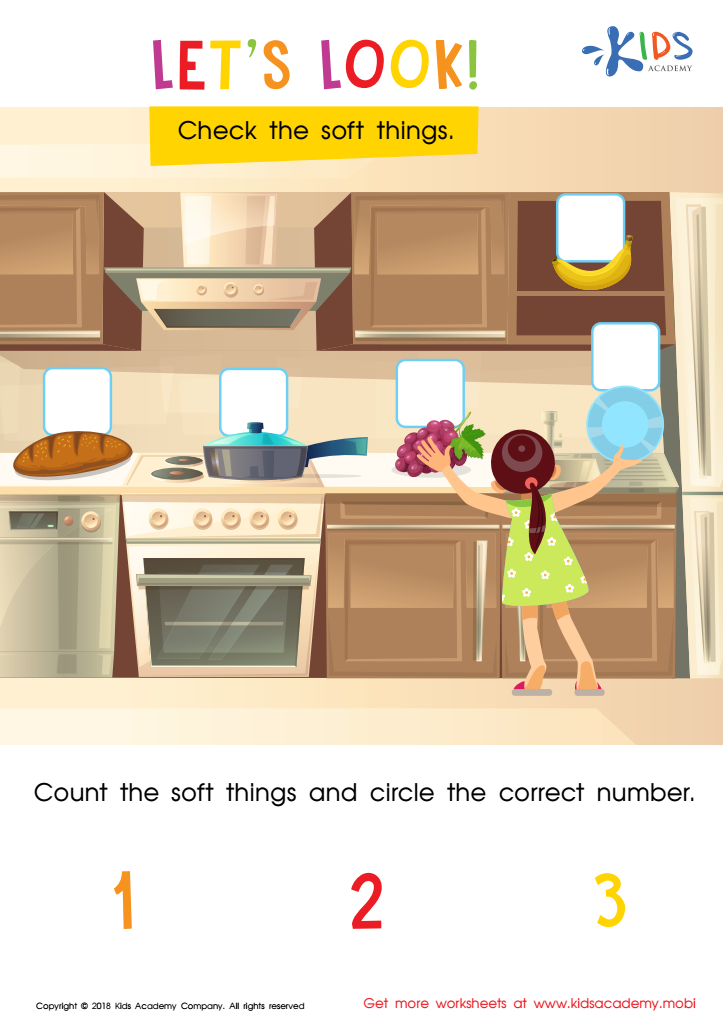
Let's Look! Assessment Worksheet
 Assign to My Students
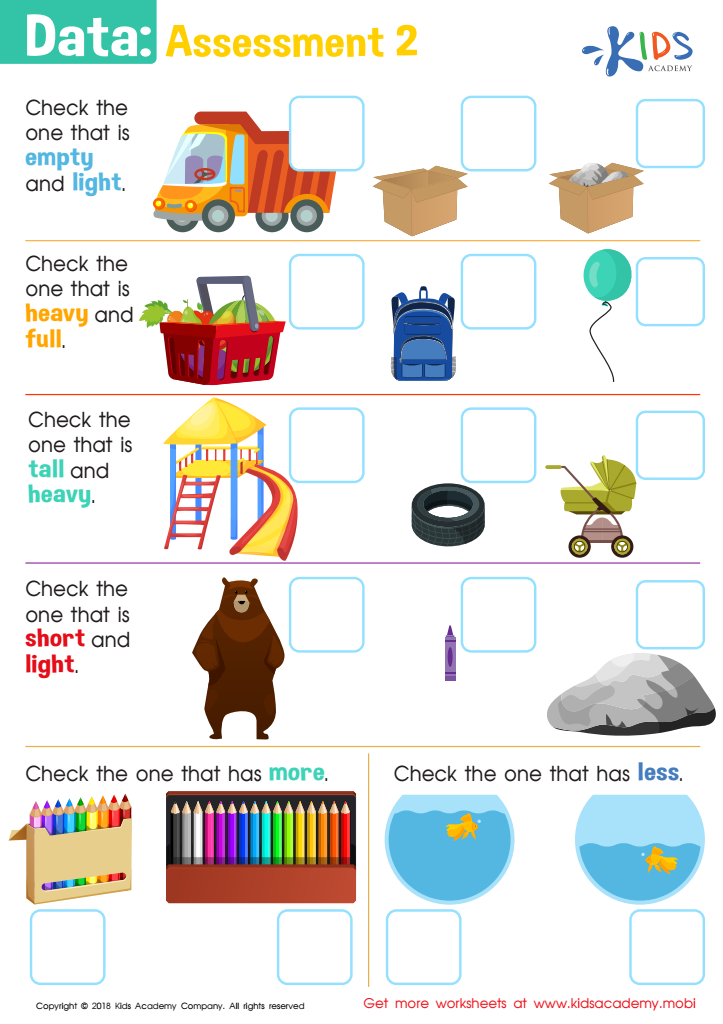
Data: Assessment 2 Worksheet







Comparative analysis for 5-year-olds is crucial for parents and teachers because it helps in understanding children's developmental progress and learning styles. At this age, children exhibit diverse abilities and knowledge levels, and comparative analysis allows educators to observe and reflect on these differences effectively.
By analyzing children's performance against appropriate benchmarks or peers, teachers can identify strengths and areas needing improvement. This not only ensures that each child receives personalized support but also encourages healthy competition and peer learning. For parents, being informed about their child's progress in relation to peers can foster better communication with teachers and bolster home educational activities.
Additionally, recognizing variations among children promotes an inclusive learning environment. Understanding that some children may excel in certain areas while struggling in others can guide teachers in creating differentiated lesson plans that cater to diverse needs.
Ultimately, comparative analysis empowers teachers and parents to prioritize individual growth, track progress over time, and foster an atmosphere where each child feels valued and understood. In dynamic early education settings, this approach enhances collaboration between home and school, ensuring a well-rounded and effective educational experience for every child.








