
Enhancing fine motor skills Worksheets for 5-Year-Olds
4 filtered results
Difficulty Level
Grade
Age
-
From - To
Subject
Activity
Standards
Unlock your child's potential with our "Enhancing Fine Motor Skills Worksheets for 5-Year-Olds." Designed to foster creativity and precision, these engaging activities help young learners develop essential skills for handwriting, self-care, and more. Each worksheet features fun, age-appropriate exercises that improve hand-eye coordination, dexterity, and finger strength. With our expertly crafted materials, your little ones will gain confidence as they color, trace, and manipulate small objects. Let's turn skill-building into playtime and set the foundation for academic and life success. Explore our collection today and watch your child’s abilities flourish!
Favorites
With answer key
Interactive
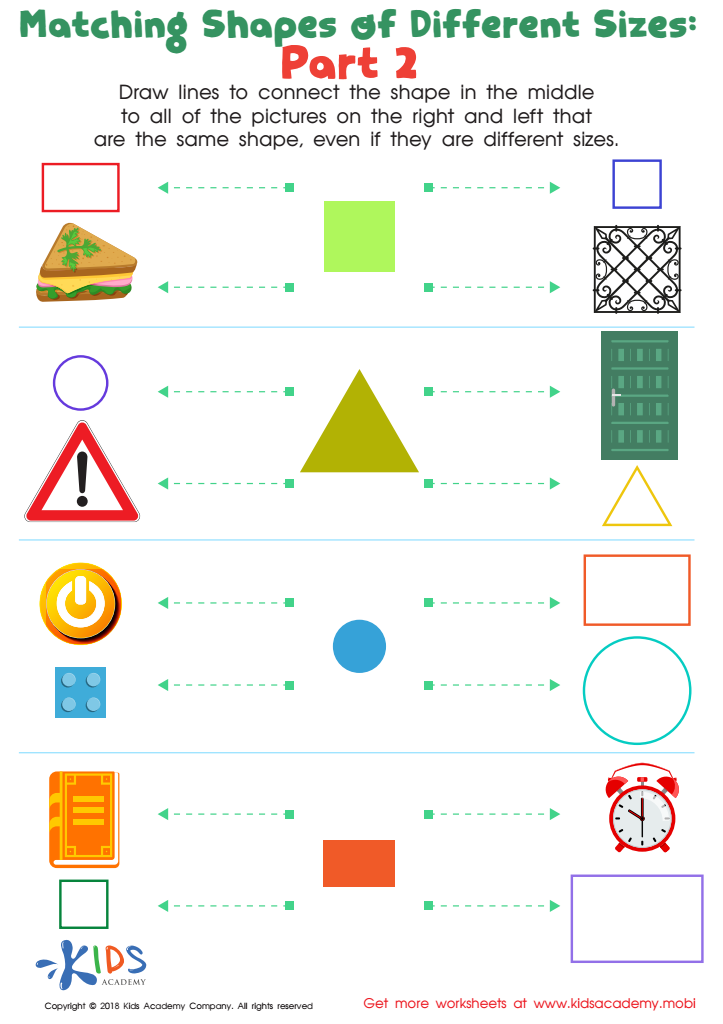
Geometry: Part 2 Worksheet
Third grade geometry gets a challenge with this free worksheet. Kids match shapes to everyday objects like sandwiches, alarm clocks and books for a better understanding of geometry in their lives. Printable pdf is included.
 Assign to My Students
Geometry: Part 2 Worksheet
Worksheet
Join Kids Academy for Free
Who is primarily going to use this learning content?








Enhancing fine motor skills in 5-year-olds is critical for their overall development and future academic success. Fine motor skills involve the coordination of small muscles, typically in the hands and fingers, and are essential for everyday activities such as writing, buttoning clothes, and using utensils. Strong fine motor skills support hand-eye coordination, precision, and control.
For young children, these abilities impact their readiness to write. As they practice manipulating small objects, their hand strength and dexterity improve, making the transition to writing smoother and less frustrating. Early proficiency in fine motor skills also lays the groundwork for developing a proper pencil grip, which contributes to better handwriting and reduced fatigue.
Beyond academics, fine motor skills bolster independence and confidence. Children become more capable of dressing themselves, tying shoes, and other self-care tasks, which can enhance their self-esteem. They are also crucial for participating in play-based learning, such as building with blocks or solving puzzles, which fosters creativity and problem-solving abilities.
Moreover, children with well-developed fine motor skills typically have better attention to detail and patience, as these tasks often require practice and perseverance. Therefore, investing time in activities that enhance fine motor skills not only aids in immediate daily tasks and academic readiness but also contributes to long-term cognitive and personal development.








